Design Introduction
1、 Appearance design
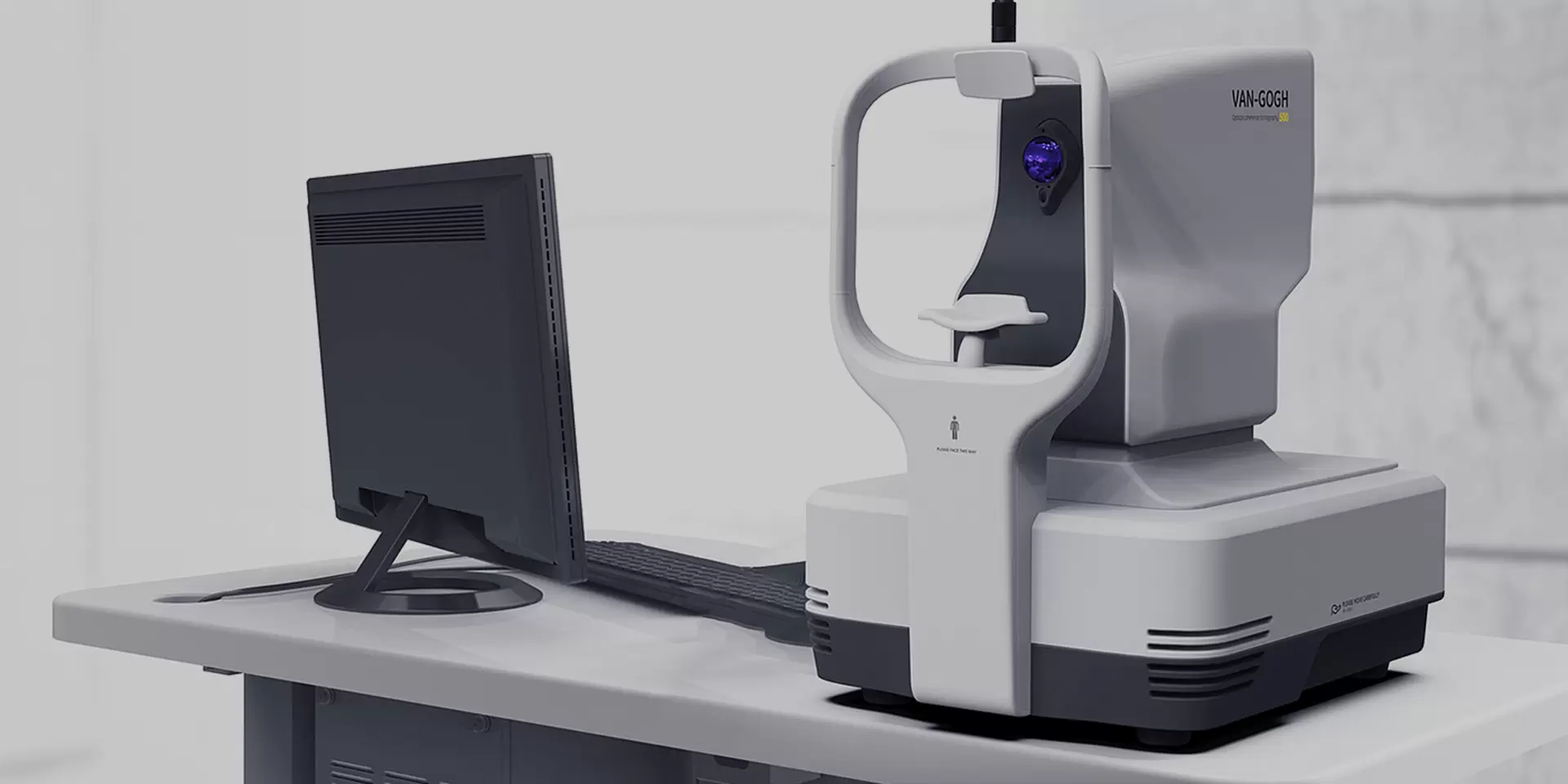
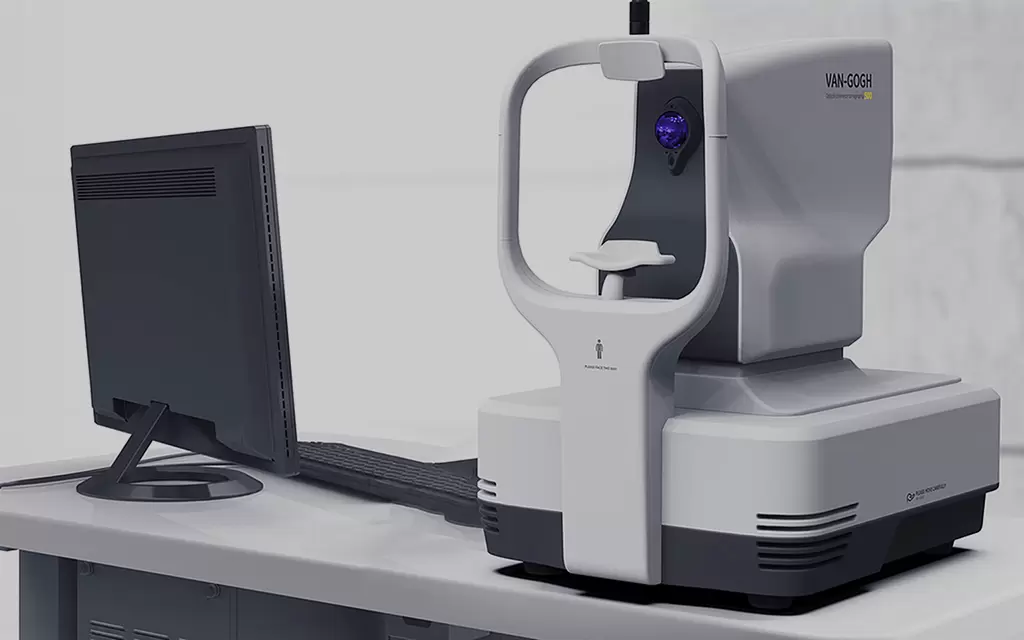
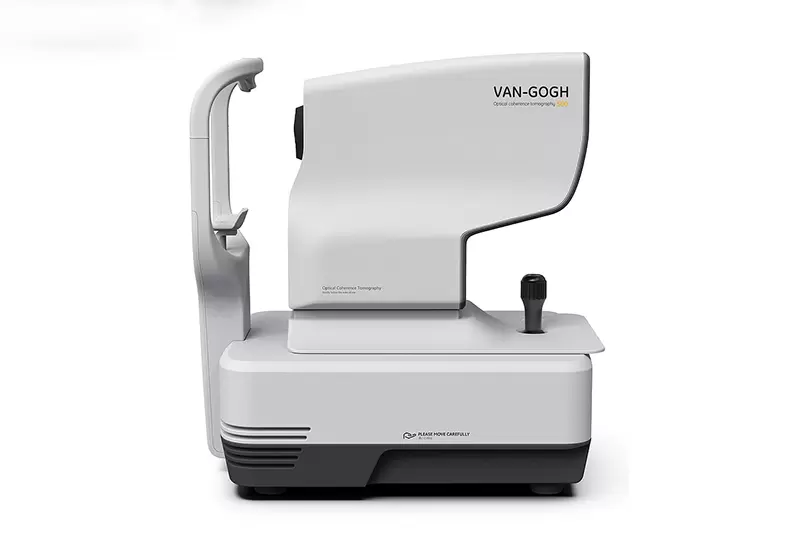
Simple and smooth lines: The overall design abandons complicated decorations and uses simple and smooth lines to outline the body contour. This design style not only conforms to the aesthetic trend of modern medical equipment pursuing simplicity and efficiency, but also gives people a professional and reliable visual experience, reducing patients' tension when facing medical equipment.
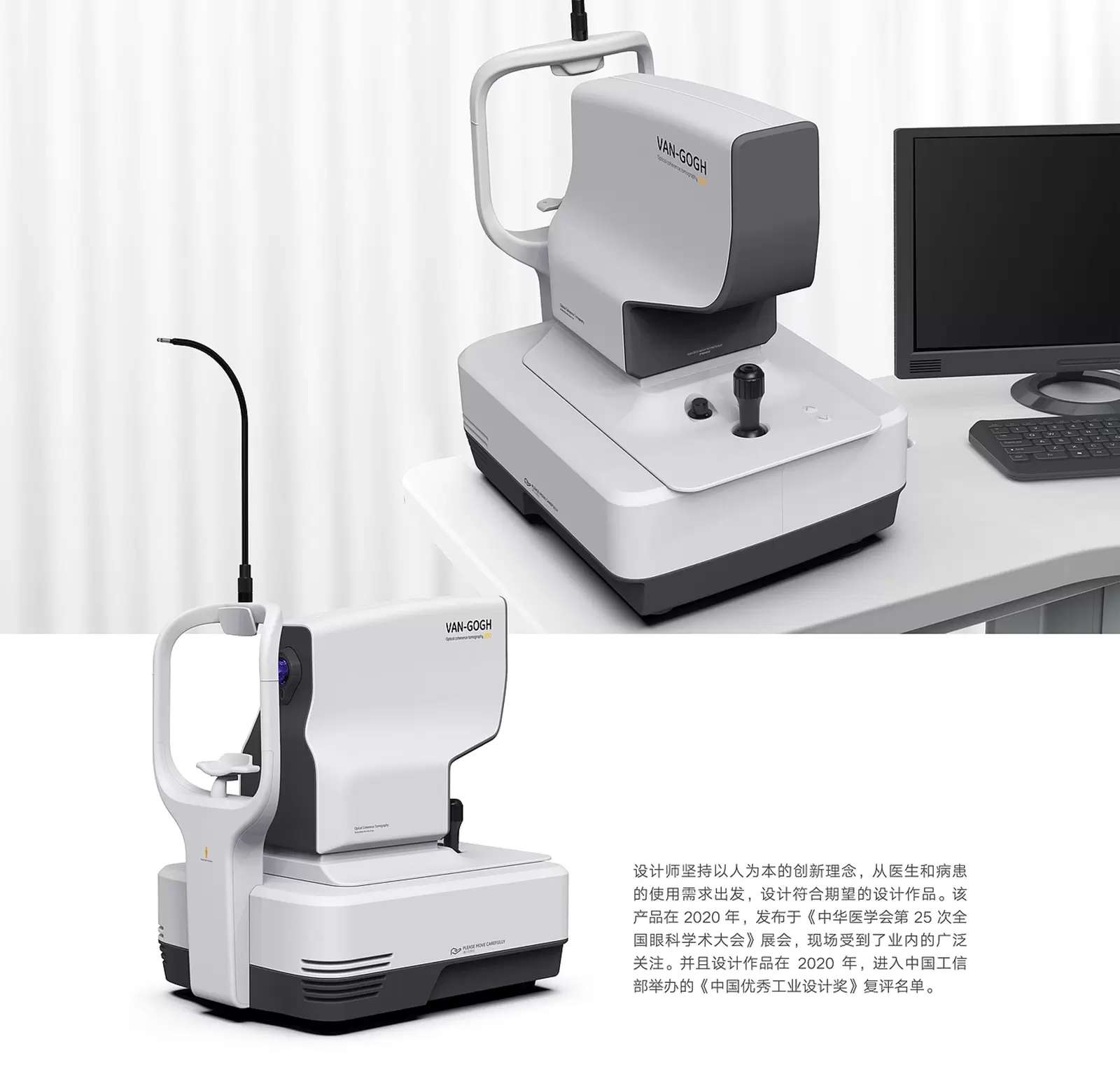
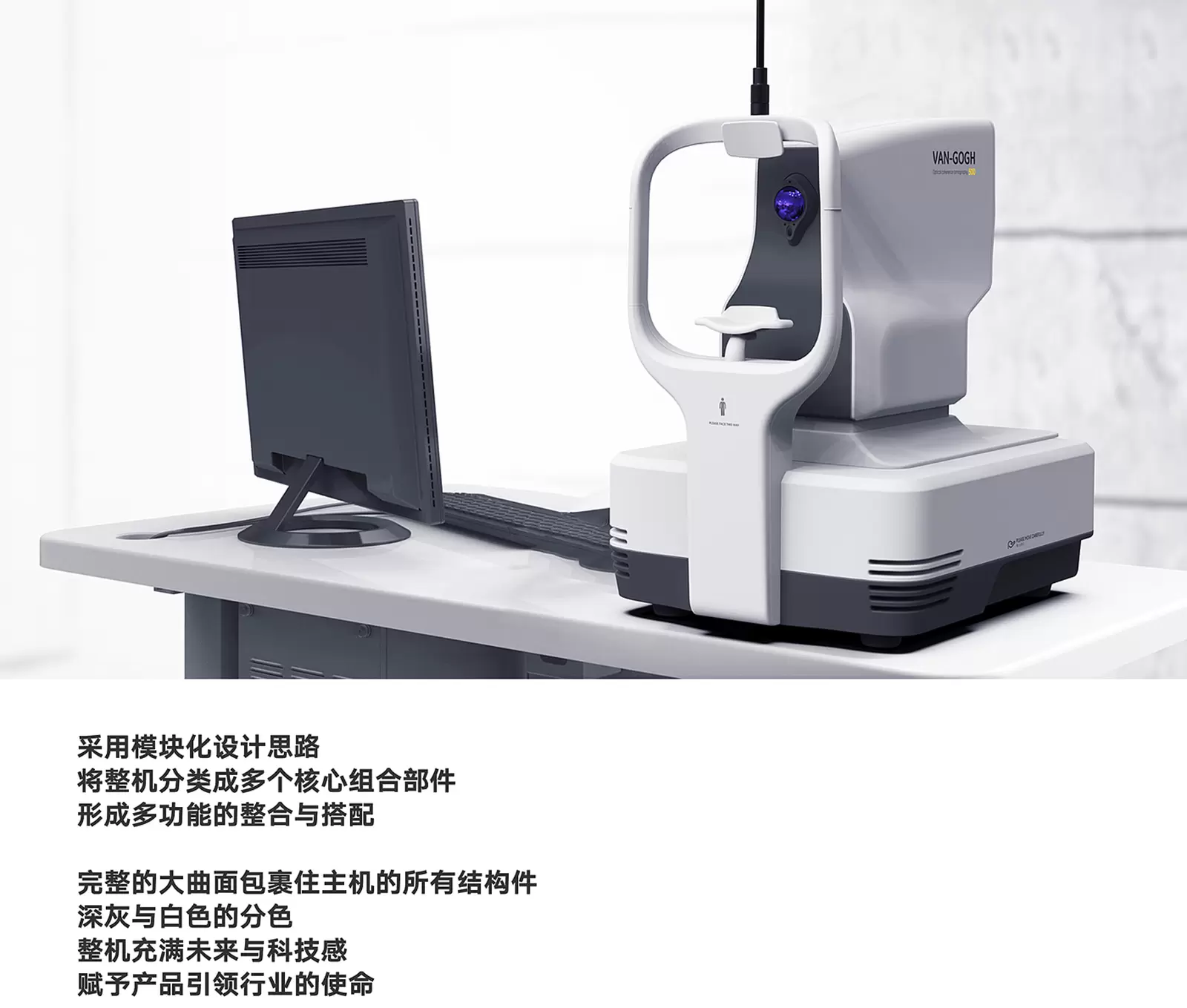
The use of large curved surfaces: By wrapping all structural components of the host with a complete large curved surface, this design technique makes the overall appearance of the machine more rounded and soft, giving a sense of comfort visually. At the same time, the design of the large curved surface also reduces the edges and corners of the equipment surface, reducing the risk of accidental collision injuries for medical staff and patients.
Color matching: The main colors are dark gray and white. Dark gray is steady and professional, representing the reliability and precision of the equipment; White is clean and pure, meeting the hygiene needs of the medical industry, creating a high-tech and futuristic atmosphere, and making it easier for equipment to integrate into the hospital environment.
2、 Ergonomic Design
Operation area layout: The control components such as operation knobs and buttons on the device are located in a reasonable position, usually within easy reach of the operator, in accordance with human operating habits. For example, the design of the operating lever conforms to the natural form of human hand grip, which can effectively reduce the fatigue caused by long-term operation of medical staff and improve work efficiency.
Observation area design: For parts that require medical staff to observe, such as scanning lenses, their height and angle are carefully designed to ensure that medical staff can maintain a comfortable posture during operation and reduce physical strain caused by improper posture.
Patient experience: The parts of the device that are used for patient contact, such as the bracket placed on the head, fully consider the human body shape and adopt an ergonomic design, allowing patients to maintain a comfortable posture during the examination process, relieve their tension, and improve the cooperation of the examination.
3、 Functional and structural design
Modular design: Adopting a modular design approach, the entire machine is classified into multiple core composite components, which facilitates the installation, debugging, maintenance, and upgrading of the equipment. Different functional modules can be flexibly combined and matched according to actual needs, which improves the universality and adaptability of the equipment and reduces maintenance costs in the later stage.
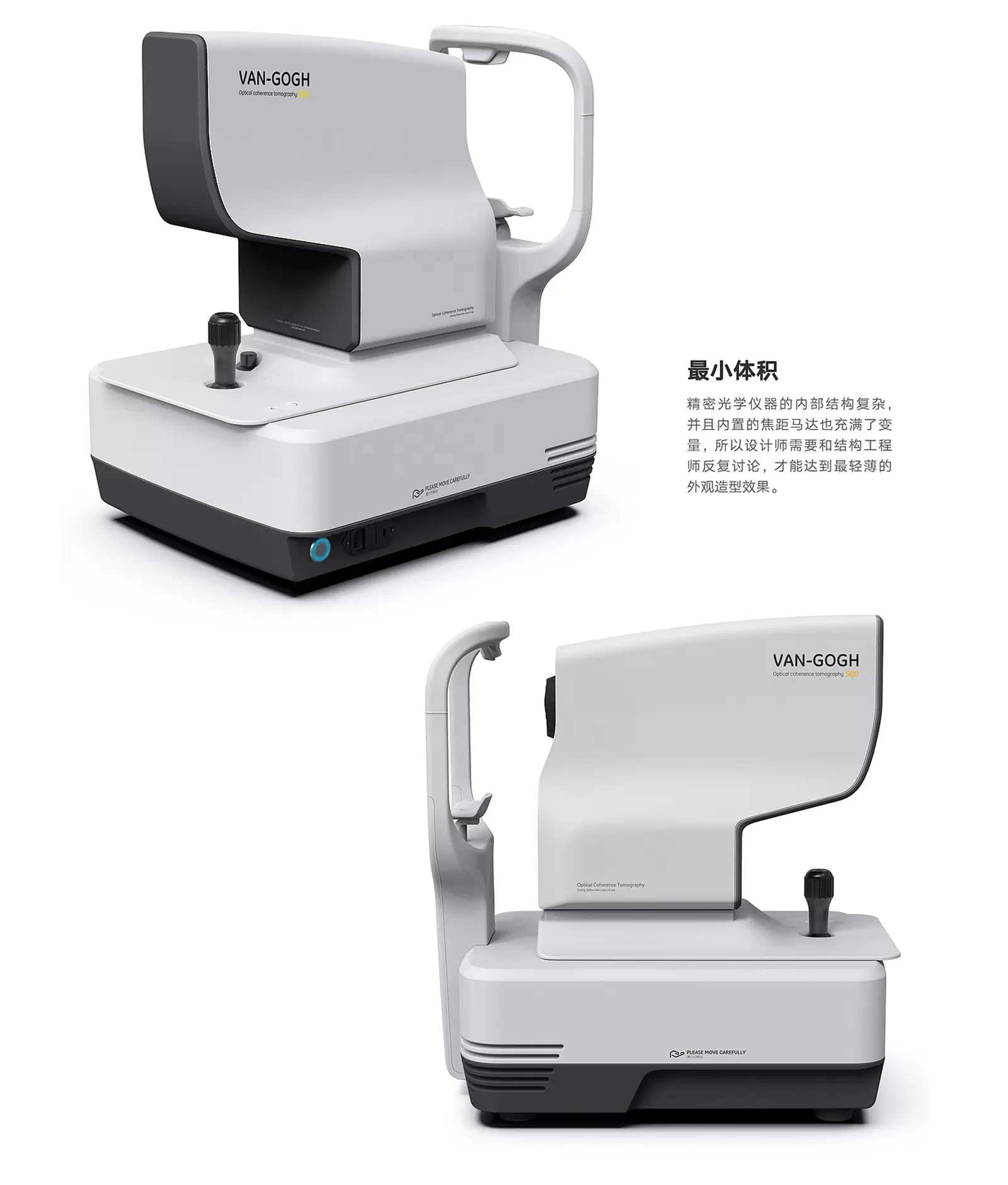
Internal structure optimization: As a precision optical instrument, its internal structure is complex. Designers and structural engineers communicate and coordinate repeatedly to minimize the equipment volume as much as possible while ensuring the normal operation of internal precision components. This achieves the smallest appearance effect, saves hospital space occupation, and facilitates the movement and placement of equipment.
Heat dissipation design: From the appearance, it can be seen that the bottom or side of the device is designed with heat dissipation holes to ensure that the electronic components and optical parts inside the device can effectively dissipate heat during long-term operation, maintain stable operation of the device, and extend the service life of the device.
4、 Material selection and process
Shell material: The shell may be made of high-quality engineering plastics or metal materials. Engineering plastics have the advantages of light weight, low cost, and easy molding, and can shape complex curved shapes; Metal materials can increase the robustness and durability of equipment, while enhancing its texture. The surface of the material is finely treated, such as sandblasting, painting, etc., which not only makes the appearance more beautiful, but also has the functions of wear resistance, corrosion resistance, and easy cleaning, meeting the hygiene requirements of medical equipment.
Optical component materials: For the internal optical components, high-precision and high stability optical materials are used to ensure the clarity and accuracy of scanned images. These materials undergo special processing and treatment techniques to ensure the stability and reliability of their optical properties.