Why CNC Precision Medical Components Are Critical in Modern Healthcare
Apr 24, 2026
1st Place: Spatial Panoramic AI Motion Camera (Next Generation Action)
Nowadays, sports cameras have already entered the outdoor, cycling, and diving crowd, but the vast majority of products still remain at the level of "recording images", and there is great room for real upgrade. Many people mistakenly believe that sports cameras are just portable cameras that are waterproof and anti shake, but their pain points have never changed: single person travel cannot capture multi angle shots, and post production splicing, color grading, and editing have extremely high barriers to entry.
A complete outdoor shooting plan in the past: multiple cameras, tripod, splicing software, and several hours of post production.
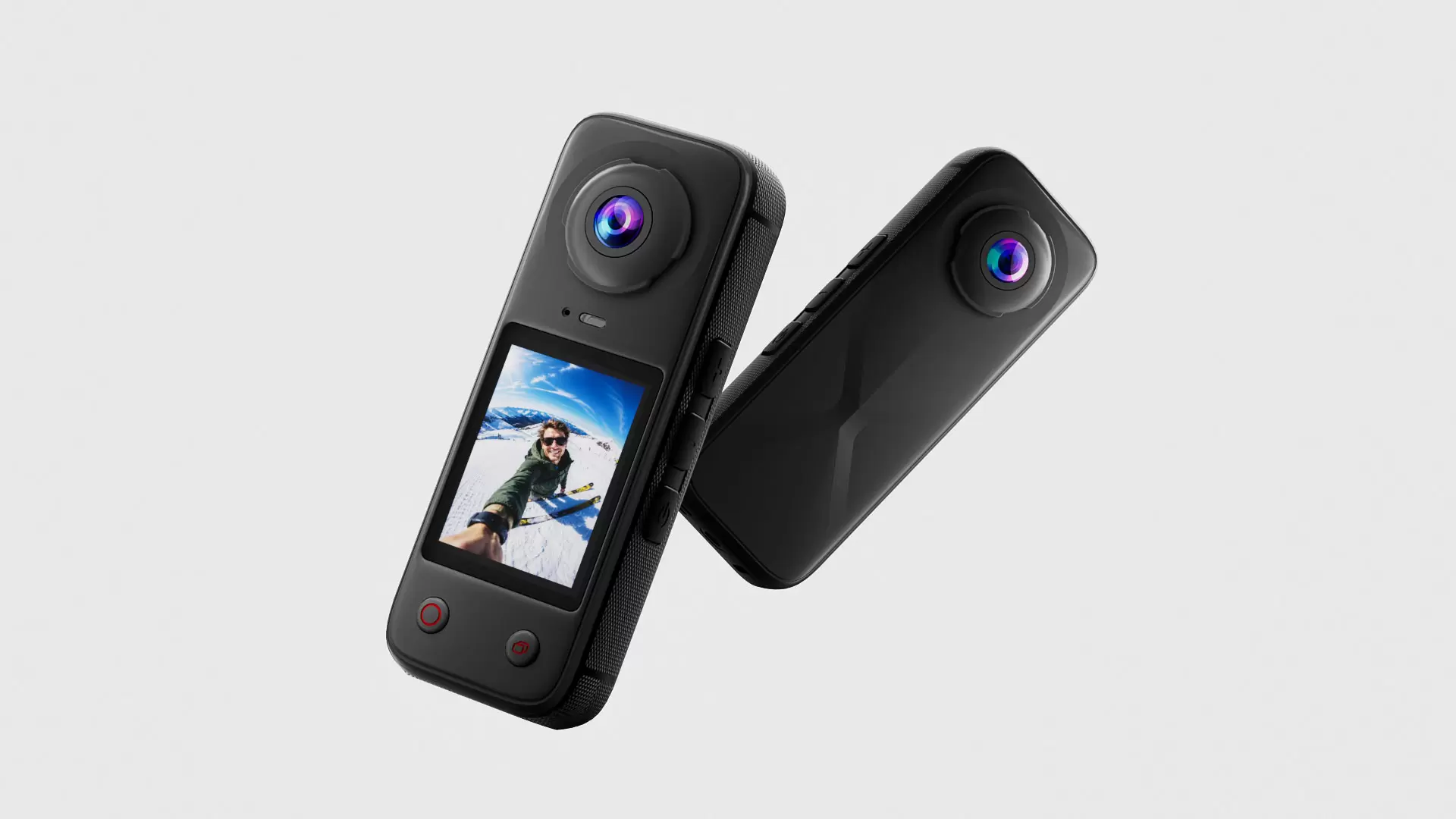
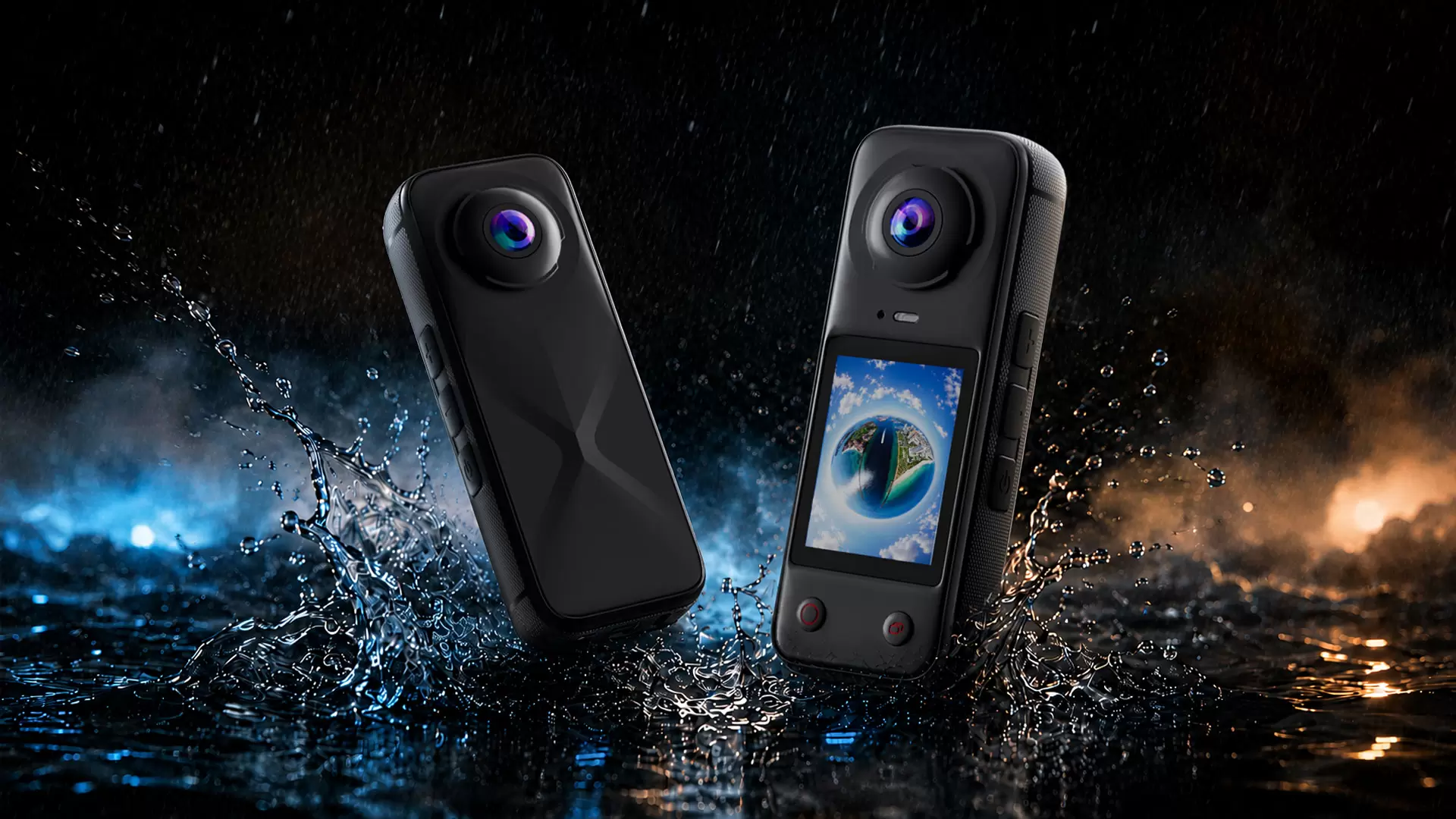
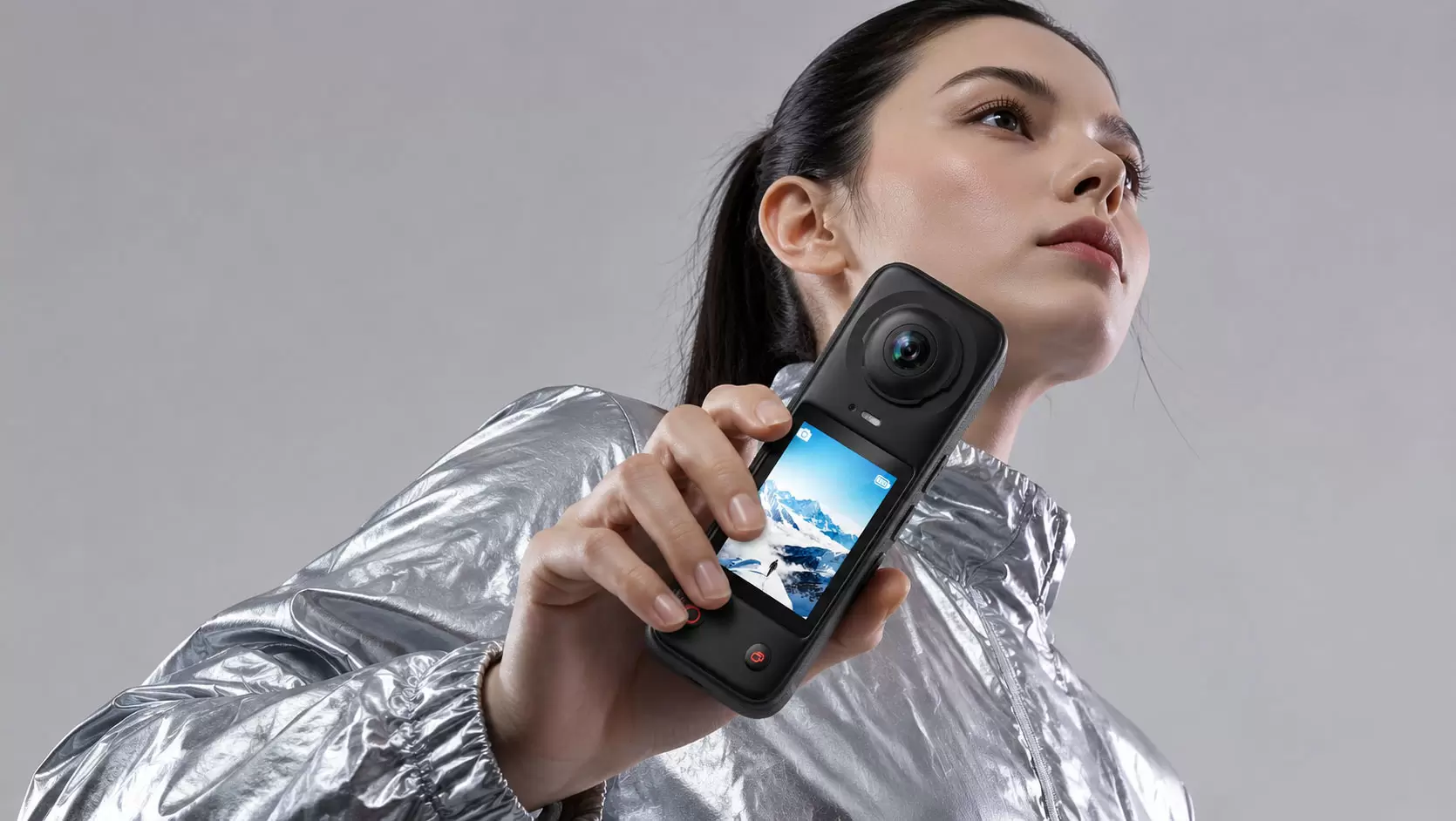
In the future, a panoramic AI motion camera will be able to handle everything. I have previously talked about the iteration direction of the Action series: 360 ° global automatic framing, AI dynamic storyboarding, exclusive mirror templates for cycling/skiing, intelligent obstacle avoidance, one click generation of immersive spatial short films, and real-time 8K color correction.
This type of product is never sold with waterproof casings and large sensor bases, but rather as a single person outdoor exclusive imaging studio. With the decrease in the cost of square bottom sensors and the deployment of AI computing power on the end side, the outdoor creator market will usher in a reshuffle as thousands of yuan level models can also implement a full set of spatial shooting functions.
Second place: Portable AI live streaming all-in-one machine
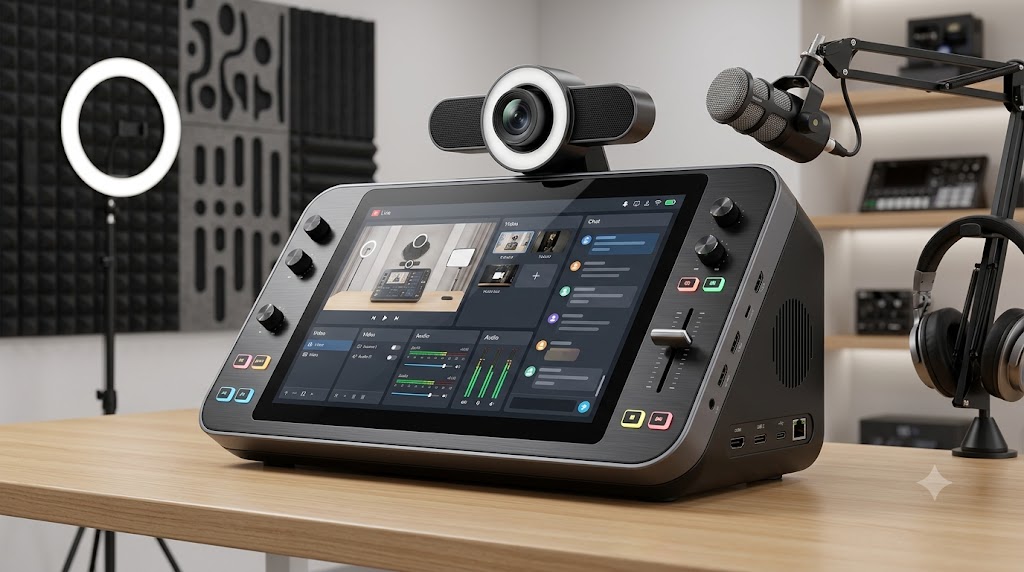
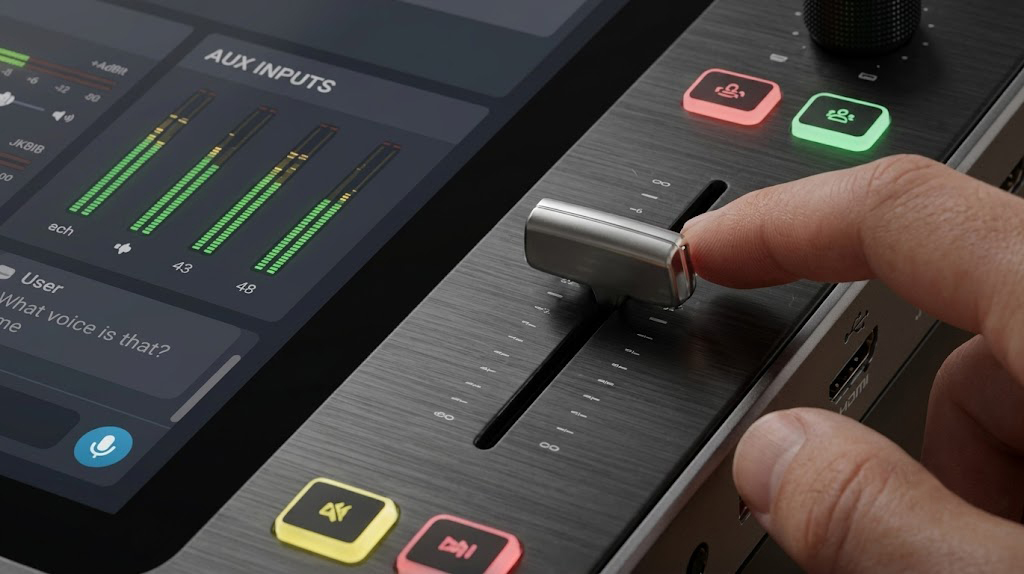
Short videos and local live streaming continue to explode, but the equipment configuration for ordinary creators is very complicated: mobile phones, fill lights, microphones, stabilizers, capture cards, and multi camera switching software. A complete set of equipment is costly and complex to debug. The portable AI live streaming all-in-one machine targets the pain points of small and medium-sized bloggers, physical stores, and store explorers. It does not require complex external accessories, and the body integrates multiple lenses, audio modules, and built-in AI chips. It supports automatic switching of character/product images, AI intelligent lighting, real-time subtitle generation, background blurring/replacement, automatic filtering of illegal images, and synchronized streaming across multiple platforms. You can start broadcasting without using a computer, and it comes with a massive collection of templates for exploring stores, dressing up, and live food broadcasts.
The essence is to compress the entire capacity of the live streaming room into palm sized devices, and give it to individual creators. The demand for offline physical traffic will continue to drive the growth of this track.
Third place: Modular interchangeable lens AI mirrorless (lightweight entry-level model)
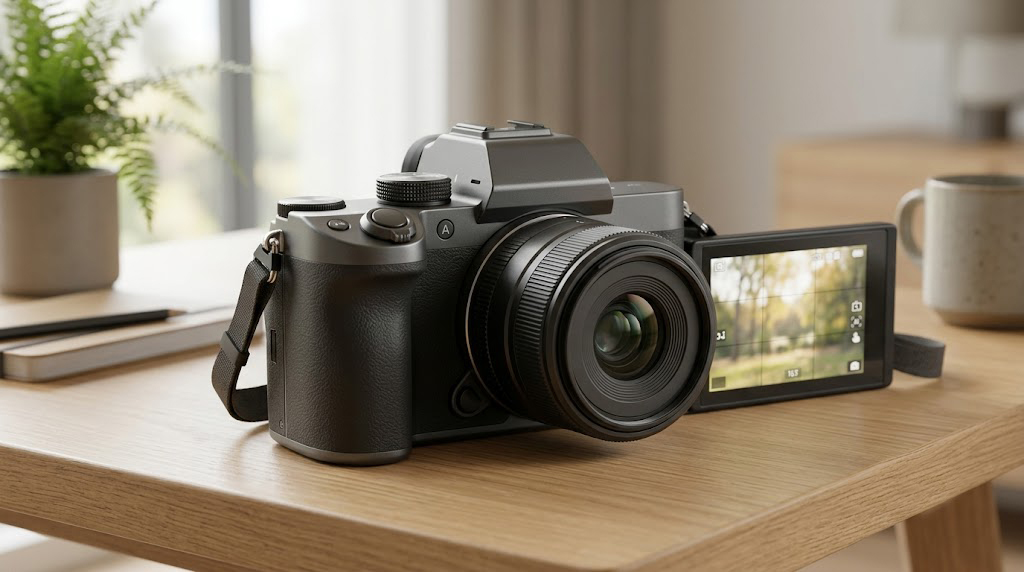
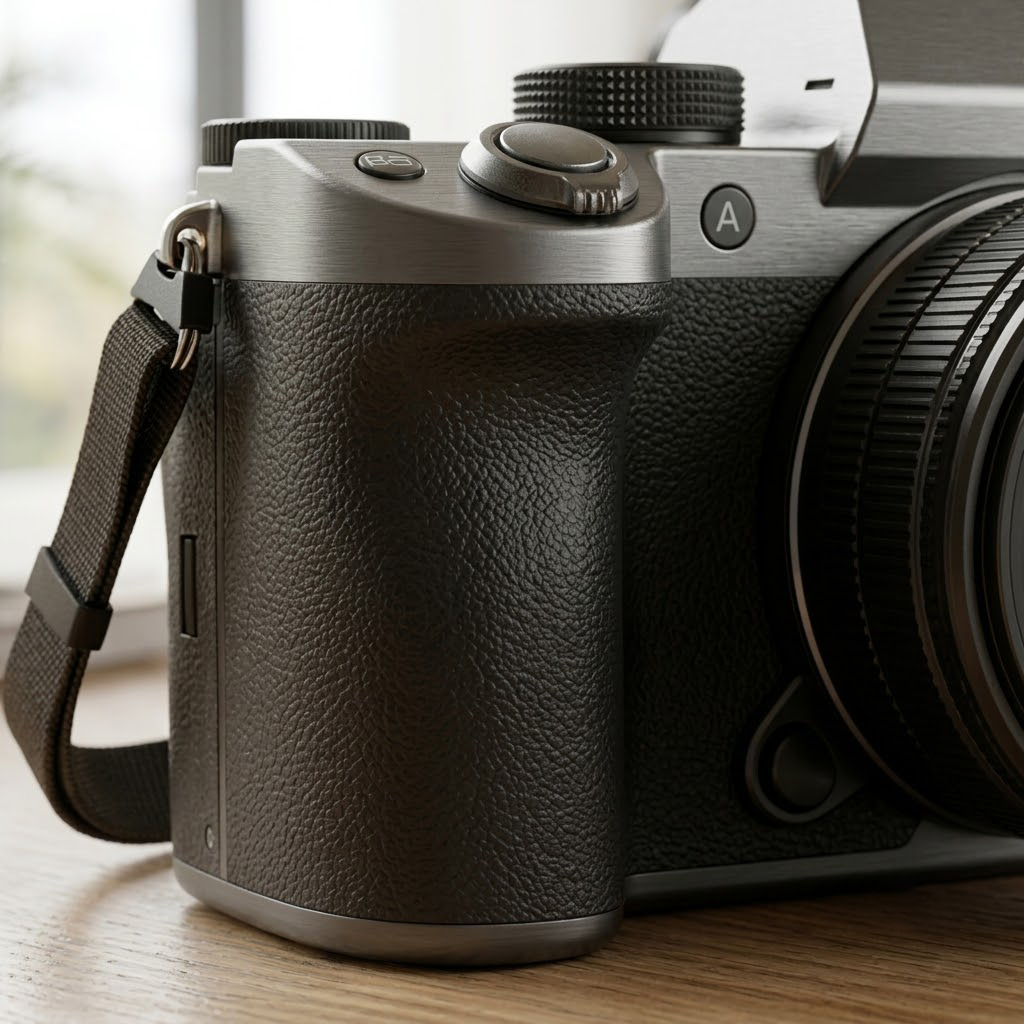
Traditional full frame mirrorless cameras are expensive, bulky, and require complex parameters for beginners to get started with; The image quality of the card machine is fixed, with no room for expansion, and there is a huge blank market between the two. The new generation of lightweight modular AI mirrorless camera features a slim and lightweight body, affordable interchangeable lenses, and AI as a competitive advantage rather than an additional function. Built in AI automatic metering, portrait optimization, intelligent landscape layering, video stabilization enhancement, RAW format AI one click photo editing, and text commands to switch shooting modes.
Without delving into photography theory, ordinary people can still capture high-quality photos and videos. IDC data shows that the shipment volume of mid-range imaging equipment continues to rise, with full frame models priced under 6000 yuan being launched in bulk. The modular and lightweight route will seize the novice photography market.
Fourth place: Car mounted AI panoramic image recorder
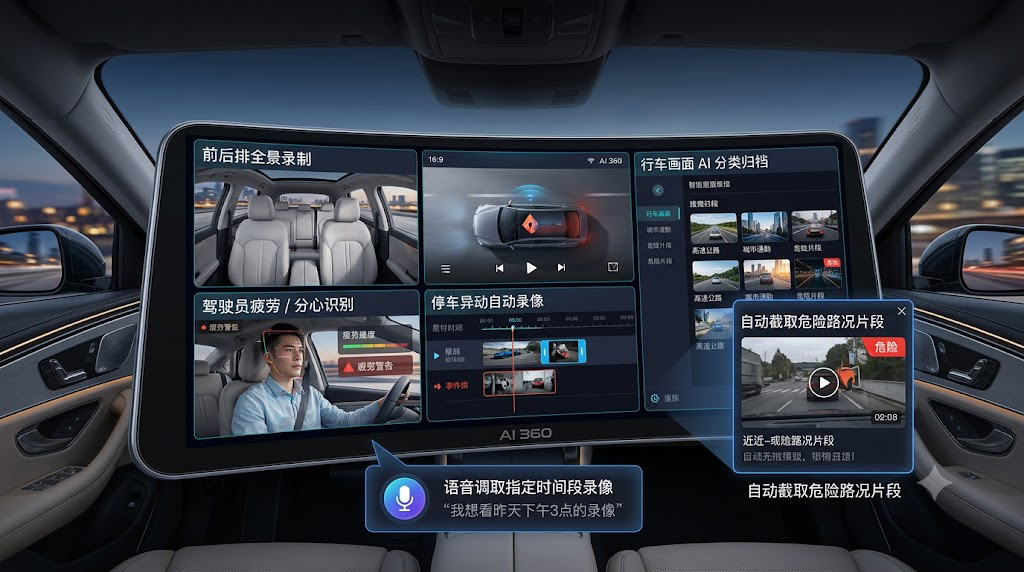
Ordinary driving recorders only record road images and have a single function, used for evidence collection; Car mounted AI panoramic imaging recorder redefines the value of in car imaging. The body is equipped with a multi-directional ultra wide angle lens, coupled with local edge AI computing, a minimalist design without a screen, and 24-hour low-power duty. Abilities: panoramic recording of front and rear rows, recognition of driver fatigue/distraction, automatic recording of parking movements, AI classification and archiving of driving images, voice retrieval of time period recordings, and automatic capture of dangerous road segments.
In addition to evidence collection, it can also retain the travel images of the whole family, and AI automatically organizes travel image albums, meeting the dual needs of safety and life records. The increasing penetration rate of smart cars will continue to drive demand in this category.
Fifth place: Desktop AI Multi camera Creation Camera
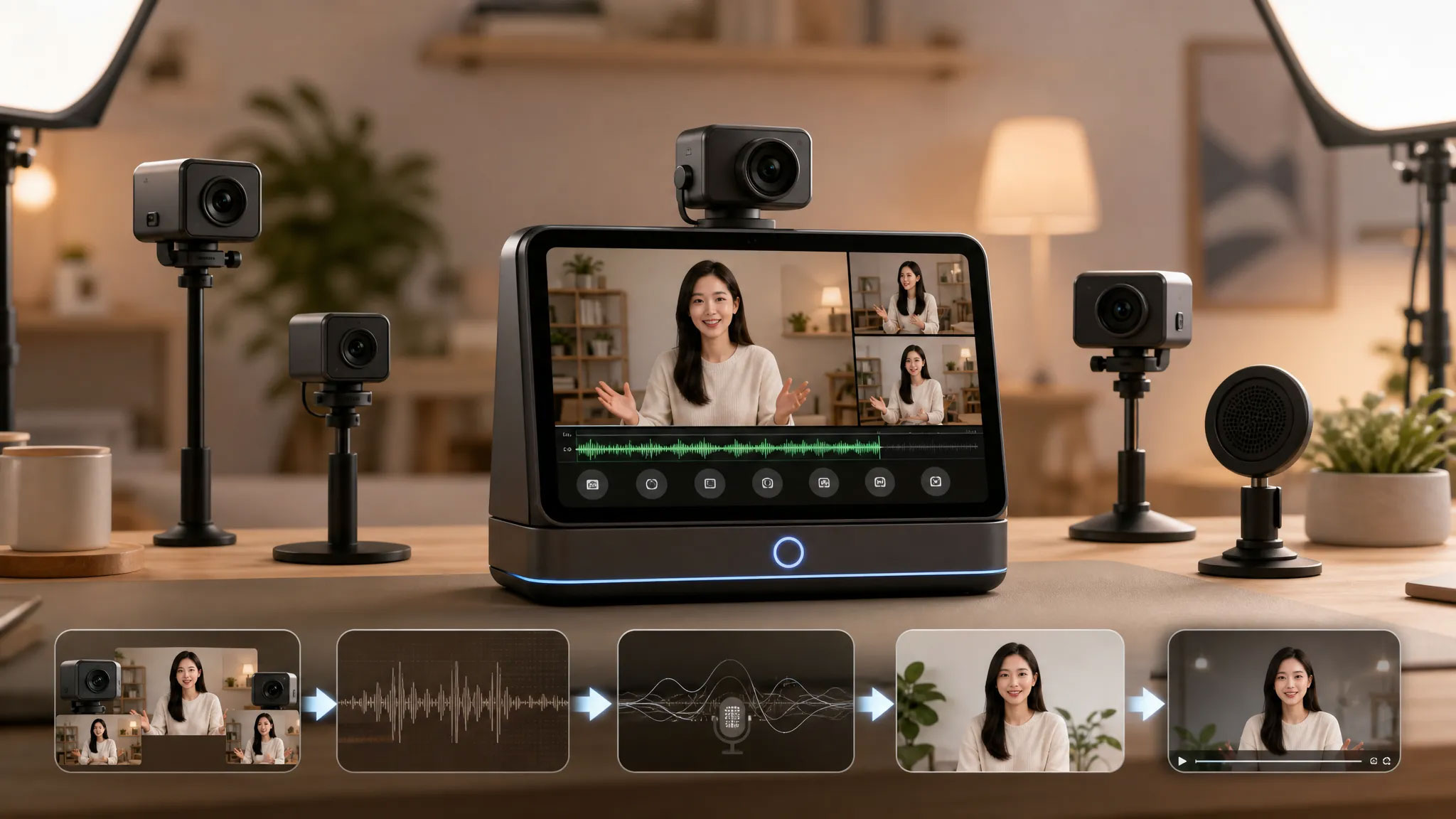
The essential categories of home bloggers, knowledge bloggers, and online lecturers currently have very little market supply. The traditional solution requires multiple mobile phones, stands, and collection devices to switch back and forth, which is cumbersome to operate; The desktop AI multi camera is equipped with a main lens, overhead lens, and portrait sub lens, and the AI automatically recognizes the shooting subject and switches between images. Suitable for online courses, handicrafts, food, and digital assessment scenarios: automatic focusing of the camera for capturing people's images, automatic top-down shooting for displaying products, recognition of gestures to automatically switch lenses, and zooming in and out of the screen.
Equipped with AI subtitles, noise reduction and background purification, without the need for editing software, recording can be directly output into a video, solving the pain points of messy and difficult switching of single person creative devices at home.
Sixth place: AR Space Camera (NeRF Real Scene Reconstruction)
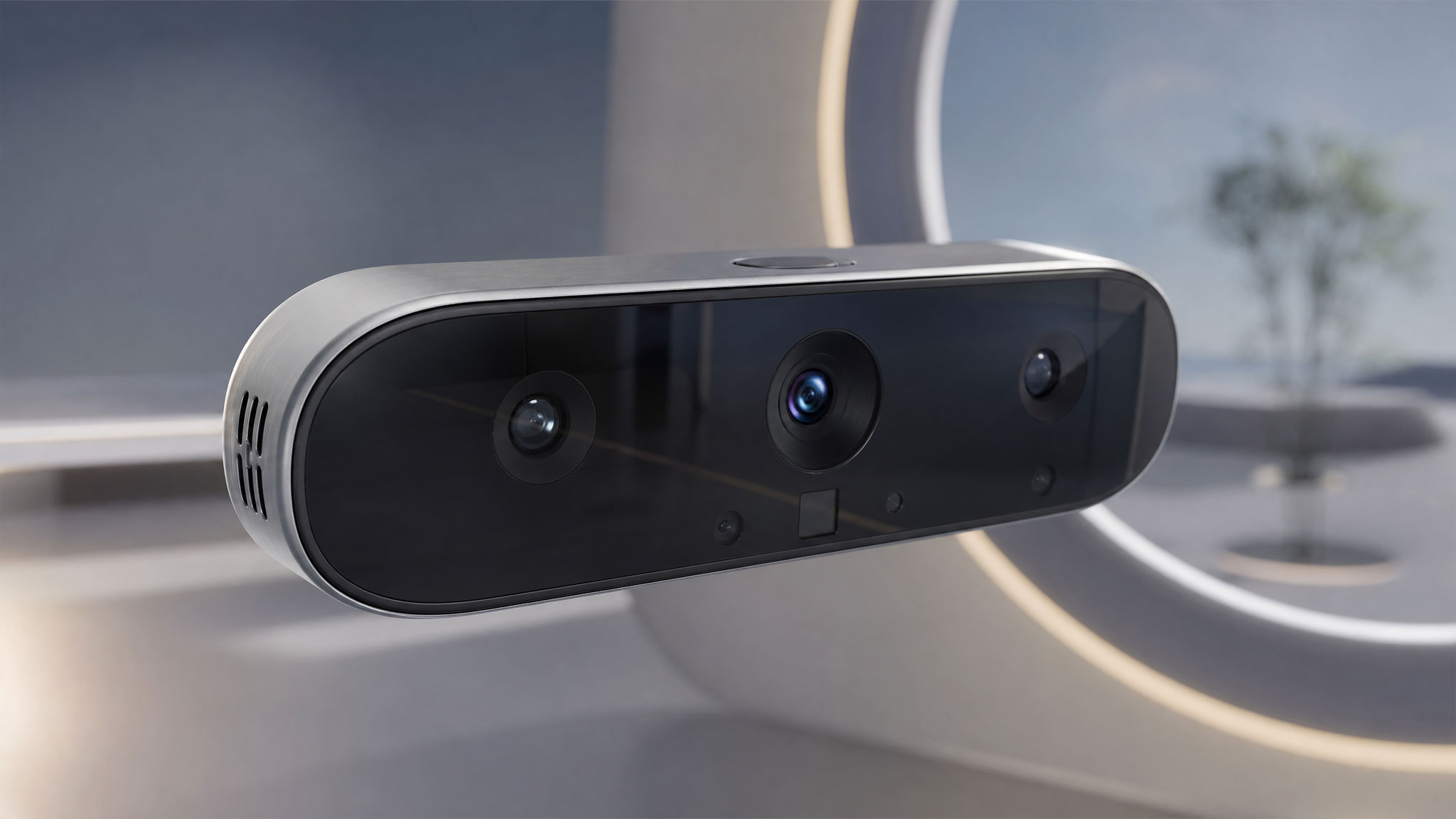
The current demand for spatial imaging, VR viewing, and virtual store exploration, coupled with the cost of reconstruction equipment, amounts to hundreds of thousands of yuan, which ordinary people cannot access. The lightweight AR space shooting camera focuses on civilian grade NeRF real scene reconstruction, and can automatically generate 3D real space models by holding and slowly surrounding the camera for shooting. Application scenarios cover home store exploration, handmade collectibles, homestay display, online virtual exhibition halls, AI automatically completes images, corrects lighting and shadows, compresses model files, and shares 3D roaming links with just one click.
Without the need for modeling knowledge, ordinary businesses and enthusiasts can independently create spatial images, which are the imaging tools for future online displays and belong to the forward-looking long-term track.
Seventh place: Wearable AI Memory Recorder (Personal Portable Memory Terminal)
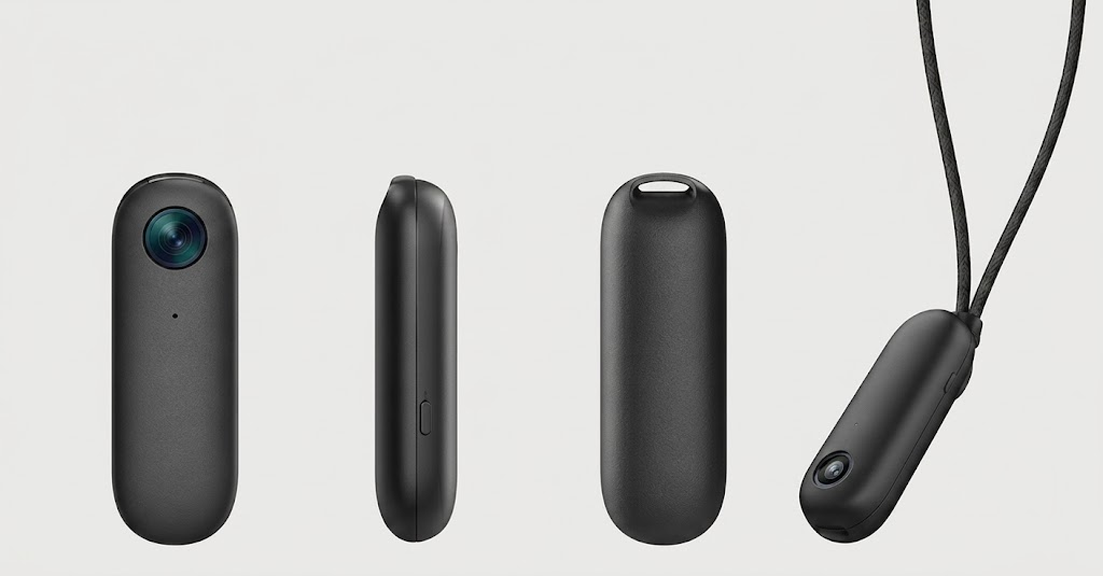
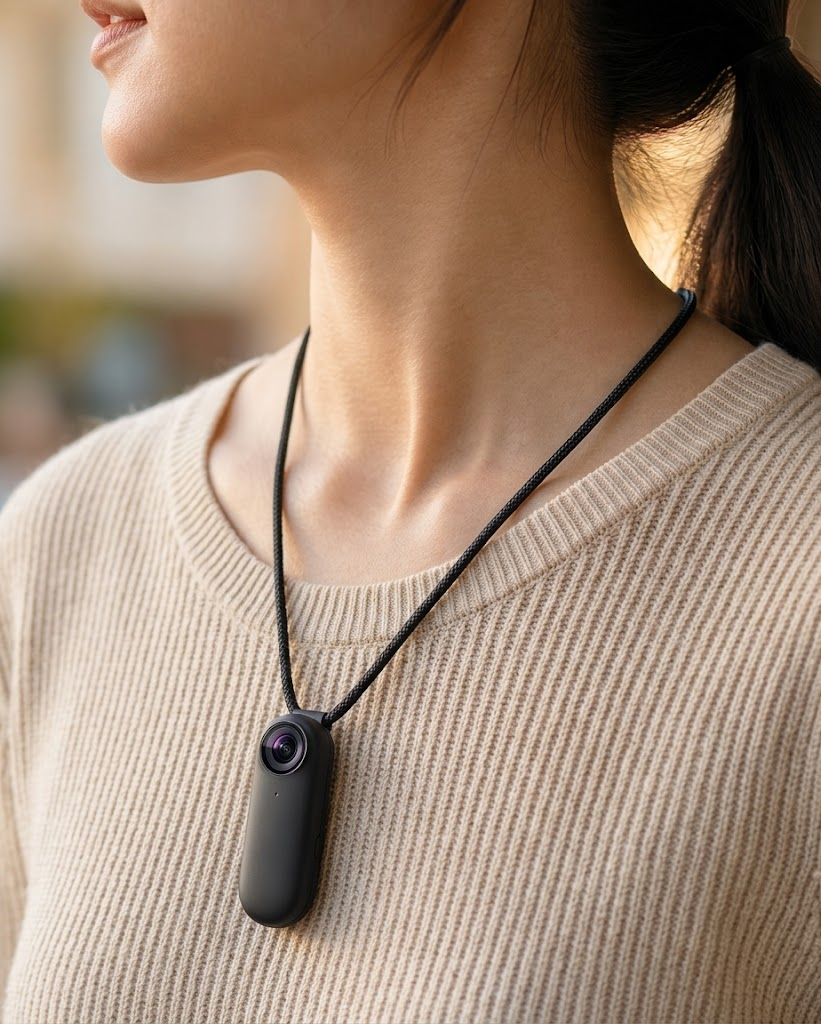
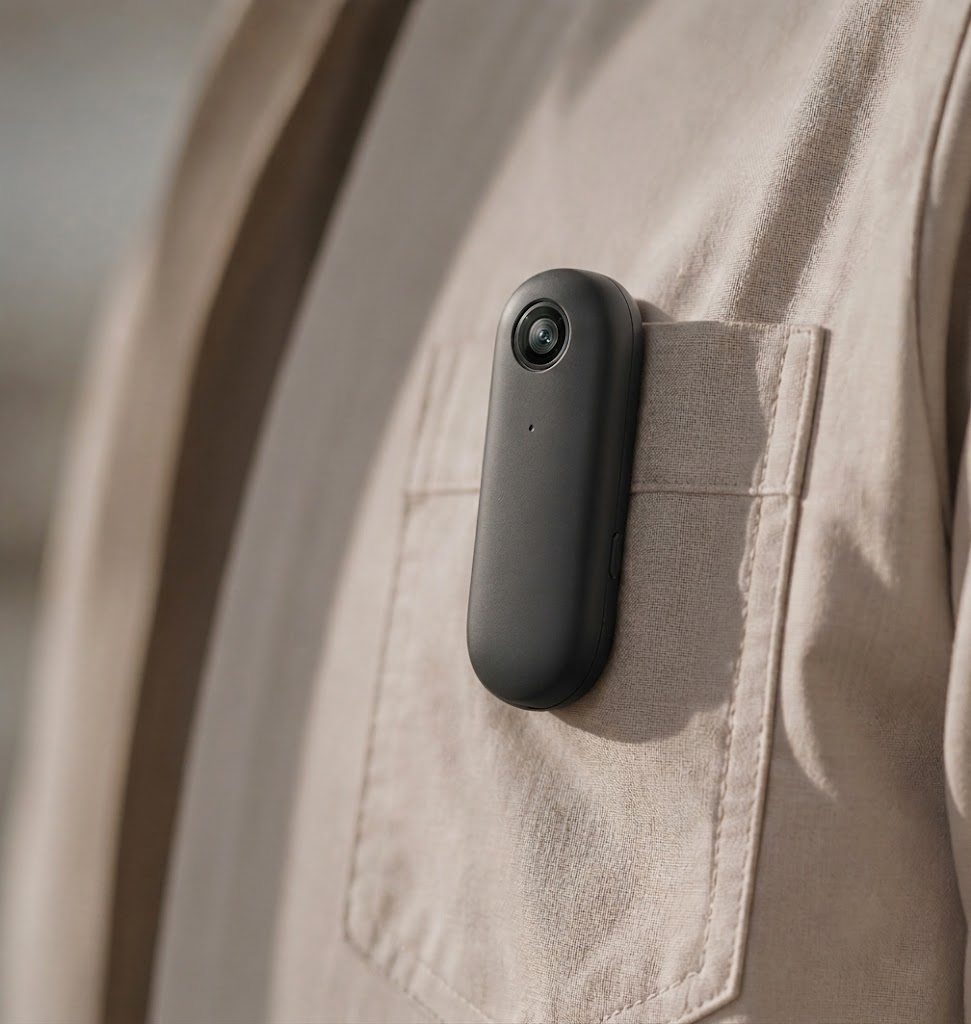
I am optimistic about this track in the long run, and its potential is not inferior to AI shooting glasses. It is a completely new image carrier that is completely different from traditional cameras. No display screen, minimalist body, lightweight and wearable, low-power all-weather recording of images and audio, relying on local AI to complete information analysis, classification, and retrieval. Addressing the pain points of human memory forgetting: students wear it during class, AI distinguishes the key points explained by the teacher, automatically retains classroom audio and video, and retrieves knowledge points after class; Automatically record conversations during workplace meetings and negotiations, and categorize and archive them by project and name; Automatically mark locations and companions for daily travel, forming a complete personal life memory bank. In the future, with just one voice command: "When was the project proposal communicated with the client last month?", AI can retrieve the corresponding segment.
It has long exceeded the scope of cameras and is an external memory brain for humans, reshaping the way people interact with life information.
Discuss the underlying logic of AI imaging hardware
Many manufacturers are eager to pursue "disruptive products" and blindly pile up hardware, ignoring the real pain points of users. When making AI imaging hardware, the logic remains unchanged: AI is a long board, hardware cannot have any shortcomings, first solve a user's clear "dissatisfaction point", and then talk about innovation. The imaging industry has long bid farewell to the era of simply competing in pixels and format. In the next three years, the competitiveness of all new products will depend on AI's full chain capabilities: automatic shooting, automatic editing, intelligent retrieval, and scene based creation. We don't need to stick to the traditional product form of cameras. We need to reconstruct hardware around the four major needs of "recording, creation, retention, and interaction" in order to seize the next round of consumer image dividends.