The Role of OEM Manufacturers in Smart Device Innovation
May 25, 2026
In today’s competitive manufacturing environment, product developers face increasing pressure to create products that are smaller, smarter, more reliable, and faster to market. For electronic devices, communication equipment, automotive components, medical devices, and AI hardware, thermal performance has become one of the most important factors affecting product reliability and user experience.
As electronic components become more powerful and compact, heat management is no longer something that can be solved after product development is complete. Engineers need to understand thermal behavior during the early design stage to prevent overheating, improve efficiency, and reduce unnecessary redesign cycles. This is where thermal simulation plays a critical role.
Thermal simulation allows engineers to predict heat distribution, identify potential thermal risks, and optimize cooling structures before physical prototypes are manufactured. By combining simulation technology with advanced manufacturing capabilities, companies can develop products that achieve better performance, longer service life, and improved reliability.
Thermal simulation is an engineering analysis method that uses computer-aided tools to predict how heat moves through a product or system. It evaluates factors such as temperature distribution, heat flow, thermal resistance, airflow, and cooling efficiency.
During product development, engineers use thermal simulation to analyze how components generate and transfer heat under different operating conditions. For example, in an electronic enclosure, simulation can show whether heat from processors, batteries, or power modules can be effectively transferred away from sensitive components.
Traditional product development often relied heavily on physical prototypes and repeated testing. While prototypes remain important, relying only on physical testing can increase development time and create additional manufacturing costs. Thermal simulation provides valuable insights earlier, allowing engineers to make better design decisions before moving into production.
One of the biggest benefits of thermal simulation is reducing design risks before manufacturing begins.
Many product failures are related to insufficient heat management. Excessive temperature can shorten component lifespan, reduce performance, cause unexpected shutdowns, or even damage critical parts. These problems can be difficult and expensive to correct after tooling and mass production have started.
Through thermal analysis, engineers can identify possible hotspots and optimize product structures before production. For example, they can adjust heat sink designs, improve ventilation paths, modify material selection, or redesign internal layouts.
This proactive approach helps manufacturers avoid late-stage modifications and creates a more predictable product development process.
Effective thermal management is essential for modern products, especially devices with high computing power and compact structures.
Thermal simulation helps engineers understand how different cooling solutions perform under real operating conditions. By analyzing airflow, heat transfer paths, and material properties, designers can select the most suitable thermal solutions for specific applications.
For example, a high-performance communication device may require a combination of aluminum housing, thermal interface materials, and customized heat sinks. Through simulation, engineers can evaluate whether these solutions provide sufficient cooling capacity without increasing unnecessary size or weight.
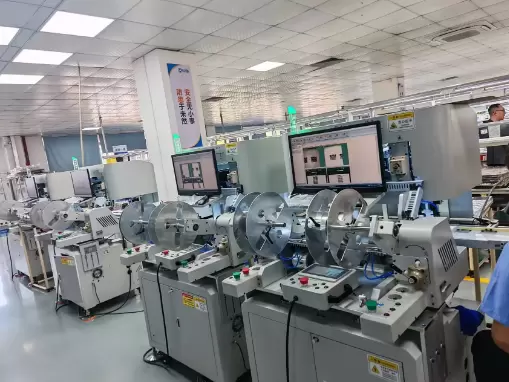
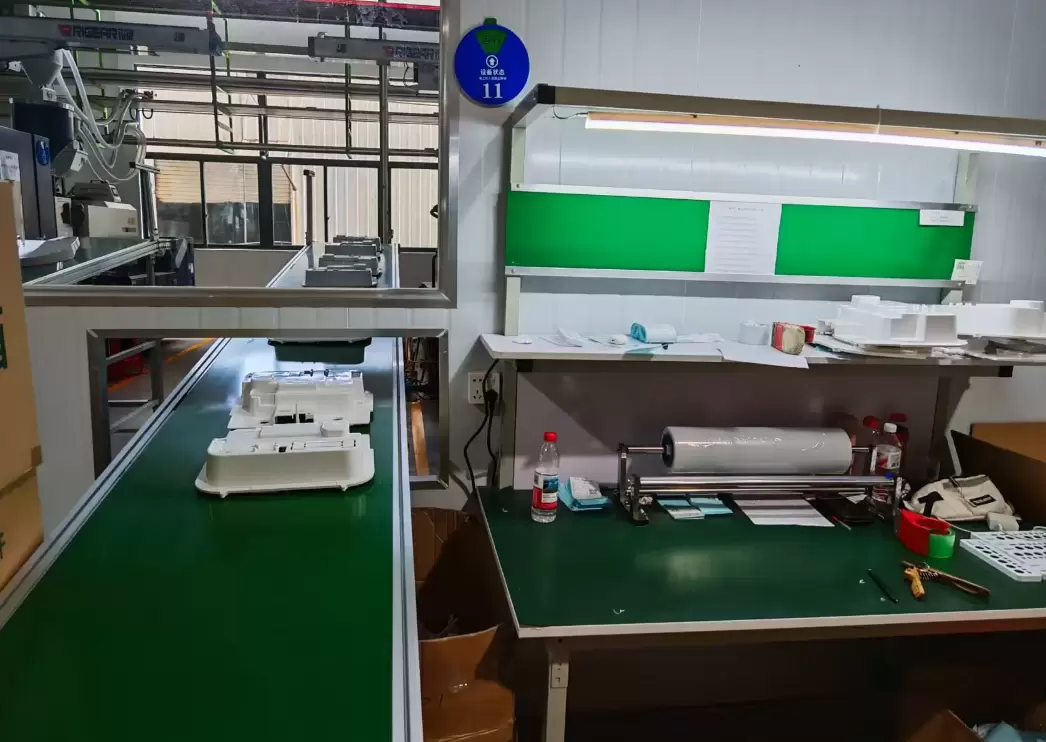
SOGOOD provides integrated manufacturing solutions covering product design, thermal simulation design, precision hardware, and thermal management solutions. The company specializes in developing enclosures, accessories, auxiliary materials, and heat dissipation components for industries including electronics, telecommunications, automotive, medical equipment, and artificial intelligence applications.
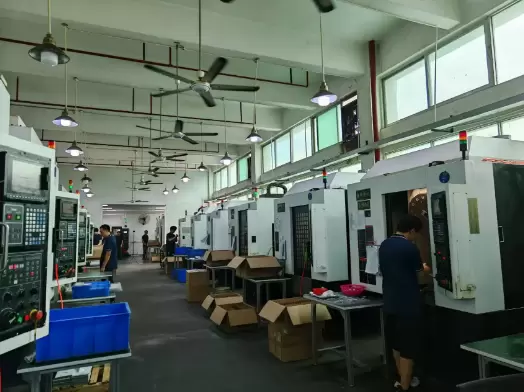
With experience in metal nano molding technology and CNC precision machining, SOGOOD helps customers transform thermal concepts into manufacturable products. More information about their engineering and manufacturing capabilities can be found through their service solutions.
Time-to-market is a major factor influencing business success. Companies that can develop and launch reliable products faster often gain a stronger competitive advantage.
Thermal simulation reduces the number of physical prototype iterations required during development. Instead of producing multiple versions to test different thermal designs, engineers can evaluate various solutions digitally and select the most effective option earlier.
This allows development teams to focus resources on optimizing final designs rather than repeatedly solving avoidable problems.
For OEM and ODM projects, faster design validation is especially valuable. Customers often need customized solutions with strict performance requirements. Thermal simulation enables manufacturers to respond more efficiently while maintaining product quality.
Modern product design trends focus on smaller dimensions, lower weight, and higher functionality. However, compact designs often create greater thermal challenges because components are placed closer together and heat has fewer paths to escape.
Thermal simulation helps engineers balance performance and size requirements. Instead of simply adding larger cooling components, designers can analyze the actual thermal needs and create optimized structures.
For example, in portable electronic devices, unnecessary thermal materials can increase product weight and manufacturing complexity. Simulation allows engineers to determine where thermal solutions are truly needed and where designs can be simplified.
This approach supports innovative product development while maintaining reliability.
Material selection plays an important role in thermal management. Different materials have different thermal conductivity, strength, weight, and manufacturing characteristics.
Thermal simulation allows engineers to compare material options before production. Aluminum alloys, copper components, thermal plastics, and advanced heat dissipation materials can be evaluated based on their ability to manage heat.
For manufacturers using advanced processes such as CNC machining and metal nano molding, simulation helps ensure that selected materials meet both thermal and structural requirements.
SOGOOD’s engineering team combines thermal analysis experience with manufacturing expertise to provide customized solutions. The company’s engineers have extensive experience in metal nano molding and CNC machining, with technical backgrounds developed through years of work in advanced manufacturing environments.
A reliable product must maintain stable performance throughout its expected operating life. Thermal problems are among the most common causes of product degradation, especially in industries where equipment operates continuously.
Thermal simulation supports better reliability by helping engineers predict long-term temperature behavior and improve cooling strategies. This is particularly important for applications such as automotive electronics, medical devices, AI computing systems, and communication infrastructure.
By integrating thermal analysis into the design process, manufacturers can create products that perform consistently under demanding conditions.
SOGOOD follows an international-standard quality management system, with products certified under ISO9001 requirements. The company works closely with customers to ensure that designs meet performance expectations from initial concept development to final production.
Product development involves multiple teams, including industrial designers, structural engineers, thermal engineers, and manufacturing specialists. Effective communication between these teams is essential for successful product launches.
Thermal simulation provides clear technical data that helps different teams understand design requirements. Instead of relying only on assumptions or trial production results, teams can make decisions based on measurable analysis.
This improves collaboration and reduces misunderstandings between engineering and manufacturing departments.
SOGOOD’s team includes experienced industrial designers, structural engineers, and mold engineers. Some core members previously participated in the design teams behind well-known mobile products such as Motorola A1200 and A1600. Their experience in industrial innovation enables them to provide comprehensive support for complex product development projects.
As industries continue moving toward intelligent, connected, and high-performance products, thermal management will become even more important. Artificial intelligence hardware, electric vehicles, smart devices, and advanced communication systems all require more efficient heat control solutions.
Thermal simulation will continue to play a key role in helping companies develop reliable products while reducing engineering uncertainty.
However, simulation is most effective when combined with practical manufacturing knowledge. A successful product requires not only accurate analysis but also the ability to turn designs into high-quality components.
Companies that integrate thermal simulation, precision manufacturing, and engineering expertise can achieve better results throughout the entire product development process.
Thermal simulation has become an essential tool for modern product development. It helps engineers reduce design risks, improve heat dissipation, shorten development cycles, optimize materials, and create more reliable products.
For companies developing advanced electronic, automotive, medical, communication, and AI-related products, integrating thermal analysis into the early design process can significantly improve product performance and manufacturing efficiency.
With expertise in thermal simulation design, CNC precision machining, metal nano molding, and customized manufacturing solutions, SOGOOD supports global customers in developing innovative products from concept to production. Through professional engineering capabilities and reliable manufacturing processes, SOGOOD helps businesses achieve smoother product development and long-term market success.