How CNC Machining Enables High-Precision Medical Components Manufacturing
Jan 16, 2026
Modern healthcare depends heavily on precision, reliability, and innovation. Behind every successful surgical procedure, diagnostic device, or life-support system lies a network of highly engineered components working seamlessly together. Among these, CNC (Computer Numerical Control) precision medical components have become indispensable. From minimally invasive surgical tools to advanced imaging systems, CNC machining plays a vital role in ensuring performance, safety, and consistency.
This article explores why CNC precision medical components are so critical in today’s healthcare landscape, and how advanced manufacturing partners like SOGOOD are helping drive the industry forward.
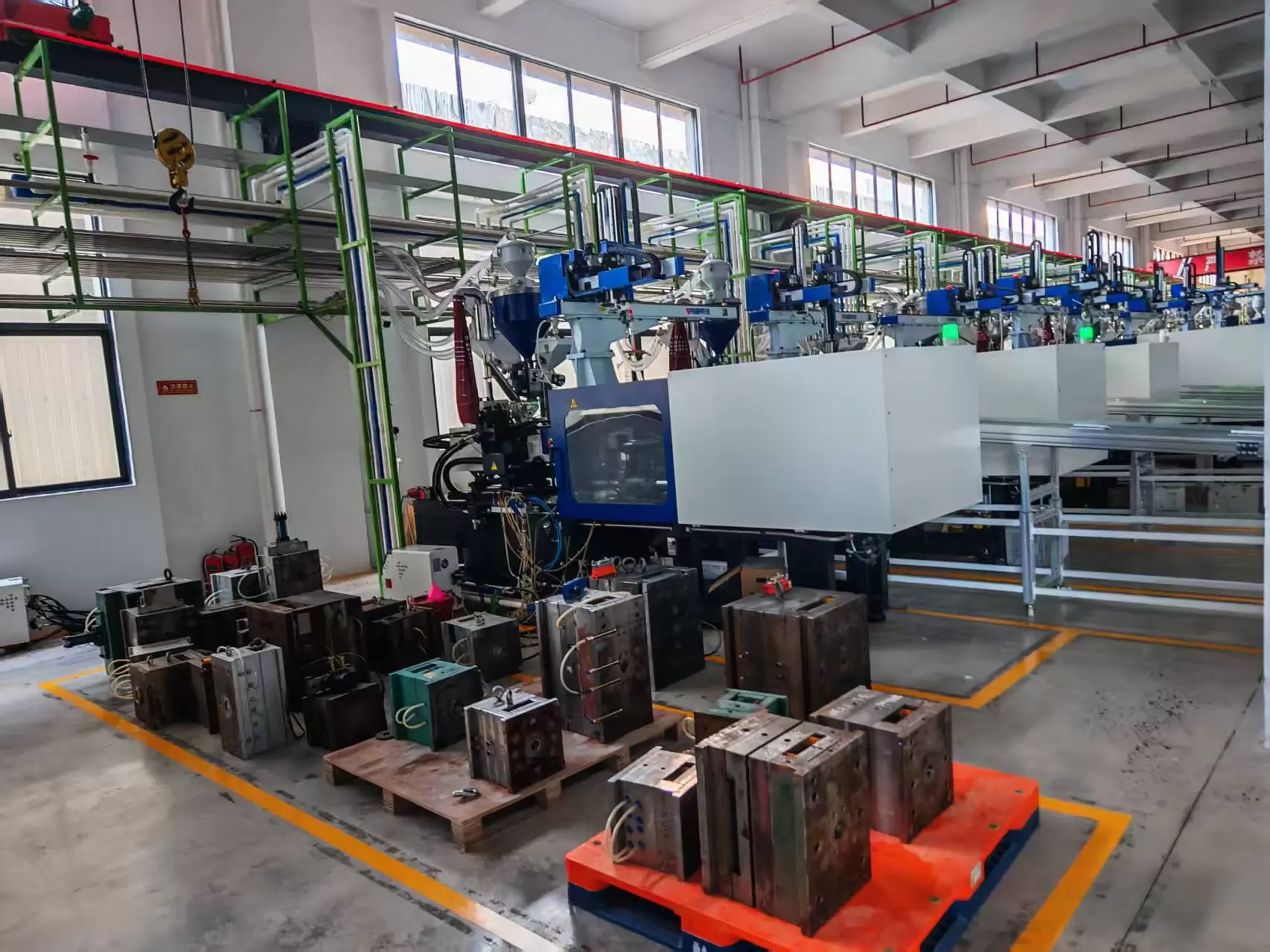
Healthcare technologies are evolving rapidly. Devices are becoming smaller, more complex, and more integrated. For example, implantable devices such as pacemakers, orthopedic implants, and dental components require micron-level accuracy to function properly within the human body.
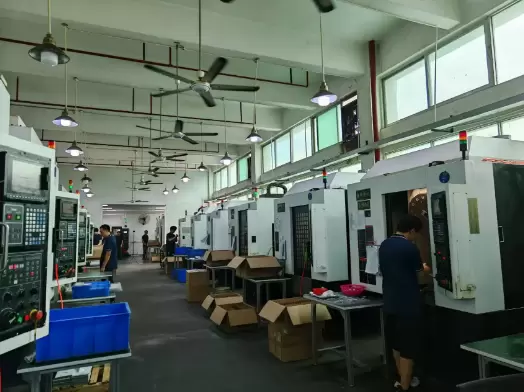
Even minor deviations in dimensions can lead to device failure, patient discomfort, or serious medical complications. CNC machining offers the level of precision required to meet these stringent demands. With tolerances often within ±0.001 mm, CNC processes ensure that every component meets exact specifications.
CNC machining is controlled by computer programs, eliminating the variability associated with manual manufacturing. This ensures that every batch of components is identical, which is essential in medical applications where consistency can directly impact patient outcomes.
For example, surgical instruments must perform reliably across multiple procedures. CNC machining guarantees that each instrument behaves exactly as intended.
Medical components often require specialized materials such as titanium, stainless steel, PEEK, and medical-grade aluminum. These materials are chosen for their biocompatibility, corrosion resistance, and strength.
CNC machining is highly adaptable and capable of processing these materials efficiently without compromising their properties. This makes it ideal for producing implants, prosthetics, and surgical tools.
Modern medical devices often feature intricate designs that cannot be achieved through traditional manufacturing methods. CNC machining enables the production of highly complex geometries, including micro-scale features and internal channels.
This is particularly important in:
Such complexity allows for improved functionality and better patient outcomes.
The medical industry is heavily regulated, requiring manufacturers to adhere to strict quality standards such as ISO 9001 and other medical certifications.
CNC machining supports this compliance through:
Companies like SOGOOD implement modern quality management systems to ensure that every component meets international standards.
CNC machining is used across a wide range of medical applications, including:
Scalpels, forceps, clamps, and endoscopic tools require high precision and durability. CNC machining ensures these tools maintain sharpness and structural integrity.
Hip joints, bone plates, and spinal implants must fit perfectly within the human body. CNC machining allows for customized designs tailored to individual patients.
MRI machines, CT scanners, and laboratory devices rely on precisely engineered components for accurate results.
Electronic medical devices require protective enclosures that also manage heat dissipation. Precision machining ensures proper fit and thermal performance.
As medical electronics become more advanced, heat management becomes increasingly important. Overheating can affect device accuracy and lifespan.
SOGOOD integrates thermal simulation design with CNC machining to optimize heat dissipation in medical components. This is especially critical for:
By combining thermal analysis with precision manufacturing, companies can ensure both performance and reliability.
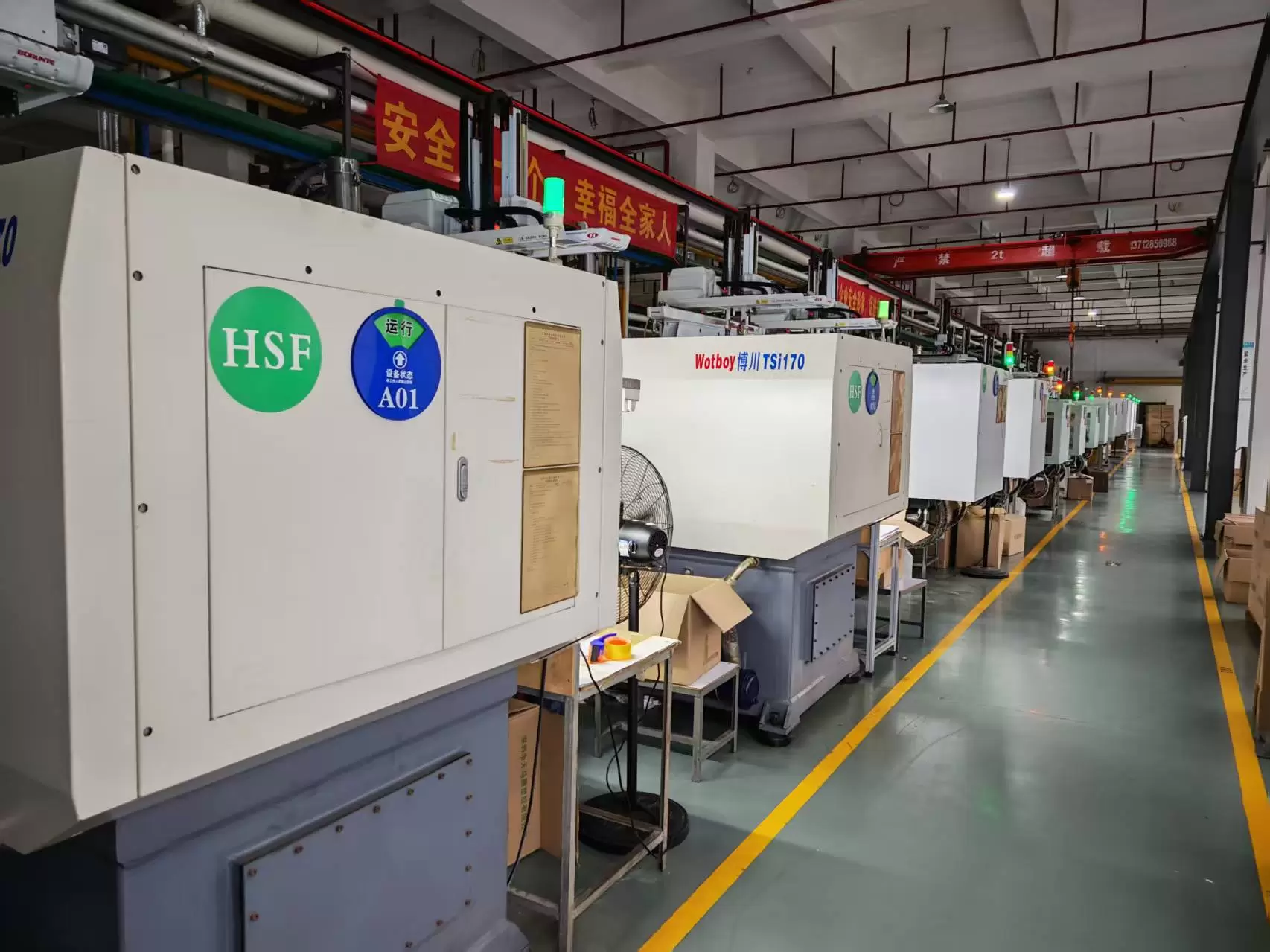
SOGOOD is a one-stop manufacturing service provider specializing in product design, thermal simulation, precision hardware, and heat dissipation solutions. Established in Shenzhen, a global hub for innovation, the company brings together a team of highly experienced industrial designers, structural engineers, and mold experts.
With core expertise in metal nano molding technology and CNC machining, SOGOOD delivers high-performance components for industries including healthcare, electronics, automotive, communications, and artificial intelligence.
The engineering team, with over 20 years of experience—many from leading companies such as BYD—ensures deep technical knowledge in both nano molding and CNC processes. This experience translates into reliable, high-quality medical components that meet demanding industry requirements.
SOGOOD has also contributed to projects for globally recognized companies, including Qualcomm, ZTE, Lenovo, NEC, Philips, Panasonic, Haier, ASUS, and TCL. This track record demonstrates its ability to deliver precision solutions at scale.
One of the key advantages of working with an integrated manufacturer like SOGOOD is the ability to move seamlessly from design to production.
Their services include:
This end-to-end capability reduces development time, minimizes errors, and accelerates time-to-market.
For businesses looking to develop medical devices, having a reliable manufacturing partner can make a significant difference.
Here is the embedded reference link for further exploration:
<a href="https://www.sogoodprecision.com/project/">CNC precision medical components solutions</a>
SOGOOD’s strength lies in combining metal nano molding technology with CNC machining. This hybrid approach enables:
Such innovations are particularly valuable in the medical field, where both performance and sustainability are increasingly important.
Quality is non-negotiable in healthcare manufacturing. SOGOOD implements a modern quality management system aligned with international standards, and its products are certified under ISO 9001.
This ensures:
For medical device manufacturers, this level of assurance is critical when selecting a production partner.
SOGOOD actively supports both OEM and ODM projects, offering flexible solutions tailored to client needs. Whether a company requires:
SOGOOD’s team provides dedicated support throughout the process.
Their customer service team works closely with clients to understand requirements, optimize designs, and deliver solutions that align with both technical and business goals.
As healthcare continues to evolve, the demand for precision manufacturing will only increase. Emerging trends such as personalized medicine, wearable health devices, and AI-driven diagnostics will require even more advanced components.
CNC machining, combined with technologies like nano molding and thermal simulation, will remain at the forefront of this transformation.
Manufacturers that can integrate these capabilities—like SOGOOD—will play a crucial role in shaping the future of medical innovation.
CNC precision medical components are not just a manufacturing choice—they are a necessity in modern healthcare. Their ability to deliver unmatched accuracy, consistency, and adaptability makes them essential for producing reliable medical devices.
With its comprehensive capabilities, experienced team, and commitment to innovation, SOGOOD stands out as a trusted partner in precision manufacturing. By bridging design, engineering, and production, the company helps bring advanced medical technologies from concept to reality.
As the healthcare industry continues to advance, the importance of precision engineering will only grow—and CNC machining will remain a cornerstone of that progress.