The Role of Automation in a Modern Industrial Plastic Injection Molding Factory
Jul 29, 2026
In modern electronics, performance is no longer limited only by processing power or component density—it is increasingly constrained by heat. As devices become smaller, faster, and more integrated, thermal management has become a decisive factor in product reliability and lifespan. Overheating can lead to performance throttling, component degradation, or even catastrophic failure.
This is where heat dissipation simulation plays a critical role. By predicting thermal behavior before physical prototyping, engineers can identify risks early, optimize designs efficiently, and significantly reduce development costs. In this article, we explore how thermal simulation works, why it matters, and how manufacturers like SOGOOD leverage it to deliver high-performance, reliable electronic solutions.
As electronic devices evolve, several trends contribute to increased thermal challenges:
Higher power density in compact spaces
Increased processing speeds generating more heat
Multi-functional integration in single devices
Demand for lightweight and thin product designs
These factors make traditional trial-and-error thermal design approaches inefficient and costly. Without proper heat management, even well-designed electronics can fail prematurely.
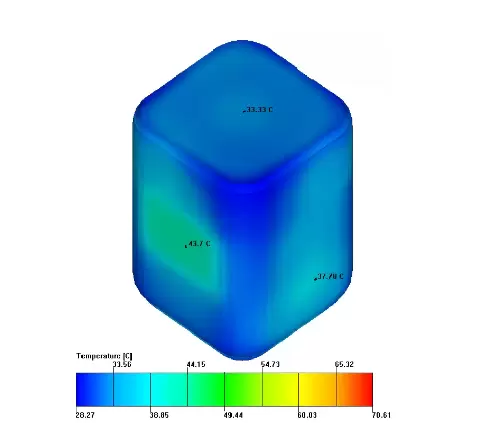
Heat dissipation simulation is a digital engineering process that uses computational tools to model how heat is generated, transferred, and dissipated within a product. It typically involves:
Thermal modeling of components
Material property analysis
Airflow and convection simulation
Heat conduction path evaluation
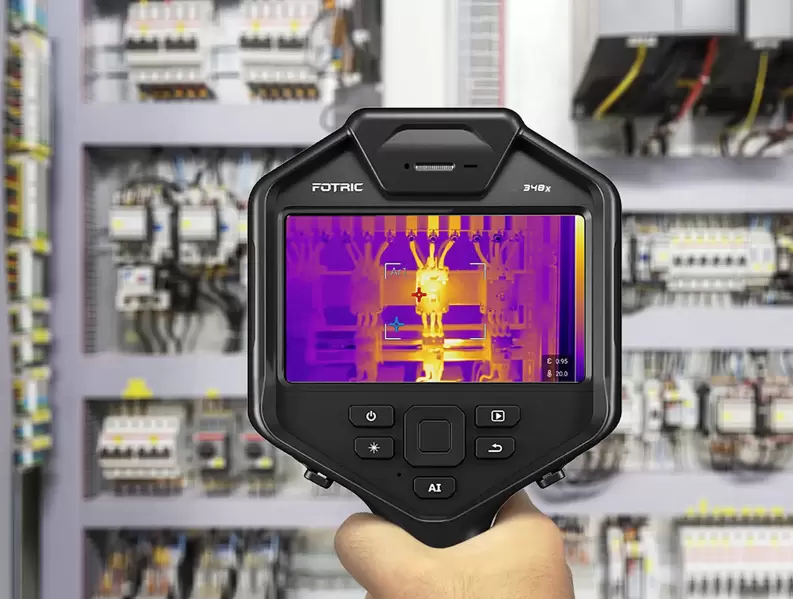
By simulating real-world operating conditions, engineers can visualize temperature distribution across a device and identify hotspots before production begins.
One of the most significant advantages of simulation is the ability to detect overheating zones during the design phase. Instead of discovering issues after building prototypes, engineers can:
Identify high-temperature regions
Evaluate heat accumulation over time
Adjust layouts or materials proactively
This early insight prevents costly redesigns and accelerates development cycles.
Component placement has a direct impact on heat flow. Thermal simulation allows engineers to test multiple configurations virtually:
Spacing heat-generating components more effectively
Positioning sensitive parts away from heat sources
Improving airflow paths within enclosures
These optimizations ensure balanced thermal distribution, reducing stress on individual components.
Different materials conduct heat differently. Simulation helps engineers choose the most suitable materials for:
Enclosures
Heat sinks
Thermal interface materials (TIMs)
For example, metals with high thermal conductivity can be strategically used to guide heat away from critical areas. Companies like SOGOOD specialize in advanced metal nano-forming technologies that enhance heat transfer efficiency while maintaining structural integrity.
Thermal simulation enables precise design of cooling solutions, including:
Heat sinks with optimized fin geometry
Passive cooling structures
Integration with forced cooling systems (fans or airflow channels)
By analyzing airflow and thermal gradients, engineers can maximize cooling performance without overengineering the solution.
Physical prototyping for thermal validation is expensive and time-consuming. Simulation reduces the number of iterations needed by:
Validating designs digitally
Minimizing material waste
Shortening development cycles
This leads to faster time-to-market and more efficient resource utilization.
Thermal simulation is widely used in industries where reliability is critical:
Consumer electronics: Smartphones, tablets, and laptops
Automotive electronics: Battery systems, ECUs, and sensors
Medical devices: Imaging systems and diagnostic equipment
Telecommunications: Base stations and network hardware
AI and computing: High-performance processors and servers
Each of these applications demands precise thermal management to ensure consistent performance under varying conditions.
SOGOOD stands out as a one-stop manufacturing service provider with deep expertise in thermal simulation and precision engineering. With a strong focus on product design, heat simulation, and advanced manufacturing, the company delivers integrated solutions tailored to modern electronic challenges.
Key strengths include:
Comprehensive Design Capabilities
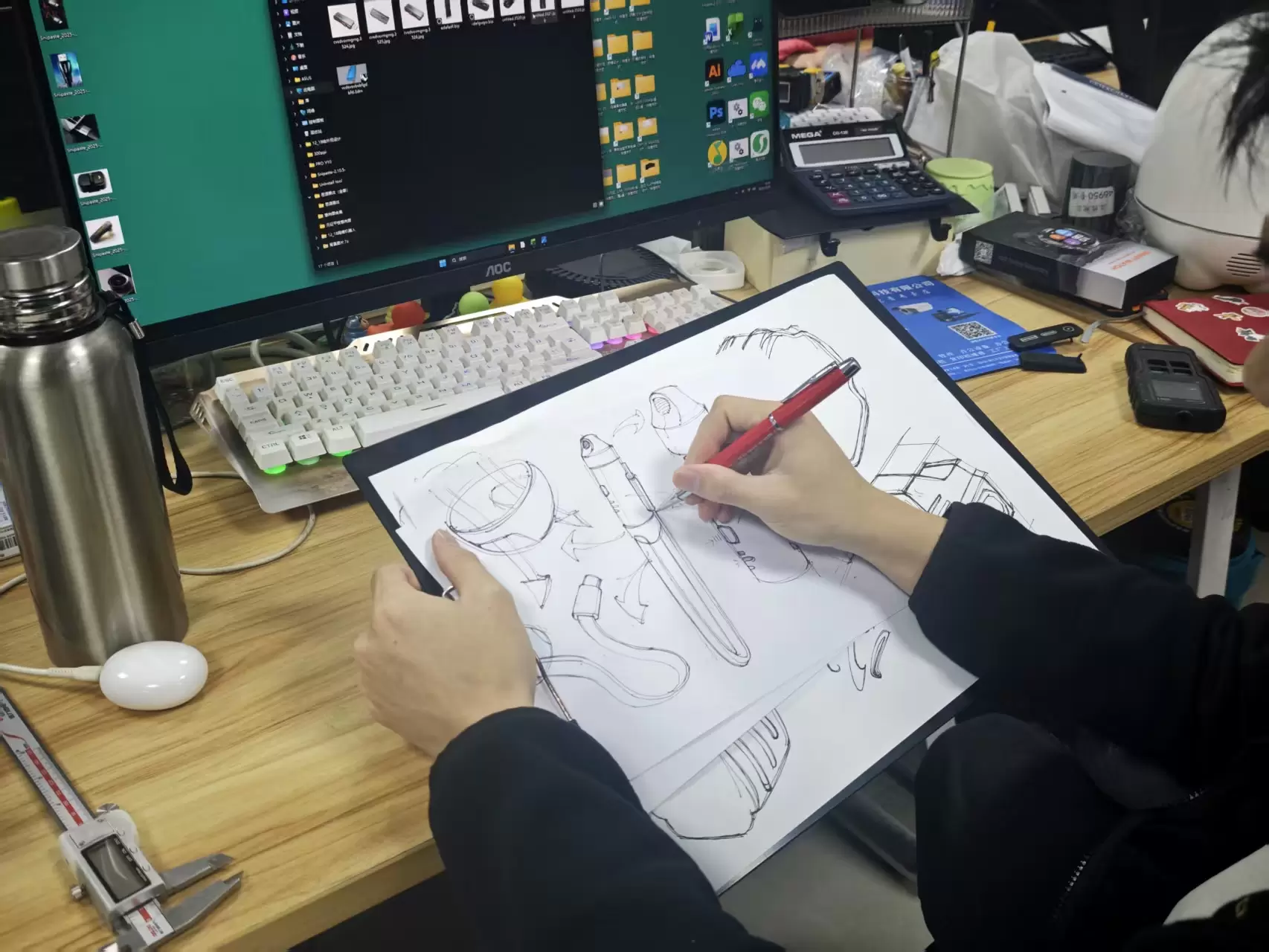
From industrial design to structural engineering, SOGOOD ensures thermal considerations are embedded from the earliest stages.
Advanced Thermal Simulation
Using sophisticated simulation tools, their engineers analyze heat flow, optimize cooling structures, and validate designs before production.
Precision CNC Machining
High-accuracy manufacturing ensures that thermal designs are executed exactly as intended, maintaining performance integrity.
Metal Nano-Forming Technology
This core capability enhances thermal conductivity and structural performance, making it ideal for high-performance applications.
Experienced Engineering Team
With backgrounds in leading technology projects and over 20 years of experience, SOGOOD’s engineers bring practical insight into complex thermal challenges.
Quality Assurance
ISO9001-certified processes ensure consistent product quality and reliability.
For businesses seeking reliable thermal solutions, SOGOOD provides end-to-end support—from concept development to mass production.
While simulation is powerful, combining it with sound engineering practices yields the best results:
Ensure there is a clear path for heat to move from sources to dissipation areas.
Incorporate materials like aluminum or copper where appropriate.
Consider ventilation, surface area, and airflow when designing housings.
Minimize interfaces that restrict heat transfer.
Simulate different operating environments to ensure reliability.
As electronics continue to evolve, thermal simulation is becoming more advanced and essential. Emerging trends include:
AI-assisted simulation for faster optimization
Integration with digital twins for real-time monitoring
Multi-physics simulation combining thermal, structural, and fluid dynamics analysis
These advancements will further enhance design accuracy and enable smarter, more efficient products.
Heat dissipation simulation is no longer optional—it is a fundamental part of modern electronic design. By enabling early detection of thermal risks, optimizing materials and layouts, and reducing development costs, simulation ensures that products perform reliably in real-world conditions.
Companies like SOGOOD demonstrate how integrating thermal simulation with advanced manufacturing technologies can deliver high-value solutions across industries. With the right tools, expertise, and approach, businesses can effectively manage heat challenges and bring robust, high-performance products to market.