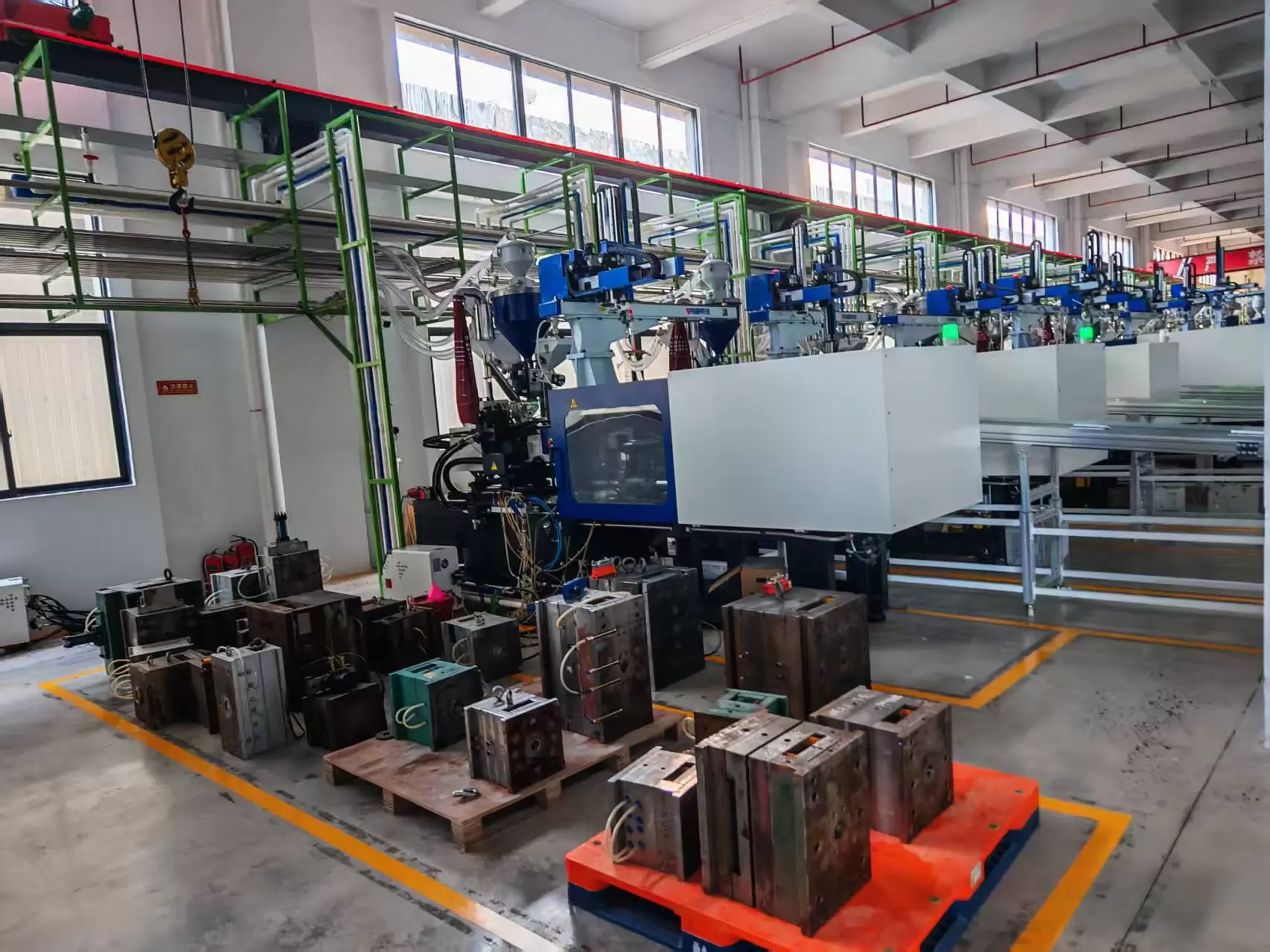
What Services Does a Professional Injection Molding Factory OEM Offer?
May 22, 2026
In today’s competitive fitness equipment market, brands are under increasing pressure to deliver products that combine durability, ergonomic performance, attractive design, and consistent manufacturing quality. Among core fitness accessories, the ab wheel remains one of the most popular tools for home gyms, personal trainers, rehabilitation programs, and commercial fitness environments. However, producing a reliable ab wheel is far more complex than it may appear.
For fitness brands planning to launch or expand a product line, choosing the right manufacturing partner can determine whether a product succeeds or struggles in the market. A professional ab wheel manufacturer does much more than assemble plastic and metal parts. The right partner contributes engineering expertise, structural reliability, precision machining, quality assurance, and scalable production support.
This is why many fitness brands today prioritize long-term cooperation with experienced OEM and ODM manufacturers that can provide both technical capability and manufacturing flexibility.
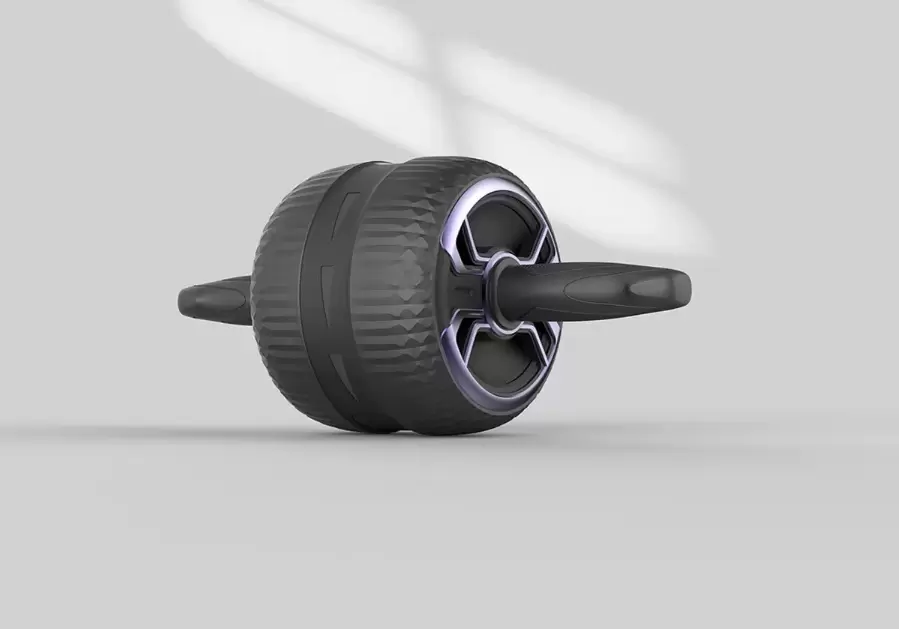
Fitness products experience repetitive stress during daily use. Unlike decorative consumer goods, an ab wheel must withstand continuous pressure from body weight, movement, friction, and impact.
Professional fitness brands typically evaluate the following structural elements before selecting a manufacturer:
An ab wheel that performs well during initial testing but fails after extended use can seriously damage a brand’s reputation. Manufacturers with strong engineering capabilities understand how material selection, wall thickness, molding precision, and machining tolerance affect real-world product performance.
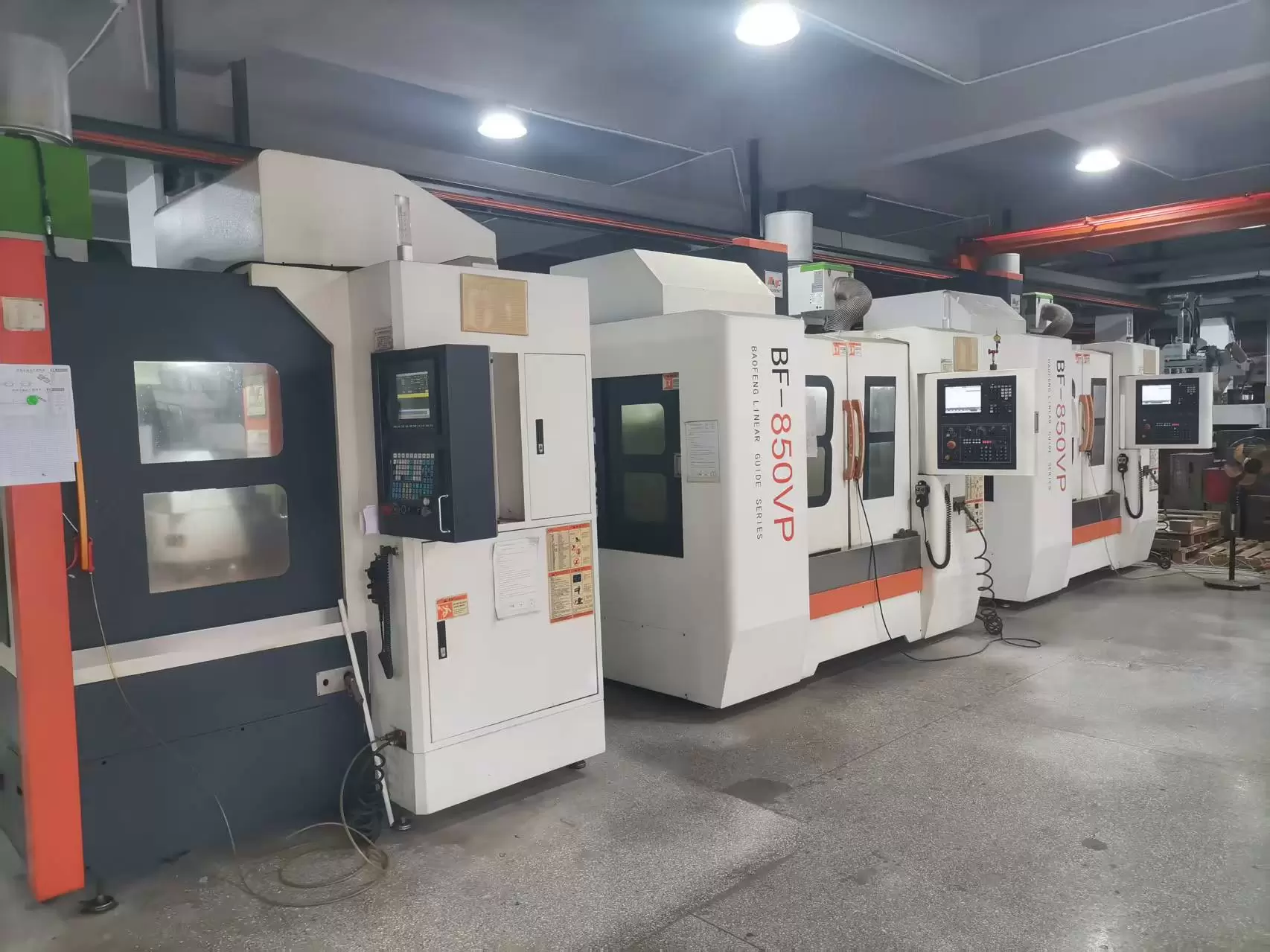
This is where advanced CNC precision machining and mold engineering become especially important.
Consumers often judge fitness products based on comfort and smoothness during use. Even small inconsistencies in wheel alignment or handle assembly can affect user experience.
Professional manufacturers use advanced CNC processing and mold flow analysis to improve:
Companies with experience in precision hardware manufacturing often produce more stable and durable fitness equipment because they already understand strict tolerance control.
For example, manufacturers that also serve industries like electronics, automotive, medical devices, and AI equipment typically maintain higher technical standards than factories focused only on low-cost mass production.
Fitness brands increasingly pay attention to material quality because end users now expect products that are both durable and visually premium.
A professional ab wheel manufacturer should understand the advantages and limitations of different materials, including:
High-strength engineering plastics improve impact resistance while reducing overall product weight.
Precision-machined aluminum parts enhance durability and provide a premium appearance.
Grip comfort and anti-slip performance rely heavily on the correct rubber formulation.
The internal shaft and load-bearing structures must resist deformation under repeated pressure.
Manufacturers with experience in metal nano molding technology and advanced machining are often better equipped to optimize both product strength and aesthetics.
Modern consumers expect fitness products to look professional while remaining functional and compact. As a result, many fitness brands now prefer manufacturers that can support industrial design in addition to production.
A strong manufacturing partner can assist with:
This reduces development time while helping brands create differentiated products in a crowded marketplace.
Different fitness brands have different business models. Some already have mature product drawings and only need production support. Others require complete product development from concept to manufacturing.
Professional ab wheel manufacturers should provide flexible cooperation models, including:
Producing products according to client specifications and branding requirements.
Providing complete product design, engineering, prototyping, and mass production solutions.
Brands often prefer manufacturers that can support both approaches because this creates more flexibility for future product expansion.
For example, companies seeking custom structural optimization or branding solutions often cooperate with experienced engineering teams capable of handling prototype validation and tooling development internally.
Fitness equipment directly affects user safety. A professional manufacturer must implement strict quality management systems throughout production.
Fitness brands commonly evaluate factories based on:
Manufacturers with internationally recognized quality systems such as ISO9001 certification typically provide more stable production management.
Consistency is especially critical for large-volume retail orders where even minor production deviations can create warranty issues or negative customer feedback.
Many startup fitness brands begin with small orders but later require rapid production expansion once sales increase.
Professional manufacturers should therefore demonstrate:
Factories with mature engineering and operational systems are generally more capable of supporting product growth without sacrificing quality consistency.
One factor that separates professional manufacturers from ordinary suppliers is engineering depth.
Manufacturers with cross-industry experience often bring valuable technical advantages to fitness equipment production. Experience in industries such as medical devices, communications, automotive systems, and precision electronics usually translates into better manufacturing discipline and stronger product reliability.
A good example is <a href="https://www.sogoodprecision.com/medical-products/ab-wheel.html">professional ab wheel manufacturing solutions</a> developed through advanced CNC precision machining, nano molding technology, and industrial product engineering.
As a one-stop manufacturing service provider, SOGOOD focuses on product design, thermal simulation engineering, precision hardware manufacturing, and heat dissipation solutions. The company serves industries including electronics, communications, automotive, medical, and artificial intelligence.
Founded in Shenzhen, China’s well-known “City of Design,” SOGOOD combines industrial design expertise with advanced manufacturing capability. The company’s engineering team includes experienced industrial designers, structural engineers, and mold specialists, with core members originating from the design teams behind Motorola A1200 and A1600 products.
SOGOOD’s industrial designers have received internationally recognized Red Dot Design Awards, and the company has worked with global industry leaders including:
Established in 2016 with a focus on nano molding technology, CNC precision machining, and mold flow analysis, SOGOOD’s senior engineers bring over 20 years of experience gained from their work at BYD.
The company operates under a modern quality management system aligned with international standards, and its products have achieved ISO9001 certification. SOGOOD supports both OEM and ODM cooperation, helping clients move efficiently from product development to mass production.
Before making a final manufacturing decision, fitness brands should carefully review several key factors.
Does the manufacturer understand structural design, materials, and product optimization?
Can the factory maintain consistent quality across large production runs?
Are engineering revisions and production updates handled professionally?
Can the supplier provide fast prototyping and design validation?
Does the factory follow internationally recognized quality management standards?
Has the manufacturer worked with technically demanding industries?
Can the supplier support future growth and product expansion?
Choosing a manufacturing partner should never be based only on production cost. Long-term product quality, engineering reliability, and operational stability create far greater value over time.
The global fitness equipment market continues to evolve as consumers demand better product quality, improved durability, and more professional user experiences. For fitness brands, selecting the right ab wheel manufacturer is not simply a sourcing decision — it is a strategic partnership that directly affects brand reputation and customer satisfaction.
Professional manufacturers distinguish themselves through engineering capability, precision machining, advanced materials expertise, strict quality control, and flexible OEM/ODM support.
Companies like SOGOOD demonstrate how cross-industry manufacturing expertise, innovative engineering, and precision production systems can help fitness brands develop reliable, high-performance products that succeed in competitive global markets.