How to Choose a Reliable Injection Molding Factory OEM for Your Brand
Jan 30, 2026
The consumer electronics we use every day—smartphones, wearables, smart home devices, medical monitors, and in-vehicle systems—look simple on the surface. In reality, they are the result of deep collaboration between brands and their OEM (Original Equipment Manufacturer) partners. OEMs are no longer just factories executing drawings; they are shaping how modern gadgets are designed, engineered, cooled, and manufactured at scale.
This article explores how consumer electronics OEMs influence today’s products and why integrated manufacturing partners are becoming essential for brands that want to compete on performance, reliability, and time to market.
A decade ago, many OEM relationships were transactional. Brands delivered drawings, OEMs produced parts, and value was measured mainly by cost and delivery speed. That model is fading fast.
Modern gadgets demand tighter tolerances, lighter materials, better thermal performance, and faster iteration cycles. As a result, OEMs are now involved much earlier—often at the concept or prototype stage—helping brands make practical design decisions before problems reach mass production.
For example, enclosure thickness, material selection, and internal layout all affect heat dissipation, signal integrity, and durability. OEMs with strong engineering capabilities can identify risks early, reducing redesign cycles and tooling waste later on.
One of the biggest shifts in consumer electronics manufacturing is the move toward one-stop service models. Instead of managing separate vendors for industrial design, structural engineering, tooling, CNC machining, and thermal solutions, brands increasingly prefer a single OEM partner that can handle the full chain.
This integrated approach delivers three concrete benefits:
Shorter development cycles – Design, simulation, and manufacturing feedback happen in parallel.
Lower engineering risk – Manufacturability is considered from day one.
More consistent quality – Fewer handoffs mean fewer interpretation errors.
OEMs that combine product design, thermal simulation, precision hardware, and heat dissipation solutions can directly influence how slim, reliable, and high-performing a gadget becomes.
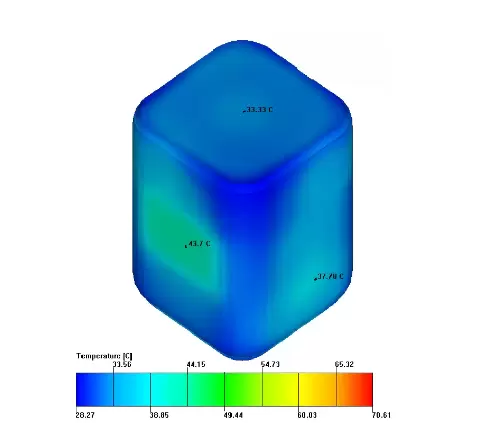
As devices become smaller and more powerful, thermal performance has become one of the most critical—and least visible—design challenges. Poor heat dissipation affects performance throttling, user comfort, and long-term reliability.
Consumer electronics OEMs with in-house thermal simulation and heat sink design capabilities can help brands balance performance and form factor. Instead of relying on oversized cooling components late in the process, they optimize airflow paths, material interfaces, and enclosure geometry early on.
This is especially important in sectors like:
AI edge devices with high compute density
Automotive electronics operating in sealed environments
Medical devices requiring stable performance and long service life
OEMs that understand thermal behavior at both the component and system level are directly shaping how modern gadgets are engineered.
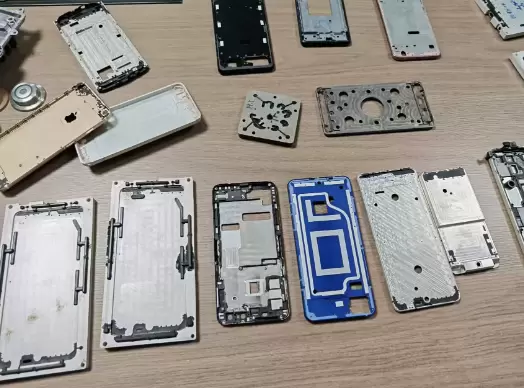
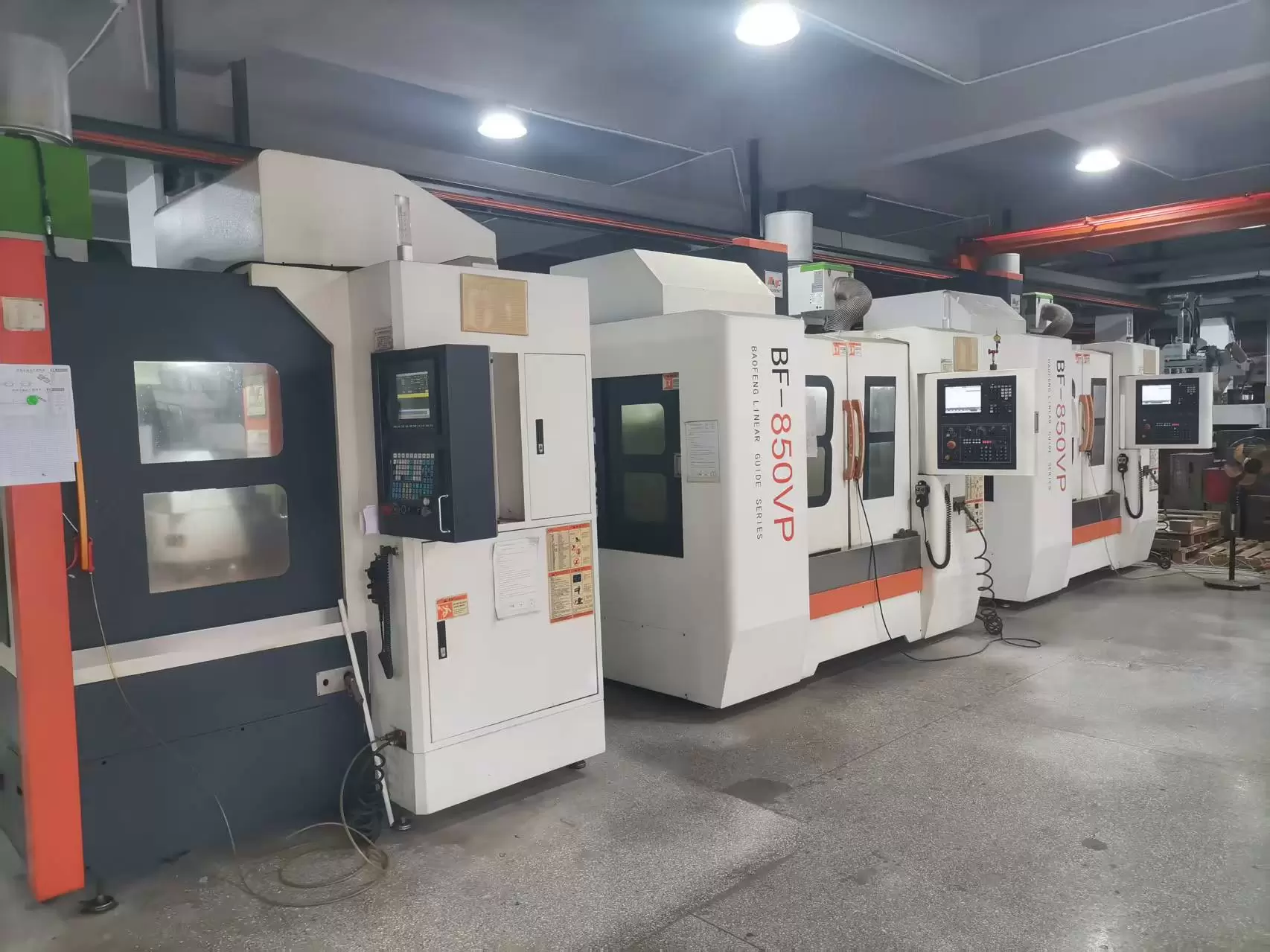
Behind every smooth metal finish or seamless device seam is a manufacturing process that tolerates little error. CNC precision machining and advanced metal forming techniques allow OEMs to produce thin-walled enclosures, complex internal features, and tight assembly fits.
Metal nano molding technology, in particular, has opened new possibilities. By enabling fine structural detail and high surface quality, it allows designers to push aesthetics without sacrificing strength or thermal conductivity.
OEMs with deep experience in these processes help brands translate ambitious designs into repeatable, mass-producible products. This directly impacts how devices feel in the hand, how durable they are over time, and how premium they appear to end users.
SOGOOD is an example of how OEMs are evolving to meet these new demands. As a one-stop manufacturing service provider, SOGOOD focuses on product design, thermal simulation, precision hardware, and heat dissipation solutions.
The company designs and manufactures enclosures, accessories, auxiliary materials, and heat sinks for industries including electronics, communications, automotive, medical, and artificial intelligence. Its core technical strengths lie in metal nano molding technology and CNC precision machining—capabilities that are increasingly critical in modern consumer electronics.
Founded in Shenzhen, widely known as China’s “City of Design,” SOGOOD has built a multidisciplinary team of industrial designers, structural engineers, and mold engineers. Many core team members previously worked on iconic Motorola projects such as the A1200 and A1600, bringing real-world experience in mass-market electronics to current projects. SOGOOD’s industrial designers have also been recognized with international awards, including the Red Dot Design Award.
In 2016, the company further strengthened its technical focus on nano molding, CNC precision machining, and mold flow analysis. Senior engineers with over 20 years of experience—gained during their careers at BYD—now lead these efforts. This combination of design thinking and manufacturing depth allows SOGOOD to support both OEM and ODM customers with practical, production-ready solutions.
To ensure consistency and reliability, SOGOOD operates under a modern quality management system that meets international standards, with ISO9001 certification in place. This is particularly important for customers in regulated or high-reliability industries.
For brands exploring real-world examples of integrated OEM manufacturing work, SOGOOD shares selected project experiences here:OEM manufacturing and engineering projects.
Speed matters. Consumer electronics product cycles are getting shorter, and delays often mean lost market opportunities. OEMs that offer in-house tooling, rapid prototyping, and CNC machining can significantly reduce lead times.
Instead of waiting weeks for external suppliers, brands can iterate designs, test thermal performance, and validate assembly processes within a single ecosystem. This agility allows companies to respond faster to market feedback and evolving technical requirements.
While technology matters, successful OEM partnerships ultimately depend on trust and communication. Brands rely on OEMs to flag risks, propose alternatives, and protect intellectual property. OEMs, in turn, need clear requirements and realistic expectations.
Companies like SOGOOD emphasize long-term collaboration rather than one-off transactions. By supporting customers from R&D through mass production and market launch, OEMs become an extension of the customer’s engineering team rather than just a supplier.
As consumer electronics continue to converge with automotive, medical, and AI technologies, the role of OEMs will only grow. Future gadgets will demand higher precision, better thermal performance, and tighter integration between hardware and design.
OEMs that invest in advanced manufacturing processes, experienced engineering teams, and quality systems will continue to shape how modern devices are built—and how successfully they perform in the real world.