Design Introduction
1、 Functional driven form construction
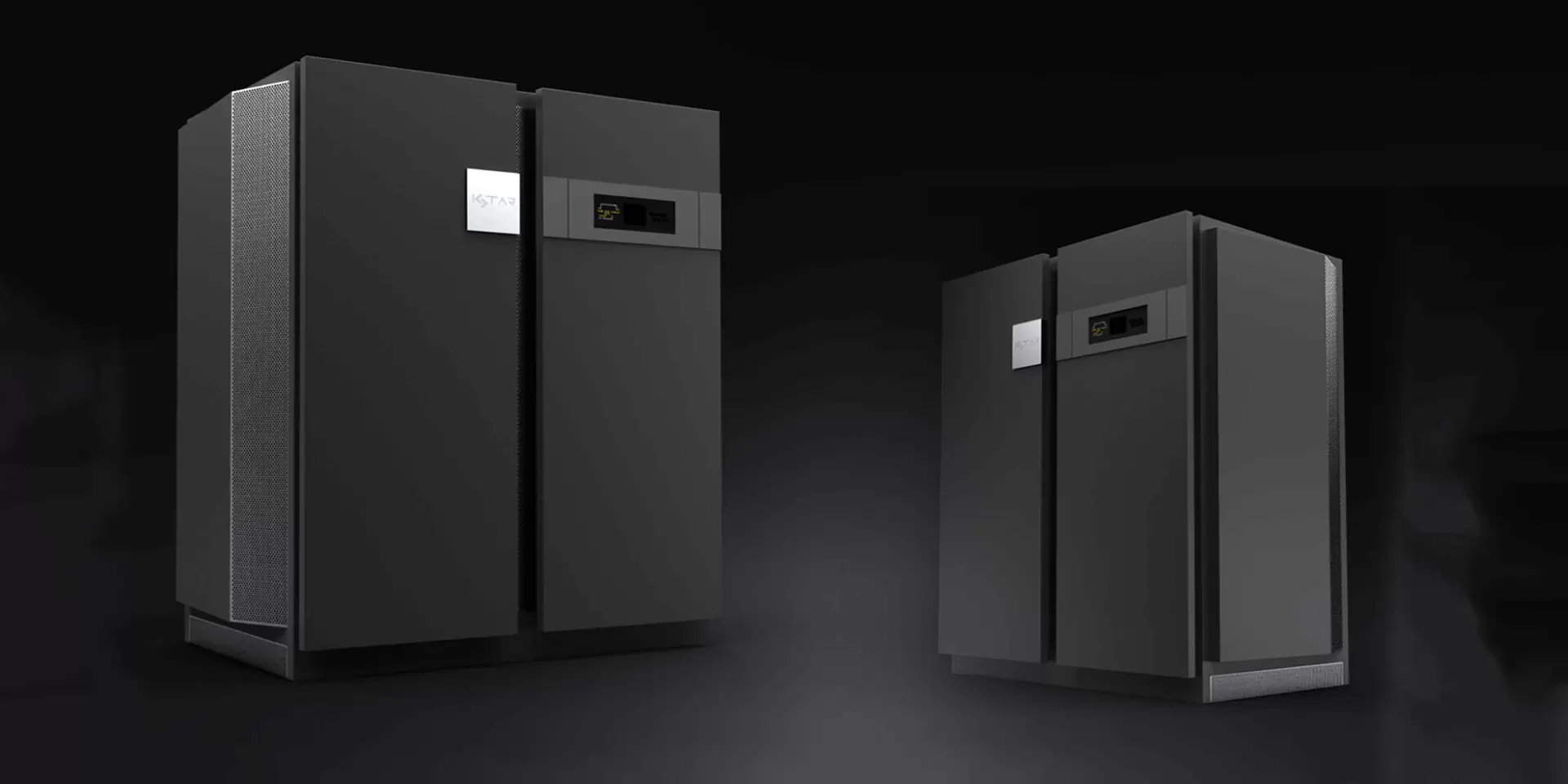
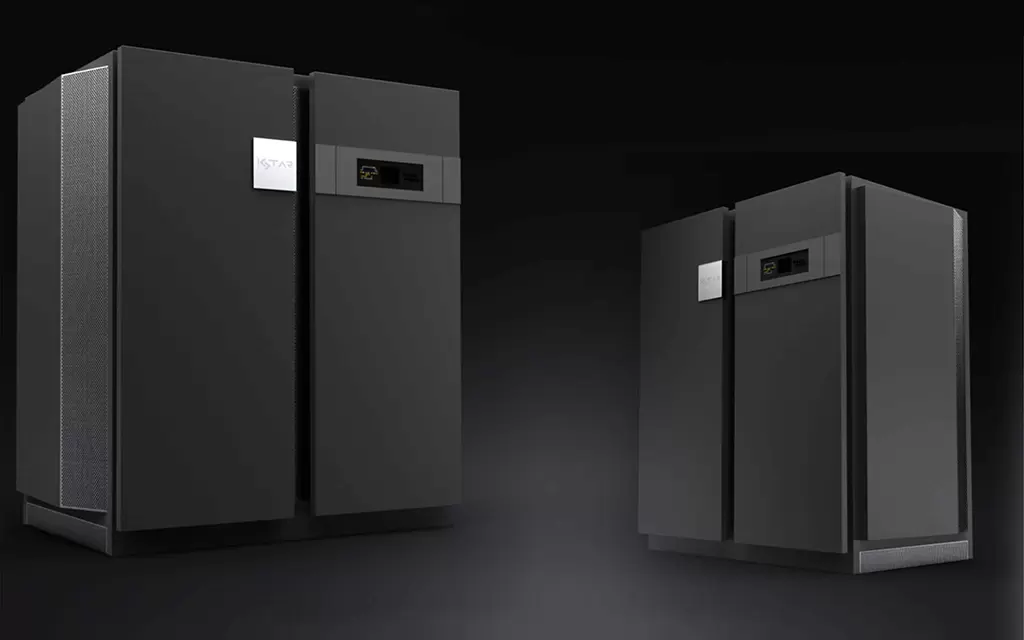
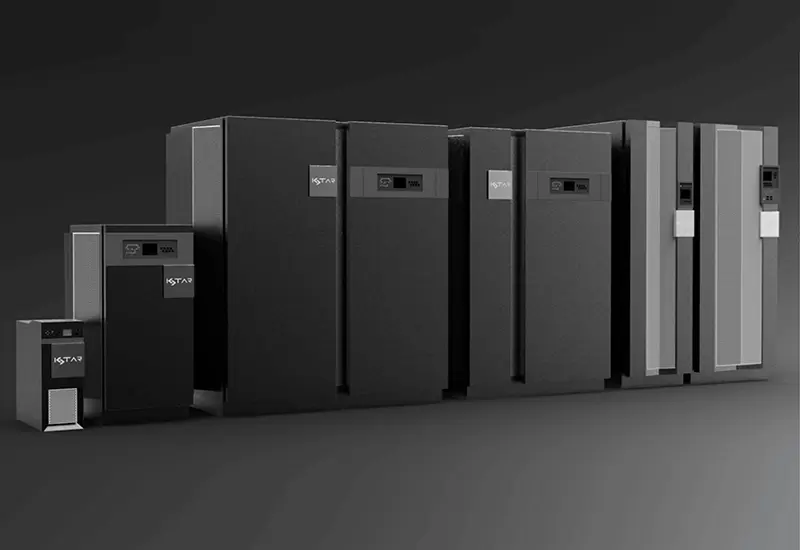
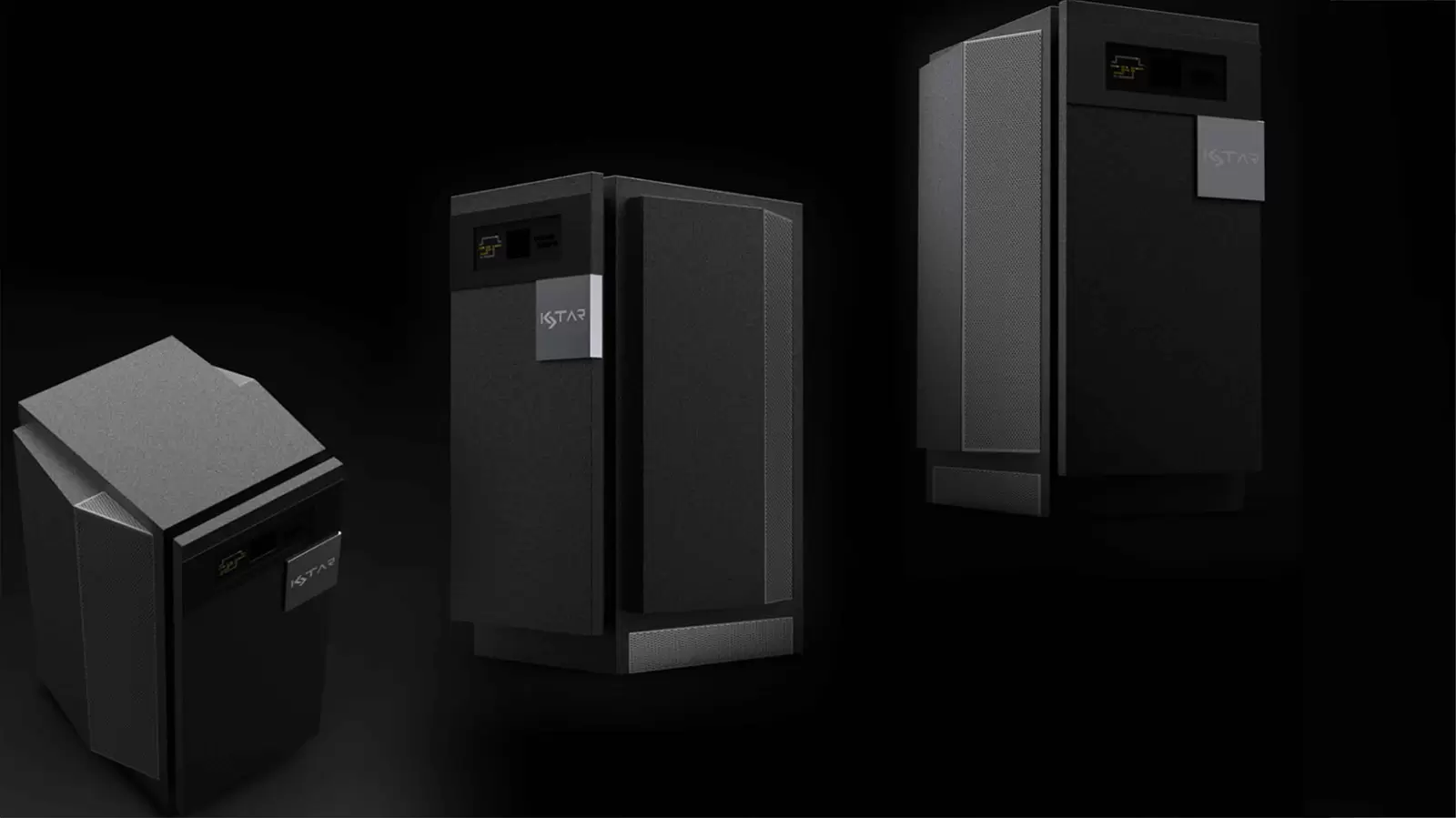
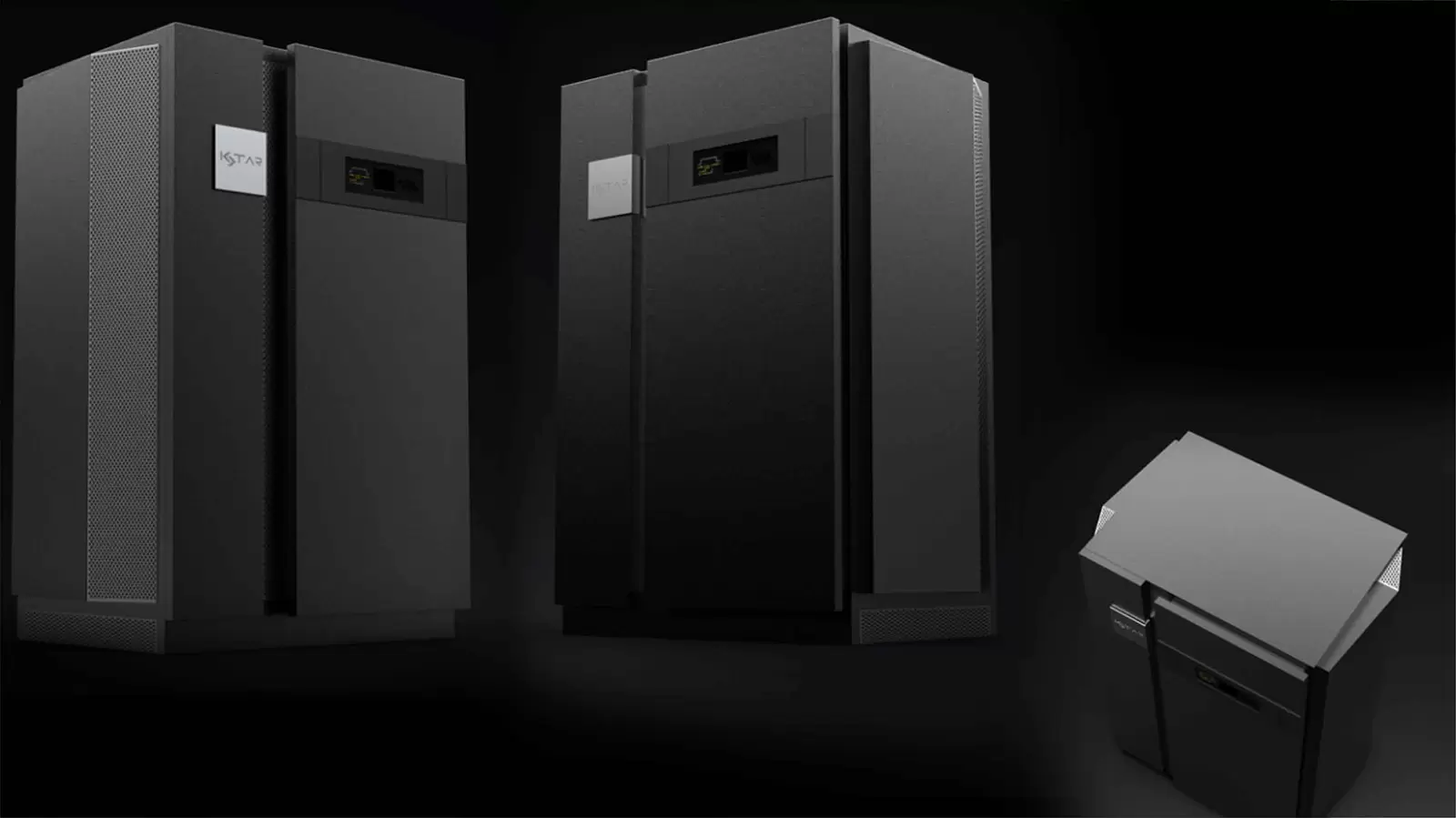
Modular integration: The equipment adopts a dual cabinet/multi cabinet combination form, integrating the detection core (such as sensors, processors) and auxiliary units (power supply, cooling system) in separate compartments, and achieving functional expansion through "parallel cabinet design" (such as stacking different detection modules), adapting to the diverse detection needs of complex industrial scenes;
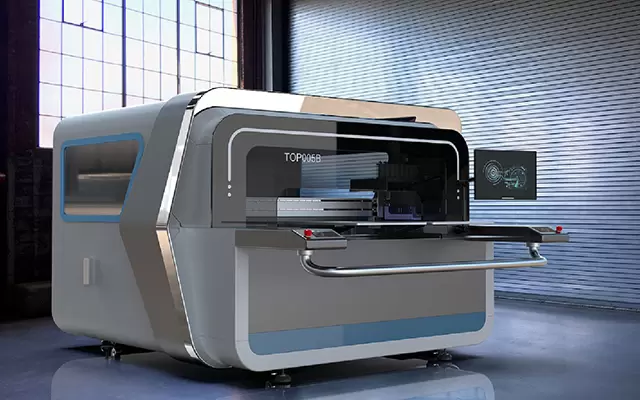
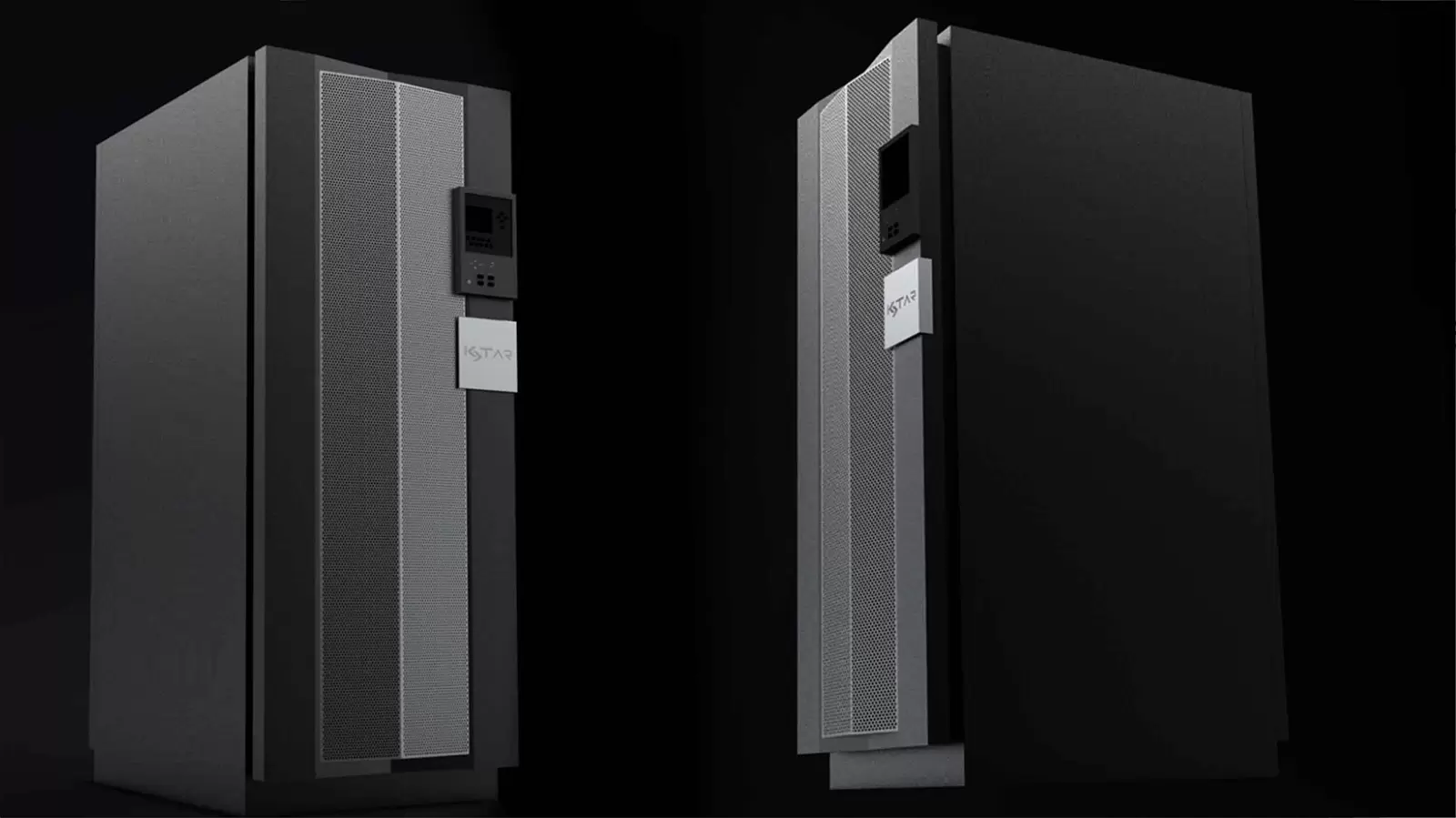
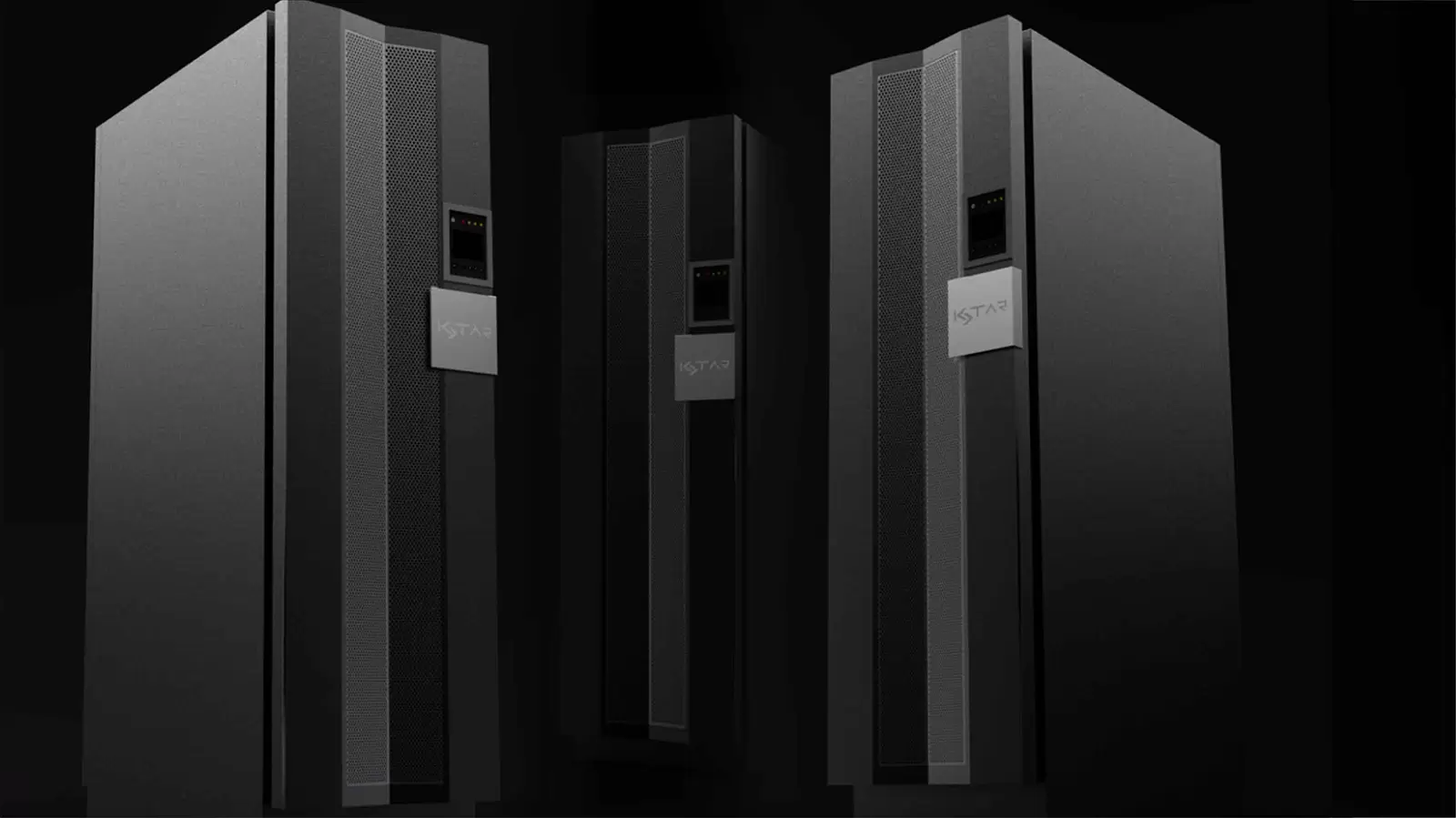
Heat dissipation and protection: The grid/hollow design on the side of the cabinet (ventilation holes can be seen from the detailed diagram) is not only a decorative element in form, but also meets the heat dissipation requirements during equipment operation; Fully enclosed cabinet structure (dark matte material) effectively protects against dust and electromagnetic interference in industrial environments, ensuring detection accuracy.
2、 Minimalist design of human-computer interaction
Information visualization: The operation area adopts embedded touch screen and minimalist buttons (some models can see small display screens), and uses "graphical data+status indicator lights" to transmit device operation information, reducing the operating threshold in industrial scenarios; The aligned layout of the screen and brand logo enhances the sense of order in human-computer interaction, allowing workers to quickly focus on key operational areas;
Convenience of operation and maintenance: The flat surface of the cabinet and hidden handles (presumably present) facilitate daily cleaning and maintenance; The unified language of multiple models (such as brand logo location and heat dissipation hole layout) reduces the "cognitive cost" of workers and improves the efficiency of production line operation and maintenance.
3、 Scene adaptation of morphological semantics
Industrial temperament transmission: dark gray/black main color tone+rugged geometric shape, conveying professional and reliable industrial equipment attributes, adapting to the needs of factories, data centers, etc. for equipment "stability and durability"; The simple facade and exquisite details of the cabinet (such as the brand logo with a metallic texture) balance the rationality of industrial tools with the quality of technological products, strengthening the brand's technical image;
Family recognition: The entire series of products adopt a unified design gene (such as dual cabinet structure, side heat dissipation belt, and logo layout) to build a clear brand recognition system; By distinguishing the differences in cabinet size and screen position (such as changes in the shape of small and large machines), product functional levels (such as basic inspection type and high-end integrated type) can be distinguished to meet the scene needs of different customers.
4、 Clever Design Ideas for Environmental Integration
Space efficiency optimization: cubic form+standardized size, modular layout adapted to industrial scenarios (such as cabinet arrays in data centers and equipment areas in factory production lines), improving space utilization; Adjustable support feet/rollers at the bottom (presumably present) facilitate equipment positioning and movement, adapting to the flexible adjustment needs of factory production lines;
Noise reduction and concealment: Fully enclosed cabinet with sound-absorbing material (presumably), reduces equipment operating noise while ensuring heat dissipation, and optimizes the sound environment of industrial environments; The dark matte surface weakens the presence of the equipment, allowing it to blend more naturally into the factory's "mechanical matrix" and reduce visual interference.