Design Introduction
1、 Functional driven form construction
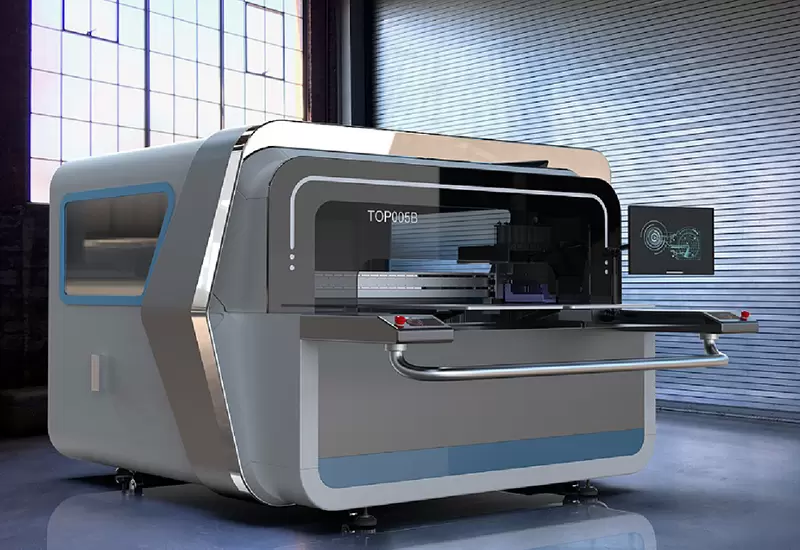
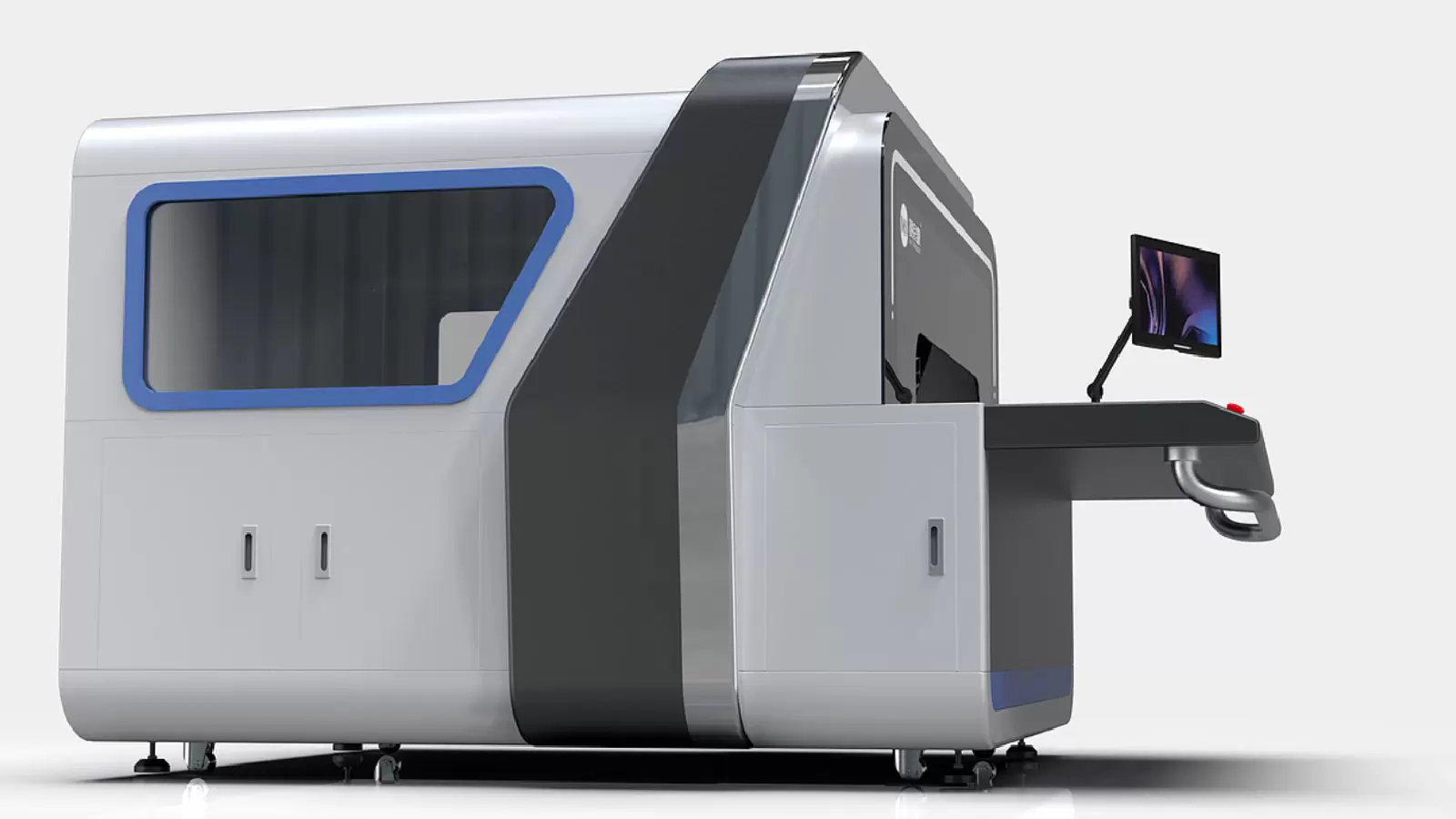
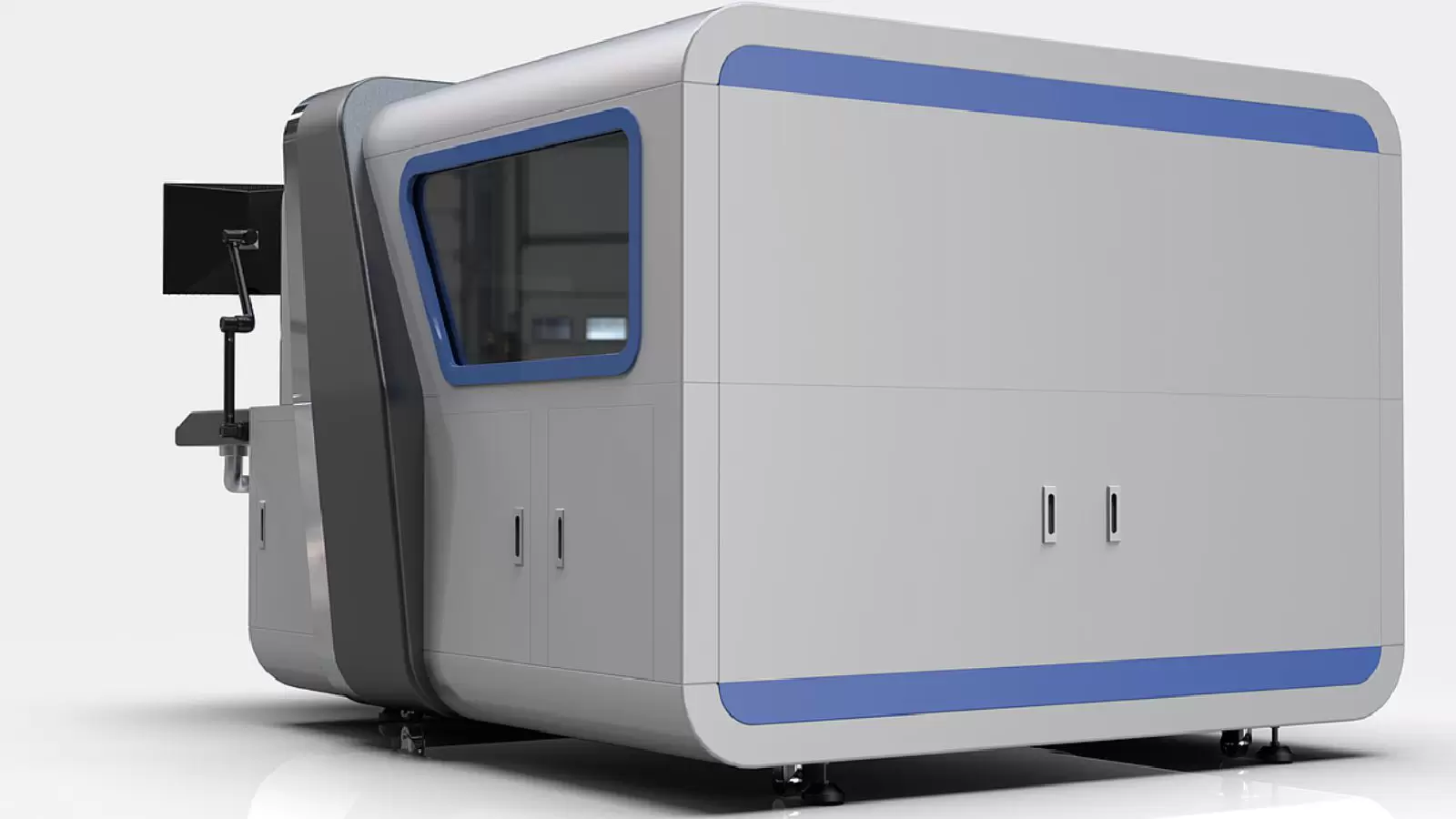
Modular integration: The device adopts a closed cabin and an open operation area design, storing the printing core (such as nozzles and feeding systems) inside the cabin. Through a transparent window (blue border area), users can observe the printing process, which not only protects precision components but also enhances the "sense of technology+security"; The operation area integrates a touch screen and emergency stop button, achieving the integration of "print control status monitoring safety protection" functions.
Space efficiency optimization: The compact cubic shape of the cabin (especially the silver version) maximizes the use of three-dimensional space in industrial environments; The cantilevered screen and drawer/cabinet door design (grey side) in the operation area allow the equipment to adapt to multiple scenarios such as "independent placement production line integration", improving the efficiency of factory space utilization.
2、 Detail optimization of human-computer interaction
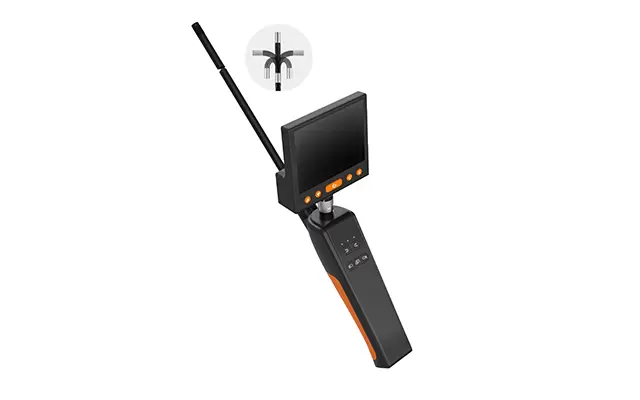
Operating comfort: The cantilevered screen supports multi-dimensional adjustment (visible from the black screen stand), adapting to workers of different heights and operating habits, making the "observation operation debugging" process more natural; The red emergency stop button is prominent and eye-catching, ensuring quick triggering in emergency situations and meeting the safety requirements of industrial scenarios.
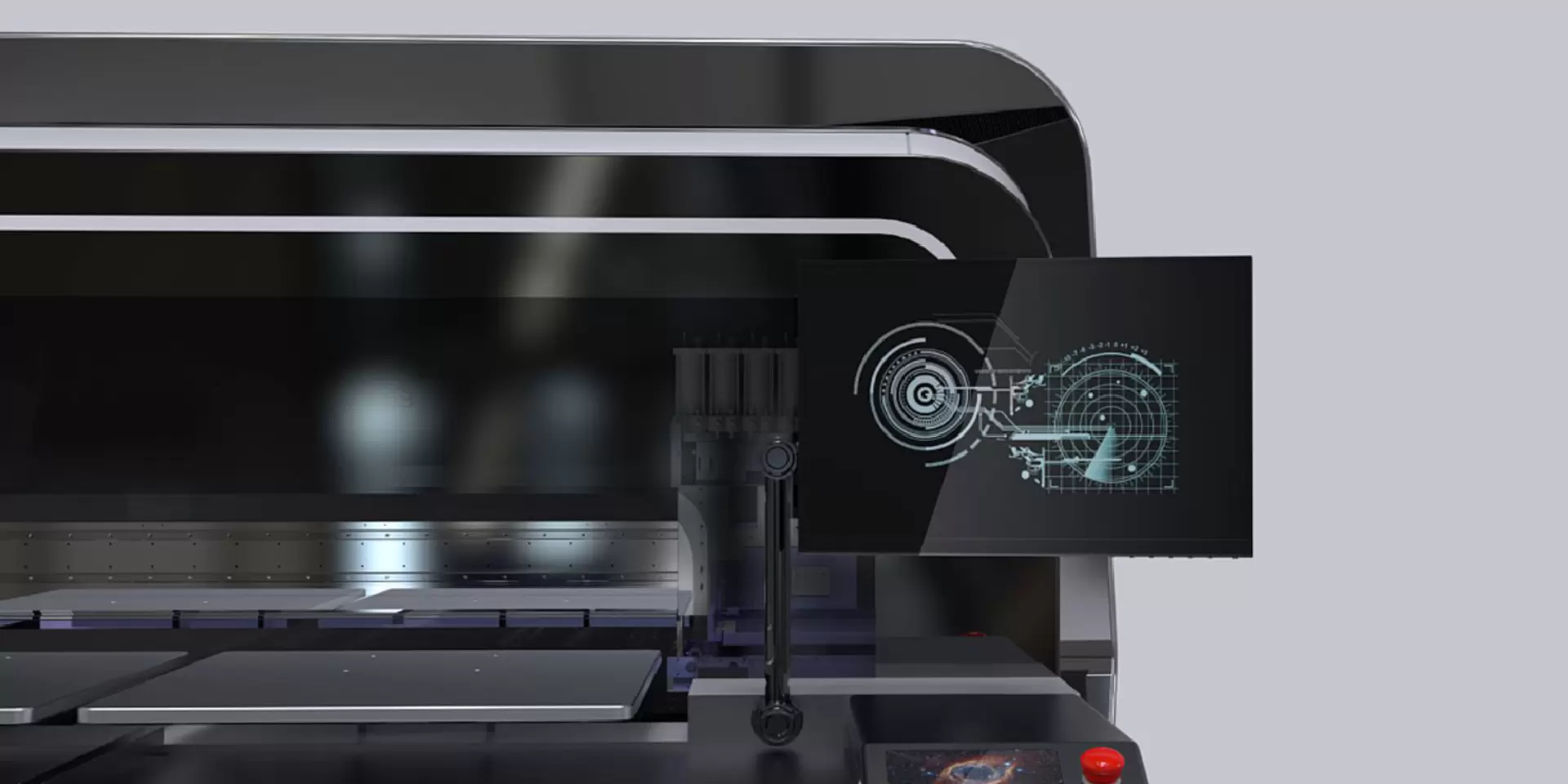
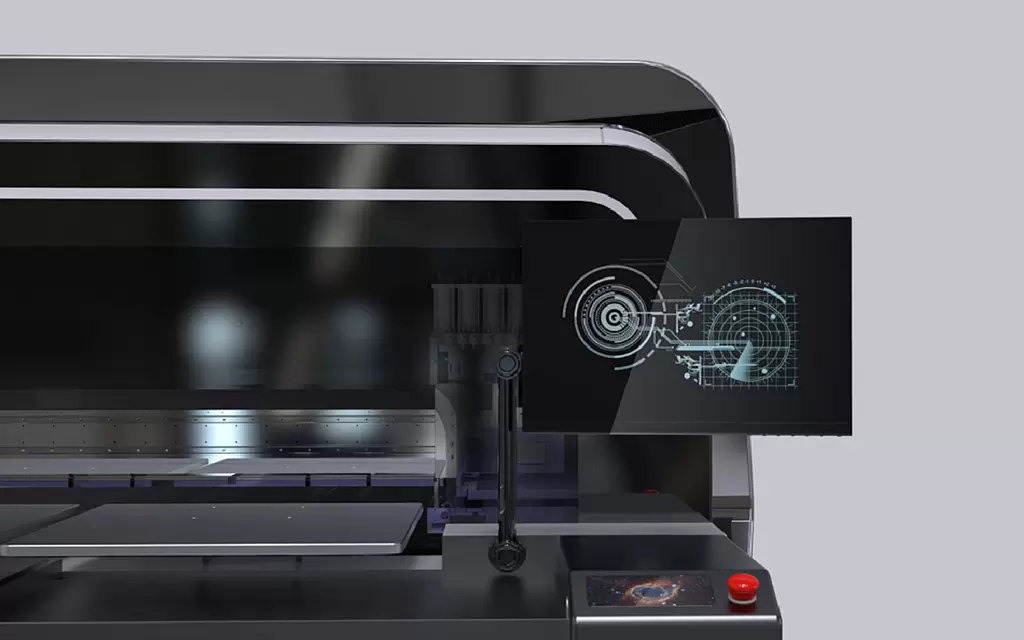
Information visualization: The touch screen adopts industrial grade UI design (black screen technology interface), presenting printing parameters, progress, and fault warnings in a graphical and data-driven manner, reducing workers' learning costs and operational errors, and improving production efficiency.
3、 Scene adaptation of morphological semantics
Industrial scene recognition: Silver gray and black main colors convey a "professional and reliable" visual signal, adapting to the "durable and efficient" needs of factories and production lines for equipment; The tough lines and curved transitions of the cabin (streamlined design in silver) balance the rationality of industrial tools with the futuristic feel of technological products, strengthening the brand's technological image.
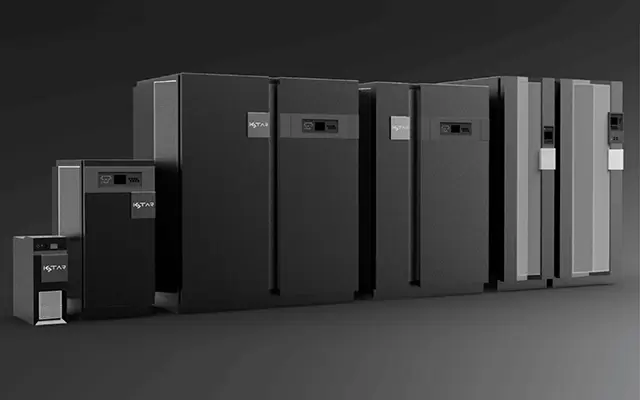
Brand and Differentiation: A unified family design language (such as cantilever screens and cabin forms) is used to build brand identity; By distinguishing product series (such as high-end customized models and production line universal models) based on differences in transparent window size and operation area layout (black models focus on precision control, silver models focus on production line integration), we can meet the needs of different industrial scenarios.
4、 Design considerations for environmental adaptation
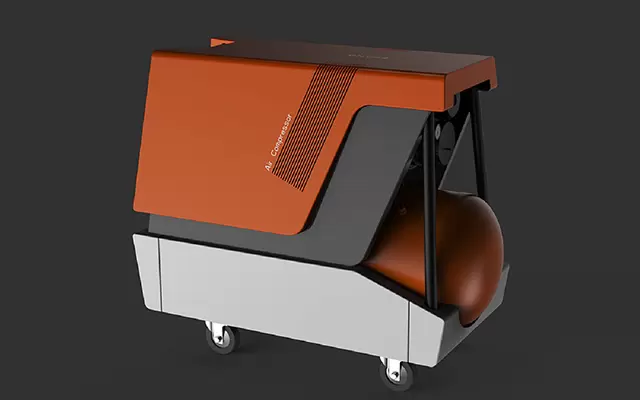
Protection and durability: The cabin is made of high-strength metal and engineering plastic, and is designed to be dust-proof and shockproof (presumably) to adapt to the complex working conditions of industrial environments; The bottom universal wheels and support feet (visible in silver) facilitate the movement and positioning of the equipment, adapting to the flexible adjustment needs of the factory production line.
Noise reduction and heat dissipation: The sealed design of the cabin and the layout of heat dissipation holes (black body gaps, silver side ventilation openings) ensure equipment heat dissipation while reducing noise leakage during the printing process, optimizing the working environment of the factory.