How an Industrial Plastic Injection Molding Factory Ensures Consistent Product Quality
Feb 09, 2026
In today's industrial landscape, energy efficiency and operational reliability have become critical factors for business success. As electronic devices, communication systems, automotive electronics, medical equipment, and AI-powered technologies continue to evolve, heat generation has become one of the most significant challenges manufacturers face. Effective industrial thermal management solutions are no longer optional—they are essential for improving energy efficiency, extending product lifespan, reducing maintenance requirements, and optimizing overall operating costs.
This article explores how advanced thermal management technologies help businesses achieve energy savings and cost reduction while maintaining high-performance standards across multiple industries.
Thermal management refers to the process of controlling and dissipating heat generated by electronic and mechanical systems. Every electronic component produces heat during operation. If this heat is not properly managed, it can lead to performance degradation, component failure, shortened product life cycles, and increased energy consumption.
Industrial thermal management solutions typically include:
The goal is simple: maintain optimal operating temperatures while minimizing energy waste.
Many organizations focus on improving energy efficiency through better power supplies, optimized software, or upgraded equipment. However, thermal management often provides an overlooked opportunity for significant energy savings.
When systems operate at elevated temperatures:
Proper thermal design allows devices to operate within their optimal temperature ranges, reducing energy losses and improving overall performance.
For example, in communication equipment and AI computing systems, excessive heat can force processors to throttle performance. Effective heat dissipation enables stable operation without excessive power consumption or additional cooling requirements.
Modern consumer electronics are becoming smaller while delivering greater computing power. Compact designs leave less room for heat dissipation, making thermal management increasingly important.
Challenges include:
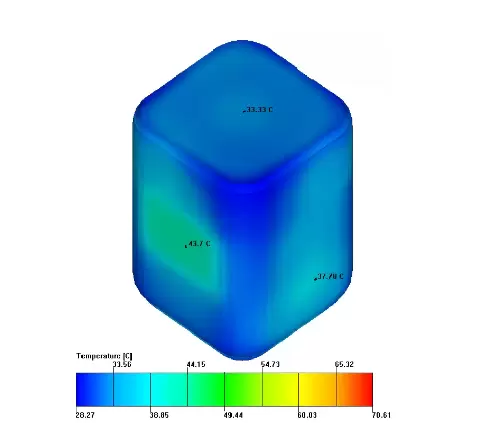
Advanced thermal simulation helps engineers identify hotspots during product development, reducing the risk of overheating after mass production.
The rapid growth of electric vehicles and intelligent transportation systems has significantly increased thermal management requirements.
Key applications include:
Automotive electronics often operate in harsh environments where temperature fluctuations can impact reliability. Effective thermal solutions help maintain consistent performance while extending component life.
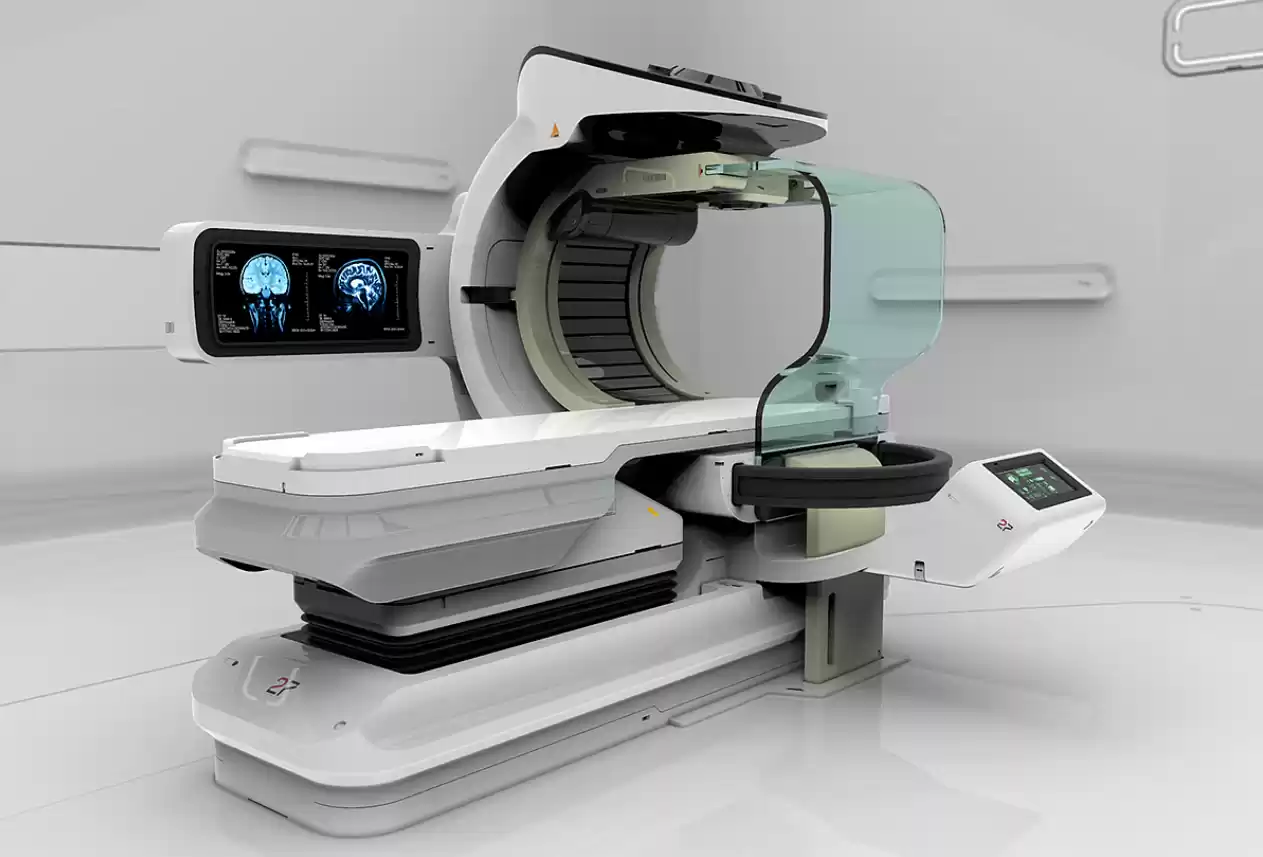
Medical devices require exceptional reliability because equipment failures can have serious consequences.
Common thermal management priorities include:
Thermal simulation and precision-engineered cooling components help manufacturers meet strict industry standards while maintaining device performance.
AI servers and edge computing devices generate significant heat due to intensive computational workloads.
Without proper thermal design:
Efficient heat dissipation systems allow AI infrastructure to maximize processing power while controlling operating costs.
One of the most effective methods for reducing thermal-related costs is performing thermal simulation during product development.
Thermal simulation enables engineers to:
By identifying issues before production begins, manufacturers can avoid expensive redesigns and production delays.
At SOGOOD, thermal simulation design is integrated into the product development process to ensure optimal heat dissipation performance from the earliest design stages. This proactive approach helps customers reduce development risks and accelerate product launches.
Metal Nano Molding (MNM) has emerged as an innovative manufacturing solution for high-performance thermal components.
Advantages include:
These characteristics make MNM particularly suitable for electronic housings, heat sinks, and structural components that require efficient heat transfer.
Precision CNC machining plays a vital role in manufacturing complex thermal management components.
Benefits include:
Precision-machined cooling solutions can significantly improve thermal performance by maximizing heat transfer efficiency and optimizing airflow characteristics.
Successful thermal management requires more than selecting a heat sink. It involves a comprehensive design strategy that considers every aspect of heat generation and transfer.
Material choice directly influences thermal performance.
Common materials include:
Each material offers unique advantages depending on the application's thermal requirements, weight constraints, and manufacturing considerations.
Industrial product enclosures play a critical role in thermal performance.
Well-designed enclosures can:
Manufacturers increasingly combine structural design and thermal simulation to create enclosures that balance aesthetics, durability, and thermal efficiency.
The most successful products integrate thermal management from the beginning rather than treating it as an afterthought.
This approach allows engineers to optimize:
The result is improved performance and reduced overall costs.
SOGOOD is a one-stop manufacturing service provider specializing in product design, thermal simulation design, precision hardware manufacturing, and heat dissipation solutions.
Headquartered in Shenzhen, China's renowned "City of Design," SOGOOD combines industrial design expertise with advanced manufacturing capabilities to support customers across industries including electronics, telecommunications, automotive, medical devices, and artificial intelligence.
The company's core strengths include:
Founded by professionals with extensive experience in industrial product innovation, SOGOOD's team includes industrial designers, structural engineers, and mold specialists whose backgrounds include participation in the design of iconic Motorola A1200 and A1600 products.
The company has also supported leading global brands such as Qualcomm, ZTE, Lenovo, NEC, Han's Laser, Philips, Panasonic, Haier, Midea, ASUS, and TCL.
To explore practical examples of advanced manufacturing and thermal management projects, visit:
<a href="https://www.sogoodprecision.com/project/">Industrial Thermal Management Projects</a>
Organizations seeking long-term cost reductions should consider the following strategies:
Addressing thermal challenges during product development is significantly more cost-effective than making corrections after production.
Proper layout design can reduce hotspots and improve natural airflow.
Selecting appropriate materials improves thermal efficiency without increasing system complexity.
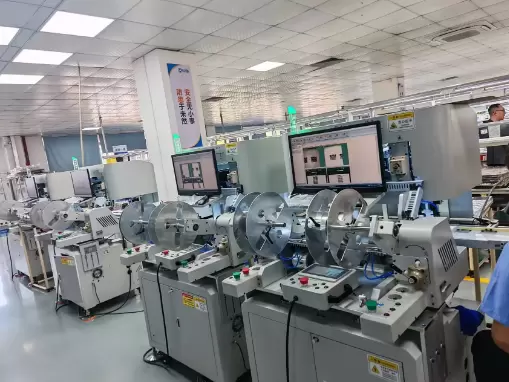
Advanced manufacturing technologies ensure consistent thermal performance and reduce quality-related issues.
Products that maintain lower operating temperatures generally experience fewer failures and lower maintenance costs.
Several emerging trends are shaping the future of thermal engineering:
As electronic systems continue to become more powerful and compact, thermal management will remain a critical factor in product competitiveness and operational efficiency.
Industrial thermal management is no longer simply a technical requirement—it is a strategic investment that directly impacts energy efficiency, operational reliability, and long-term cost reduction. Companies that prioritize advanced thermal design, simulation, and precision manufacturing can achieve significant competitive advantages through improved product performance and lower operating costs.
By combining thermal simulation expertise, innovative manufacturing technologies such as Metal Nano Molding, and precision CNC machining capabilities, SOGOOD helps businesses develop reliable, high-performance products that meet the demanding thermal requirements of modern industries. Whether serving electronics, automotive, medical, telecommunications, or AI applications, effective thermal management remains one of the most practical ways to improve efficiency while reducing costs throughout the product lifecycle.