Enhancing Electronic Device Reliability Through Thermal Simulation
May 06, 2026
Medical devices require exceptional levels of precision, reliability, and consistency. From surgical instruments and diagnostic equipment to implant components and medical device housings, every part must meet strict dimensional requirements to ensure safety and performance. Among the many manufacturing technologies available today, CNC precision machining has become one of the most important solutions for producing high-quality medical components with complex geometries and tight tolerances.
In medical manufacturing, accuracy is not simply about producing a part that matches a drawing. It involves controlling every stage of production, including material selection, machining parameters, surface finishing, inspection processes, and quality management. Even a small dimensional deviation can affect assembly performance, sterilization compatibility, or the overall functionality of a medical device.
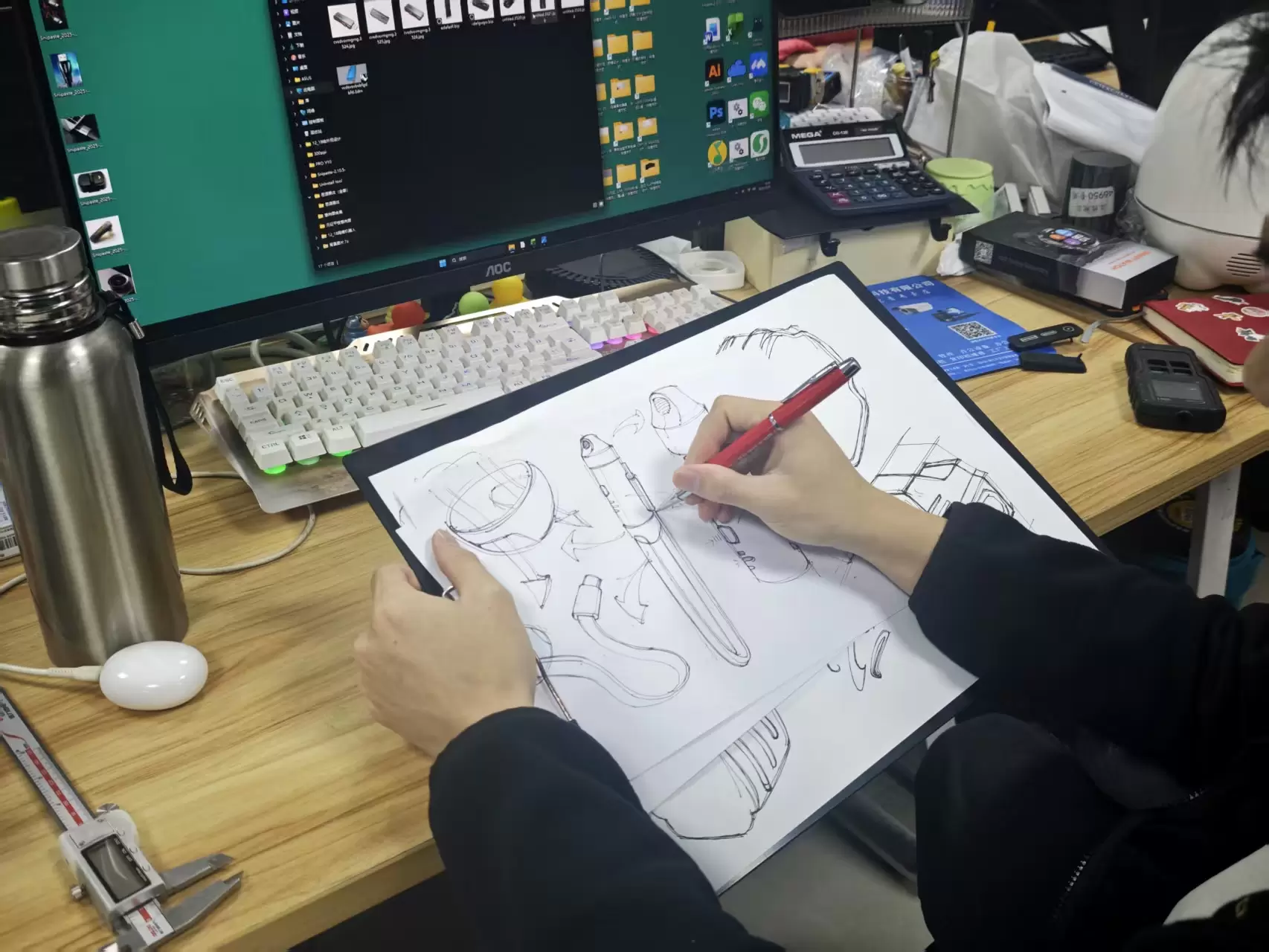
As a professional one-stop manufacturing service provider, SOGOOD specializes in product design, thermal simulation design, precision hardware manufacturing, and thermal management solutions. With advanced CNC machining capabilities and metal nano molding technology, SOGOOD provides customized manufacturing solutions for industries including electronics, communications, automotive, medical, and artificial intelligence. The company supports customers from initial concept development to mass production with integrated engineering and manufacturing expertise.
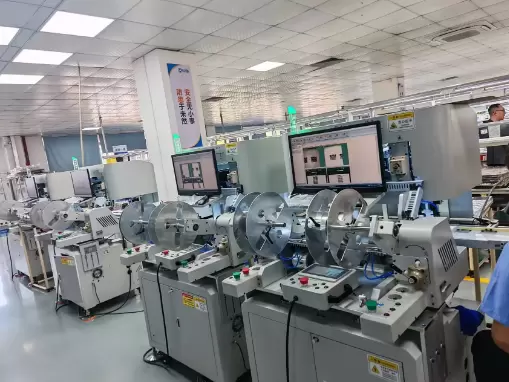
Medical components often operate in environments where precision directly impacts patient safety. Unlike general industrial parts, medical components usually require higher manufacturing standards because they must meet strict functional and regulatory requirements.
For example, surgical instruments may require precise movement between multiple components. A small tolerance error can influence mechanical performance or cause improper operation. Similarly, medical equipment housings must maintain accurate dimensions to protect sensitive electronic components and ensure reliable operation.
CNC machining enables manufacturers to achieve:
Modern CNC machines use computer-controlled systems to maintain consistent machining accuracy throughout production. This makes CNC machining especially suitable for medical applications where every component must perform identically.
Machining tolerance refers to the acceptable range of dimensional variation allowed during manufacturing. In medical component production, tolerance requirements depend on the application, material, component structure, and functional purpose.
A typical engineering drawing may specify tolerances for:
For medical parts, tolerances are often much tighter than standard industrial applications. Components used in precision instruments may require micron-level control to ensure proper assembly and long-term reliability.
Achieving these tolerances requires more than advanced machinery. It requires experienced engineers who understand material behavior, machining processes, and quality control methods.
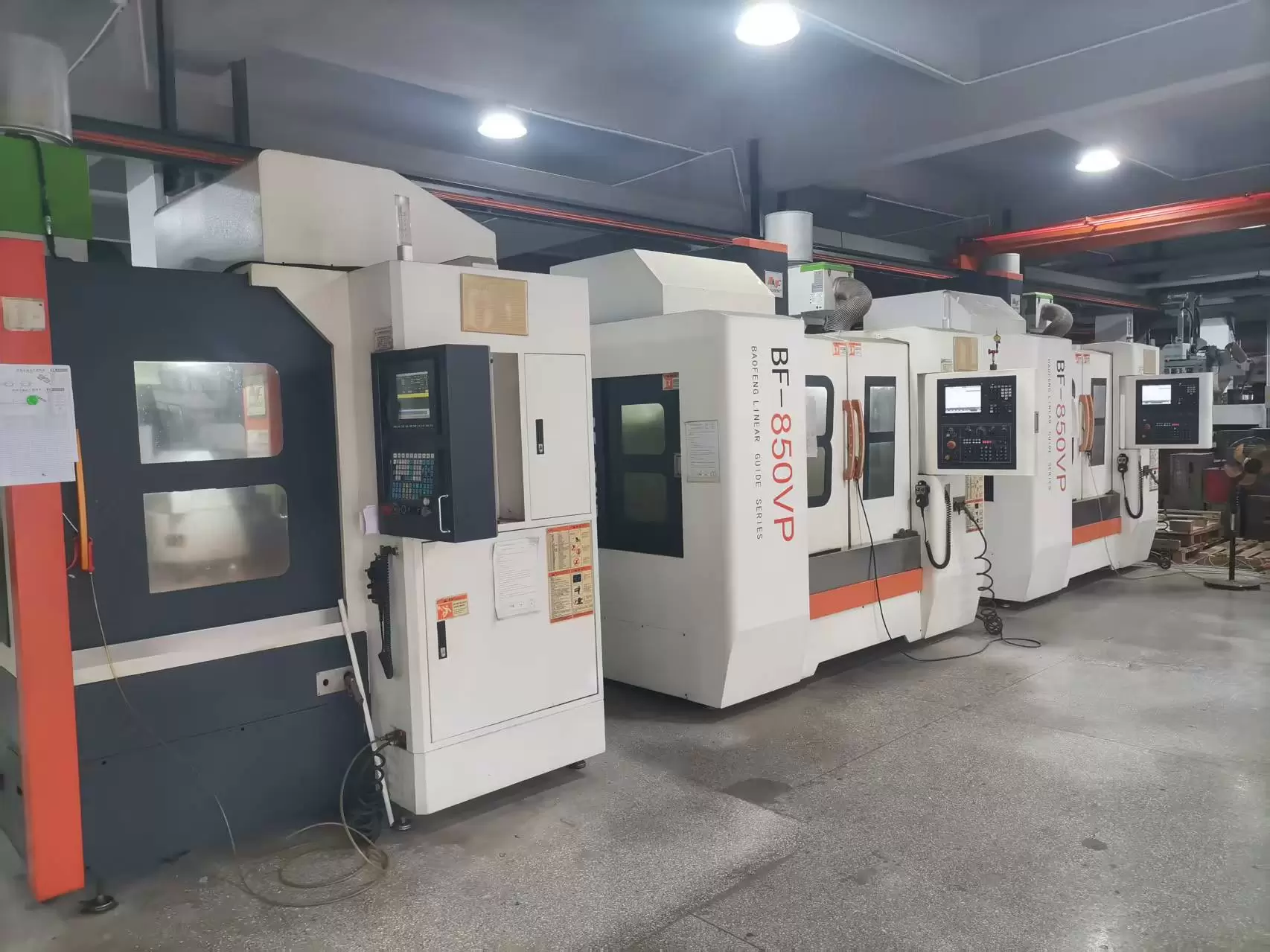
The performance of CNC equipment directly influences machining accuracy. High-quality CNC machines provide better positioning accuracy, improved repeatability, and greater stability during continuous production.
Factors such as machine calibration, spindle condition, vibration control, and temperature management all affect final component accuracy.
Professional manufacturers regularly maintain and calibrate equipment to minimize production variations and ensure stable output.
Medical components are manufactured using various materials, including aluminum alloys, stainless steel, titanium, and engineering plastics. Each material has different machining characteristics.
For example:
Choosing the correct material and adjusting machining strategies are essential for achieving the required tolerances.
Cutting tools directly influence surface quality and dimensional accuracy. Worn or unsuitable tools may cause:
Experienced CNC engineers optimize cutting speed, feed rate, tool paths, and cooling methods according to different materials and component designs.
Temperature changes during machining can affect material expansion and contraction, resulting in dimensional variations. This is particularly important for medical components requiring extremely tight tolerances.
Advanced manufacturers use thermal management methods and simulation analysis to predict potential issues before production.
SOGOOD combines thermal simulation design with precision machining capabilities to help customers improve product reliability and optimize structural performance.
CNC machining supports a wide range of medical applications, including:
Surgical tools require high precision, smooth surfaces, and excellent durability. CNC machining enables the production of complex surgical components with accurate dimensions and reliable mechanical performance.
Medical electronic devices often require lightweight, durable, and precisely manufactured enclosures. CNC machining allows manufacturers to create customized housings that protect internal components while meeting design requirements.
Diagnostic devices depend on precise mechanical structures to maintain measurement accuracy. CNC-machined components help ensure stable operation and long service life.
As personalized healthcare develops, customized medical components are becoming increasingly important. CNC machining provides flexibility for low-volume production and complex customized designs.
Precision manufacturing requires strict quality management throughout the production process. Professional CNC manufacturers typically use multiple inspection methods to verify component accuracy.
Common quality control processes include:
A reliable quality system helps manufacturers identify potential issues early and maintain consistent production results.
SOGOOD has established a modern quality management system based on international standards, and its products have achieved ISO9001 certification. Through strict manufacturing controls and professional engineering support, SOGOOD helps customers achieve stable product quality for demanding applications.
Advanced manufacturing technology is important, but engineering experience plays an equally critical role. Medical components often involve complex designs that require cooperation between industrial designers, structural engineers, and manufacturing specialists.
SOGOOD was established with a strong focus on metal nano molding technology, CNC precision machining, and mold flow analysis. Its experienced engineering team has more than 20 years of expertise in metal nano molding and CNC machining, with professional backgrounds including experience at BYD.
The company’s team also includes experienced industrial designers and mold engineers, with core members having contributed to well-known product development projects such as Motorola A1200 and A1600. This combination of design capability and manufacturing knowledge allows SOGOOD to provide practical solutions that balance appearance, structure, performance, and manufacturability.
For more information about customized precision manufacturing projects, visit:
<a href="https://www.sogoodprecision.com/project/">CNC precision machining projects</a>
Selecting the right manufacturing partner is essential for medical product development. Companies should consider several factors when evaluating CNC machining suppliers:
A capable manufacturer should provide support from product design optimization to production implementation. Early engineering involvement can help reduce manufacturing risks and improve final product performance.
Modern medical components often require advanced machining equipment, precision inspection systems, and innovative manufacturing methods.
A reliable supplier should have established quality procedures to ensure consistent production standards.
Medical parts often involve challenging designs and strict requirements. Manufacturers with experience in precision industries can provide better solutions.
SOGOOD works with global industry leaders including Qualcomm, ZTE, Lenovo, NEC, Han’s Laser, Philips, Panasonic, Haier, Midea, ASUS, and TCL. Through innovative design, reliable manufacturing capabilities, and attentive service, SOGOOD helps customers successfully transition from research and development to market production.
CNC machining accuracy plays a critical role in modern medical component production. Tight tolerances, stable processes, advanced equipment, and professional engineering expertise are all necessary to create reliable medical products.
As medical technology continues to evolve, manufacturers need partners who can provide not only precision machining but also comprehensive engineering support. With expertise in CNC machining, metal nano molding, thermal simulation, and customized manufacturing solutions, SOGOOD delivers high-quality production services for medical and other high-value industries.
By combining innovation, precision, and quality management, SOGOOD helps customers develop products that meet demanding technical requirements and achieve long-term market success.