Maximizing Electronic Device Performance with Heat Dissipation Simulation
Jan 23, 2026
In today's highly competitive consumer electronics market, speed, efficiency, and product quality are no longer optional—they are critical factors that determine commercial success. Whether developing smart devices, communication equipment, wearable technology, medical electronics, or AI-powered products, companies face increasing pressure to shorten development cycles while maintaining high manufacturing standards.
Traditionally, businesses often worked with multiple suppliers for industrial design, structural engineering, mold development, CNC machining, thermal management, assembly, and quality control. While this approach may seem flexible, it frequently creates communication gaps, project delays, increased costs, and quality inconsistencies.
This is why more companies are turning to one-stop consumer electronics manufacturing services. By integrating product development and manufacturing under one roof, businesses can significantly reduce lead times, improve collaboration, and optimize overall project costs.
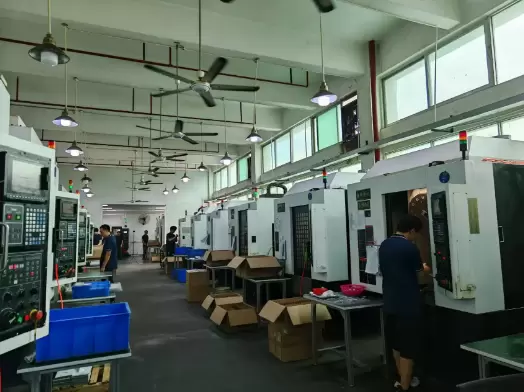
One-stop manufacturing refers to a comprehensive service model that covers the entire product development and production process, including:
Instead of managing several independent vendors, customers work with a single manufacturing partner that oversees every stage of production.
This integrated approach reduces complexity and enables faster decision-making throughout the project lifecycle.
Many companies underestimate the operational costs associated with coordinating multiple vendors.
Common challenges include:
When industrial designers, mold makers, machining suppliers, and assembly factories operate independently, design modifications must be communicated repeatedly between different parties.
Even small engineering changes can result in:
These delays accumulate and can significantly postpone product launch schedules.
Different suppliers often use varying design standards and manufacturing assumptions.
For example:
Correcting these problems after tooling has begun can lead to expensive redesigns and production setbacks.
Managing separate vendors often requires transporting components between multiple facilities for processing, inspection, and assembly.
This increases:
An integrated manufacturing environment eliminates much of this unnecessary movement.
One of the biggest advantages of a one-stop manufacturing partner is the seamless transition from design to production.
Engineering teams collaborate closely with manufacturing specialists from the beginning of the project.
Potential issues related to:
can be identified and resolved during the design phase rather than after production starts.
This proactive approach significantly shortens development cycles.
When all departments operate within a unified organization, cross-functional reviews become more efficient.
Industrial designers, structural engineers, mold experts, CNC specialists, and thermal engineers can evaluate designs simultaneously.
Instead of waiting days or weeks for external supplier feedback, improvements can often be implemented immediately.
Rapid prototyping plays a crucial role in modern product development.
Integrated manufacturers typically offer:
This allows customers to validate designs quickly before investing in full-scale production.
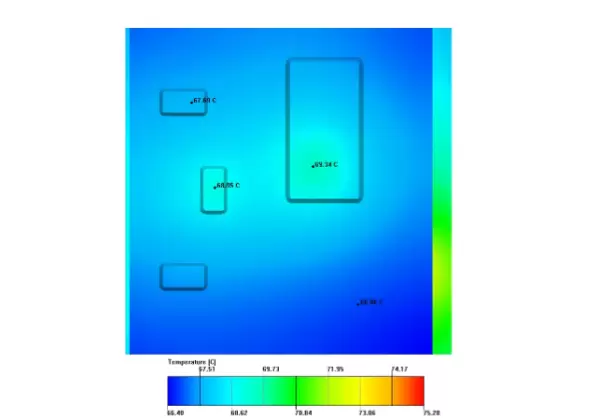
Thermal management has become increasingly important in modern consumer electronics.
As devices become smaller and more powerful, overheating can cause:
Advanced thermal simulation enables engineers to predict heat distribution before physical prototypes are produced.
This helps manufacturers:
By solving thermal challenges early, companies avoid expensive redesigns later in the development process.
Precision machining remains essential for many consumer electronics products.
CNC machining supports:
A one-stop manufacturing partner with in-house CNC capabilities can dramatically reduce lead times.
Engineering changes can be implemented directly without outsourcing work to additional suppliers.
This flexibility is particularly valuable during product validation and pilot production stages.
As consumer electronics become thinner, lighter, and more sophisticated, manufacturers require advanced production technologies that deliver both precision and scalability.
Metal Nano Molding Technology (NMT) provides significant advantages by enabling strong integration between metal and plastic components.
Benefits include:
NMT is particularly useful in smartphones, tablets, wearable devices, communication equipment, and smart electronics.
By reducing assembly complexity, manufacturers can improve production efficiency and lower operational costs.
Consider a company developing a new AI-powered communication device.
Using separate suppliers, the workflow might involve:
Each stage introduces additional communication and coordination requirements.
In contrast, a one-stop manufacturing provider can manage all these activities through a unified project team.
The result is:
Most importantly, the customer gains a single point of accountability throughout the project.
Many leading electronics companies increasingly seek manufacturing partners that offer comprehensive capabilities.
The reasons are straightforward:
Unified production systems enable tighter process monitoring and inspection standards.
Integrated workflows reduce bottlenecks and improve project execution speed.
Customers spend less time coordinating suppliers and resolving communication issues.
Engineering and manufacturing teams collaborate closely to develop practical solutions that balance performance, manufacturability, and cost efficiency.
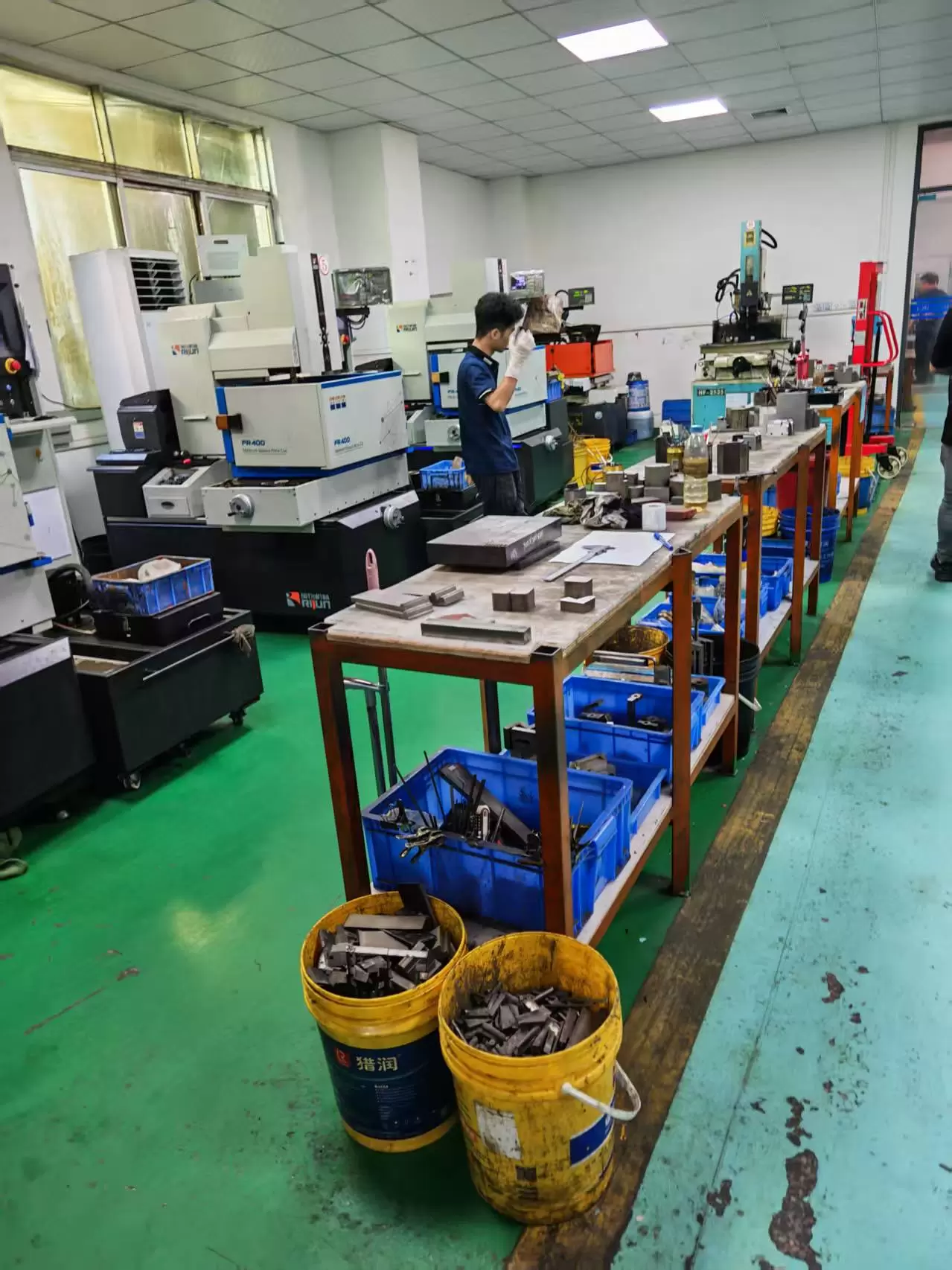
SOGOOD provides comprehensive one-stop manufacturing services for customers across the electronics, communication, automotive, medical, and artificial intelligence industries.
Established in Shenzhen, China's internationally recognized design hub, SOGOOD combines industrial innovation with advanced manufacturing expertise.
The company specializes in:
SOGOOD's engineering team includes experienced industrial designers, structural engineers, and mold specialists with deep expertise in consumer electronics development. Core team members previously participated in the design and engineering of iconic Motorola A1200 and A1600 products.
The company has also served globally recognized industry leaders, including Qualcomm, ZTE, Lenovo, NEC, Han's Laser, Philips, Panasonic, Haier, Midea, ASUS, and TCL.
With engineers possessing more than 20 years of experience in NMT and CNC precision machining, SOGOOD delivers practical engineering solutions that help customers move efficiently from concept development to market launch.
For companies seeking reliable OEM and ODM manufacturing support, SOGOOD provides a complete ecosystem that minimizes project complexity while maximizing development efficiency.
Learn more about SOGOOD's manufacturing projects and capabilities here:
<a href="https://www.sogoodprecision.com/project/">One-Stop Consumer Electronics Manufacturing Solutions</a>
One-stop consumer electronics manufacturing offers a practical solution to many of the challenges facing modern product developers. By integrating design, engineering, thermal analysis, precision machining, mold development, and production into a unified workflow, companies can significantly reduce development time, minimize operational costs, and improve product quality.
As consumer electronics continue to evolve, manufacturers that can provide comprehensive engineering and production services will play an increasingly important role in helping brands accelerate innovation and achieve sustainable growth.
For businesses looking to streamline development and reduce manufacturing complexity, partnering with an experienced one-stop provider can be a decisive competitive advantage.