How CNC Aluminum Machining Saves Time and Reduces Costs in Production
Aug 26, 2026
Medical devices must meet demanding requirements for accuracy, reliability, durability, and ease of maintenance. From surgical instruments to diagnostic equipment, even a small dimensional deviation can affect assembly, performance, or the user experience. This is why CNC precision machining has become an important manufacturing method across the medical industry.
CNC (Computer Numerical Control) machining uses computer-controlled cutting tools to produce components according to digital engineering designs. It supports the production of complex geometries, accurate holes, fine threads, and carefully finished surfaces. Depending on the material and application, CNC machining can also accommodate prototypes, small production batches, and repeat orders.
As medical equipment becomes more compact and technologically advanced, manufacturers increasingly need components that fit within limited spaces while maintaining consistent performance. CNC precision machining helps address these requirements across several medical industries, including surgical equipment, diagnostic systems, medical imaging, laboratory instruments, and patient monitoring devices.
Surgical instruments are among the most demanding applications for CNC precision medical components. Scissors, forceps, clamps, handles, and specialized surgical tools often contain small features that must fit together accurately and operate smoothly.
CNC machining allows manufacturers to produce controlled edges, precise pivot holes, threaded connections, and ergonomic handle features. Consistent dimensions are particularly important for instruments with moving parts, where excessive clearance can affect handling and insufficient clearance can cause binding.
Stainless steel is widely used for many surgical instruments because of its strength, corrosion resistance, and suitability for repeated cleaning when the selected grade and finished product are properly designed. Titanium alloys may also be selected when low weight and specific mechanical properties are important.
Surface finishing is another essential consideration. Burrs, sharp unintended edges, and rough surfaces can interfere with assembly, cleaning, and safe handling. Manufacturers therefore need to consider deburring, polishing, cleaning, and inspection alongside the machining process.
For reusable surgical tools, material selection and component design must also support the intended cleaning, disinfection, and sterilization procedures. Machining alone does not establish that a finished instrument is suitable for clinical use; the complete product must be validated for its intended application.
Medical imaging systems, including X-ray, CT, and MRI equipment, rely on mechanical structures that maintain the correct position of components during operation. CNC-machined brackets, mounting plates, equipment housings, and precision connectors help support stable assembly and alignment.
In these applications, dimensional consistency can simplify installation and reduce the need for manual adjustments. Machined components can also incorporate multiple mounting features into a single part, reducing the number of separate pieces required in an assembly.
Material selection depends on the specific imaging technology. Aluminum may be appropriate for lightweight structural parts and equipment housings, while stainless steel and other alloys may suit components requiring particular strength or environmental resistance. MRI-compatible applications require special attention to magnetic properties and the complete assembly design; a material should not be assumed suitable solely because it is commonly used in medical equipment.
Thermal management can also be relevant to imaging systems. Electronic modules, power supplies, and control units may generate heat during operation. Precision-machined enclosures and heat-dissipation components can help engineers integrate these systems into compact equipment while maintaining appropriate operating temperatures.
Diagnostic analyzers and patient monitoring systems combine electronic circuits, sensors, displays, connectors, and mechanical supports. Their housings and internal components must protect sensitive electronics while allowing access for assembly, maintenance, and calibration.
CNC precision machining is useful for producing sensor mounts, connector interfaces, small brackets, instrument frames, and custom metal enclosures. Accurate mounting features help maintain the intended position of sensors and circuit boards, while well-controlled openings support cable routing and connector installation.
For portable diagnostic devices, weight and size are important design factors. Aluminum components can offer a practical balance between low weight, machinability, and structural performance. Stainless steel may be more suitable for selected interfaces or parts exposed to demanding cleaning environments.
Medical device designers must also consider electromagnetic compatibility, sealing, and environmental protection where applicable. A machined housing may contribute to shielding or provide a mounting structure for seals, but these functions depend on the design, materials, interfaces, and verification of the complete device.
Laboratories use a wide range of instruments, including sample preparation systems, automated analyzers, fluid handling equipment, and research instruments. Many contain small mechanical components that must maintain reliable alignment through repeated operating cycles.
CNC machining can produce precision adapters, valve bodies, instrument supports, positioning fixtures, and custom housings. For automated laboratory systems, repeatable dimensions help ensure that components fit consistently into assemblies and that moving mechanisms follow their intended paths.
Material compatibility is especially important when components contact samples, reagents, or cleaning agents. The correct material depends on chemical exposure, temperature, wear, and the required cleaning process. Where a component contacts a biological sample, the manufacturer must assess the relevant material and surface requirements rather than relying on material names alone.
CNC machining is also useful during product development. Engineers can manufacture functional prototypes, evaluate assembly clearances, and test mechanical performance before committing to larger production runs. Design changes can then be incorporated into subsequent machining programs, making the process practical for evolving laboratory equipment.
Dental equipment and orthopedic devices require different combinations of precision, strength, surface quality, and material performance.
For dental equipment, CNC machining can produce instrument components, handpiece housings, adjustment mechanisms, mounting elements, and small connectors. Tight interfaces can help reduce unwanted movement and support consistent assembly. Components exposed to moisture or repeated cleaning also require appropriate material and finish selection.
Orthopedic applications may include surgical instrument components, positioning fixtures, trial components, and selected implant-related parts. Titanium alloys and medical-grade stainless steels are used in specific applications because of their mechanical properties and established uses in medical manufacturing.
However, implantable components require substantially more than dimensional accuracy. Material traceability, surface characteristics, cleanliness, validated processes, and applicable regulatory requirements must be addressed. Machining capability alone does not demonstrate that a component is suitable for implantation.
For OEMs developing dental or orthopedic products, early communication between design engineers and machining specialists can help identify difficult-to-machine features, unnecessary complexity, and potential inspection challenges before production begins.
Selecting the right material is one of the first decisions in manufacturing CNC precision medical components. The choice should reflect the component's actual function rather than a general preference for a particular metal.
Common considerations include:
Stainless steel: Useful for components requiring strength and corrosion resistance, provided the selected grade and finish suit the intended environment.
Aluminum alloys: Often suitable for lightweight housings, brackets, frames, and thermal management parts.
Titanium alloys: Used in selected applications where weight, strength, and specific material properties justify their use.
Engineering plastics: Suitable for certain insulating, lightweight, or chemically compatible components, depending on the grade and operating conditions.
Design for manufacturability is equally important. Deep narrow cavities, very thin walls, difficult tool access, and unnecessarily tight tolerances can increase production complexity. Engineers should specify tight tolerances only where the function requires them and define critical dimensions clearly on technical drawings.
A practical design review should examine machining access, datum selection, material availability, surface finish, assembly requirements, and inspection methods. These steps can help prevent avoidable rework and make the transition from prototype to repeat production more predictable.
Medical component manufacturing requires a structured approach to quality. Inspection should be planned around the features that influence fit, function, and product safety.
Depending on the component, quality checks may include dimensional measurement, thread inspection, surface examination, material verification, and review of production records. Coordinate measuring machines and other suitable inspection equipment can be used when complex geometries or tight dimensional requirements need verification.
Repeatability also depends on process control. Stable machining parameters, appropriate tooling, consistent workholding, preventive maintenance, and documented inspection procedures help reduce variation between batches.
ISO 9001 provides a framework for quality management, but it does not by itself establish that a supplier or product meets every medical-device regulatory requirement. Customers should evaluate the specific quality controls, documentation, traceability, and validation needed for their application.
For OEM and ODM projects, clear communication of drawings, revisions, acceptance criteria, and inspection requirements is essential. Agreeing on these details before production helps both parties understand what constitutes an acceptable component.
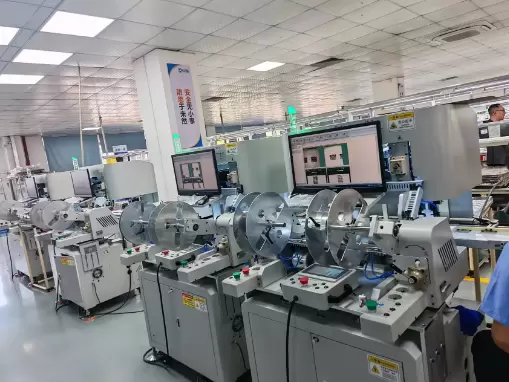
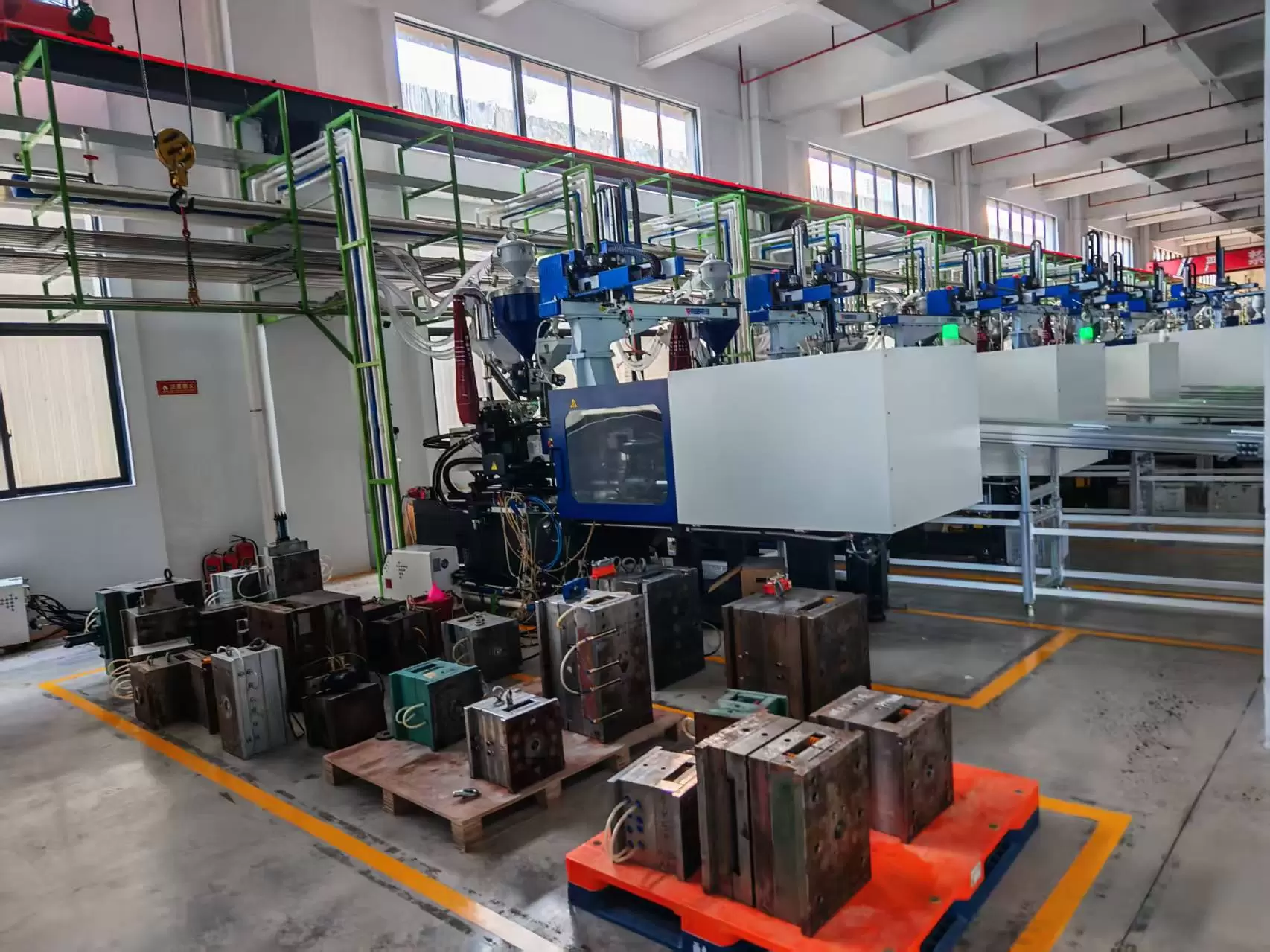
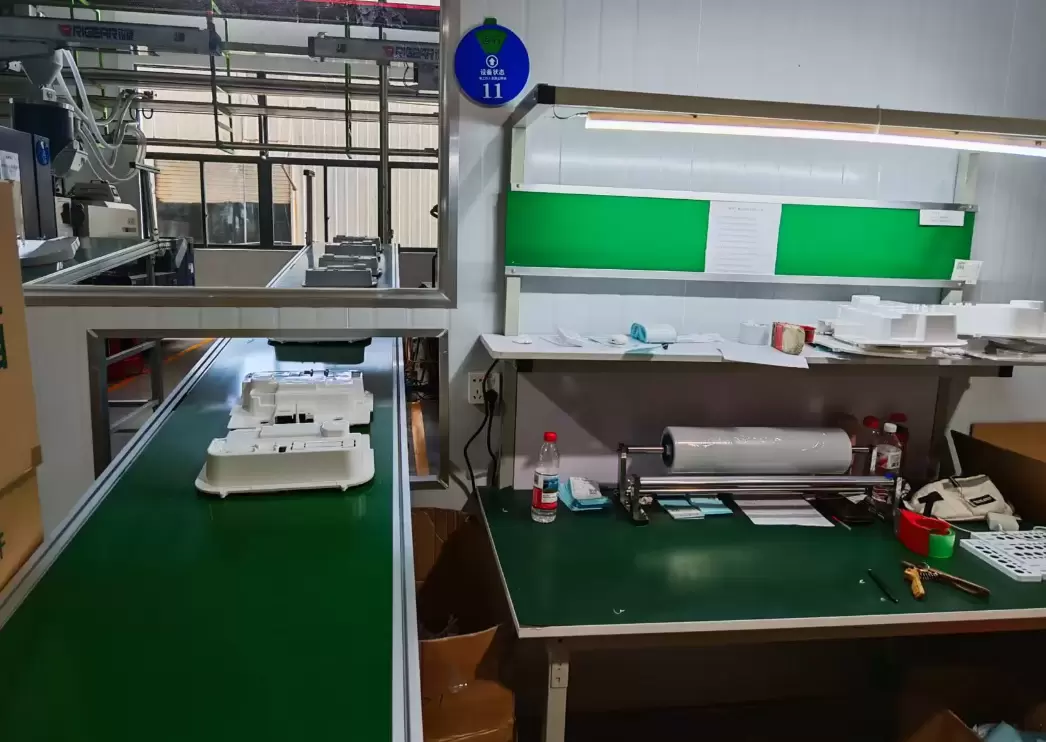
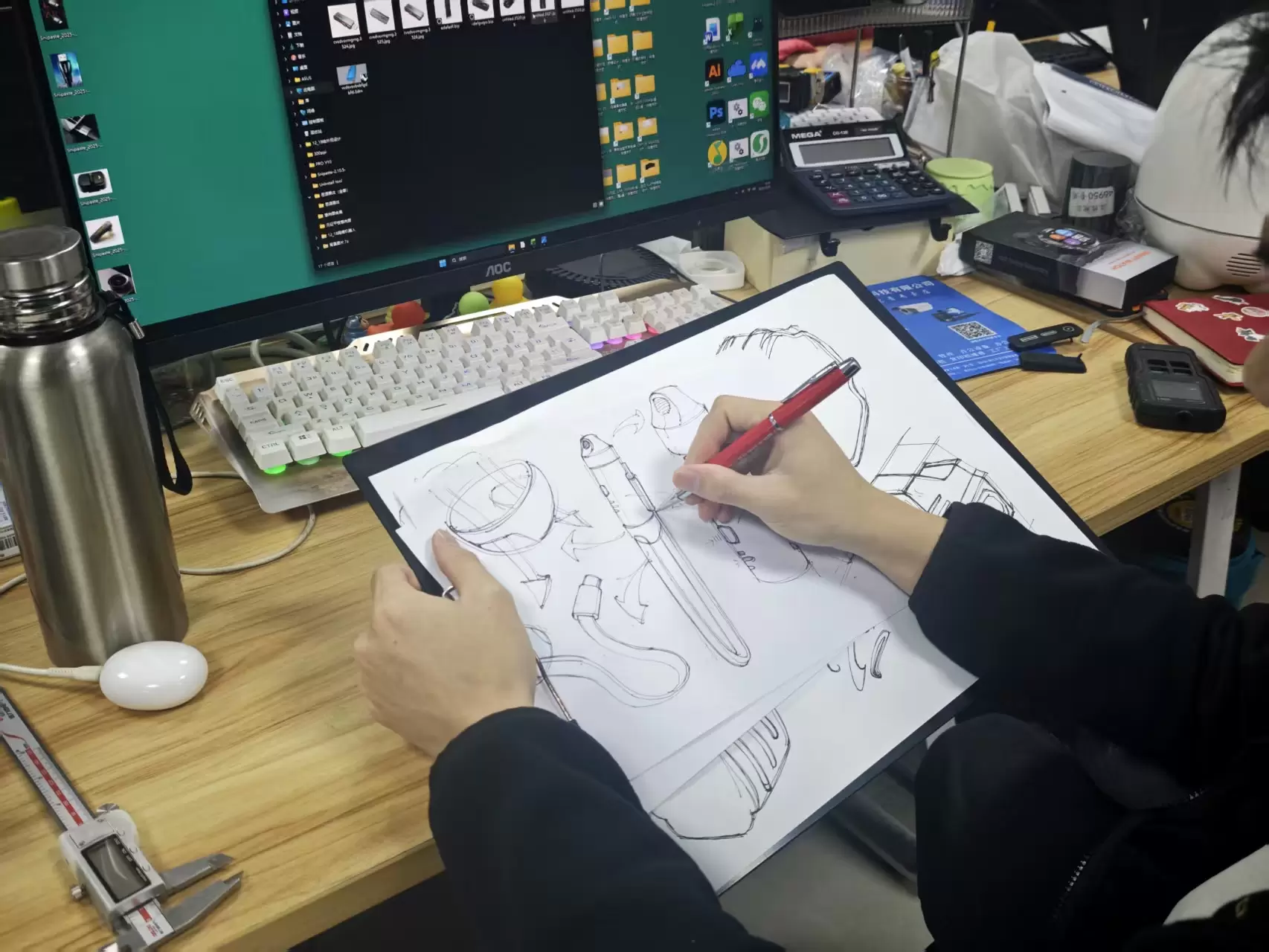
SOGOOD provides one-stop manufacturing services covering product design, thermal simulation design, precision hardware, and heat dissipation solutions. Established in Shenzhen in October 2009, the company serves industries including electronics, communications, automotive, medical equipment, and artificial intelligence.
Its capabilities include CNC precision machining and metal nano molding technology, supported by engineering experience in industrial design, structural design, and mold engineering. These capabilities can be relevant to medical equipment developers who need custom metal components, precision housings, mounting structures, or integrated mechanical solutions.
For projects involving electronic medical equipment, mechanical design and thermal management may need to be considered together. An enclosure must accommodate circuit boards, connectors, and mounting points while allowing the device to manage heat appropriately. Early engineering reviews can help identify potential conflicts between packaging, manufacturability, and thermal performance.
SOGOOD also offers OEM and ODM cooperation for customers developing customized products. Its ISO 9001-certified quality management system provides a foundation for organized manufacturing and quality control. For medical applications, project teams should additionally confirm the specific documentation, traceability, validation, and regulatory controls required for the finished component and device.
To explore relevant engineering capabilities and completed projects, visit the SOGOOD precision manufacturing project portfolio. Sharing drawings, material requirements, critical tolerances, expected quantities, and operating conditions can help establish whether a proposed component is suitable for the available manufacturing processes.
CNC precision medical components support a wide range of equipment, from surgical instruments and imaging systems to laboratory analyzers, dental devices, and patient monitoring products. Their value comes from accurate geometry, dependable assembly, appropriate materials, and consistent manufacturing—not simply from achieving the smallest possible tolerance.
Successful projects begin with a clear understanding of the component's intended use. Material selection, design for manufacturability, surface finishing, inspection planning, and quality documentation should all be considered early in development.
By combining engineering collaboration with suitable machining processes and disciplined quality control, medical device manufacturers can develop components that meet practical design requirements and support reliable product assembly. For companies seeking customized metal components or integrated enclosure solutions, working with an experienced manufacturing partner can make the path from prototype to production more manageable.