Why Global Brands Choose a Power Bank Factory in China for OEM & ODM
Feb 16, 2026
In today’s highly competitive manufacturing landscape, product performance is no longer defined solely by functionality or appearance. Thermal behavior has become a decisive factor that directly impacts reliability, lifespan, safety, and user experience. From compact consumer electronics to high-power automotive and AI hardware, unmanaged heat can quickly undermine even the most innovative designs. This is where professional thermal simulation design services play a critical role—helping companies identify risks early, optimize structures, and achieve stable performance before mass production.
As products become smaller, faster, and more powerful, internal heat density continues to rise. Traditional trial-and-error prototyping is costly and slow, especially when thermal issues only become visible after physical samples are built. Thermal simulation provides a data-driven alternative.
By using simulation tools during the design stage, engineers can predict temperature distribution, airflow patterns, and heat dissipation efficiency under real operating conditions. This allows design teams to:
Detect hotspots before tooling begins
Compare different materials and structures efficiently
Reduce physical prototype iterations
Shorten development cycles
Improve product reliability and compliance
Thermal simulation is not just a validation step—it is a design decision tool.
One common challenge companies face is the gap between conceptual design and manufacturability. A structure that looks ideal in CAD may be difficult to machine or ineffective in real-world thermal conditions. This is why simulation must be closely integrated with manufacturing expertise.
SOGOOD approaches thermal simulation as part of a broader, one-stop manufacturing service. Rather than treating simulation as an isolated engineering task, it is aligned with product design, precision hardware development, and final heat dissipation solutions. This integrated workflow ensures that simulation results translate into manufacturable, cost-effective products.
Thermal simulation design services are especially valuable in industries where heat management directly affects performance and safety.
Smart devices, network hardware, and power modules often operate continuously in compact enclosures. Thermal simulation helps optimize enclosure design, PCB layout, and heat sink structures to maintain stable operating temperatures without increasing size or weight.
From in-vehicle electronics to electric power components, automotive products must withstand harsh environments and long duty cycles. Thermal simulation allows engineers to test extreme scenarios, ensuring components meet reliability standards before entering production.
Medical equipment demands consistent performance and strict safety margins. Thermal simulation supports the development of enclosures and internal layouts that prevent overheating while maintaining quiet, compact designs suitable for clinical environments.
AI hardware generates significant heat loads in confined spaces. Simulation-driven design is essential to balance performance density with effective cooling, especially when integrating custom heat sinks and precision-machined components.
Thermal performance is not only about adding cooling components; it is about making informed choices at every level of design. Simulation enables engineers to evaluate:
Aluminum and other metal alloys for heat conduction
Wall thickness and rib structures for heat spreading
Surface treatments that influence thermal radiation
The placement and geometry of heat sinks
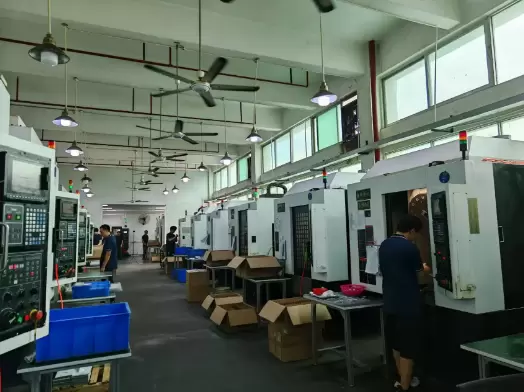
With SOGOOD’s expertise in metal nano-molding technology and CNC precision machining, simulation results can be directly applied to advanced manufacturing processes. This ensures that optimized designs are not only theoretically effective but also repeatable in mass production.
Simulation insights are most valuable when paired with the ability to execute complex designs accurately. SOGOOD’s core technologies—metal nano-molding and CNC machining—support high-precision production of thermal components and enclosures.
Metal nano-molding enables fine structural details that enhance heat transfer without increasing overall size. CNC machining ensures tight tolerances and consistent quality, which is critical when thermal performance depends on precise contact surfaces and airflow channels.
With engineers who bring over 20 years of experience in nano-molding and CNC machining, gained from their work at BYD, SOGOOD is able to translate simulation data into reliable, production-ready solutions.
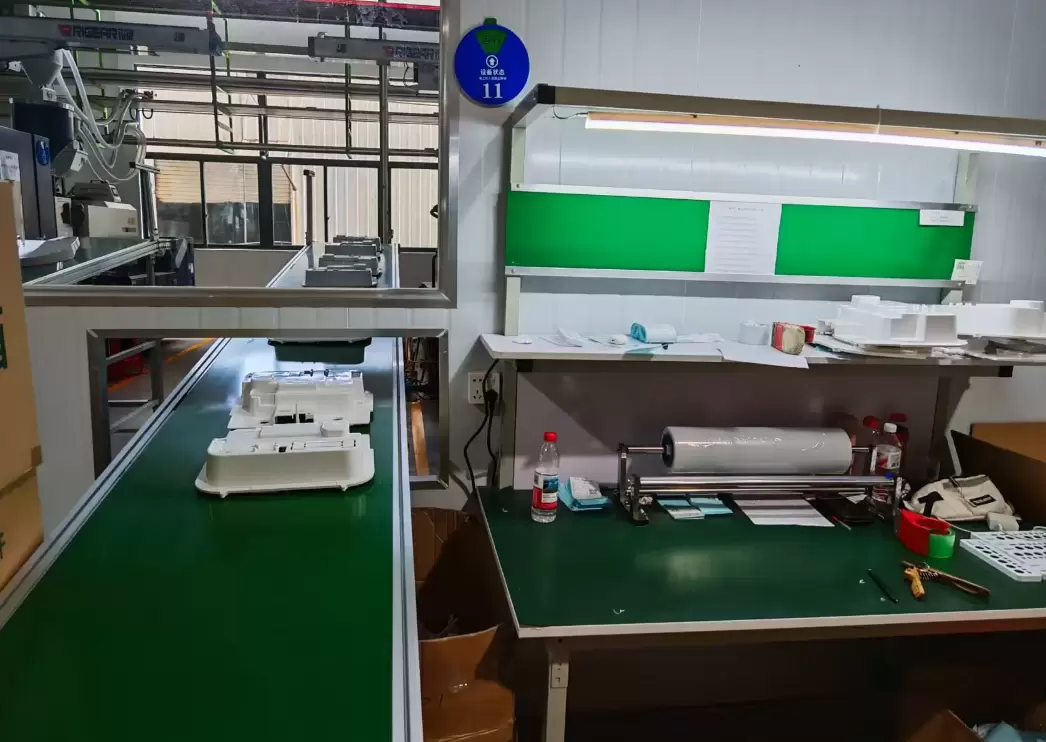
Thermal optimization is only meaningful if results are consistent across batches. A modern quality management system ensures that simulated performance matches real-world outcomes. SOGOOD operates under ISO9001-certified quality standards, applying strict controls from material selection to final inspection.
This systematic approach reduces variation, improves yield, and gives customers confidence that their products will perform as designed throughout their lifecycle.
Different clients have different needs. Some require rapid customization based on existing designs, while others need full OEM or ODM support from concept to market launch. Thermal simulation design services adapt to both models.
For OEM clients, simulation helps refine existing products and extend their performance limits. For ODM projects, simulation becomes a foundational tool that guides industrial design, structural engineering, mold development, and final production.
To learn more about how integrated thermal simulation fits into a complete manufacturing workflow, visit:<a href="https://www.sogoodprecision.com/service/">Thermal Simulation and Manufacturing Services</a>
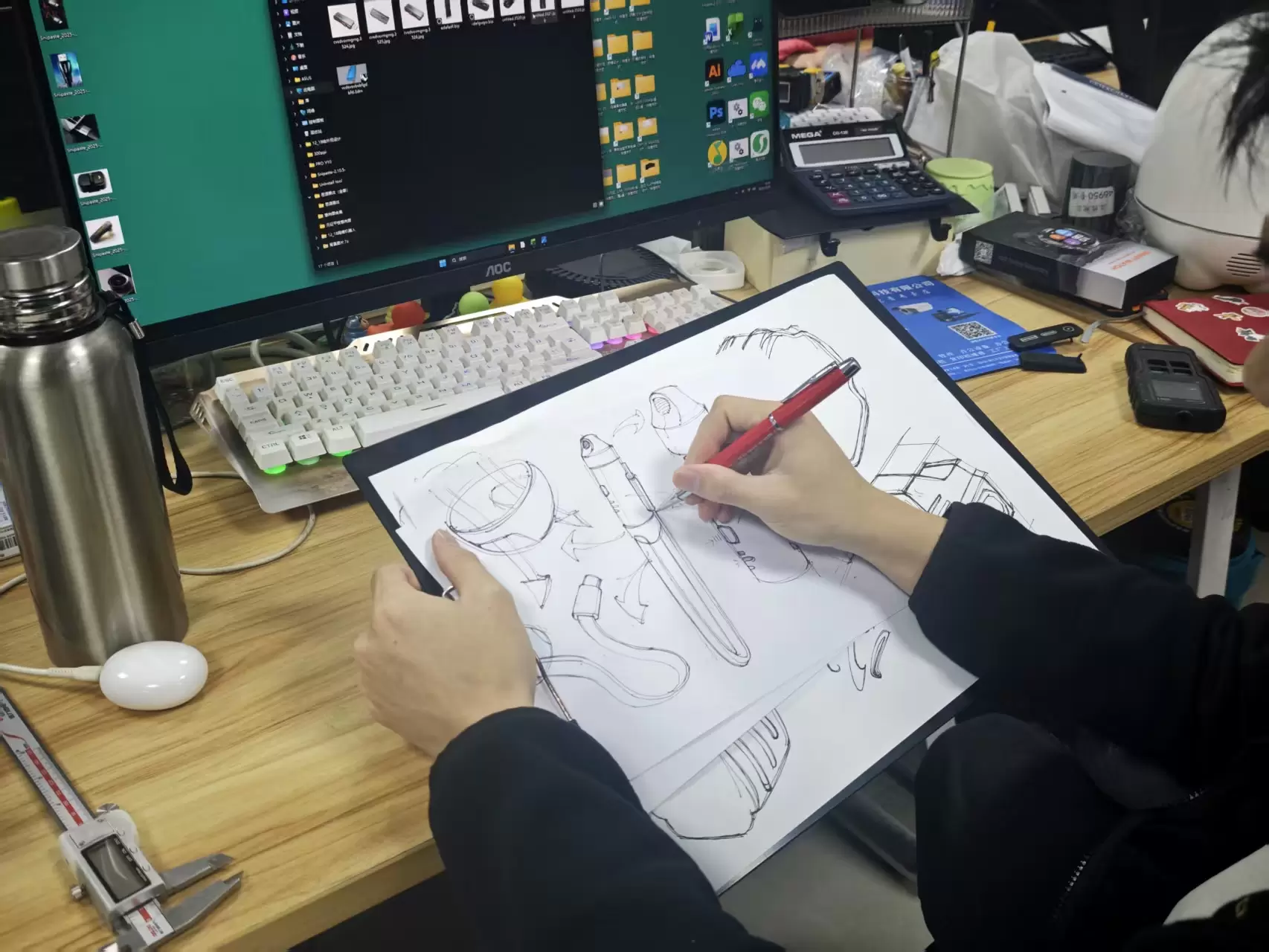
Founded in Shenzhen—China’s “City of Design”—SOGOOD has built a multidisciplinary team of industrial designers, structural engineers, and mold specialists. Core team members come from the original Motorola A1200 and A1600 design teams, bringing proven experience in high-impact product development. The company’s industrial designers have received Red Dot Design Awards, reflecting a strong balance between aesthetics and engineering performance.
Over the years, SOGOOD has supported global industry leaders including Qualcomm, ZTE, Lenovo, NEC, Han’s Laser, Philips, Panasonic, Haier, Midea, ASUS, and TCL. These collaborations demonstrate how thermal simulation, when combined with reliable manufacturing and thoughtful design, contributes directly to commercial success.
Thermal simulation design services are no longer optional for modern product development. They are a practical, results-driven approach to improving performance, reducing risk, and accelerating time to market. When integrated with advanced manufacturing capabilities, simulation becomes a powerful tool that connects innovation with real-world production.
By combining thermal simulation expertise, precision machining, and a proven quality system, SOGOOD helps companies move seamlessly from R&D to successful market launch—delivering products that perform reliably in demanding environments.