Inside a Professional Folding Bike Manufacturer: From Design to Production
Apr 24, 2026
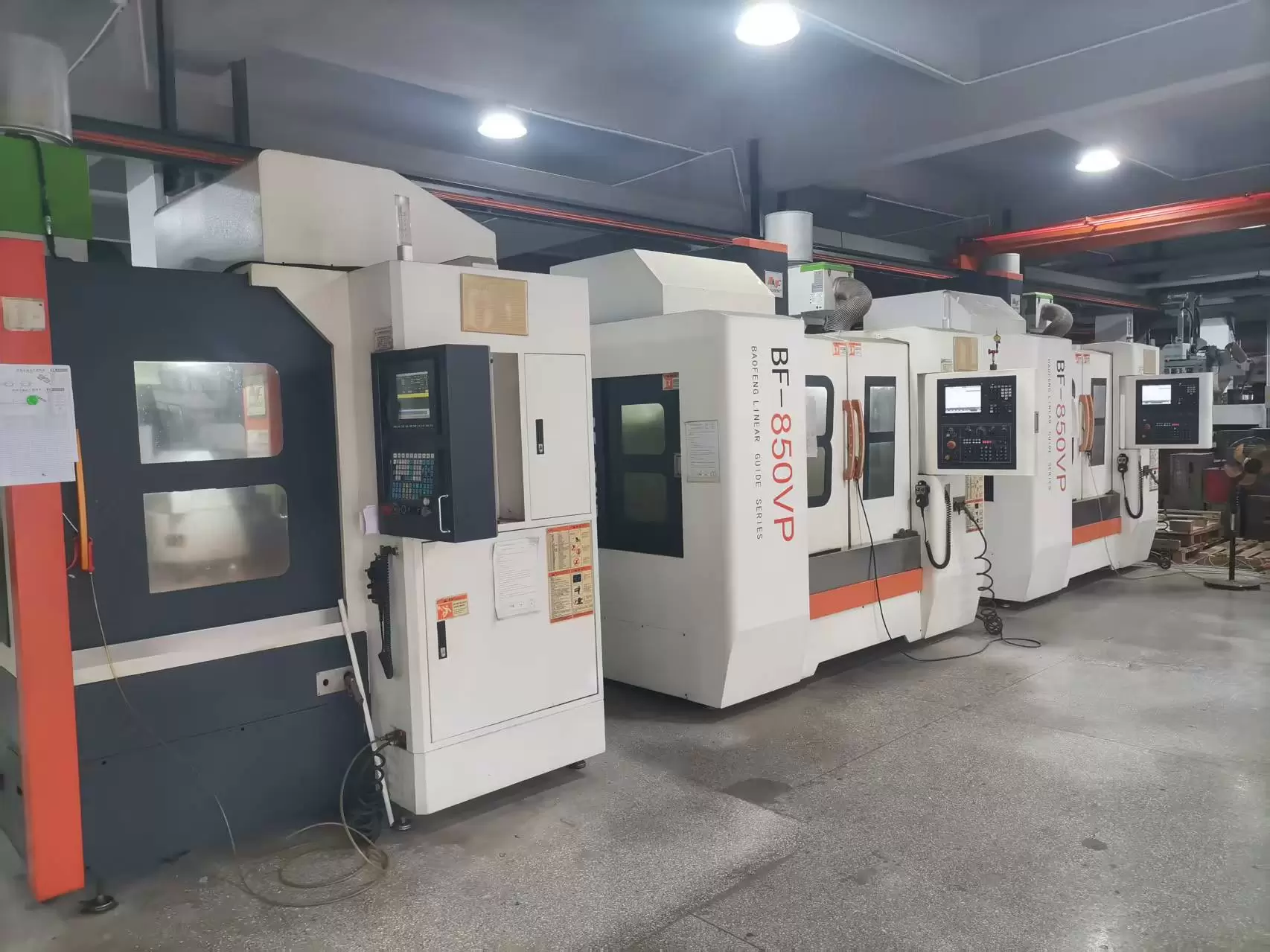
Aluminum alloys are widely regarded as one of the most CNC-friendly materials in modern manufacturing. Their excellent machinability, light weight, and thermal conductivity make them a preferred choice for electronics, industrial equipment, automotive systems, medical devices, and AI hardware.
However, “easy to machine” does not mean “free of problems.” In real production environments, aluminum alloy CNC machining presents a series of recurring challenges that directly affect accuracy, surface quality, yield rate, and long-term reliability. Understanding these challenges—and how experienced manufacturers address them—is essential for achieving consistent results.
One of the most common issues in aluminum CNC machining is built-up edge (BUE), where material adheres to the cutting tool edge. This can lead to tearing on the surface, poor finish, and dimensional inconsistency.
Why it happens:
Aluminum alloys are relatively soft and can stick to tools, especially when cutting parameters or tool coatings are not optimized.
How manufacturers solve it:
Experienced manufacturers select cutting tools specifically designed for aluminum, with sharp edges and appropriate coatings. Optimized spindle speeds, feed rates, and effective coolant strategies reduce adhesion and help maintain a clean cutting edge, resulting in smoother surface finishes.
Although aluminum dissipates heat well, thermal expansion during machining can still affect tight tolerances, particularly for precision components or thin-walled parts.
Why it happens:
Heat generated at the cutting zone can cause localized expansion, leading to temporary dimensional changes that affect accuracy.
How manufacturers solve it:
Thermal control is addressed through balanced cutting parameters, proper coolant application, and machining strategies that minimize heat concentration. For high-precision parts, manufacturers also consider machining sequence and allow parts to stabilize before final finishing passes.
As designs become lighter and more compact, thin walls and intricate geometries are increasingly common in aluminum CNC parts. These features are vulnerable to deformation during machining.
Why it happens:
Excessive clamping force, poor fixturing, or aggressive cutting parameters can introduce stress, causing parts to warp or lose dimensional integrity.
How manufacturers solve it:
Custom fixturing and carefully controlled workholding strategies are used to support parts without inducing stress. Machining is often divided into roughing and finishing stages, with material removed gradually to preserve stability.
Even though aluminum is less abrasive than some metals, tool wear still affects long production runs. Gradual tool degradation can lead to subtle dimensional drift that may not be immediately visible.
Why it happens:
High-speed machining, long cycle times, or inadequate tool monitoring can accelerate wear.
How manufacturers solve it:
Tool life management systems and scheduled inspections are implemented to ensure tools are replaced before accuracy is compromised. Consistent tooling standards and process documentation help maintain repeatability across batches.
Burrs are a frequent issue in aluminum CNC machining, especially around sharp edges, holes, and slots. Excessive burrs increase post-processing time and may affect assembly.
Why it happens:
Improper tool geometry, cutting direction, or machining sequence can cause material to tear rather than cut cleanly.
How manufacturers solve it:
Optimized tool paths, appropriate cutting strategies, and secondary finishing operations are used to control burr formation. Design-for-manufacturing input also helps reduce sharp features that are prone to burrs.
Not all aluminum alloy stock behaves identically. Variations in composition, temper, or internal stress can affect machining behavior.
Why it happens:
Material sourced from different suppliers or production batches may have subtle differences that impact cutting performance.
How manufacturers solve it:
Strict material verification and supplier qualification help minimize variation. For critical components, manufacturers may conduct trial cuts or adjust parameters to accommodate material behavior before full production begins.
Many aluminum CNC parts require surface treatments for corrosion resistance, wear protection, or aesthetics. Machining quality directly affects the final appearance and performance after finishing.
Why it happens:
Inconsistent surface roughness or hidden defects from machining can lead to uneven anodizing or coating results.
How manufacturers solve it:
CNC machining processes are tuned to produce uniform surface quality, with careful control over tool condition and cutting parameters. Surface inspection before finishing ensures predictable treatment outcomes.
Aluminum CNC projects often start with prototypes, but scaling to mass production introduces new challenges in consistency and efficiency.
Why it happens:
Processes optimized for small batches may not translate directly to higher volumes without adjustment.
How manufacturers solve it:
Manufacturers standardize machining parameters, fixturing, inspection methods, and work instructions early in development. This ensures that prototype performance can be replicated reliably at scale.
In advanced products, aluminum CNC machining is frequently combined with other processes such as injection molding or Nano Molding Technology.
Why it happens:
Aluminum parts must meet strict surface and dimensional requirements to integrate successfully with plastics or other materials.
How manufacturers solve it:
Machining processes are aligned with downstream requirements, ensuring aluminum substrates are prepared correctly for bonding or assembly. Close coordination between machining and other process teams reduces integration risk.
Many challenges in aluminum alloy CNC machining cannot be solved through theory alone. They require practical experience, process discipline, and cross-functional coordination.
A one-stop manufacturing model simplifies this complexity by aligning design, machining, simulation, and quality management. Manufacturers can identify potential issues early and resolve them before they impact production.
SOGOOD applies this integrated approach by combining CNC machining of aluminum alloys with product design, thermal simulation, Nano Molding Technology, and standardized quality systems. This allows common machining challenges to be addressed systematically rather than reactively.
To see how these challenges are managed in real production environments, visit
CNC precision machining of aluminum alloy.