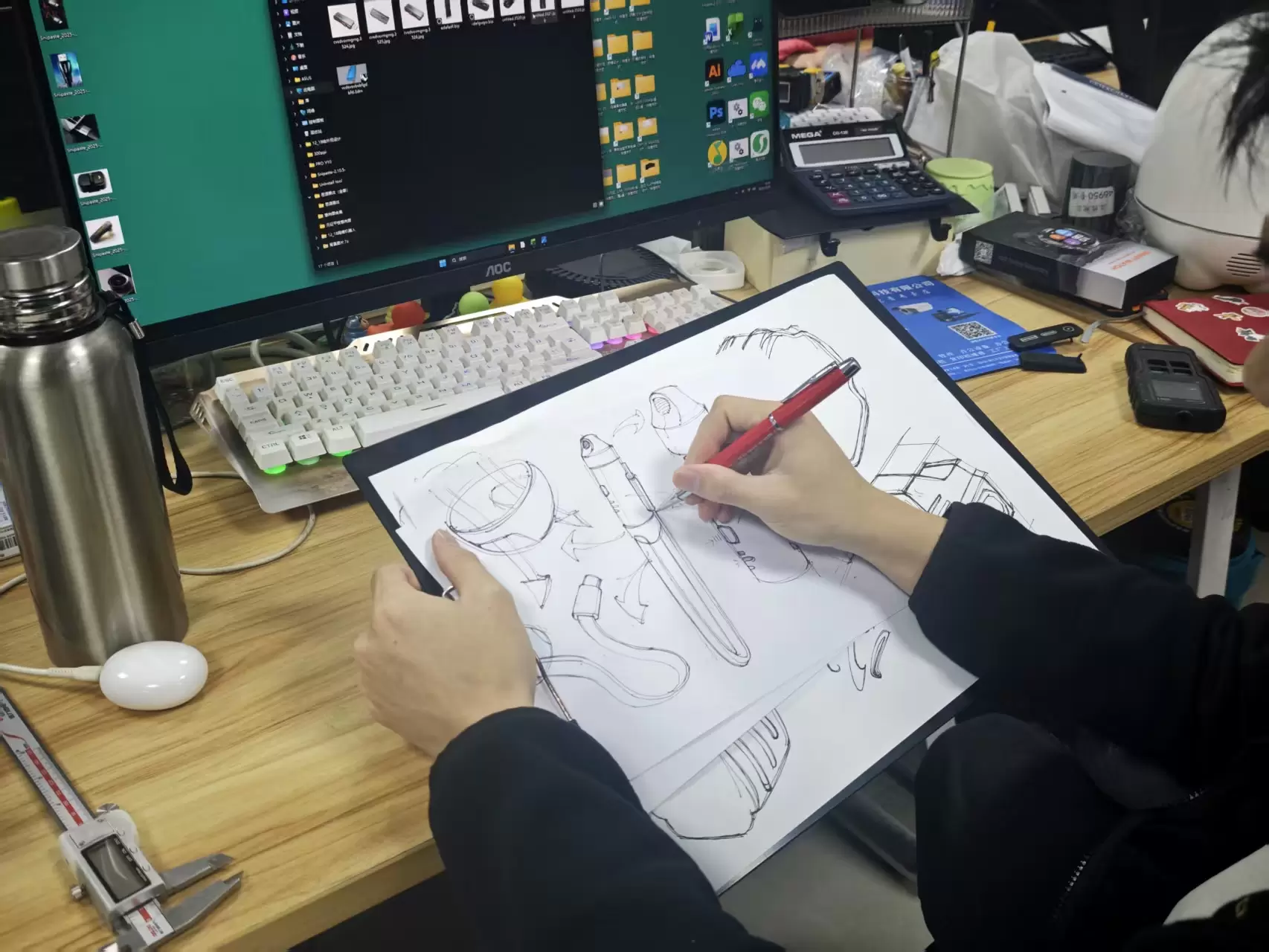
How CNC Aluminum Machining Saves Time and Reduces Costs in Production
Aug 26, 2026
Choosing the right injection molding factory OEM is one of the most critical decisions a brand can make. The factory you select will directly affect your product quality, time to market, consistency, and long-term brand reputation. Whether you are launching a new electronic device, automotive component, medical product, or AI-related hardware, a reliable OEM partner is not just a supplier—it is an extension of your engineering and manufacturing team.
This article breaks down the key factors you should evaluate when selecting an injection molding OEM, explains common pitfalls to avoid, and shows how a one-stop manufacturing partner like SOGOOD can support your brand from concept to mass production.
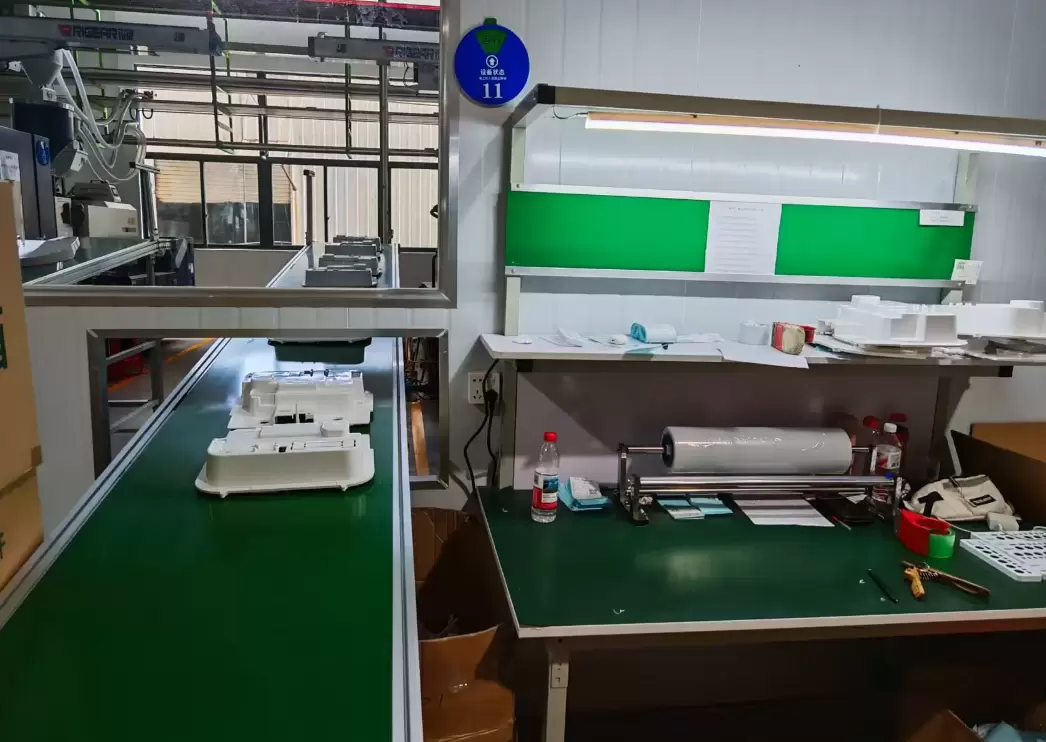
Before evaluating any injection molding factory, you must clearly understand your own product needs.
Key questions to answer internally include:
What industry standards or certifications are required (electronics, automotive, medical, AI)?
What materials are needed (engineering plastics, metal inserts, heat-resistant materials)?
What are the tolerance and precision requirements?
Will the product require thermal management or structural reinforcement?
Is this a short production run or long-term mass production?
Injection molding for consumer electronics is very different from molding parts for automotive or medical devices. A reliable OEM factory should have proven experience in your target industry, not just general molding capability.
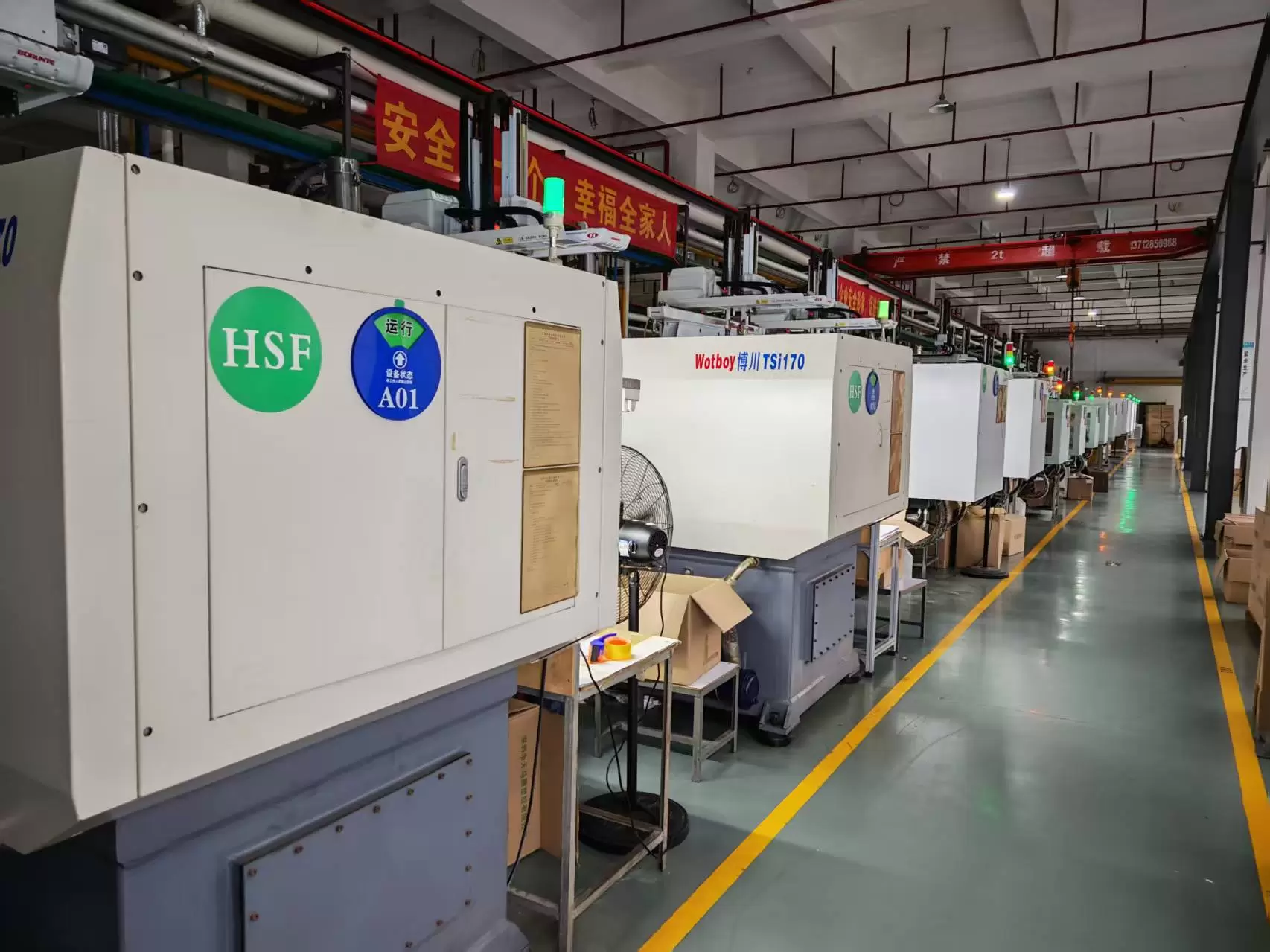
Many brands make the mistake of choosing a factory based solely on molding price or machine count. In reality, modern products demand far more than basic injection molding.
A strong OEM partner should offer:
Product and structural design support
Mold design and mold flow analysis
Precision CNC machining
Advanced surface finishing
Thermal simulation and heat dissipation solutions
Assembly and functional testing
SOGOOD stands out as a one-stop manufacturing service provider. Beyond injection molding, the company focuses on product design, thermal simulation design, precision hardware, and heat dissipation solutions. This integrated capability is especially valuable for electronic, communication, automotive, medical, and AI products where thermal performance and structural integrity are critical.
Injection molding quality is ultimately driven by people, not machines. A reliable OEM factory should have a strong engineering team covering industrial design, structural design, and mold engineering.
What to look for:
Engineers with 10–20+ years of experience
Cross-functional collaboration between design and manufacturing
Real project experience with complex products
Ability to identify risks early and propose improvements
SOGOOD’s team includes experienced industrial designers, structural engineers, and mold engineers. Core members come from the Motorola A1200 and A1600 design teams, bringing deep experience in innovative consumer electronics. Their industrial designers have also received Red Dot Design Awards, reflecting a strong balance between aesthetics and manufacturability.
As products become thinner, lighter, and more integrated, traditional manufacturing methods are often not enough. Advanced technologies such as metal nano molding and high-precision CNC machining are increasingly important.
When evaluating an OEM factory, ask:
Do they have experience with metal nano molding technology?
Can they integrate metal and plastic components effectively?
Are CNC machining tolerances suitable for your product?
Can they support complex geometries and fine surface finishes?
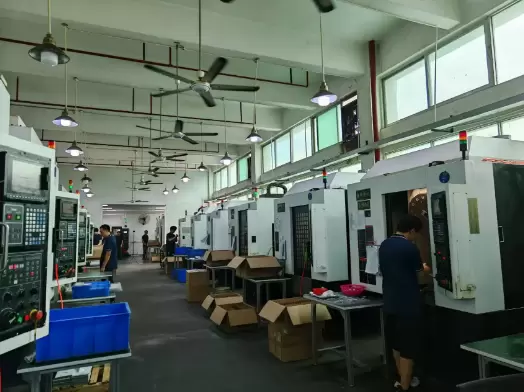
SOGOOD’s core technical strengths lie in metal nano molding technology and CNC precision machining. The company’s engineers have more than 20 years of experience in metal nano molding and CNC machining, gained during their time at BYD. This background enables SOGOOD to handle demanding projects that require high precision, durability, and advanced thermal performance.
Quality issues in injection molding can lead to product failures, recalls, and brand damage. A reliable OEM factory must operate under a modern, standardized quality management system.
Key indicators include:
ISO9001 certification
Incoming material inspection
Process control and traceability
Mold maintenance and lifecycle management
Final inspection and testing procedures
SOGOOD implements a modern quality management system aligned with international standards, and its products are ISO9001 certified. This ensures consistent quality from prototyping through mass production and helps reduce risks during scale-up.
Not all brands have the same needs. Some require pure OEM manufacturing based on their own designs, while others need ODM support with design, engineering, and optimization.
A reliable factory should:
Support both OEM and ODM cooperation
Offer customization rather than rigid standard solutions
Be willing to co-develop products
Protect intellectual property and confidentiality
SOGOOD welcomes both OEM and ODM collaborations. Whether you select from an existing product catalog or require a fully customized engineering solution, their team works closely with clients to align technical feasibility with commercial goals.
Past clients are often the most honest proof of a factory’s capabilities. When evaluating an OEM partner, look at:
Global brands they have worked with
Industries they have served
Longevity of client relationships
Complexity of past projects
SOGOOD has proudly served global industry leaders such as Qualcomm, ZTE, Lenovo, NEC, Han’s Laser, Philips, Panasonic, Haier, Midea, ASUS, TCL, and more. This diverse client base demonstrates not only technical capability but also reliability, confidentiality, and long-term partnership value.
Factory location still matters, especially for global brands. Shenzhen, known as China’s “Design Capital,” offers a strong supply chain ecosystem, skilled talent, and efficient logistics.
Equally important is communication:
Clear technical documentation
Fast response times
Transparent project updates
English-speaking engineering and sales teams
Founded in October 2009 and headquartered in Shenzhen, SOGOOD benefits from the region’s mature manufacturing ecosystem. The company emphasizes detailed communication, careful project management, and responsive customer service to ensure smooth collaboration from R&D to market launch.
Injection molding is rarely a one-time transaction. Products evolve, volumes change, and new versions are introduced. A reliable OEM factory should be capable of growing with your brand.
Long-term value comes from:
Continuous improvement suggestions
Cost and process optimization over time
Stable production quality
Trust and transparency
SOGOOD positions itself as a long-term manufacturing partner. With a reputation built on reliability, innovative design, and attentive service, the company helps clients achieve seamless transitions from development to mass production, supporting sustainable and high-value business growth.
If you are evaluating injection molding OEM partners and want to understand how integrated design, thermal simulation, precision machining, and molding can work together, you can explore SOGOOD’s service capabilities here:injection molding factory OEM.
This resource provides a clearer picture of how a one-stop manufacturing approach can reduce risk, shorten development cycles, and improve overall product performance.
Choosing a reliable injection molding factory OEM is about far more than finding a factory with machines. It requires evaluating technical depth, engineering expertise, quality systems, industry experience, and long-term partnership mindset.
For brands in electronics, communications, automotive, medical, and AI industries, working with a one-stop manufacturing partner like SOGOOD can significantly reduce complexity and improve outcomes. By integrating product design, thermal simulation, precision hardware, nano molding technology, and CNC machining under one roof, SOGOOD helps brands move from idea to market with confidence and consistency.