Choosing a CNC Aluminum Machining Manufacturer for Complex OEM Projects
Dec 30, 2025
In modern manufacturing, precision is no longer optional—it is a fundamental requirement. From aerospace assemblies to medical devices and advanced electronics, components must meet increasingly strict tolerances while maintaining consistency at scale. This is where CNC precision machining proves indispensable. By combining automation, advanced tooling, and digital control, CNC machining delivers the accuracy, repeatability, and reliability that high-tolerance components demand.
This article explores why CNC precision machining plays a critical role in high-tolerance manufacturing and how companies like SOGOOD leverage this technology to deliver high-performance solutions across industries.
High-tolerance components are parts manufactured within extremely tight dimensional limits, often measured in microns. These components must fit and function perfectly within complex assemblies, leaving no room for deviation.
Industries that rely heavily on high-tolerance parts include:
In these sectors, even the slightest dimensional error can lead to system failure, reduced performance, or safety risks. Therefore, manufacturers require processes that ensure absolute precision and consistency—qualities inherent in CNC machining.
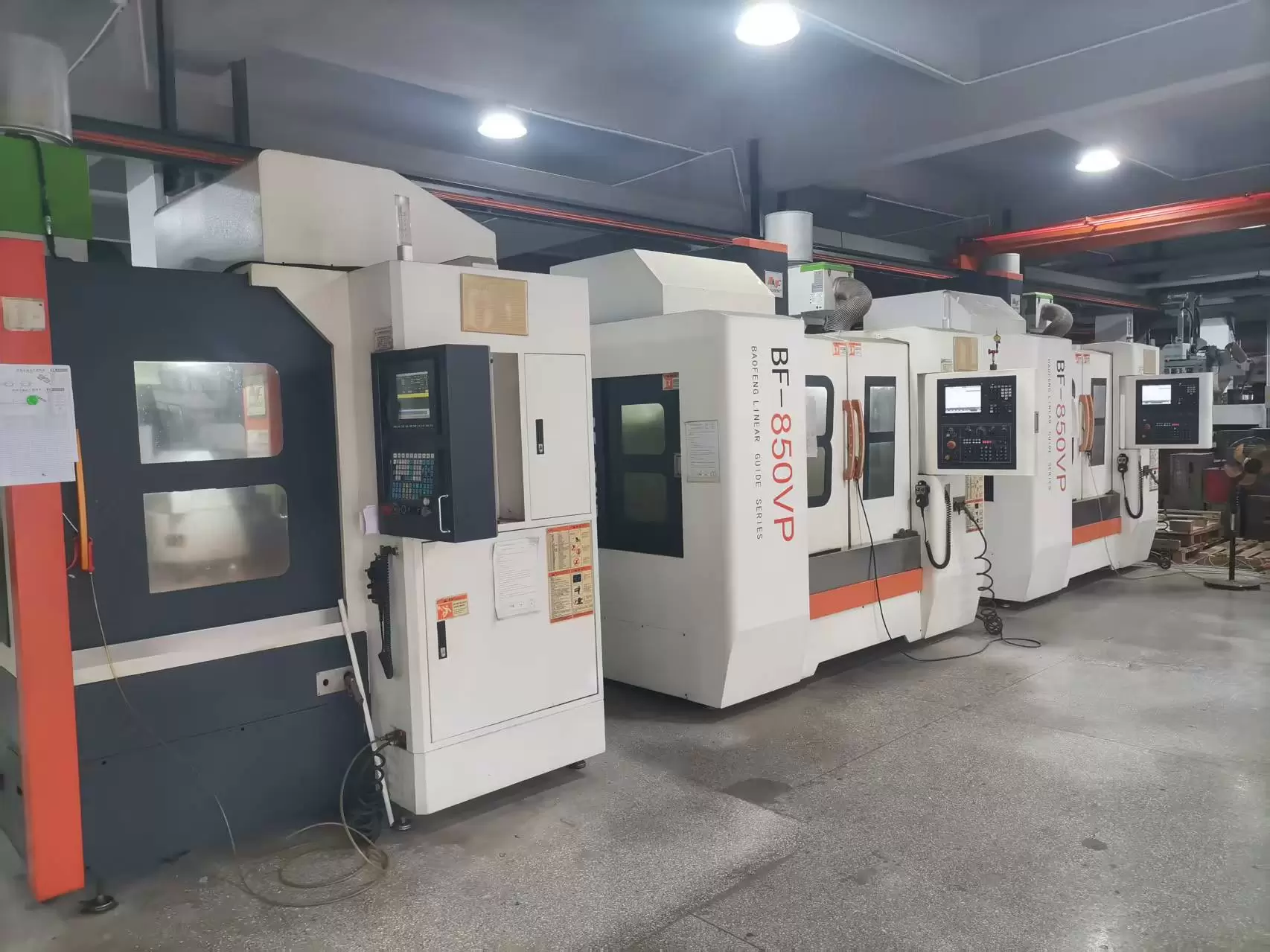
CNC (Computer Numerical Control) machining uses pre-programmed software to control machine tools such as mills, lathes, and grinders. Unlike manual machining, CNC systems eliminate human variability and enable precise, repeatable operations.
Key characteristics include:
These features make CNC machining the preferred solution for producing high-tolerance components.
CNC machines can achieve tolerances as tight as ±0.001 mm, depending on the material and process. This level of precision is critical for components used in sensitive applications such as medical implants or semiconductor equipment.
At SOGOOD, advanced CNC machining capabilities are combined with metal nano molding technology to ensure ultra-fine structural accuracy, particularly for miniaturized components used in modern electronics.
High-tolerance manufacturing requires not only precision but also consistency. A single deviation in a batch can compromise the entire assembly process.
CNC machining ensures that:
SOGOOD’s implementation of ISO9001-certified quality management systems ensures that every production stage—from raw material selection to final inspection—adheres to international standards.
Modern products often feature intricate geometries, compact structures, and multifunctional components. Traditional machining methods struggle to achieve such complexity without sacrificing precision.
CNC machining supports:
SOGOOD’s engineering team, composed of experienced industrial designers and structural engineers, utilizes advanced CAD/CAM systems to optimize designs for manufacturability while maintaining performance integrity.
High-tolerance components are often made from specialized materials, including:
CNC machining can process a wide range of materials without compromising precision. This flexibility allows manufacturers to select materials based on performance requirements such as strength, thermal conductivity, or corrosion resistance.
SOGOOD’s expertise in both CNC machining and thermal simulation design enables the production of components that not only meet dimensional accuracy but also perform optimally under thermal stress.
Manual machining relies heavily on operator skill, which introduces variability. CNC systems eliminate this dependency by executing pre-programmed instructions with high accuracy.
Benefits include:
With engineers who bring over 20 years of experience from leading manufacturing environments, SOGOOD integrates process optimization and automation to further minimize errors and enhance reliability.
In competitive industries, speed is critical. CNC machining accelerates product development by enabling rapid prototyping and quick iteration cycles.
Advantages include:
SOGOOD supports clients from initial concept through to market launch, ensuring a smooth and efficient development process.
High-precision enclosures, connectors, and heat sinks require tight tolerances to ensure signal integrity and thermal management. CNC machining enables the production of compact, high-performance components essential for modern devices.
From engine components to sensor housings, automotive parts must withstand extreme conditions while maintaining precise fit and function. CNC machining ensures durability and reliability in these demanding environments.
Medical components require exceptional precision and surface quality to meet strict regulatory standards. CNC machining delivers the accuracy and cleanliness required for surgical instruments and implantable devices.
AI systems rely on advanced hardware with high-density components and efficient heat dissipation. CNC machining, combined with thermal design expertise, ensures optimal performance and longevity.
SOGOOD is a one-stop manufacturing service provider specializing in:
Founded in Shenzhen, a global hub for innovation and design, SOGOOD has built a reputation for delivering high-quality solutions across multiple industries. The company’s core technologies include metal nano molding and CNC precision machining, enabling the production of highly complex and high-tolerance components.
With a team rooted in the legacy of advanced product development—featuring engineers from the Motorola A1200 and A1600 design teams—SOGOOD combines creativity with technical expertise. Its industrial designers have received internationally recognized awards, reflecting a strong commitment to innovation.
The company has proudly collaborated with global leaders such as Qualcomm, ZTE, Lenovo, NEC, Han’s Laser, Philips, Panasonic, Haier, Midea, ASUS, and TCL. These partnerships demonstrate SOGOOD’s ability to meet the rigorous demands of world-class clients.
To explore their capabilities and services, you can refer to the following resource:
<a href="https://www.sogoodprecision.com/service/">CNC Precision Machining Services</a>
Ensuring customer satisfaction is at the core of SOGOOD’s operations. The company employs:
From OEM to ODM projects, SOGOOD works closely with clients to understand their requirements and deliver tailored solutions. Whether selecting from existing product catalogs or developing custom engineering solutions, customers benefit from a seamless and collaborative experience.
CNC precision machining is essential for producing high-tolerance components that meet the demands of modern industries. Its ability to deliver unmatched precision, consistency, and efficiency makes it a cornerstone of advanced manufacturing.
Companies like SOGOOD exemplify how integrating CNC machining with innovative technologies and experienced engineering teams can drive product excellence. By bridging the gap between design and production, they enable businesses to bring high-quality products to market faster and more reliably.
As industries continue to evolve, the importance of CNC precision machining will only grow, shaping the future of manufacturing and technological advancement.