Speaker Thermal Simulation Service for Preventing Voice Coil Overheating
May 18, 2026
The aerospace industry has always been a benchmark for engineering excellence. Every component used in an aircraft, satellite, unmanned aerial vehicle (UAV), or space exploration system must meet strict requirements for strength, dimensional accuracy, weight reduction, and reliability. As aerospace technologies continue to evolve, manufacturers are under increasing pressure to produce complex components with tighter tolerances and shorter development cycles.
Among the many manufacturing technologies available today, CNC aluminum machining has become one of the most important processes in modern aerospace production. Its ability to create lightweight, high-precision, and structurally reliable components makes it indispensable for aerospace manufacturers worldwide.
Although aerospace engineering utilizes various materials, including titanium, stainless steel, composites, and advanced alloys, aluminum continues to play a critical role in many applications.
Several characteristics make aluminum highly suitable for aerospace manufacturing:
Reducing weight is one of the primary objectives in aerospace design. Every kilogram saved can contribute to improved fuel efficiency, increased payload capacity, and lower operating costs. Aluminum alloys such as 6061, 7075, and 2024 provide an ideal balance between structural performance and lightweight design.
When combined with advanced CNC machining technology, these materials can be transformed into highly accurate aerospace components that meet stringent industry standards.
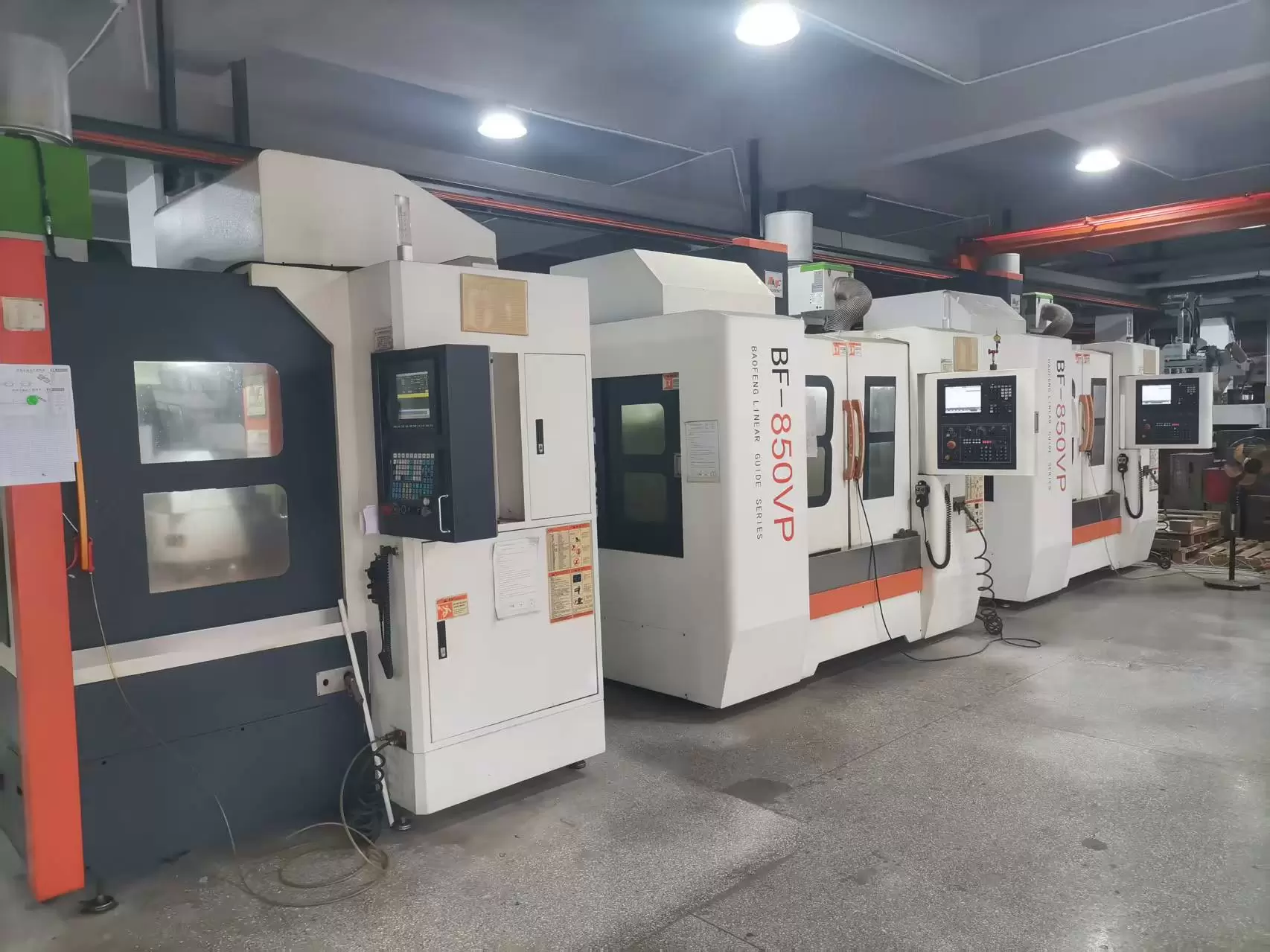
Computer Numerical Control (CNC) machining allows manufacturers to produce parts with exceptional precision and repeatability. Aerospace components often require tolerances measured in microns, making manual machining impractical for critical applications.
Modern CNC systems utilize multi-axis machining centers capable of producing complex geometries from solid aluminum billets. These machines can execute intricate cutting paths while maintaining consistent quality throughout production.
Common aerospace components produced through CNC aluminum machining include:
Because aerospace assemblies involve hundreds or even thousands of interconnected components, dimensional consistency is essential. CNC machining ensures that each part matches the original design specifications, reducing assembly issues and improving overall system reliability.
Weight reduction remains a central focus in aerospace engineering. CNC aluminum machining enables designers to remove unnecessary material while maintaining structural integrity.
Advanced machining techniques allow engineers to create:
These features help reduce mass without sacrificing performance.
For example, modern aircraft brackets and support structures are often redesigned using simulation-driven optimization. CNC machining makes it possible to manufacture these sophisticated geometries directly from aluminum blocks, achieving significant weight savings compared to traditional fabrication methods.
This capability is especially valuable in applications such as drones, satellites, and commercial aviation, where every gram matters.
Aerospace components must operate under extreme conditions, including:
Even minor dimensional deviations can affect performance or compromise safety.
CNC aluminum machining provides:
Multi-axis CNC equipment can machine complex aerospace components in a single setup, minimizing alignment errors and ensuring superior geometric accuracy.
As aerospace systems become increasingly sophisticated, precision manufacturing is no longer a competitive advantage—it is a necessity.
The aerospace sector often requires extensive testing and validation before products enter mass production. CNC aluminum machining supports rapid prototyping by allowing engineers to quickly transform digital designs into functional components.
Benefits include:
Unlike some additive manufacturing methods, CNC-machined aluminum prototypes exhibit material properties very similar to final production parts. This allows engineers to conduct more realistic mechanical, thermal, and performance evaluations.
As aerospace companies seek to accelerate innovation cycles, CNC machining has become a key enabler of efficient product development.
Modern aerospace systems rely heavily on advanced electronics. Flight control units, communication modules, radar systems, sensors, and power management devices generate significant amounts of heat during operation.
Effective thermal management is critical for maintaining system reliability.
Aluminum's excellent thermal conductivity makes it an ideal material for:
Through precision CNC machining, manufacturers can create highly optimized thermal management solutions with complex fin structures and customized cooling geometries.
This capability is particularly important in aerospace electronics, where overheating can lead to performance degradation or system failure.
Modern aerospace projects often involve multiple disciplines, including:
Working with a manufacturing partner that can support the entire product development process can significantly reduce project complexity.
SOGOOD is a one-stop manufacturing service provider specializing in product design, thermal simulation design, precision hardware manufacturing, and thermal management solutions. The company serves industries including electronics, telecommunications, automotive, medical devices, artificial intelligence, and other advanced technology sectors.
With core expertise in Metal Nano Molding (MNM) technology and CNC precision machining, SOGOOD helps customers transform concepts into production-ready products. The company designs and manufactures enclosures, accessories, auxiliary materials, and heat dissipation components that meet demanding industrial requirements.
For companies seeking comprehensive engineering and manufacturing support, more information can be found through the following service page:
<a href="https://www.sogoodprecision.com/service/">CNC Precision Manufacturing Services</a>
Successful aerospace manufacturing requires more than advanced equipment. It also depends on engineering knowledge accumulated through years of practical experience.
Headquartered in Shenzhen, China's renowned "City of Design," SOGOOD combines industrial design expertise with advanced manufacturing capabilities. The company's engineering team includes experienced industrial designers, structural engineers, and mold specialists who have participated in the development of numerous innovative products.
Several core team members previously contributed to the design of Motorola's iconic A1200 and A1600 devices, bringing extensive experience in precision product development.
The company also maintains strong expertise in:
Senior engineers possess more than two decades of experience in CNC machining and metal nano molding technologies, helping customers overcome complex manufacturing challenges across multiple industries.
Quality control is one of the most critical aspects of aerospace production. Every component must undergo rigorous inspection to ensure compliance with design specifications.
A comprehensive quality management system typically includes:
SOGOOD operates under an ISO9001-certified quality management system, ensuring that manufacturing processes align with internationally recognized standards.
This systematic approach helps maintain consistency, traceability, and product reliability throughout the manufacturing lifecycle.
As aerospace technologies continue advancing, CNC aluminum machining will remain a foundational manufacturing process.
Emerging trends include:
These developments will further enhance manufacturing efficiency while enabling the production of increasingly sophisticated aerospace components.
Manufacturers capable of combining engineering expertise, advanced machining technologies, and integrated product development services will be well positioned to support the next generation of aerospace innovation.
CNC aluminum machining plays a vital role in modern aerospace manufacturing by enabling the production of lightweight, precise, and reliable components. From structural aircraft parts and UAV systems to electronic enclosures and thermal management solutions, CNC-machined aluminum continues to support some of the industry's most demanding applications.
As aerospace products become more complex, manufacturers require partners that can provide not only machining capabilities but also engineering support, design optimization, thermal analysis, and quality assurance. Companies such as SOGOOD demonstrate how integrated manufacturing expertise can help accelerate product development while maintaining the precision and reliability that aerospace applications demand.
The future of aerospace manufacturing will continue to rely on advanced CNC machining technologies, making aluminum precision machining an essential contributor to innovation, performance, and operational excellence.