What a One-Stop Consumer Electronics Manufacturing Service Means for Global Brands
Feb 04, 2026
Ultrasonic Cleaner Design: Bringing Everyday Cleaning into the Home
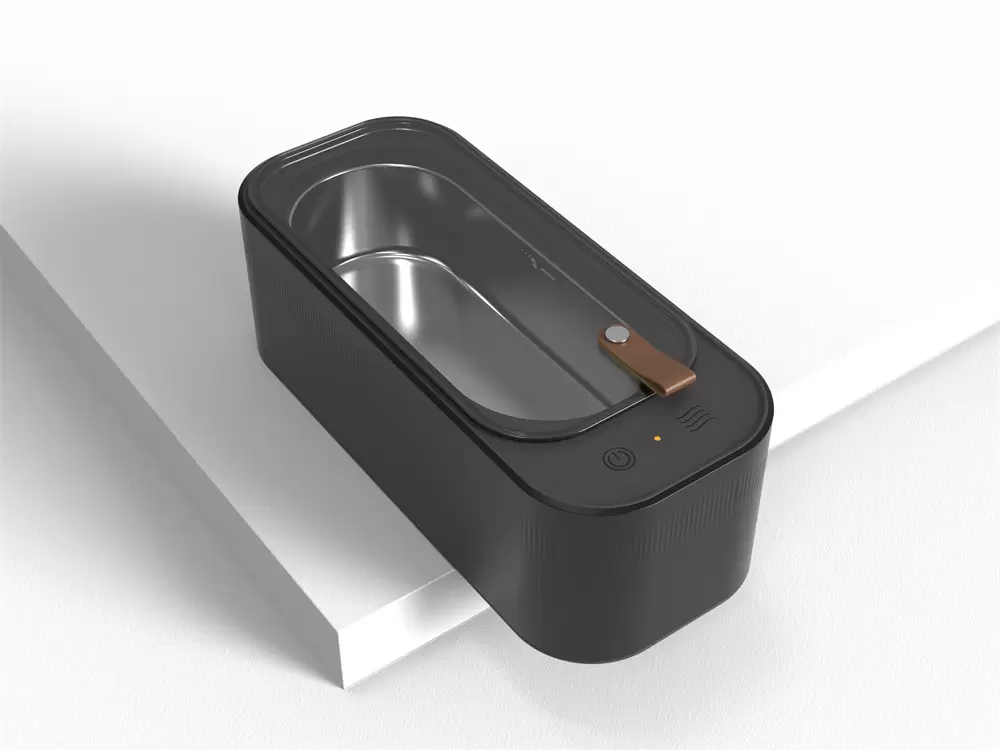
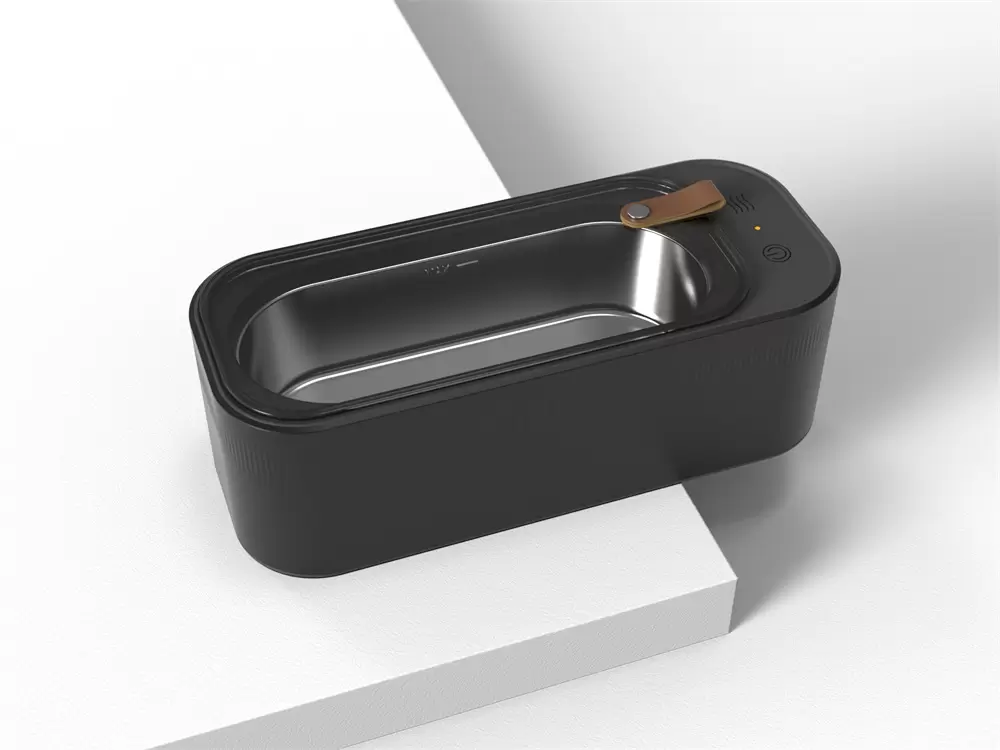
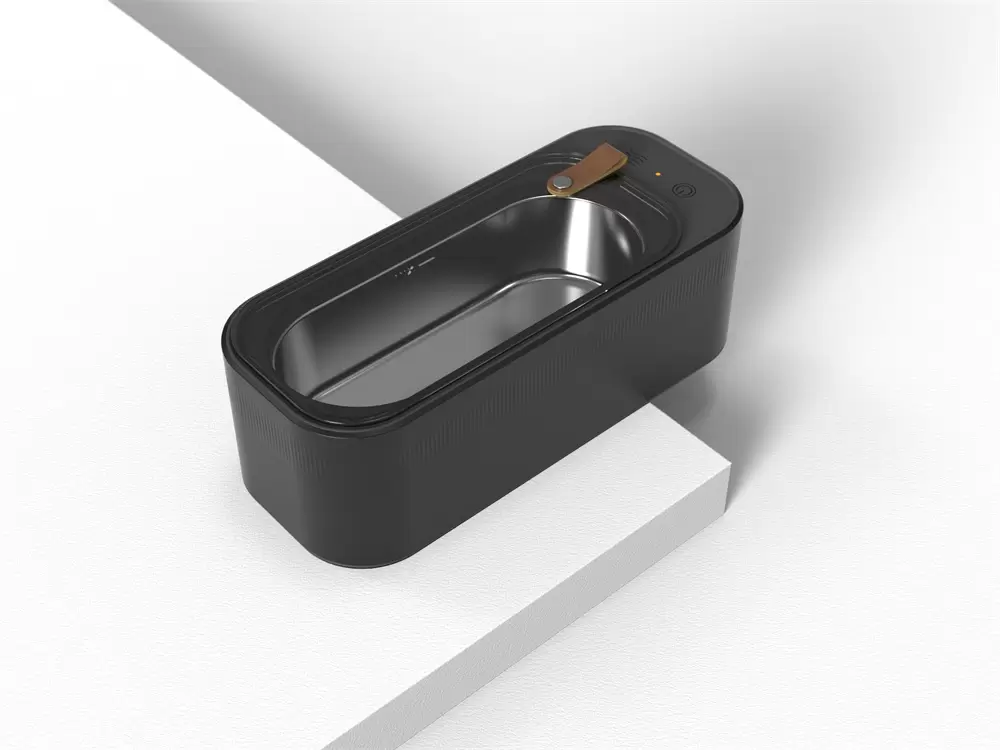
As cleaning devices become part of everyday living spaces, product design must address both practical use and visual harmony. The ultrasonic cleaner shown here combines a dark, rounded housing, a transparent lid, and a simple control area to create a distinctive appearance. Its restrained design integrates the character of a functional tool with the aesthetics of a household appliance. Based on the renderings, this article examines the concept from the perspectives of industrial design and mechanical development.
Industrial Design: Building Product Identity Through Simple Forms
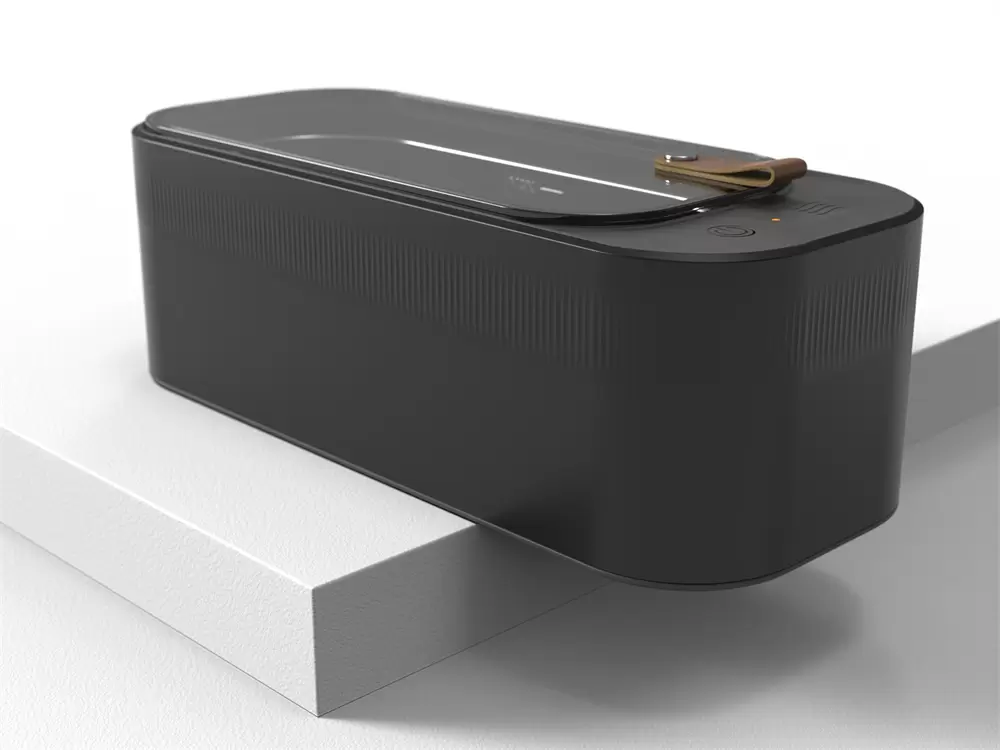
The product features an elongated, rounded rectangular profile, with consistent curves connecting the cleaning area and the outer edge of the housing. Continuous corners soften its otherwise boxlike form, creating a more approachable appearance. The elongated tank suggests a layout suited to items such as eyeglasses, although actual suitability depends on the tank dimensions and the cleaning requirements of each object.
The color palette and surface treatments emphasize material contrast. The dark gray housing has a subdued matte appearance that contrasts with the bright metallic finish of the tank. The transparent lid reduces the visual weight of the upper section while allowing users to see the interior. Fine vertical textures along portions of the sidewalls add detail to the dark surfaces, giving the product a more refined appearance when viewed up close.
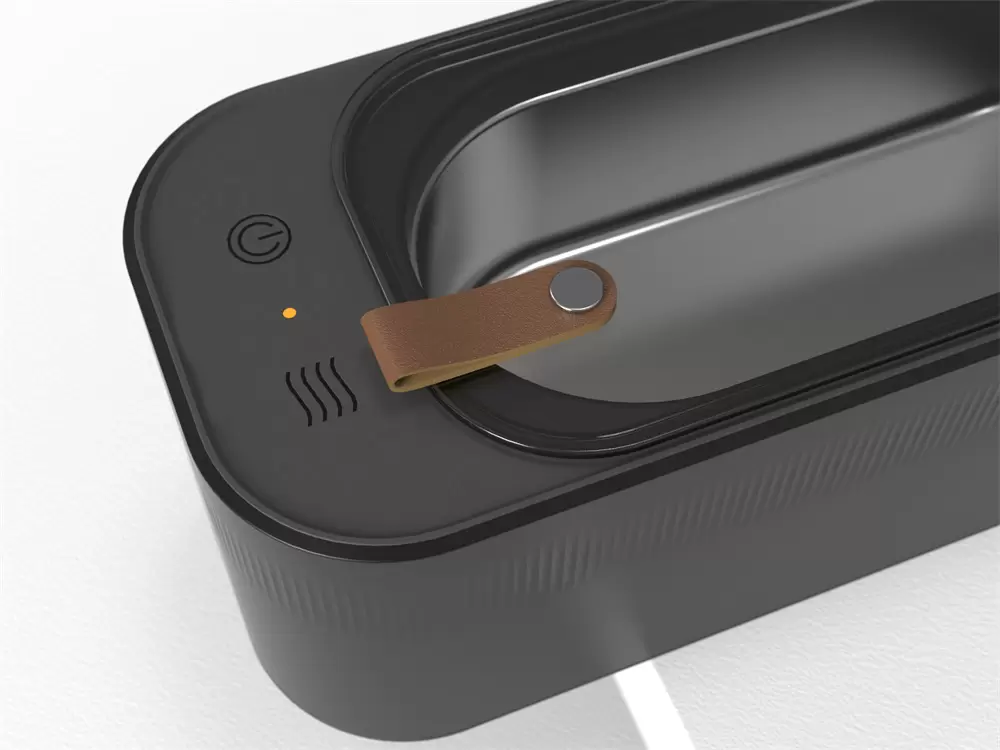
A brown pull tab at one end of the lid, paired with a round metallic fastener, provides a visual focal point. Its contrasting color and shape indicate where to lift the lid while adding warmth to the otherwise cool-toned design. For production, the tab material would need to withstand moisture, cleaning agents, and repeated bending, ensuring that this decorative detail also meets practical requirements.
Interaction Design: Making Operation Clear and Intuitive
The controls are grouped at the front of the top surface, next to the cleaning tank. A power symbol, a small status indicator, and a wave graphic create a simple visual hierarchy with minimal clutter. After placing an item inside, users can reach the controls naturally, supporting a straightforward operating sequence.
Further interface development should clearly distinguish functional symbols from decorative graphics. Standby, operation, and completion should each have recognizable feedback. A well-resolved user experience depends on clear labeling and an understandable response to each action.
Mechanical Design: Coordinating the Tank, Lid, and Housing
The renderings show an outer housing, an internal tank, a separate lid, and a control area. Since the internal configuration is not visible, mechanical development can be considered in terms of tank support, electronic component placement, assembly, and maintenance. The interface between the tank rim and the upper frame requires particular attention to positioning, support, and protection against liquid ingress, helping reduce the risk of splashed water entering the housing.
The transparent lid follows the contour of the tank opening. A locating ledge could help position it consistently, while carefully designed contact surfaces could improve its stability when seated. The pull tab attachment would also require strength and load testing to balance easy opening with long-term reliability.
Inside the housing, sufficient space should be allocated for the ultrasonic transducer, drive electronics, and wiring. Thermal management, electrical isolation, and service access should be considered together. Non-slip supports could be incorporated into the base according to the unit’s weight and operating behavior. Vibration, noise, and stability would then need to be evaluated through prototype testing.
The value of this concept lies in the relationship between its visual details and its intended use. The rounded housing, transparent lid, and simple control panel establish a coherent product identity. Thoughtful mechanical interfaces and assembly planning will determine how successfully that identity translates into a reliable, convenient everyday appliance.