Metal Nano Molding Process: Enabling High-Precision Micro-Metal Components
Jan 07, 2026
Folding bikes are no longer limited to a niche group of cycling enthusiasts. They are increasingly used for urban commuting, last-mile transportation, recreational riding, and compact mobility solutions. As demand grows, brands are looking for more than a factory that can simply assemble a standard folding bike. They need a manufacturing partner that can support product development, structural design, material selection, prototyping, customization, and consistent production.
This is where OEM and ODM services become important.
A capable folding bike manufacturer can help a brand turn an initial concept into a manufacturable product, while also handling the engineering details required for reliable folding mechanisms, durable components, compact structures, and attractive exterior designs. For companies developing customized mobility products, choosing the right manufacturing partner can have a direct impact on development efficiency and product quality.
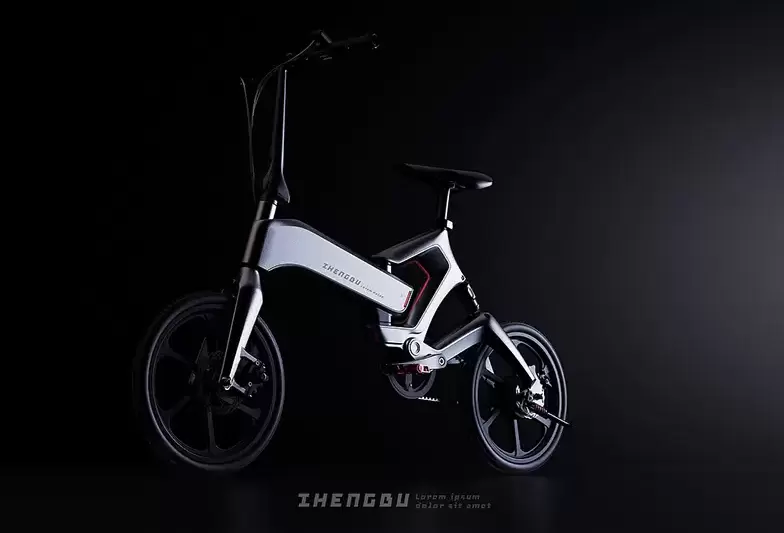
OEM, or Original Equipment Manufacturing, generally means that the customer provides the product specifications, design, drawings, or other technical requirements, while the manufacturer is responsible for production.
For a folding bike project, an OEM manufacturer may work with customer-supplied:
The manufacturer then converts these requirements into a production process.
However, OEM manufacturing is not simply about following drawings. Folding bikes contain many moving and load-bearing parts, so manufacturing accuracy matters. Components such as hinges, brackets, handlebar assemblies, pedals, clamps, and frame interfaces need appropriate tolerances and reliable assembly.
A manufacturer with strong engineering capabilities can identify potential production problems before mass manufacturing begins. This may include checking part tolerances, material selection, machining methods, mold design, assembly processes, and potential interference between components.
ODM, or Original Design Manufacturing, provides a broader level of support.
Instead of starting with a completed design, a customer may only have a product concept. The ODM partner can participate in industrial design, structural engineering, prototyping, manufacturing engineering, and product optimization.
For example, a brand may want to develop a folding bike with a compact appearance and a quick folding mechanism. The manufacturer may help determine:
This approach allows product development and manufacturing considerations to be addressed at the same time.
For brands entering the folding bike market, ODM can be particularly useful because the manufacturer becomes involved earlier in the development process rather than receiving a finished design only after all engineering decisions have already been made.
A folding bike has to balance appearance, functionality, portability, and structural requirements.
Industrial design determines the overall visual language of the product, while structural engineering focuses on how the components work together.
A professional manufacturer may provide support with:
The challenge is often not designing a component that looks good in a CAD model. The challenge is making sure the component can actually be manufactured, assembled, used repeatedly, and maintained.
For example, a hinge cover may need to accommodate moving parts while maintaining a clean exterior appearance. A CNC-machined bracket may need precise dimensions to ensure correct alignment during assembly. These details can influence the final user experience.
CNC precision machining is another important service for customized folding bike projects.
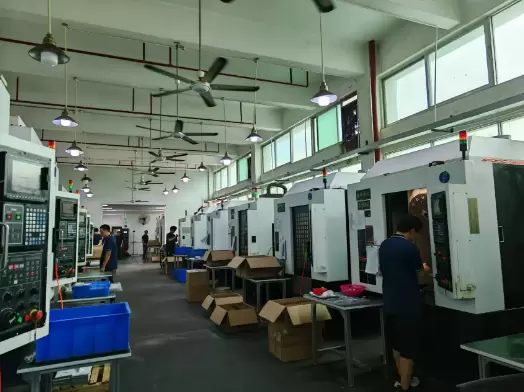
Some components require tighter dimensional control than conventional manufacturing methods can easily provide. CNC machining can be used for prototypes, precision brackets, structural components, connectors, fixtures, and other custom metal parts.
The advantages include repeatable machining, flexible design changes, and the ability to produce complex geometries without creating a dedicated production mold for every iteration.
This is especially useful during the development stage.
A brand may need to test several versions of a component before finalizing the design. CNC machining allows engineers to make physical samples, evaluate fit and function, identify problems, and modify the design before moving into larger-scale production.
Folding bikes can also contain a variety of plastic components, including protective covers, decorative parts, housings, handles, and other auxiliary components.
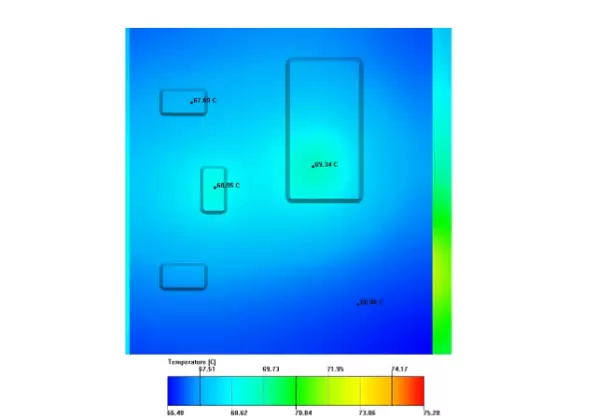
For injection-molded parts, mold flow analysis can help engineers evaluate how molten plastic is likely to fill the mold. It can reveal potential problems such as uneven filling, weld lines, air traps, shrinkage, and deformation.
Addressing these issues during engineering is generally more practical than discovering them after a mold has already been manufactured.
For ODM projects, mold flow analysis can therefore be part of the design-for-manufacturing process. Engineers can modify wall thickness, gates, ribs, draft angles, or other structural features to improve manufacturability and part consistency.
Metal nanomolding is another manufacturing technology that can support compact electronic and precision products.
The technology can be useful when a product requires a combination of metal structural characteristics and integrated plastic features. For folding bikes equipped with electronic functions, displays, control interfaces, sensors, or compact electronic modules, such manufacturing approaches may provide additional design possibilities.
SOGOOD, for example, focuses on metal nanomolding technology, CNC precision machining, and mold flow analysis. The company provides one-stop manufacturing services covering product design, thermal simulation design, precision hardware, housings, accessories, auxiliary materials, and thermal management solutions.
These capabilities are particularly relevant when a folding bike product is not simply a mechanical bicycle but incorporates electronics and other integrated functions.
A reliable OEM or ODM process should include prototype verification.
Before committing to mass production, brands can use prototypes to evaluate:
Prototype testing can also expose problems that are difficult to identify from drawings alone.
For manufacturers, this stage provides an opportunity to optimize tooling, machining methods, materials, and assembly processes before production volumes increase.
Quality control should not be limited to final inspection.
A professional manufacturing process normally involves quality checks at several stages, including incoming materials, machining or molding, assembly, and final inspection.
For customized folding bike components, quality control may include dimensional inspection, appearance inspection, functional testing, assembly verification, and sampling procedures.
SOGOOD has established a modern quality management system aligned with international standards, and its products have passed ISO9001 certification requirements. This provides a structured foundation for managing manufacturing quality across different projects.
For OEM customers, this type of quality system is important because consistent production is often just as important as the initial prototype.
Working with multiple suppliers can create unnecessary communication between industrial designers, mechanical engineers, mold manufacturers, CNC suppliers, and assembly factories.
A one-stop manufacturing partner can simplify this process.
Instead of transferring technical information between several independent suppliers, a brand can work with one engineering team from product concept through production. This can make design changes easier to manage and reduce the risk of inconsistencies between drawings, prototypes, tooling, and finished components.
SOGOOD was established in Shenzhen and brings together experienced industrial designers, structural engineers, and mold engineers. Its core team includes members with experience in major consumer electronics product development, while its senior engineers have more than 20 years of experience in metal nanomolding and CNC machining.
Although its manufacturing capabilities extend across electronics, communications, automotive, medical, and AI applications, these engineering resources can also support mobility products that require precision components, integrated structures, and customized product development.
Brands looking for a customized folding bike product can explore the company's folding bike manufacturing and product solutions as part of their supplier evaluation process.
When evaluating a folding bike manufacturer, buyers should look beyond production capacity.
Important questions include:
The answers to these questions can reveal whether a manufacturer is simply a production supplier or a genuine product development partner.
OEM and ODM services give folding bike brands more flexibility when developing customized products. OEM manufacturing is suitable when the customer already has detailed product specifications, while ODM is more appropriate when the manufacturer is expected to contribute to design, engineering, prototyping, and manufacturing optimization.
For modern folding bikes, manufacturing expertise needs to cover more than frame production. Precision components, folding structures, plastic parts, electronic integration, surface design, tooling, CNC machining, and quality control can all affect the final product.
With capabilities in industrial design, structural engineering, CNC precision machining, metal nanomolding, mold flow analysis, and one-stop manufacturing, SOGOOD provides OEM and ODM support for customers developing customized products. Its experience across multiple technology-driven industries also provides a practical engineering foundation for projects that require precision, compact structures, and reliable manufacturing.
For brands planning a new folding bike product, involving an experienced OEM or ODM manufacturer early in the development process can help turn a concept into a product that is not only visually appealing, but also practical to manufacture and ready for consistent production.