Optimizing Speaker Reliability Through Advanced Thermal Simulation Analysis
Jul 15, 2026
Industrial tablets are no longer optional tools in modern manufacturing, logistics, energy, and field service environments. They have become core operational terminals—used for data collection, equipment control, diagnostics, and real-time communication. However, the environments they operate in are rarely friendly to consumer-grade electronics. Dust, water, vibration, heat, and chemical exposure are daily challenges.
This is where three-proof tablet housing OEM solutions play a critical role. Understanding what three-proof housing means, how OEM manufacturing works, and why engineering-level enclosure design directly impacts product reliability can help industrial brands avoid costly failures and accelerate time to market.
In industrial hardware, “three-proof” generally refers to protection against:
Dust and solid particle intrusion
Water or moisture exposure
Shock, vibration, and mechanical impact
For tablets used in factories, vehicles, outdoor installations, or medical environments, these protections are not marketing features—they are baseline requirements.
A three-proof tablet housing is not just a sealed box. It is a system-level design that integrates:
Structural strength
Environmental sealing
Thermal management
Manufacturability and long-term reliability
OEM manufacturers are responsible for turning these requirements into a repeatable, mass-producible enclosure.
Many industrial brands lack in-house capabilities for enclosure engineering, tooling, and precision machining. OEM partners fill this gap by providing end-to-end manufacturing services, including:
Industrial and structural design
Material selection
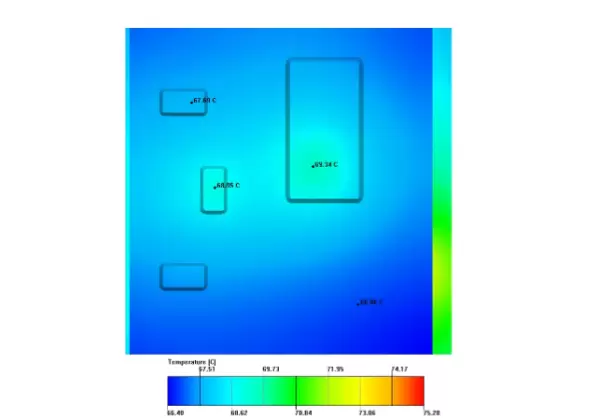
Thermal simulation
Mold flow analysis
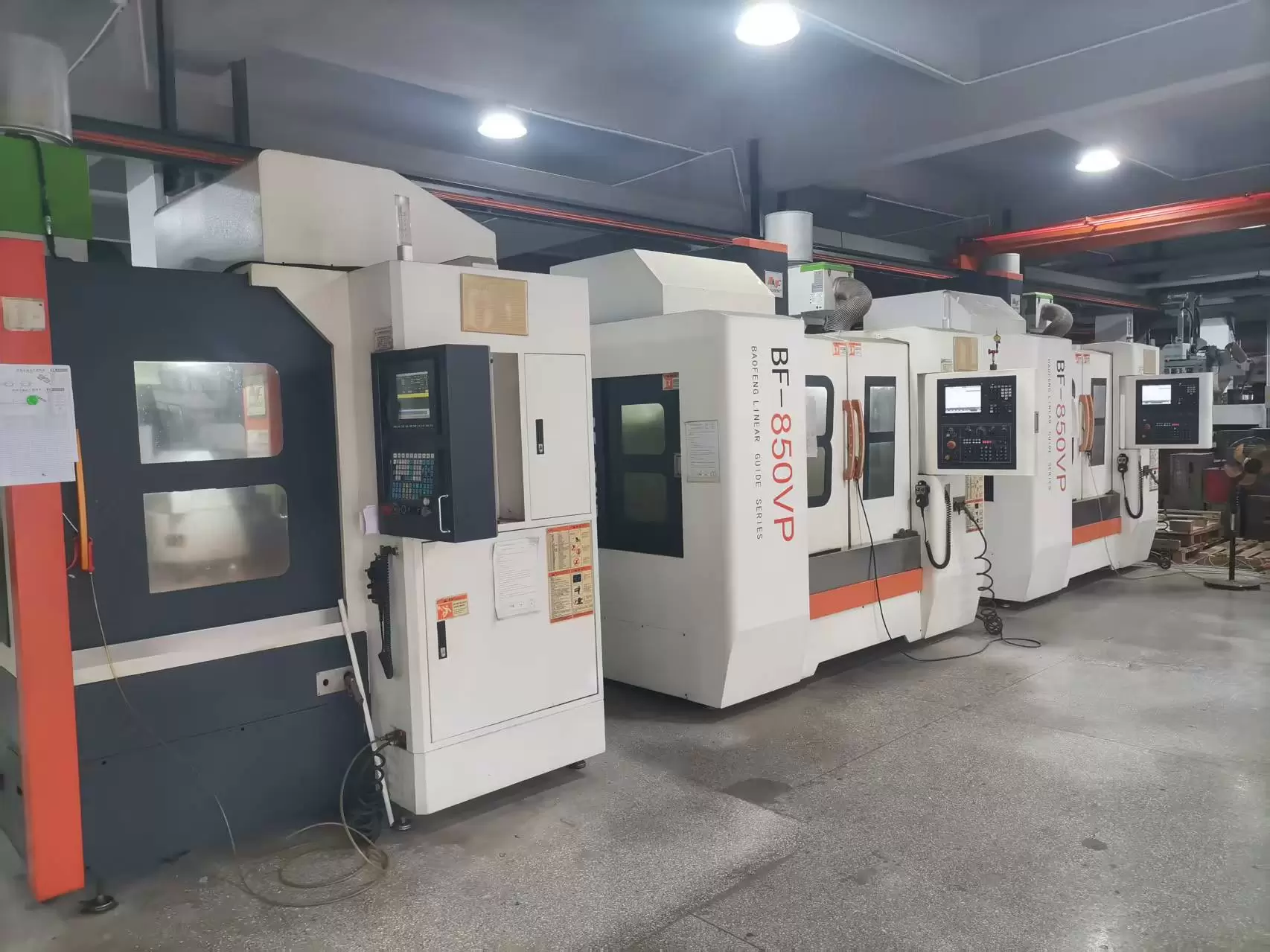
CNC machining and nano molding
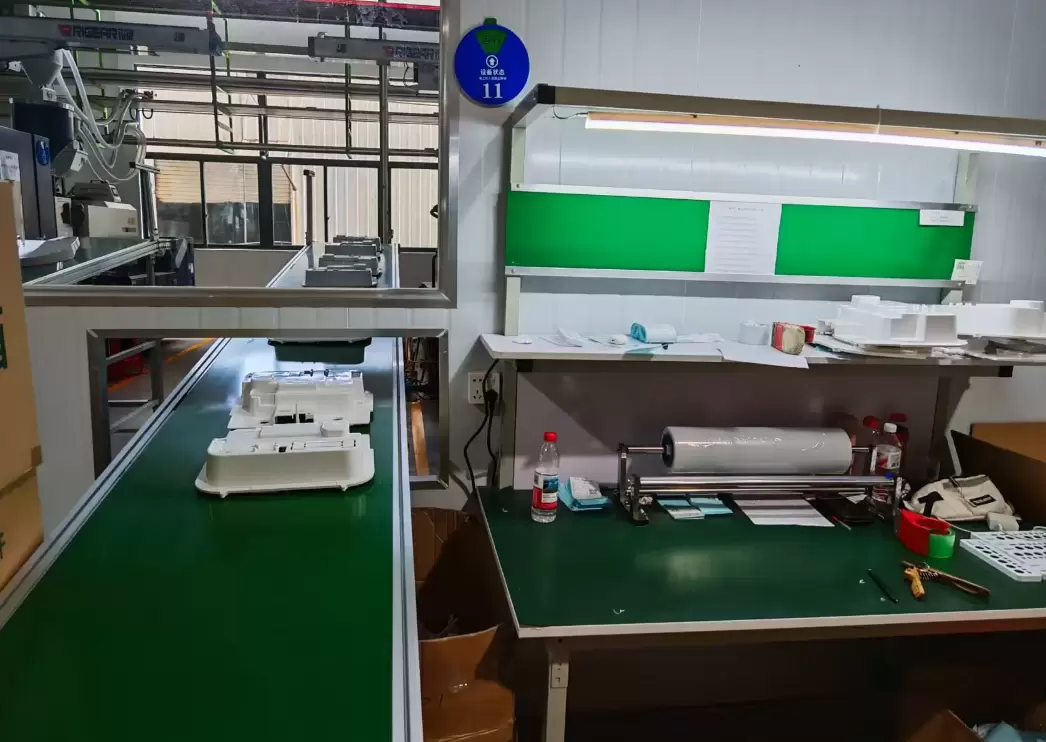
Assembly and quality control
For three-proof tablet housings, OEM capability is especially important because small design mistakes—such as improper gasket compression, poor heat dissipation paths, or weak structural ribs—can lead to field failures.
A capable OEM partner does not simply manufacture parts; they co-engineer the product to ensure it survives real-world use.
Sealing a tablet against dust and water often conflicts with thermal performance. High-performance processors, 5G modules, and AI chips generate significant heat, especially in enclosed metal housings.
This is where thermal simulation and structural integration become essential. Instead of relying on vents that compromise sealing, advanced OEM manufacturers use:
Integrated heat spreaders
Metal housing conduction paths
Optimized wall thickness and rib structures
Nano molding techniques to combine metal strength with precision features
SOGOOD’s experience in thermal simulation design and precision hardware manufacturing allows heat dissipation to be addressed at the enclosure level rather than as an afterthought.
Three-proof tablet housings typically use aluminum alloys or stainless steel, but material choice depends on application:
Automotive and logistics terminals require vibration resistance
Medical devices demand corrosion resistance and easy cleaning
Outdoor and energy applications need UV and moisture stability
With metal nano molding technology and CNC precision machining, OEM manufacturers can tailor material performance while maintaining tight tolerances and consistent quality.
Industrial tablets are frequently mounted on vehicles, robotic arms, or handheld by operators wearing gloves. Over time, stress accumulates at mounting points, connectors, and button interfaces.
Experienced OEM teams use:
Finite element analysis
Mold flow analysis
Reinforced screw bosses and interface zones
These measures prevent cracking, deformation, or seal failure after long-term use.
A fragmented supply chain often leads to misalignment between design intent and manufacturing reality. One-stop OEM manufacturing reduces this risk by keeping design, tooling, machining, and assembly under one roof.
SOGOOD operates as a one-stop manufacturing service provider, covering:
Product and industrial design
Structural and thermal engineering
Precision CNC machining
Nano molding technology
Heat sink and enclosure manufacturing
This integrated approach shortens development cycles and minimizes costly redesigns during mass production.
For examples of enclosure engineering and precision manufacturing projects, refer to:<a href="https://www.sogoodprecision.com/project/">Three-Proof Tablet Housing OEM Projects</a>
Three-proof housing design is not a beginner’s field. It requires long-term experience with:
Metal forming behavior
Tooling limitations
Assembly tolerances
Field failure patterns
SOGOOD’s engineering team includes senior professionals with over 20 years of experience in metal nano molding and CNC machining, with backgrounds from BYD. This depth of experience helps anticipate manufacturing risks early—before they become costly production issues.
In addition, the company’s roots in industrial product innovation in Shenzhen, known as China’s design capital, provide access to advanced manufacturing ecosystems and rapid prototyping capabilities.
OEM (Original Equipment Manufacturer): You provide the design concept or specifications; the manufacturer produces according to your requirements.
ODM (Original Design Manufacturer): The manufacturer contributes to or leads the design, offering engineering solutions based on application needs.
SOGOOD supports both OEM and ODM cooperation models, which is particularly valuable for startups or system integrators that need engineering support beyond basic manufacturing.
Three-proof tablet housings must meet strict quality standards to be viable in industrial markets. Consistency in sealing, surface finish, and structural integrity is essential.
A modern quality management system aligned with ISO9001 certification ensures:
Stable production processes
Traceability of materials
Repeatable assembly quality
This is especially critical for customers in electronics, communications, automotive, medical, and AI industries.
A failure in the enclosure often leads to total device failure—even if the internal electronics are sound. Water ingress, overheating, or mechanical damage can quickly destroy brand reputation in industrial markets.
Investing in a capable three-proof tablet housing OEM partner helps:
Reduce field failure rates
Extend product lifecycle
Improve user trust
Accelerate product launch timelines
For industrial hardware, enclosure quality is not just a mechanical concern—it is a business decision.
Three-proof tablet housing OEM manufacturing sits at the intersection of industrial design, mechanical engineering, and precision manufacturing. It determines whether an industrial tablet can survive real environments or fail under pressure.
With strong capabilities in product design, thermal simulation, nano molding technology, CNC precision machining, and quality management, SOGOOD provides practical, engineering-driven solutions for industrial tablet housings. By focusing on reliability, manufacturability, and long-term performance, OEM and ODM partners can bring robust industrial devices to market with confidence.