What Makes a Professional Humidifier Manufacturer Stand Out in the Market
Jun 05, 2026
In today’s fast-evolving electronics landscape, reliability is no longer a “nice to have”—it is a fundamental requirement. Whether it’s a compact consumer gadget, an automotive control unit, or a high-performance AI server, heat management directly impacts performance, lifespan, and safety. As devices become smaller, more powerful, and more integrated, thermal challenges grow exponentially. This is where thermal simulation plays a critical role.
Thermal simulation is not just a design tool; it is a strategic approach that enables engineers to predict, analyze, and optimize heat behavior before physical prototypes are built. By integrating simulation early in the product development cycle, companies can reduce risks, shorten time-to-market, and ensure consistent product quality.
Modern electronic devices pack increasing functionality into smaller spaces. This leads to higher power densities and, consequently, more heat generation. Excessive heat can cause:
Traditional trial-and-error approaches to thermal design are no longer sufficient. Physical prototyping alone is costly and time-consuming, and it often reveals problems too late in the development process. Thermal simulation provides a proactive alternative by allowing engineers to visualize temperature distribution, airflow, and heat transfer in a virtual environment.
Thermal simulation uses computational methods to model how heat flows within a device. It considers multiple factors, including:
By analyzing these variables, engineers can identify hotspots, evaluate cooling strategies, and optimize designs without repeated physical testing.
One of the most significant advantages of thermal simulation is the ability to detect issues early in the design phase. Engineers can quickly identify overheating risks and redesign components before manufacturing begins. This minimizes costly redesigns and production delays.
Thermal simulation enables precise optimization of heat sinks, enclosures, and airflow channels. Instead of relying on conservative assumptions, designers can make data-driven decisions that balance performance, size, and cost.
Reliable thermal design directly translates into longer product lifespans. By maintaining stable operating temperatures, electronic components experience less stress, resulting in fewer failures and improved overall durability.
By minimizing the number of physical prototypes required, companies can significantly reduce development costs. Simulation also shortens the design cycle, allowing products to reach the market faster.
Thermal constraints often limit design creativity. With simulation tools, engineers can explore unconventional designs and materials with confidence, pushing the boundaries of innovation.
Thermal simulation is widely used across multiple industries:
Each of these applications requires tailored thermal solutions, highlighting the importance of expertise and advanced simulation capabilities.
While simulation is powerful, its true value is realized when combined with advanced manufacturing capabilities. This integration ensures that optimized designs can be accurately translated into physical products.
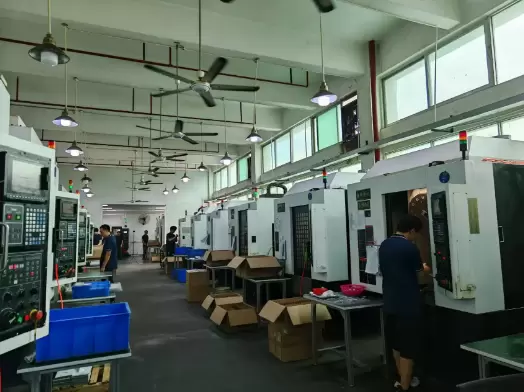
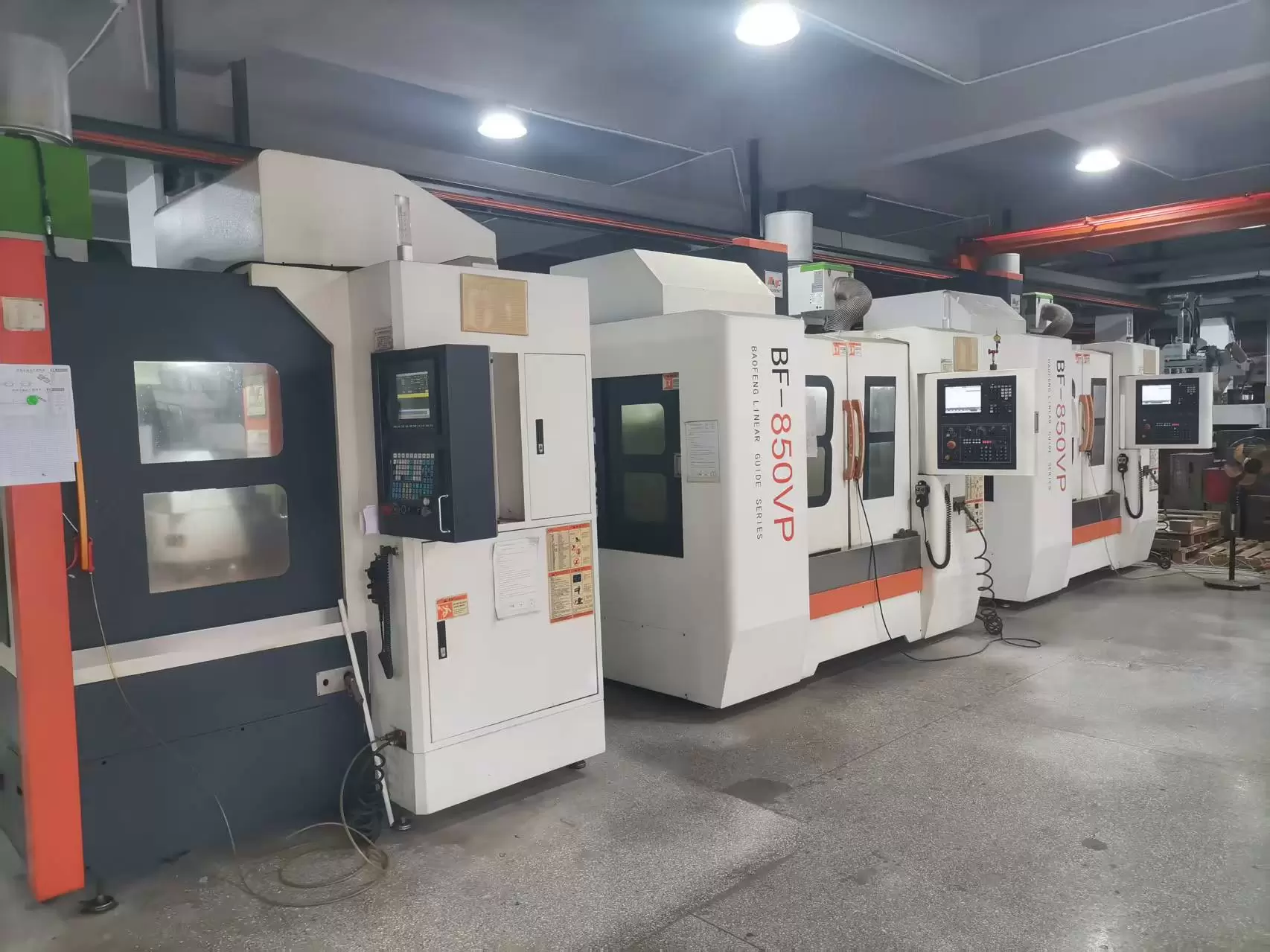
Companies like SOGOOD exemplify this approach by combining thermal simulation with precision manufacturing technologies. Their expertise spans product design, thermal simulation engineering, precision hardware, and heat dissipation solutions. By aligning simulation insights with manufacturing processes such as CNC machining and metal nano forming, they ensure that designs are both innovative and practical.
For example, CNC machining allows for high-precision heat sink structures, while nano forming technology enables the creation of complex geometries that enhance heat transfer efficiency. These capabilities ensure that thermal designs are not only theoretically effective but also manufacturable at scale.
<a href="https://www.sogoodprecision.com/service/">thermal simulation and manufacturing solutions</a>Material selection is a critical factor in thermal design. Different materials offer varying levels of thermal conductivity, weight, and durability. Common materials used in thermal management include:
Through simulation, engineers can evaluate how different materials affect heat distribution and choose the optimal combination for each application.
A key challenge in product development is ensuring a smooth transition from concept to mass production. Thermal simulation helps bridge this gap by providing accurate data that guides every stage of development.
SOGOOD’s approach emphasizes this seamless integration. With a team of experienced industrial designers, structural engineers, and mold experts—many of whom have backgrounds in high-profile product development—the company supports clients from initial concept through final production.
Their experience working with global industry leaders across electronics, automotive, and telecommunications sectors demonstrates their ability to deliver reliable, high-performance solutions. By combining innovation, technical expertise, and a strong quality management system, they help clients achieve both technical excellence and commercial success.
Reliability is not just about design—it also depends on consistent manufacturing quality. Implementing internationally recognized quality management systems ensures that every product meets strict performance standards.
With ISO9001 certification and a commitment to continuous improvement, SOGOOD maintains high levels of quality across all stages of production. This focus on quality ensures that thermal solutions perform as expected in real-world conditions.
As technology continues to evolve, thermal simulation is becoming even more advanced. Key trends include:
These advancements will further enhance the ability of engineers to design reliable, efficient, and innovative electronic devices.
Thermal simulation has become an indispensable tool in modern electronic design. It enables engineers to predict challenges, optimize solutions, and ensure long-term reliability. When combined with advanced manufacturing capabilities, it creates a powerful framework for delivering high-quality products.
Companies that invest in thermal simulation and integrated design-manufacturing processes are better positioned to meet the demands of today’s competitive market. By focusing on precision, innovation, and reliability, they can deliver products that not only perform well but also stand the test of time.