Applications of Three-Proof Tablet Housing OEM in Harsh Working Environments
Jul 08, 2026
In today’s industrial and commercial environments, tablets are no longer limited to office desks or controlled indoor spaces. They are increasingly deployed in harsh operating conditions such as manufacturing floors, logistics hubs, outdoor inspection sites, medical environments, and field communication systems. In these scenarios, device durability becomes a critical factor that directly affects operational efficiency and long-term cost control.
This is where “three-proof” tablet housing OEM solutions play a decisive role. The concept of “three-proof” typically refers to waterproof, dustproof, and shockproof protection. When combined with advanced OEM engineering and precision manufacturing, these housings significantly extend device lifespan and ensure stable performance under demanding conditions.
Three-proof tablet housings are engineered protective enclosures designed to safeguard internal electronic components from environmental and mechanical damage. Each “proof” addresses a specific type of risk:
Unlike standard consumer-grade casings, three-proof housings require integrated structural design, precision sealing systems, and carefully selected materials. This level of complexity makes OEM manufacturing essential for achieving both protection and functionality.
OEM (Original Equipment Manufacturing) solutions provide customized engineering and production services tailored to specific device requirements. In the context of rugged tablet housings, OEM development ensures that every structural detail aligns with real-world usage conditions.
Durability is not achieved by material selection alone. It is the result of coordinated design across structure, sealing, heat management, and mechanical reinforcement. OEM partners help integrate these elements into a unified system rather than treating them as isolated features.
For example, sealing structures must maintain waterproof integrity without compromising thermal dissipation. Similarly, shockproof designs must absorb impact while preserving internal alignment of sensitive components such as displays, batteries, and circuit boards.
Material selection is one of the most important factors in three-proof housing design. Common materials include high-strength aluminum alloys, reinforced polycarbonate, and composite structures designed for impact resistance and thermal stability.
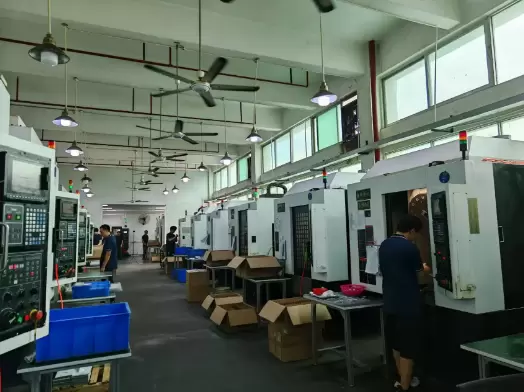
Advanced manufacturing methods such as CNC machining and nano molding technology allow for high-precision shaping of complex housing structures. These processes ensure tight tolerances, smooth assembly interfaces, and consistent structural integrity across production batches.
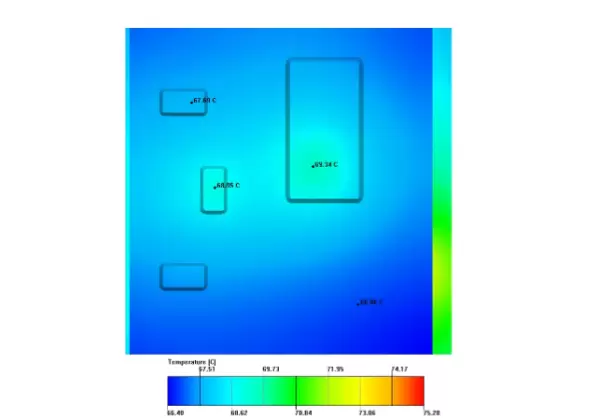
Thermal management is another critical consideration. Tablets generate heat during continuous operation, especially in industrial or AI-driven applications. Without proper heat dissipation, performance degradation and component failure can occur. Therefore, OEM housing solutions often incorporate integrated heat sinks, thermal channels, or conductive materials to maintain optimal operating temperatures.
Companies specializing in OEM tablet housing solutions bring together multidisciplinary engineering capabilities. One such example is SOGOOD, a manufacturing service provider focused on product design, thermal simulation, precision hardware, and heat dissipation solutions.
SOGOOD operates from Shenzhen, a global hub for industrial design and innovation. Established in 2009, the company has developed strong expertise in industrial product innovation, supported by a team of experienced design, structural, and mold engineers. Many of its core members come from professional backgrounds in high-end electronics design, contributing to its capability in delivering advanced OEM solutions.
The company is particularly known for its strength in metal nano molding technology and CNC precision machining. These technologies allow SOGOOD to produce highly durable and structurally optimized housings suitable for rugged tablet applications.
Its design team has also received international recognition, including Red Dot Design Awards, reflecting its ability to balance engineering performance with industrial aesthetics. Over the years, SOGOOD has served global industry leaders across electronics, communications, automotive, medical, and AI sectors.
For more information on its manufacturing capabilities and project applications, you can explore:<a href="https://www.sogoodprecision.com/project/">SOGOOD OEM Projects</a>
One of the often-overlooked aspects of rugged tablet housing design is thermal behavior under real operating conditions. When devices are sealed for waterproofing and dustproofing, internal heat accumulation becomes a serious challenge.
To address this, advanced OEM manufacturers use thermal simulation during the design phase. This allows engineers to predict heat flow, identify hotspots, and optimize internal layouts before physical production begins.
SOGOOD integrates thermal simulation into its design workflow, ensuring that enclosure structures not only protect against external elements but also support efficient internal heat management. This is especially important for high-performance tablets used in AI processing, industrial control systems, and communication devices.
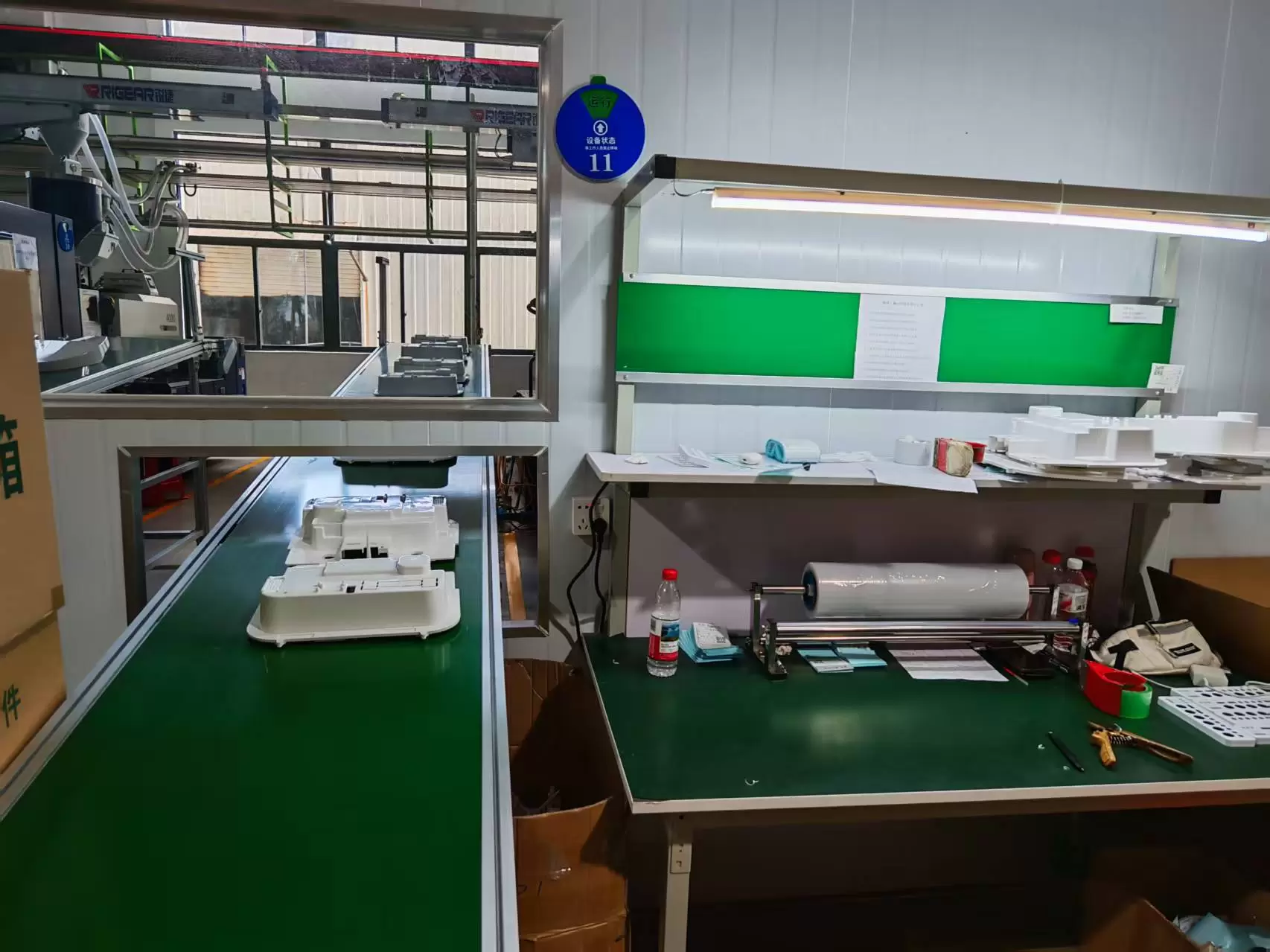
The production of three-proof tablet housings involves multiple precision steps:
Quality control is particularly important in OEM manufacturing. Each housing must pass rigorous testing for water resistance, dust ingress protection, and impact durability. In many cases, products are certified under international standards such as IP ratings and ISO quality management systems.
SOGOOD implements a modern quality management system aligned with ISO9001 standards, ensuring consistency and reliability across all production stages. Its engineering team, with over 20 years of experience in metal nano molding and CNC machining, contributes to maintaining high manufacturing precision and stability.
Three-proof tablet housings are widely used across multiple industries where durability and reliability are essential:
Each application requires tailored structural and functional adaptations. OEM solutions ensure that these requirements are met without compromising usability or performance.
Standard tablet designs cannot meet the demands of harsh environments. OEM customization allows manufacturers to adjust every aspect of the housing design, including:
This flexibility is essential for creating devices that are not only durable but also practical in real-world usage scenarios. OEM partners bridge the gap between conceptual product ideas and manufacturable engineering solutions.
Three-proof tablet housing OEM solutions are a critical foundation for modern rugged device development. By combining waterproof, dustproof, and shockproof engineering with advanced manufacturing technologies, these solutions significantly enhance device durability and operational reliability.
Companies like SOGOOD demonstrate how integrated capabilities in industrial design, CNC precision machining, nano molding, and thermal engineering can deliver high-performance OEM solutions for global industries. As tablets continue to expand into more demanding environments, the importance of professional OEM housing development will only continue to grow.