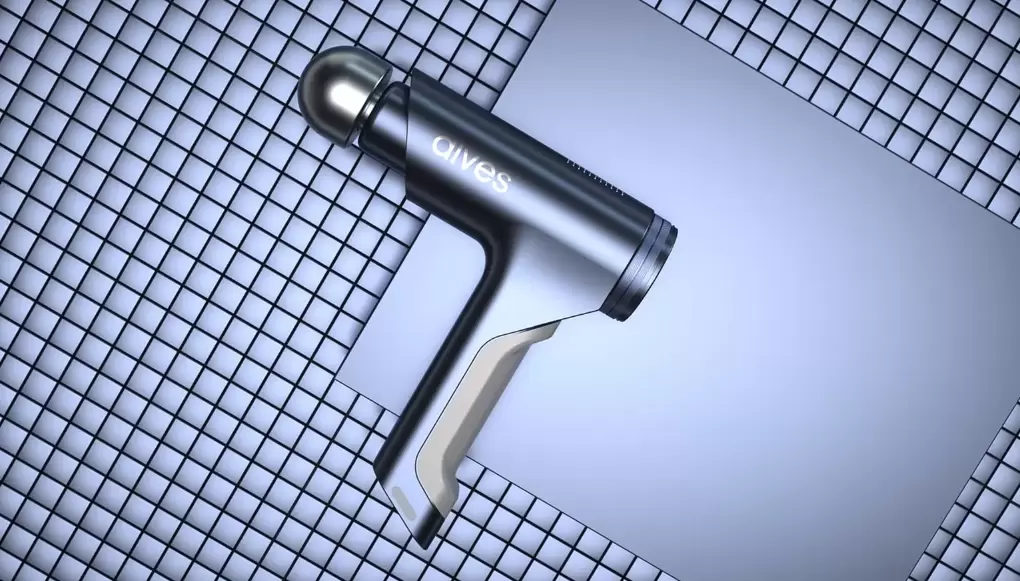
AI empowers creativity, intelligently designs the future, and reshapes the boundaries of aesthetics
Sep 26, 2025
CNC aluminum machining has become a practical manufacturing solution for companies that need custom parts with accurate dimensions, consistent quality, and flexible design options. From electronic enclosures and heat sinks to automotive components and precision brackets, aluminum-machined parts are widely used in products where weight, strength, and dimensional accuracy all matter.
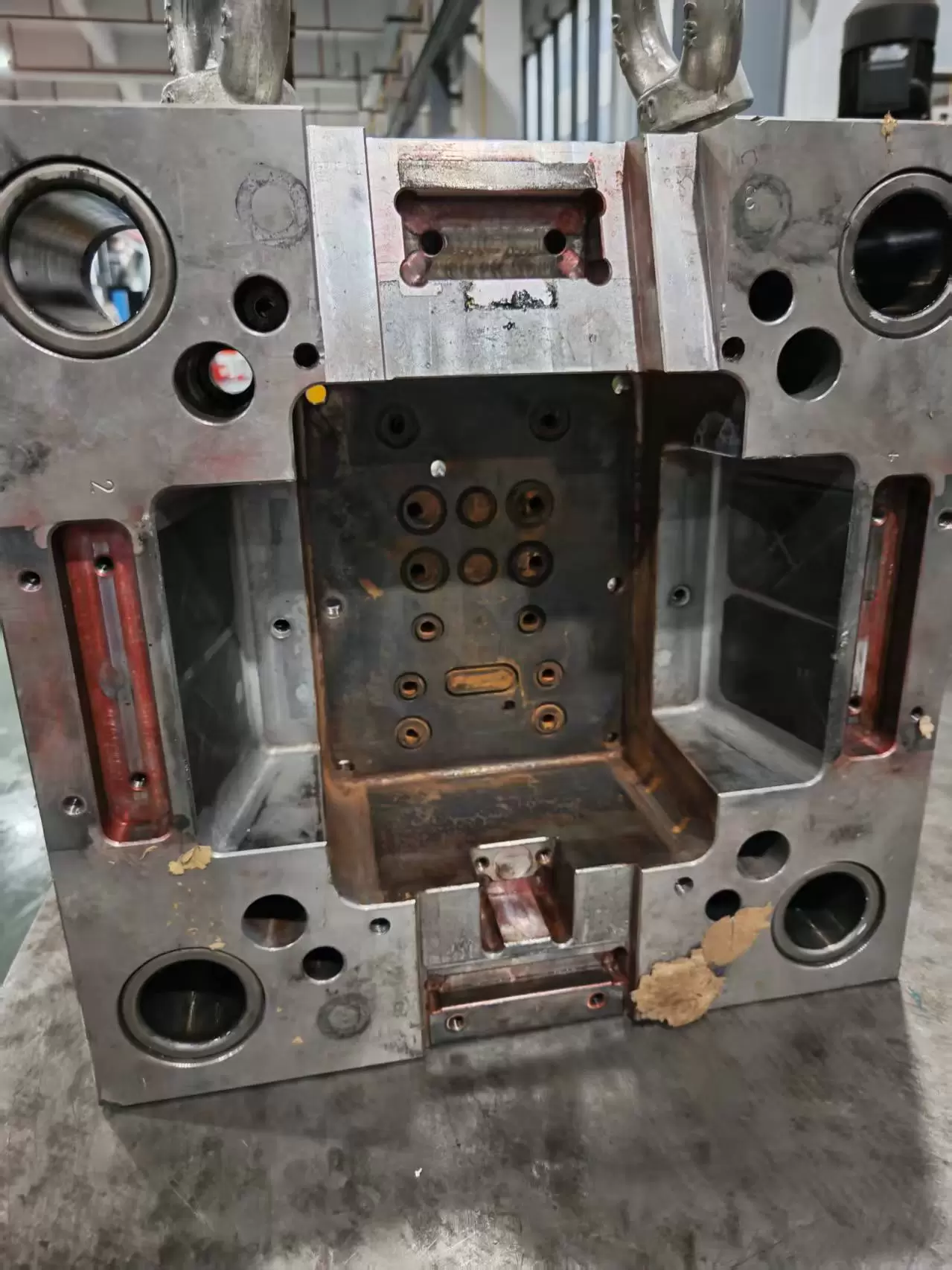
One of the main advantages of CNC machining is its ability to turn a digital design into a physical component through controlled cutting operations. Manufacturers can produce simple plates, complex housings, threaded components, and detailed structural parts without relying on dedicated molds. This makes CNC aluminum machining suitable for prototypes, customized orders, and repeat production.
For product developers, the real value lies not just in machining aluminum, but in choosing the right material, designing parts for manufacturability, and controlling quality throughout production.
Aluminum is widely used in precision manufacturing because it offers a useful balance of low weight, machinability, corrosion resistance, and thermal conductivity. These properties make it suitable for components that must remain lightweight while providing reliable mechanical or thermal performance.
Compared with many heavier metals, aluminum is easier to machine in numerous applications. Appropriate cutting tools and machining parameters can produce smooth surfaces, accurate holes, and detailed features while helping manufacturers maintain efficient production cycles.
Different aluminum alloys serve different purposes. For example, 6061 aluminum is commonly used for brackets, enclosures, fixtures, and general-purpose structural components because of its versatility and mechanical properties. 5052 aluminum is often considered for applications requiring good corrosion resistance and formability, while 7075 aluminum may be selected for certain high-strength components when its properties justify the additional material and processing considerations.
The right alloy depends on the component's operating environment, required strength, thermal performance, surface treatment, and machining requirements. Selecting a material based solely on strength or appearance can create unnecessary challenges later in production.
A major advantage of CNC aluminum machining is the freedom it provides when developing custom parts. Engineers can specify mounting holes, slots, pockets, threaded features, recessed surfaces, and complex contours according to the product's functional requirements.
This flexibility is particularly useful when standard components cannot meet specific assembly or installation needs. A custom aluminum enclosure, for instance, may require precisely positioned connectors, internal mounting posts, cable openings, and ventilation features. CNC machining allows these details to be incorporated into a single component or coordinated across multiple parts.
However, greater design freedom does not mean every geometry is equally easy to manufacture. Deep, narrow pockets can require long cutting tools, increasing the risk of vibration and dimensional deviation. Very thin walls may deform during machining, while sharp internal corners may be difficult to produce with conventional milling tools.
Designing with these limitations in mind helps prevent avoidable rework. Engineers should consider tool access, wall thickness, corner radii, clamping positions, and the relationship between critical dimensions before releasing a drawing for production.
The versatility of CNC-machined aluminum parts becomes clear when looking at their practical applications.
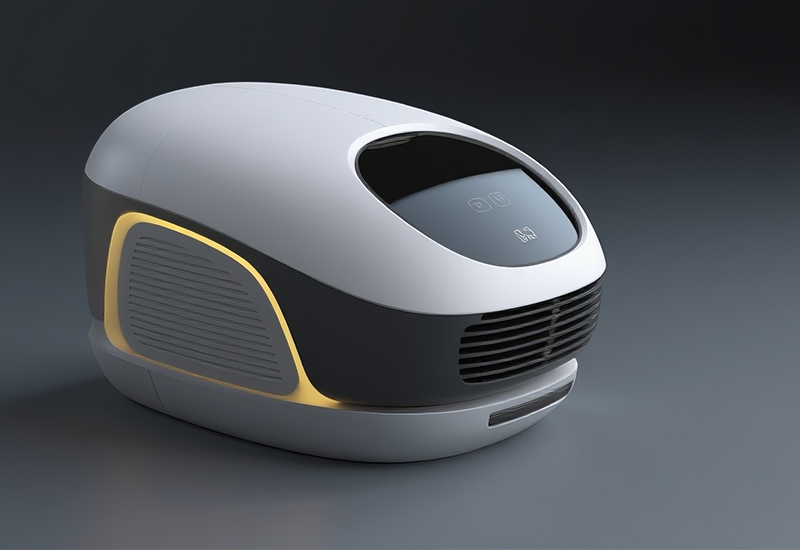
Electronic products often need compact enclosures that protect internal circuits while supporting assembly, ventilation, and heat dissipation. CNC machining can produce connector openings, mounting points, internal cavities, and precise interfaces for electronic assemblies.
Communication equipment may also require structural brackets, equipment housings, and components that maintain alignment during installation. Where electromagnetic shielding is necessary, the enclosure design, electrical contact surfaces, grounding arrangements, and coating specifications must be considered together.
Aluminum's thermal conductivity makes it a common material for heat sinks and thermal management components. CNC machining can create fins, mounting surfaces, thermal interfaces, and custom cooling structures to suit particular electronic devices.
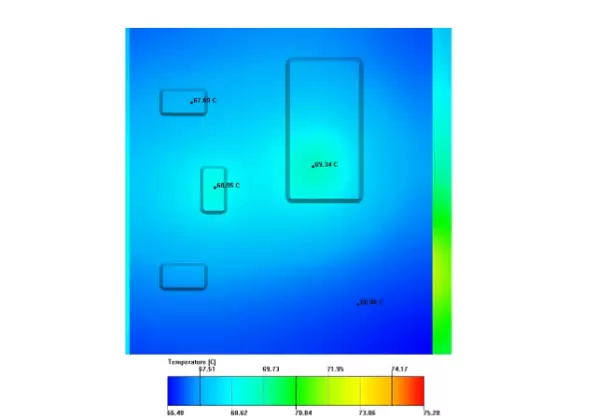
The performance of a heat sink depends on more than its external shape. Heat source location, contact resistance, airflow, fin spacing, available installation space, and operating temperature all influence the final result. Thermal simulation and physical testing can help identify design issues before production quantities increase.
Automotive development and industrial automation often involve custom brackets, mounting plates, sensor housings, fixtures, and lightweight structural components. CNC machining is useful when parts need accurate interfaces or must be revised as a system develops.
For these applications, dimensional repeatability and material traceability may be important. Components should be evaluated against their actual loads, vibration conditions, environmental exposure, and assembly requirements rather than selected on appearance alone.
Medical equipment can use CNC-machined aluminum for instrument housings, equipment frames, mounting structures, and external panels. Depending on the application, surface finish, cleanability, corrosion resistance, and documentation may require particular attention.
AI computing and data-processing systems also create demand for custom mechanical components and thermal management solutions. Aluminum housings, cold-plate-related structures, mounting hardware, and heat sink components can help integrate high-performance electronics into limited spaces. Thermal requirements vary significantly by system, so engineers should evaluate the complete cooling arrangement instead of assuming that a machined aluminum component will automatically provide sufficient cooling.
A successful CNC machining project begins before the machine starts cutting. A clear process helps reduce misunderstandings between design engineers and manufacturing teams.
First, the customer provides a 3D CAD model and a technical drawing where necessary. These documents should identify critical dimensions, tolerances, material requirements, threaded features, surface finish, and any areas requiring special treatment.
Next, the manufacturing team reviews the design for manufacturability. This review may identify inaccessible features, unnecessarily tight tolerances, difficult clamping conditions, or opportunities to simplify the component without affecting its function.
The machining process is then planned around the part geometry and production requirements. Depending on the design, operations may include milling, drilling, tapping, boring, and additional finishing processes. Complex components may require several setups, while multi-axis machining can reduce repositioning for suitable geometries.
After machining, the part is inspected to verify that it meets the drawing requirements. Critical holes, mating surfaces, overall dimensions, and geometric relationships should receive appropriate attention. Surface treatments, when specified, should also be checked for their effect on appearance, corrosion resistance, and dimensional fit.
This workflow is particularly valuable for custom components, where a small design change can affect tooling access, machining sequence, assembly, or inspection.
Machined aluminum can be used in its as-machined condition or receive additional surface finishing, depending on the application's needs.
Anodizing is commonly selected to improve surface hardness and corrosion resistance while providing different appearance options. Bead blasting can create a more uniform matte texture, while other finishing processes may be appropriate for specific cosmetic or functional requirements.
Surface finishing should be specified early rather than treated as an afterthought. Coatings can change dimensions, especially on mating surfaces, threaded holes, and precision interfaces. Masking or post-treatment machining may be needed where tight fits or electrical contact must be maintained.
For an electronic enclosure, for example, a uniform exterior finish may be important, but grounding points and connector interfaces may require different treatment. Discussing these requirements before production helps avoid unnecessary adjustments after machining is complete.
Consistency is essential when custom parts move from prototype development to repeat manufacturing. A component that fits one prototype does not automatically guarantee that every subsequent part will perform the same way.
A practical quality process begins with clearly defined acceptance criteria. Drawings should distinguish critical dimensions from non-critical features, specify appropriate tolerances, and identify any special inspection requirements.
Manufacturers can then select suitable measuring equipment and inspection methods. Depending on the part, these may include calipers, micrometers, height gauges, coordinate measuring machines, and thread gauges.
Process stability also matters. Tool wear, machine condition, workholding, cutting parameters, and operator practices can affect the finished component. Recording relevant inspection results and addressing recurring deviations helps improve repeatability across production batches.
An established quality management system provides additional structure for document control, traceability, corrective actions, and continual improvement. For customers, discussing inspection expectations at the beginning of a project is often more effective than resolving quality disagreements after delivery.
Choosing a CNC machining supplier involves more than confirming that a company has suitable machines. Engineering support, communication, material selection, inspection capability, and coordination of secondary processes can all influence project results.
SOGOOD provides integrated manufacturing services covering product design, thermal simulation, precision hardware, and heat dissipation solutions. The company serves industries including electronics, communications, automotive, medical equipment, and AI-related applications, with core capabilities in CNC precision machining and metal nano molding.
Based in Shenzhen, China, SOGOOD brings together industrial design, structural engineering, and mold engineering expertise to support product development from early concepts through manufacturing. Its experience with custom enclosures, accessories, auxiliary materials, and heat sinks is relevant to projects that combine mechanical design with thermal or assembly requirements.
For customers developing specialized components, early engineering discussions can help identify machining constraints, clarify tolerance requirements, and evaluate how material and surface treatment choices affect the finished part. SOGOOD also welcomes OEM and ODM cooperation, supporting customers who need either existing manufacturing solutions or customized engineering services.
To learn more about its capabilities, visit the CNC machining and manufacturing services page and discuss your component requirements with the team.
CNC aluminum machining offers manufacturers a flexible way to produce custom components for a wide range of applications. Its combination of design freedom, useful material properties, and precise cutting operations makes it suitable for everything from electronic enclosures and heat sinks to industrial brackets and specialized equipment parts.
The best results come from treating machining as part of a broader engineering process. Material selection, design for manufacturability, surface finishing, inspection, and supplier communication all contribute to a component's final performance.
By addressing these factors early and working with a manufacturing partner that understands both design and production, businesses can develop aluminum parts that fit their assemblies, meet functional requirements, and remain consistent as projects move from prototypes to repeat orders.