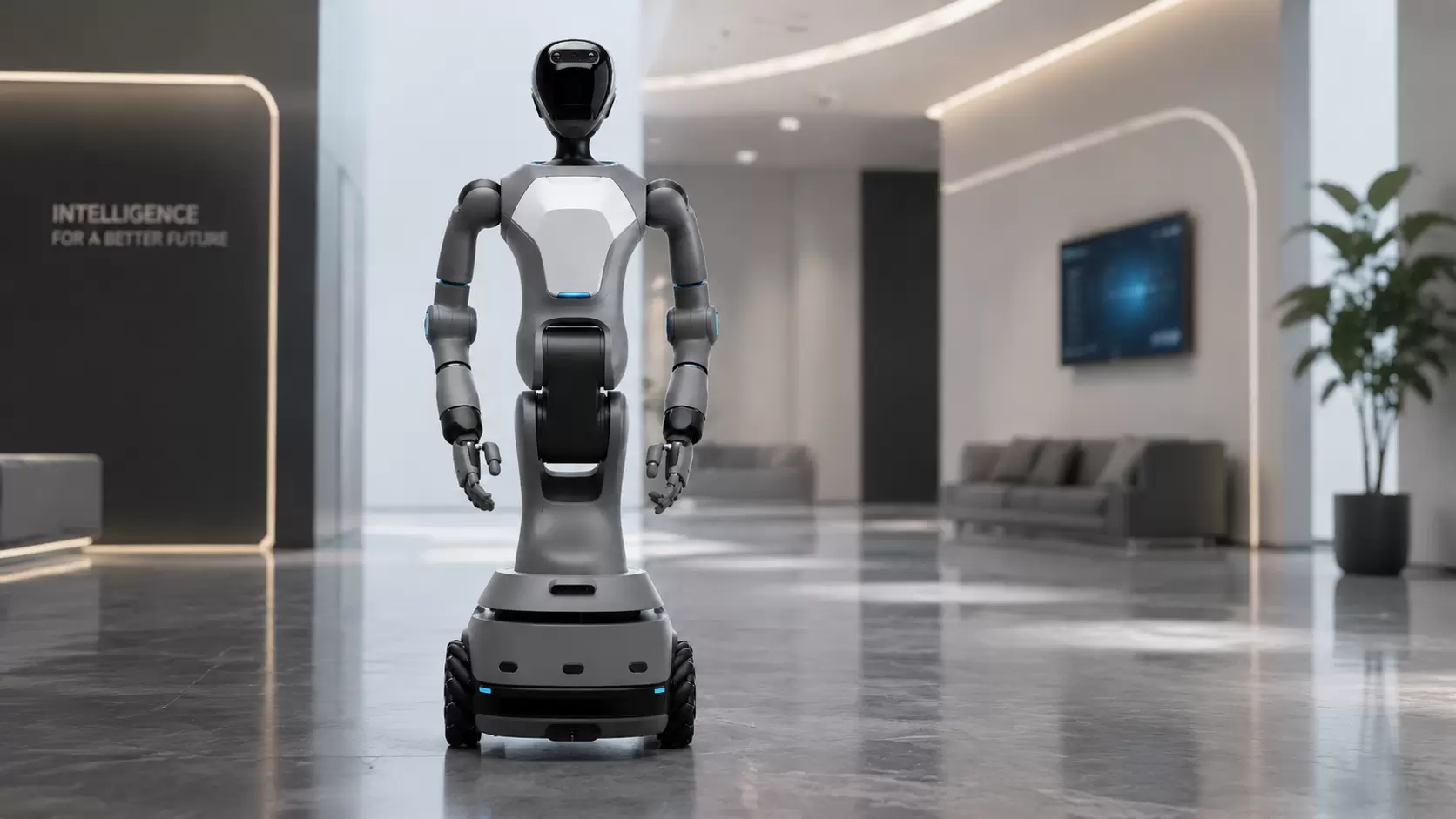
Intelligent Robot Design Case: Innovation in Industrial and Structural Design of Multi-Degree-of-Freedom Bionic Robots
Jul 16, 2026
In today's mobile-first world, power banks have become an essential accessory for consumers, businesses, and industrial users alike. From smartphones and tablets to wearable devices and portable medical equipment, reliable backup power is no longer a luxury—it's an expectation. As global demand continues to rise, brands looking to develop or expand their power bank product lines face an important question: Where should manufacturing take place?
China remains the world's largest manufacturing hub for consumer electronics, but countries such as Vietnam, India, Malaysia, and Mexico have also become attractive production destinations. Each region offers unique advantages, yet the right choice depends on more than manufacturing costs alone. Product quality, engineering capabilities, supply chain stability, customization options, and long-term scalability all influence the final decision.
This article compares power bank manufacturing in China with other major production regions, helping buyers understand where each option excels and why China continues to be the preferred choice for many global brands.

Choosing a manufacturing partner affects much more than production.
It determines:
For OEM and ODM projects, these factors often have a greater impact than labor costs.
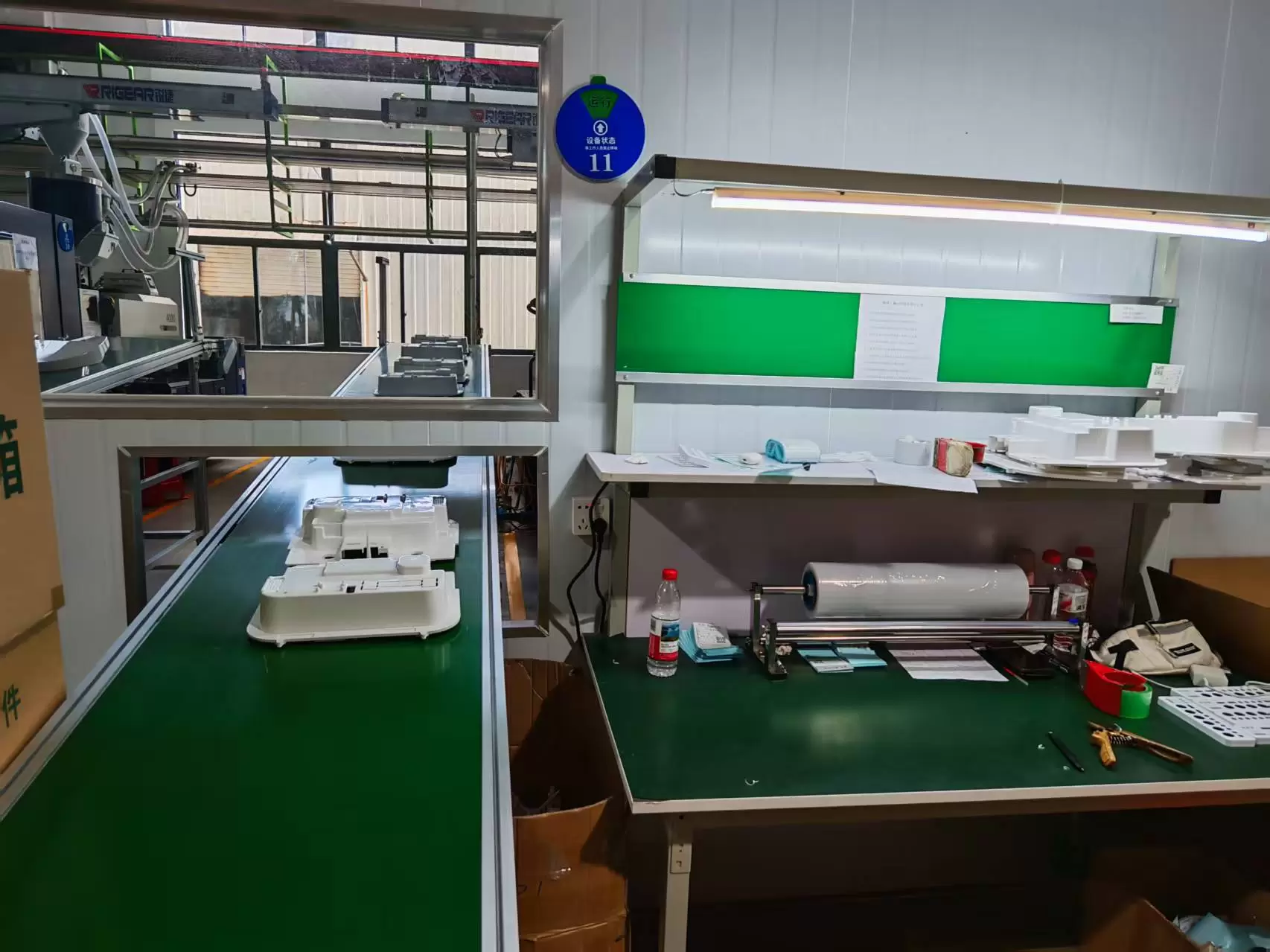
A power bank contains far more than a battery. It integrates battery management systems (BMS), charging ICs, PCB assemblies, aluminum or plastic enclosures, thermal management components, USB interfaces, firmware, packaging, and quality testing. The closer these suppliers are located to one another, the smoother production becomes.
China has spent decades building one of the world's most complete electronics manufacturing ecosystems.
Cities such as Shenzhen have become global centers for consumer electronics because nearly every supplier required to manufacture a power bank can be found within a relatively short distance.
These suppliers include:
This concentration dramatically shortens production cycles while improving communication throughout product development.
For companies launching new products, this ecosystem often translates into faster prototyping, easier engineering collaboration, and quicker design revisions.
Many buyers assume manufacturing costs depend primarily on labor expenses.
In reality, labor represents only one portion of total production costs.
Other important factors include:
Countries with lower labor costs may still have higher total manufacturing costs if components must be imported or if production efficiency is lower.
China often offsets higher wages through:
As a result, the overall manufacturing cost frequently remains competitive despite increasing labor expenses.
Quality consistency has become one of China's strongest competitive advantages.
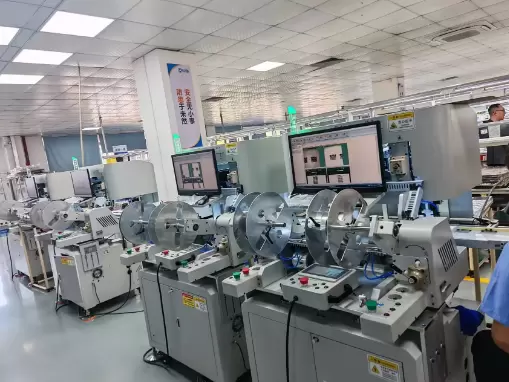
Leading manufacturers now operate under internationally recognized quality systems while investing heavily in automation and precision inspection equipment.
Typical quality processes include:
Modern factories also use statistical process control to identify production deviations before defects become widespread.
This systematic approach reduces product failures while improving long-term reliability.
Many buyers focus exclusively on assembly factories.
However, engineering capability often determines whether a project succeeds.
Power banks require expertise in multiple engineering disciplines:
Rather than acting solely as an assembly partner, experienced manufacturers provide engineering support throughout product development.
Companies such as SOGOOD demonstrate this integrated approach by offering one-stop manufacturing services that combine industrial design, thermal simulation, precision hardware manufacturing, CNC machining, and heat dissipation solutions.
Established in Shenzhen, China's renowned "City of Design," SOGOOD supports customers from concept development through mass production. Its engineering team includes experienced industrial designers, structural engineers, and mold specialists, with core members having participated in the design of Motorola's iconic A1200 and A1600 mobile phones. The company's industrial designers have also received the Red Dot Design Award, reflecting a strong focus on both functionality and aesthetics.
For companies seeking customized portable charging products, SOGOOD also welcomes OEM and ODM projects. Their expertise in metal nano molding technology, CNC precision machining, and mold flow analysis enables customers to develop durable, high-performance electronic products tailored to specific market needs. More information about their manufacturing capabilities can be found here:
<a href="https://www.sogoodprecision.com/consumer-electronics/power-bank.html">Power Bank Manufacturing Solutions</a>Recent global disruptions highlighted the importance of resilient supply chains.
China continues to maintain several advantages:
If one supplier experiences delays, manufacturers often have multiple qualified alternatives nearby.
Local sourcing reduces transportation time for critical parts.
Suppliers can replenish materials quickly, reducing the need for excessive inventory.
China's logistics network supports global shipping through well-developed ports, airports, and freight services.
These factors help manufacturers respond more effectively to changing market demand.
Although China dominates consumer electronics manufacturing, several countries have emerged as alternative production locations.
Vietnam has attracted investment from many electronics companies.
Advantages include:
Challenges include:
India continues expanding domestic electronics manufacturing through government initiatives.
Strengths include:
Current limitations include:
Malaysia has strong experience in semiconductor and electronic component manufacturing.
Advantages:
Limitations:
Mexico offers strategic advantages for companies serving North American markets.
Benefits include:
However, many electronic components still require importation from Asia, increasing supply chain complexity.
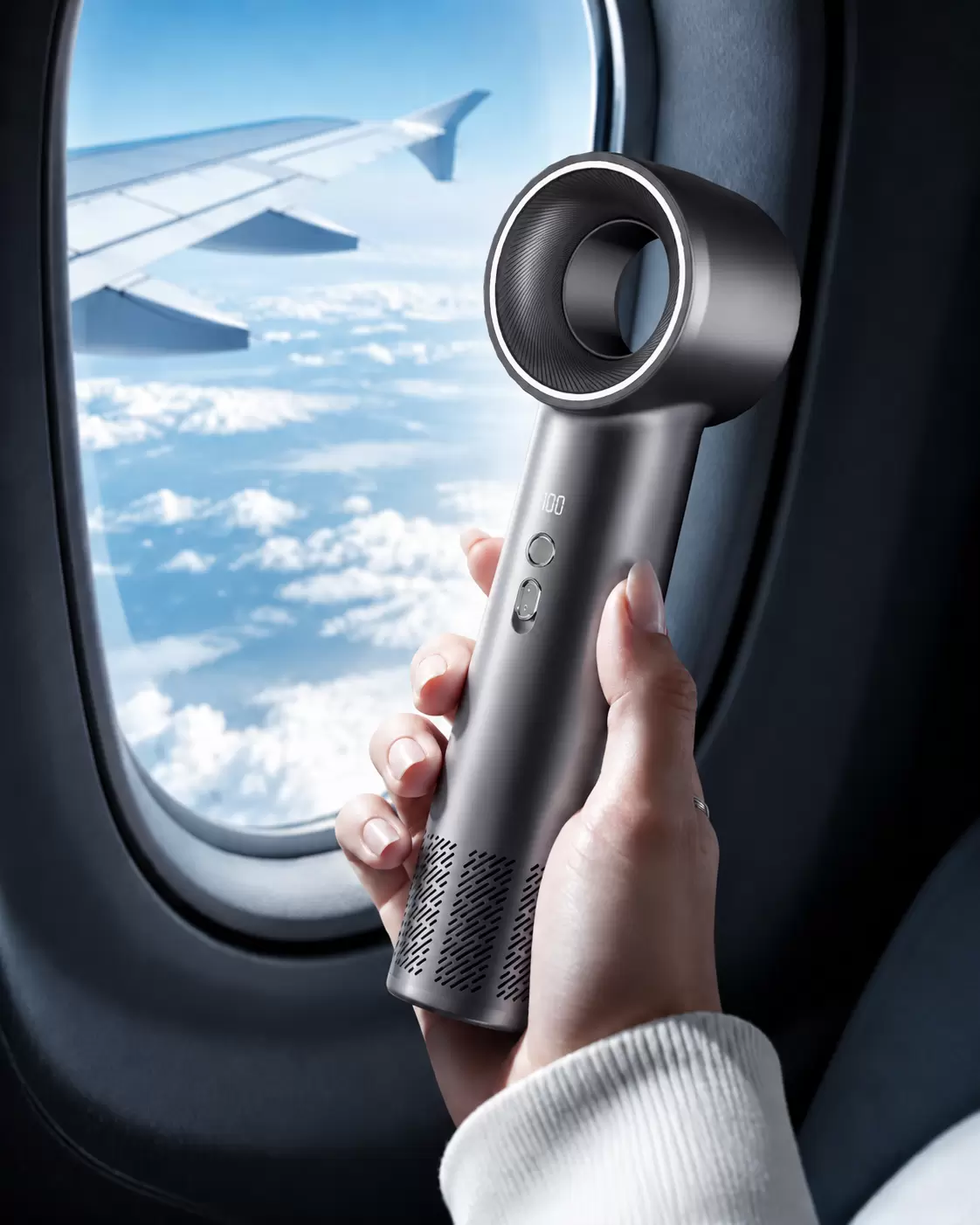
Modern power banks are no longer generic products.
Brands increasingly request:
Delivering these features requires close collaboration between industrial designers, structural engineers, CNC machining specialists, mold manufacturers, and production engineers.
This is another area where China's manufacturing ecosystem offers significant advantages.
SOGOOD's background in precision metal manufacturing, industrial design, thermal simulation, and CNC machining enables customers to develop customized products beyond standard catalog solutions. With ISO9001-certified quality management systems and engineers bringing more than two decades of experience in metal nano molding and CNC precision machining, the company supports projects requiring high precision, reliable manufacturing, and consistent product quality.
Time-to-market has become increasingly important.
A complete manufacturing ecosystem allows companies to move through each development phase more efficiently:
When suppliers are located close together, design revisions happen faster and communication becomes much simpler.
This shortens development cycles while reducing engineering risks.
Environmental responsibility is becoming an important purchasing factor.
Leading Chinese manufacturers increasingly invest in:
Many global customers now evaluate suppliers not only by manufacturing capability but also by environmental compliance and quality management practices.
There is no universal answer.
The right choice depends on your priorities.
If your focus is regional production for a specific market, another country may provide logistical advantages.
However, if your priorities include:
China continues to offer one of the most complete manufacturing environments available.
Selecting a power bank factory involves much more than comparing labor costs. Product reliability, engineering expertise, supply chain integration, production efficiency, and long-term scalability all contribute to successful manufacturing.
China's mature electronics ecosystem remains difficult to match because it combines advanced production capabilities with extensive supplier networks and experienced engineering talent. For businesses developing custom power banks or other consumer electronic products, partnering with a manufacturer that offers integrated design, precision manufacturing, thermal engineering, and quality assurance can significantly reduce development risks while improving product performance.
Companies like SOGOOD exemplify this comprehensive manufacturing model by combining industrial design, precision CNC machining, metal nano molding technology, thermal simulation, and one-stop OEM/ODM manufacturing services. This integrated approach helps customers move efficiently from product concept to mass production while maintaining high quality standards and supporting long-term business growth.