What a One-Stop Consumer Electronics Manufacturing Service Means for Global Brands
Feb 04, 2026
The neck massager market has moved beyond simple personal-care products. Today, consumers expect compact devices that are comfortable to wear, easy to operate, reliable in daily use, and visually consistent with modern consumer electronics. For global brands, meeting these expectations requires more than a good product concept. It requires an experienced manufacturing partner that can turn an idea into a stable, scalable product.
This is why many brands choose to work with experienced neck massager manufacturers rather than relying on suppliers that only handle basic assembly. From structural design and material selection to precision machining, mold development, thermal considerations, and quality control, the manufacturer's engineering capabilities can directly affect the final product.
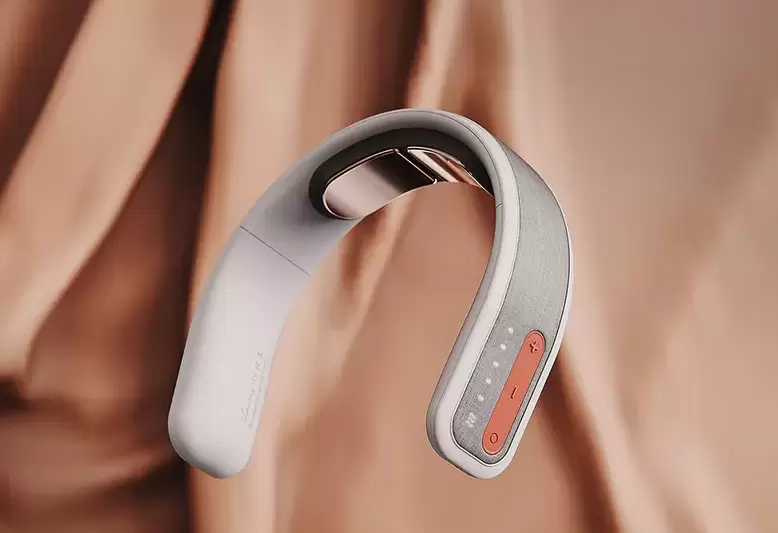
A neck massager is worn directly around the neck, so product design must consider comfort and usability from the beginning.
The housing needs to follow the intended shape of the neck without creating excessive pressure. Buttons and controls should be easy to access. Contact areas need suitable materials and surface finishes. At the same time, internal components such as motors, batteries, control boards, and heat-generating elements must fit into a relatively compact enclosure.
An experienced manufacturer can participate in these decisions before tooling begins. Instead of simply producing parts based on finished drawings, the manufacturer can identify potential problems related to wall thickness, assembly clearances, fastening structures, material selection, and manufacturability.
This early engineering involvement can prevent costly design changes later in the development process.
Modern neck massagers often contain multiple mechanical and electronic components within a small housing. Small dimensional errors can affect assembly, button operation, component positioning, and the overall feel of the product.
For brands targeting international markets, consistency between production batches is especially important. A prototype may work well, but mass production introduces different challenges. Plastic deformation, mold tolerance, machining accuracy, surface finishing, and assembly variation all need to be controlled.
Experienced manufacturers typically establish engineering standards around critical dimensions and interfaces. This helps ensure that components fit correctly and that the finished product maintains consistent appearance and performance throughout production.
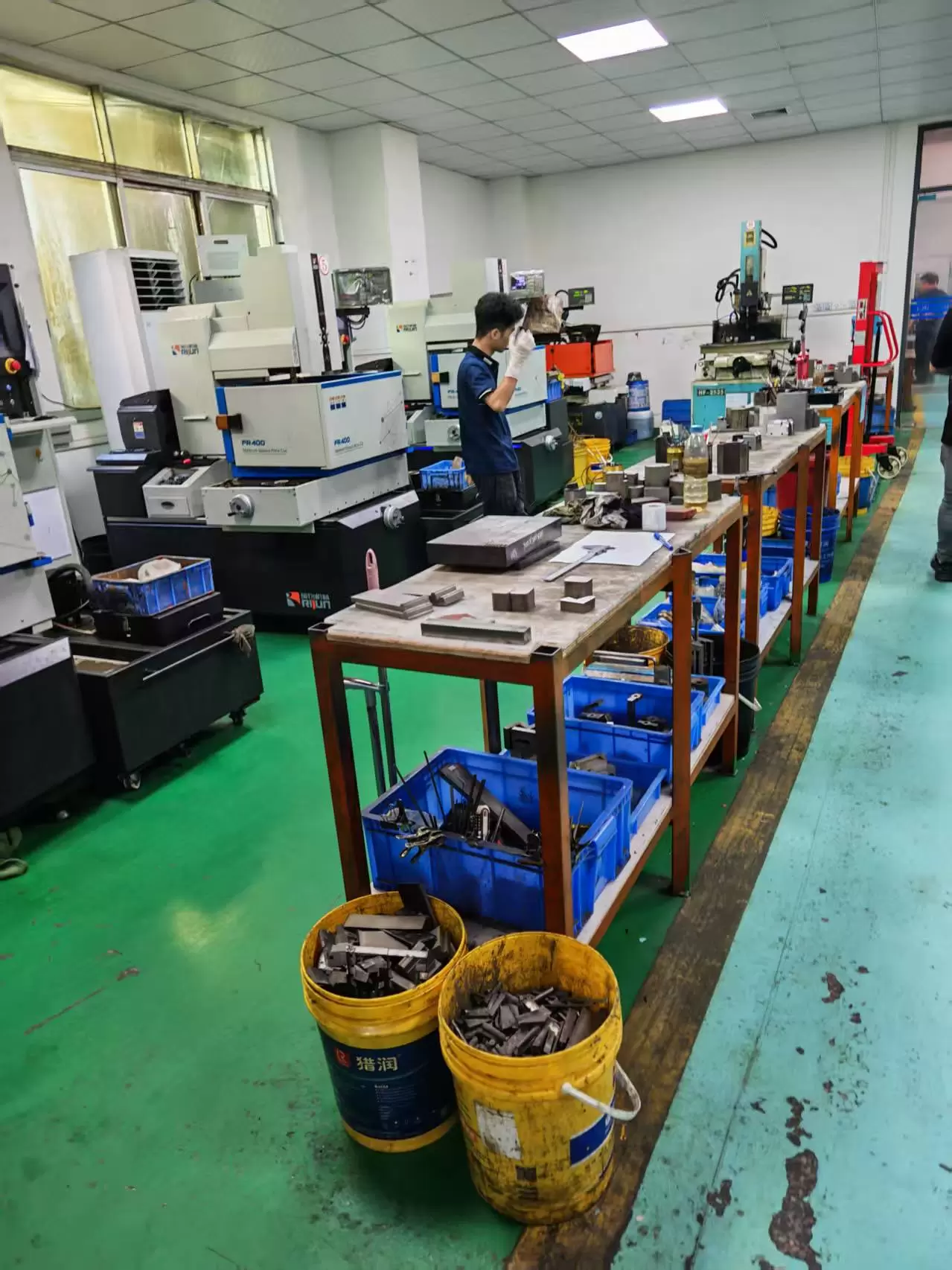
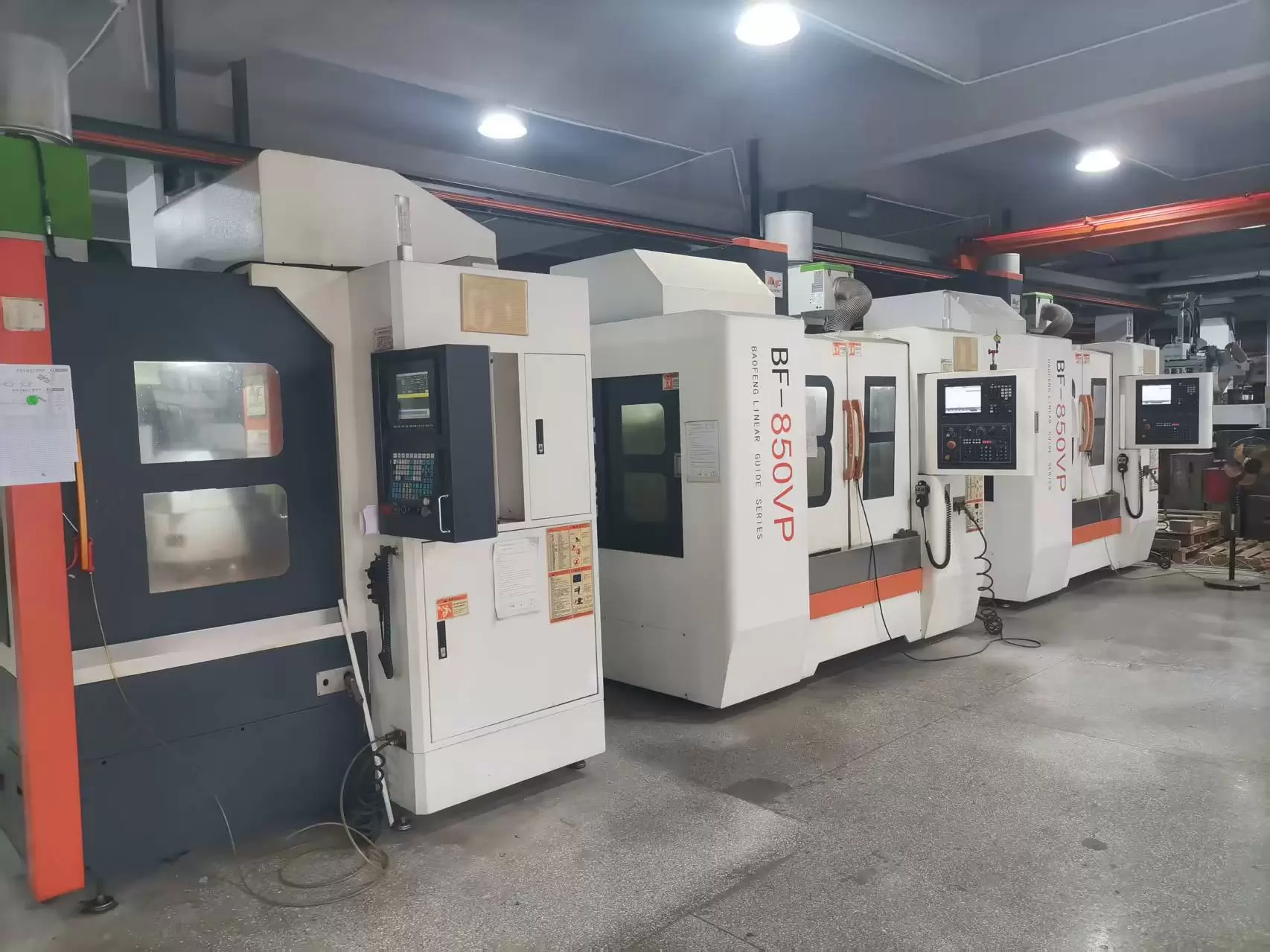
For products with precision metal components or decorative structural parts, CNC precision machining can also play an important role. It allows manufacturers to produce accurate components for prototypes, functional samples, and selected production applications.
A neck massager is both a functional device and a consumer product. Customers interact with its housing and contact surfaces every time they use it, making material selection and surface treatment important parts of the product experience.
Manufacturers may work with engineering plastics, aluminum alloys, stainless steel, silicone, rubber, and other materials depending on the product structure and functional requirements.
Each material presents different manufacturing considerations. Plastic housings require attention to mold flow, shrinkage, wall thickness, draft angles, and parting lines. Metal components require suitable machining, forming, finishing, and dimensional control.
For brands, these details matter because a poorly finished housing can make an otherwise well-designed product feel less reliable. An experienced manufacturer understands that manufacturing quality is part of the product's overall user experience.
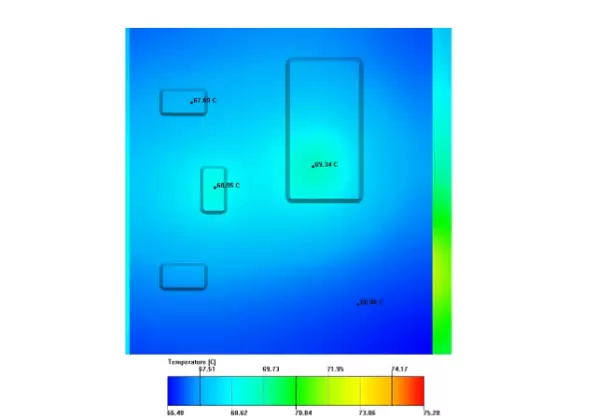
Although neck massagers are relatively small, thermal management can still become an engineering consideration when electronic components operate in a compact enclosure.
Motors, control circuits, charging components, and batteries can generate heat during operation. If heat is not properly managed, it may affect user comfort, component reliability, or the long-term stability of the device.
This is where engineering capabilities beyond conventional molding and assembly can make a difference.
SOGOOD, for example, provides one-stop manufacturing services covering product design, thermal simulation design, precision hardware, and thermal management solutions. Its engineering capabilities extend across electronics, communications, automotive, medical, and AI-related products.
For a neck massager, thermal analysis can help engineers understand heat distribution inside the housing and identify potential problem areas before physical production. This provides a more practical basis for modifying internal structures, component positioning, or heat dissipation paths.
One of the biggest advantages of working with an experienced manufacturer is the ability to connect product development with production.
A common problem in product development is the gap between a prototype and mass production. A prototype may use manually processed parts or temporary components that are not suitable for high-volume manufacturing. Once production starts, problems such as difficult assembly, excessive variation, or unsuitable tooling can appear.
A manufacturer involved from the early development stage can design with production requirements in mind.
A typical development process may include:
This integrated approach reduces communication gaps between designers, engineers, tooling suppliers, and production teams.
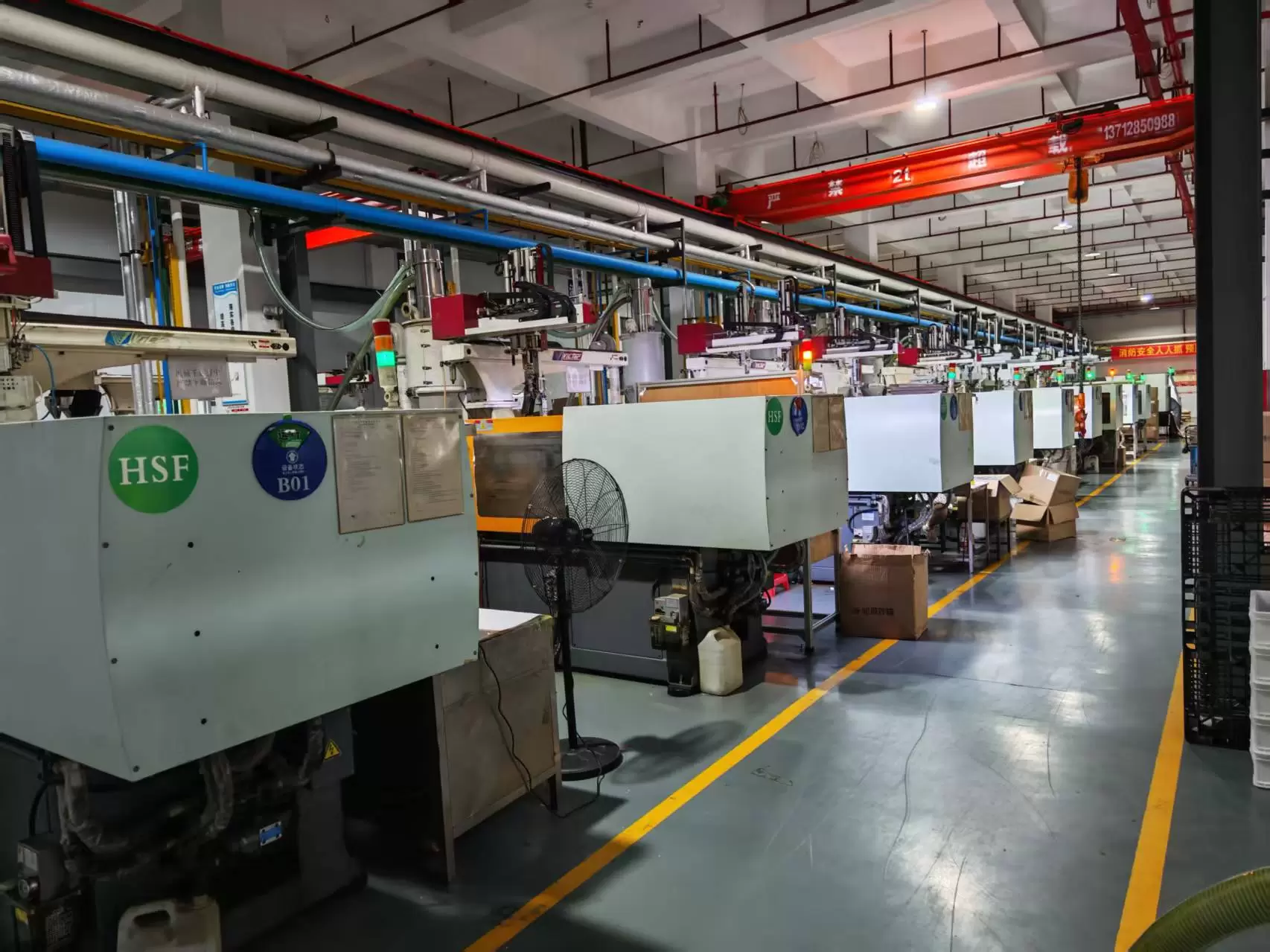
For injection-molded neck massager housings, mold flow analysis can provide useful information before a mold is manufactured.
The analysis can help engineers evaluate filling behavior, potential weld lines, air traps, shrinkage, warpage, and other molding-related issues. These factors can influence both appearance and dimensional stability.
SOGOOD has experience in mold flow analysis, alongside CNC precision machining and metal nano-molding technology. Its engineering team can use these capabilities to support the development of precision components and consumer electronic structures.
For global brands, this type of engineering support is valuable because solving a molding issue during design is generally more efficient than correcting it after tooling has already been completed.
Not every brand enters the neck massager market in the same way.
Some companies already have a complete product design and only need a capable OEM manufacturer to produce the product according to their specifications. Others may have a market concept but require support with industrial design, structure, tooling, materials, and manufacturing.
An experienced OEM and ODM partner should be able to accommodate both situations.
SOGOOD welcomes OEM and ODM cooperation. Brands can select from existing product solutions or work with the engineering team on customized projects. This flexibility is particularly useful for companies developing products with specific housing designs, structural requirements, material preferences, or integration needs.
Manufacturing quality is not only determined by equipment. Engineering communication also has a major impact on project results.
A supplier needs to understand technical drawings, tolerances, assembly requirements, material specifications, surface finishing requirements, and production constraints. More importantly, engineers need to be able to identify potential problems and communicate practical alternatives.
SOGOOD was established in Shenzhen and has built an engineering team consisting of experienced industrial designers, structural engineers, and mold engineers. Some core team members come from the design teams behind the Motorola A1200 and A1600, while the company's industrial designers have received Red Dot Design Awards.
The company also notes that its senior engineers have more than 20 years of experience in metal nano-molding and CNC processing, including professional experience at BYD.
For a global brand, this background can make technical discussions more efficient, particularly when a project involves complex metal and plastic structures.
When products are sold across multiple markets, quality problems can become more difficult to manage. A defect discovered after shipment may affect customer satisfaction, warranty handling, inventory, and brand reputation.
For this reason, quality management should be incorporated throughout the manufacturing process rather than relying only on final inspection.
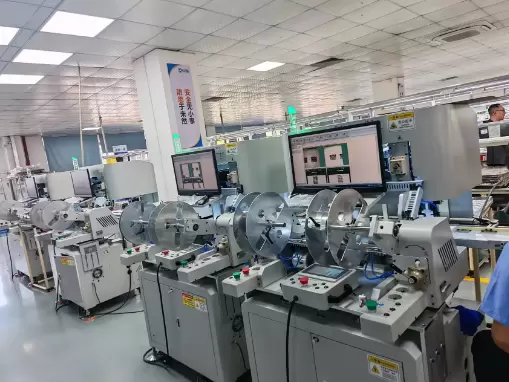
SOGOOD operates a modern quality management system aligned with international standards and has obtained ISO9001 certification. Quality control can cover incoming materials, machining and molding processes, dimensional inspection, assembly, appearance inspection, and final product checks.
For neck massager brands, a consistent quality process is particularly important because the product combines mechanical, electronic, and user-contact components.
Working with multiple suppliers can provide flexibility, but it also creates additional coordination work. A brand may need one supplier for industrial design, another for molds, another for CNC parts, and another for final assembly.
When these suppliers operate independently, responsibility for solving cross-functional problems can become unclear.
A one-stop manufacturing partner can simplify this process by connecting design, engineering, tooling, precision manufacturing, thermal considerations, and quality management under a more integrated workflow.
SOGOOD's manufacturing capabilities include product design, thermal simulation, precision hardware, CNC machining, metal nano-molding, mold flow analysis, and customized engineering solutions. This allows the company to support projects from research and development through production.
For brands developing or upgrading neck massager products, this integrated model can help shorten communication cycles and make engineering decisions more practical.
The right neck massager manufacturer should not be selected only on production capacity. Brands should also evaluate engineering experience, manufacturing processes, quality systems, prototype capabilities, communication, customization flexibility, and experience with complex consumer products.
A capable partner should be able to answer practical questions:
These questions often reveal more about a supplier's real capabilities than production capacity alone.
The success of a neck massager depends on more than its massage function. Product structure, comfort, appearance, durability, thermal performance, assembly, and manufacturing consistency all contribute to the final user experience.
That is why global brands increasingly look for experienced manufacturing partners capable of contributing engineering value throughout the development process.
For companies looking for a combination of industrial design, precision manufacturing, thermal engineering, and OEM/ODM support, SOGOOD offers an integrated approach. Its experience in consumer electronics and precision engineering, combined with CNC machining, metal nano-molding, mold flow analysis, and quality management, provides a foundation for developing customized products.
Brands interested in exploring a neck massager project can learn more about SOGOOD's capabilities through its neck massager manufacturing solutions and discuss specific OEM or ODM requirements with its engineering team.
The goal is not simply to manufacture a neck massager. It is to build a product that can move reliably from engineering concept to stable production and ultimately to the hands of customers around the world.