Industrial design drives robot evolution: quadruped robots showcase new directions for future mechanical aesthetics
Jul 17, 2026
Consistency is the foundation of trust in industrial manufacturing. For customers in electronics, automotive, medical devices, and emerging AI hardware, a plastic injection molding factory is not judged by a single good batch, but by its ability to deliver the same level of quality every time, at scale. Achieving this consistency is not accidental. It is the result of disciplined processes, experienced engineering, and tight control across design, tooling, materials, production, and quality management.
This article explores how a professional industrial plastic injection molding factory ensures consistent product quality, and how integrated manufacturing service providers like SOGOOD support customers from early design through mass production.
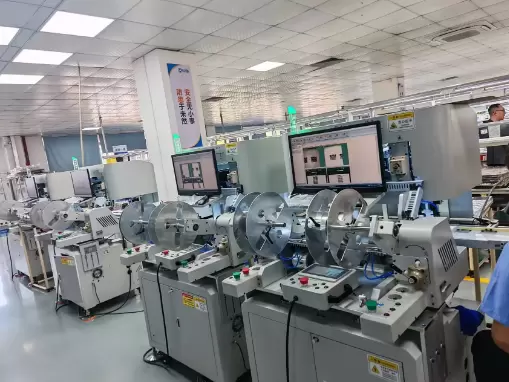
Consistent quality cannot be “inspected in” after production. It must be designed in from the very beginning.
A capable injection molding factory works closely with customers during product design and structural development. Key considerations include wall thickness uniformity, draft angles, rib design, boss placement, and parting line strategy. Poor design choices often lead to warpage, sink marks, short shots, or unstable dimensions during mass production.
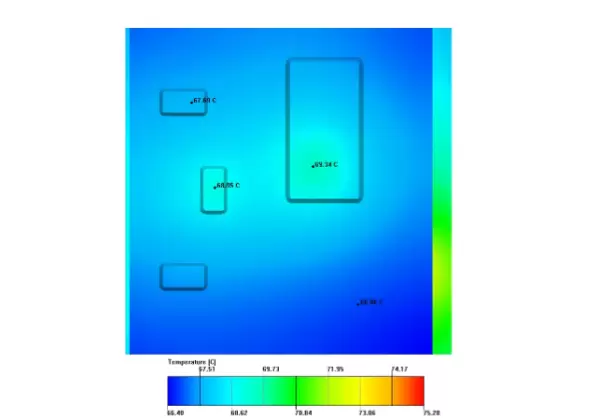
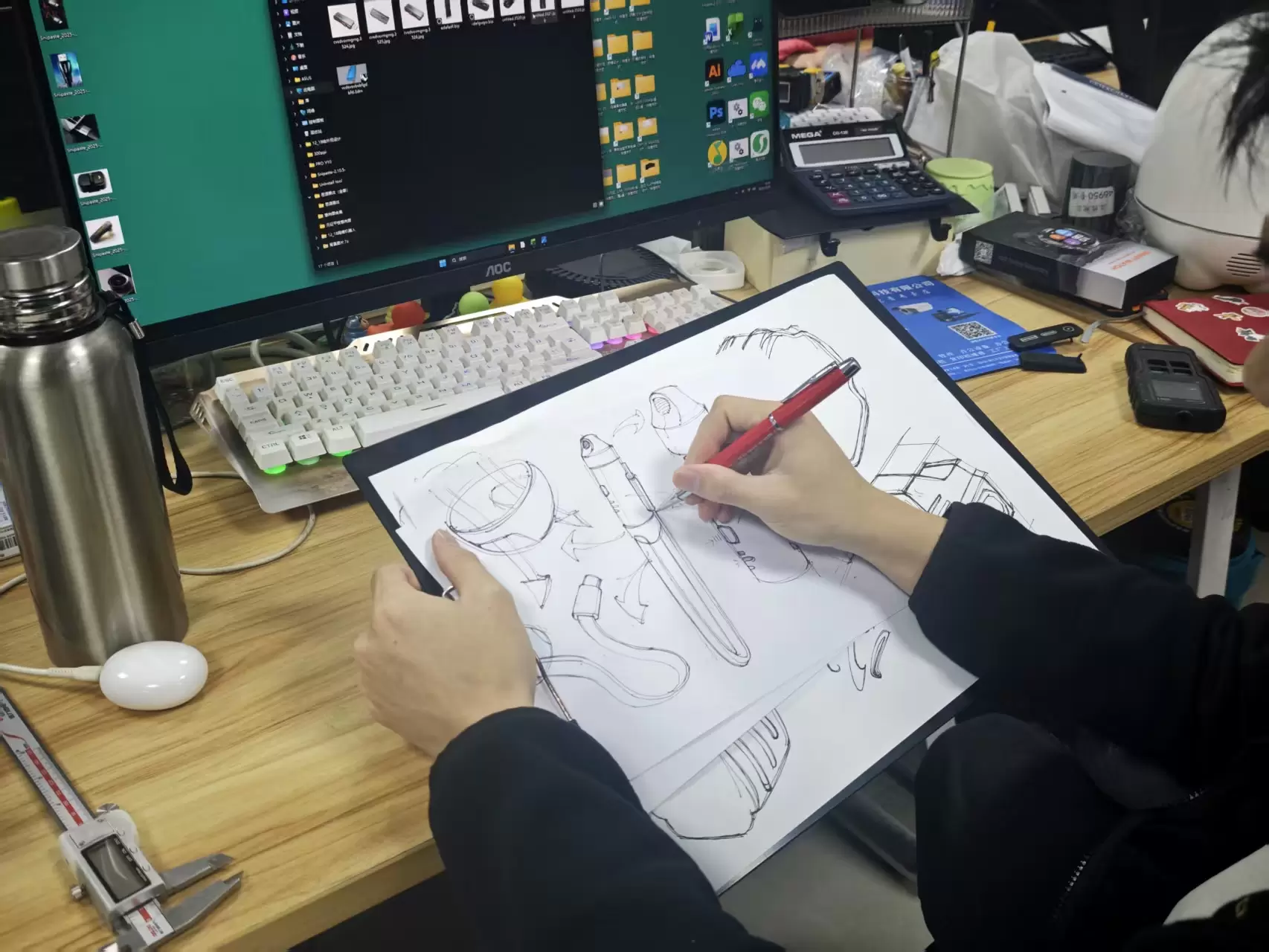
At SOGOOD, industrial designers and structural engineers collaborate early in the process. With roots in world-class design teams and experience serving global brands, the team balances aesthetics, function, and manufacturability. Advanced thermal and mold flow simulations are used to predict how molten plastic fills, cools, and solidifies inside the mold. This reduces trial-and-error and ensures that the final design can be produced consistently.
Design-for-manufacturing (DFM) reviews are especially critical for housings, enclosures, and precision components used in electronics, communications, medical, and automotive applications, where dimensional stability and surface quality directly impact performance.
The mold is the heart of injection molding. Even with excellent machines and materials, inconsistent molds lead to inconsistent products.
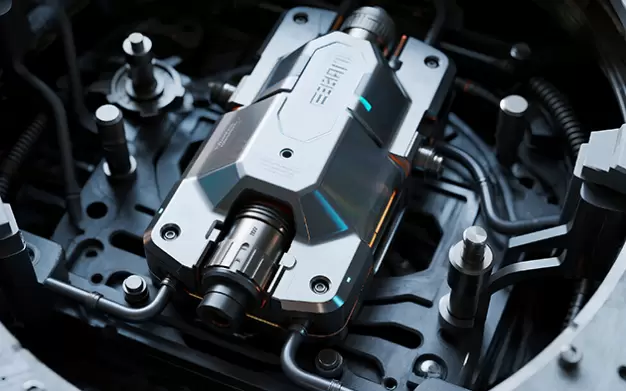
High-quality factories invest heavily in mold design and manufacturing. This includes precise cavity machining, optimized gate and runner systems, balanced cooling channels, and durable mold steel selection. Tight tolerances in mold fabrication directly translate into stable part dimensions over long production runs.
SOGOOD’s strength in CNC precision machining and metal nano molding technology plays a key role here. With engineers who bring more than 20 years of experience from large-scale manufacturing environments, molds are designed for longevity, repeatability, and ease of maintenance. Mold flow analysis is applied to validate gate locations, reduce internal stress, and improve surface quality.
Preventive mold maintenance is equally important. Regular inspection, cleaning, and component replacement ensure that wear does not gradually degrade product quality over time.
Plastic injection molding quality is highly sensitive to material consistency. Variations in resin grade, moisture content, or contamination can lead to color shifts, brittleness, flash, or dimensional drift.
A professional factory implements strict raw material control procedures. Approved suppliers, incoming material inspection, proper storage conditions, and resin drying protocols are all part of maintaining consistency.
For industries such as medical devices or automotive electronics, material traceability is essential. Each batch of resin must be traceable to its source, processing conditions, and finished products. This allows fast root-cause analysis if issues arise and supports compliance with industry regulations.
SOGOOD’s ISO9001-certified quality management system ensures that material handling follows international standards, reducing variability and supporting long-term production stability.
Injection molding is a highly repeatable process—if parameters are controlled correctly. Key variables include injection speed, pressure, holding time, cooling time, mold temperature, and barrel temperature.
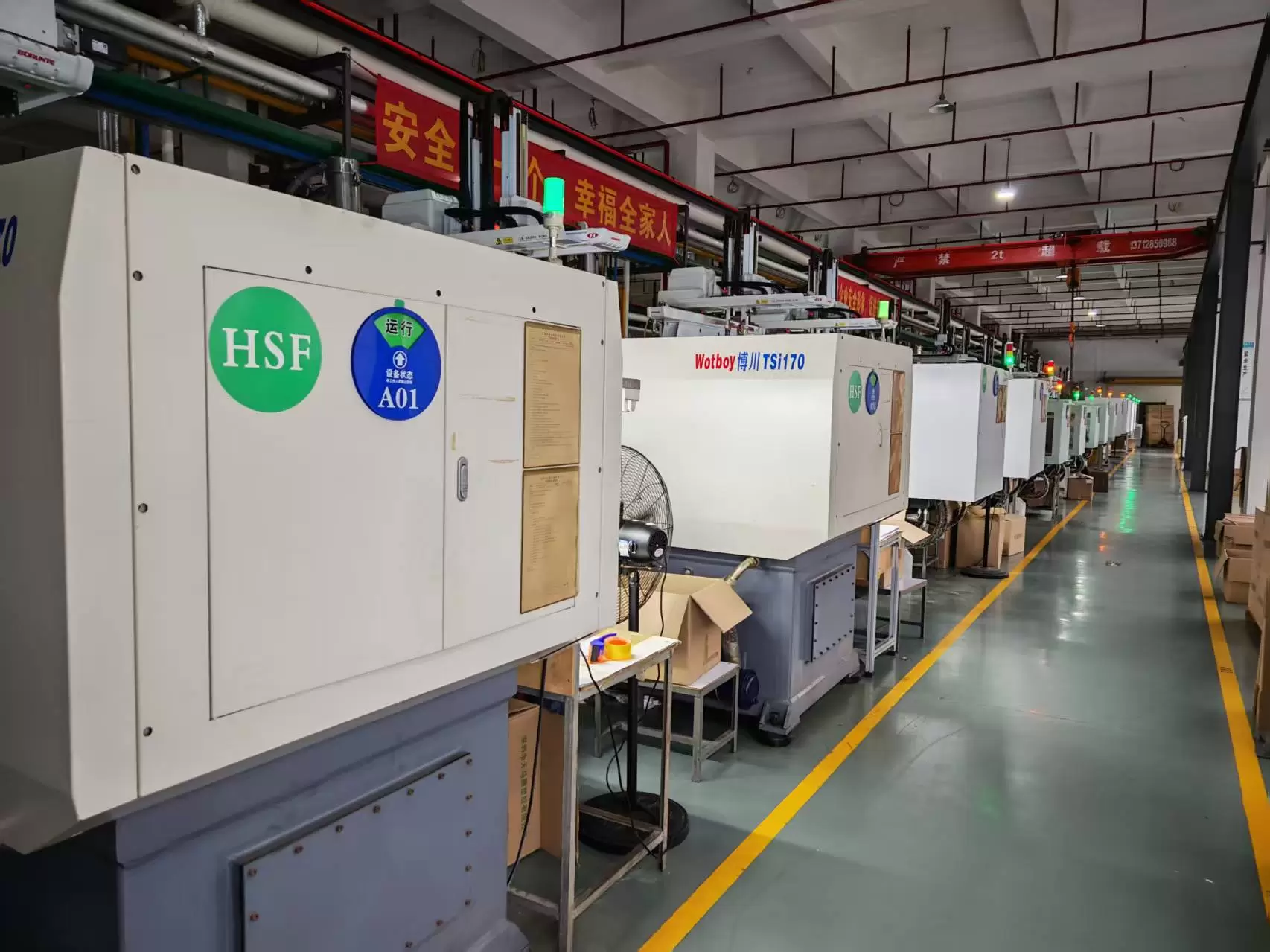
Leading factories establish validated process windows during trial production. Once optimal parameters are defined, they are documented and locked into standard operating procedures. Automated machine controls and real-time monitoring help ensure that every cycle stays within these limits.
Process capability studies (such as Cp and Cpk analysis) are often used to verify that the molding process can consistently meet dimensional and cosmetic requirements. When changes are required, such as material substitutions or design revisions, revalidation is performed to prevent unexpected quality issues.
SOGOOD integrates process engineering with tooling and design teams, allowing faster optimization and smoother transitions from prototype to mass production.
Even with advanced automation, people remain critical to consistent quality. Skilled technicians understand how subtle changes in machine behavior, material flow, or part appearance signal potential issues.
Training, experience, and cross-functional collaboration distinguish reliable factories from average ones. Operators are trained not only to run machines, but also to understand process fundamentals and quality requirements.
SOGOOD’s team includes experienced industrial designers, structural engineers, and mold engineers who have worked on complex consumer electronics and industrial products. This depth of expertise allows faster problem-solving and more informed decision-making on the production floor.
Consistent quality depends on catching deviations early. That is why in-process inspection is as important as final inspection.
During production, critical dimensions and visual features are checked at defined intervals. Statistical process control (SPC) tools help detect trends before parts go out of specification. Automated vision systems may be used for surface inspection in high-volume applications.
Final inspection verifies that finished products meet customer specifications for dimensions, appearance, functionality, and packaging. For customers in medical, automotive, and electronics sectors, documentation and inspection records are often as important as the parts themselves.
With an internationally compliant quality management system, SOGOOD ensures that inspection results are documented, traceable, and continuously improved.
Injection molding rarely stands alone. Many products require secondary operations such as CNC machining, surface finishing, heat sink integration, or assembly with metal and electronic components.
When these processes are fragmented across multiple suppliers, quality consistency becomes harder to control. Integrated manufacturing reduces handoffs, miscommunication, and variation.
As a one-stop manufacturing service provider, SOGOOD offers product design, thermal simulation, precision hardware, injection molding, CNC machining, and heat dissipation solutions under one roof. This integration ensures that tolerances, materials, and surface requirements remain consistent throughout the entire production chain.
For customers seeking a seamless path from R&D to market, this integrated approach reduces risk and shortens development cycles.
For more details on integrated manufacturing capabilities, please refer to the following anchor text link embedded as requested:one-stop manufacturing services.
Consistent quality is not static. Markets evolve, products update, and customer expectations rise. The best injection molding factories treat quality as a continuous improvement process.
Regular internal audits, customer feedback, and data-driven analysis help identify opportunities for optimization. Whether it is reducing cycle time without compromising quality, improving surface finish, or enhancing mold life, incremental improvements add up over long production runs.
SOGOOD’s long-term partnerships with global industry leaders such as Qualcomm, Lenovo, Philips, Panasonic, Haier, and others reflect a commitment to collaboration and continuous value creation.
Ensuring consistent product quality in industrial plastic injection molding requires more than advanced machines. It demands integrated design thinking, precision tooling, disciplined process control, skilled teams, and a robust quality management system.
By combining industrial design excellence, mold flow analysis, CNC precision machining, and ISO-certified quality systems, SOGOOD supports customers across electronics, communications, automotive, medical, and AI industries. The result is stable, repeatable production that helps customers move confidently from concept to market success.