Key Capabilities to Look for in an Industrial Plastic Injection Molding Factory
Apr 06, 2026
The medical device industry demands an exceptional level of precision, reliability, and regulatory compliance. From surgical instruments and diagnostic equipment to implantable components and medical housings, every part must meet stringent quality standards. CNC precision machining has become one of the most trusted manufacturing methods for producing these critical components due to its ability to achieve tight tolerances, superior surface finishes, and consistent repeatability.
However, even the most advanced CNC machining process cannot compensate for poor material selection. Choosing the right material is often the determining factor in a component’s performance, durability, safety, and regulatory acceptance. Understanding the key considerations behind material selection is essential for manufacturers, engineers, and medical device developers seeking long-term success.
Medical components operate in highly demanding environments. Some parts come into direct contact with human tissue, while others must withstand repeated sterilization cycles, chemical exposure, mechanical stress, or harsh operating conditions.
The selected material directly impacts:
Making the wrong material choice can lead to premature failure, increased production costs, regulatory complications, and reduced patient safety.
For components that come into contact with the human body, biocompatibility is one of the most critical requirements.
Materials must not:
Common biocompatible CNC machining materials include:
Titanium is widely used in:
Advantages include:
Grades such as 316L stainless steel are commonly used for:
Benefits include:
Medical devices often experience continuous mechanical loading, vibration, or repetitive movement.
Materials must withstand:
Important considerations include:
For high-strength applications, manufacturers frequently choose:
Selecting materials with insufficient strength may result in device malfunction or shortened service life.
Medical environments frequently involve:
Corrosion can compromise both safety and functionality.
Materials known for superior corrosion resistance include:
Corrosion resistance becomes particularly important for reusable surgical tools that undergo repeated sterilization procedures.
Many medical devices must withstand sterilization processes such as:
Some materials degrade when exposed to high temperatures or radiation.
Manufacturers should verify that selected materials maintain:
after repeated sterilization cycles.
Portable medical equipment and surgical tools often benefit from lightweight construction.
Reducing component weight can improve:
Popular lightweight materials include:
Advantages:
Applications:
Titanium offers an ideal combination of lightweight performance and exceptional strength, making it suitable for advanced medical applications.
Not all materials perform equally during CNC machining.
Some materials offer:
For example:
Material selection should balance performance requirements with manufacturing efficiency.
Best for:
Key benefits:
Best for:
Key benefits:
Best for:
Key benefits:
Best for:
Key benefits:
Best for:
Key benefits:
Material selection and surface finishing are closely connected in medical manufacturing.
Surface quality affects:
Common finishing processes include:
The selected material must be compatible with the intended finishing process to achieve optimal performance.
Medical components must comply with strict industry regulations and quality standards.
Material traceability is essential for:
Manufacturers should work with suppliers capable of providing:
A robust quality management system helps ensure consistent product quality throughout production.
Material selection is rarely an isolated decision. Successful medical device development requires close collaboration between design engineers, materials specialists, and manufacturing experts.
This is where an experienced precision manufacturing partner can create significant value.
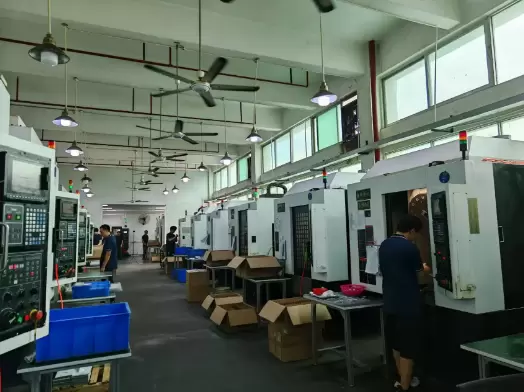
SOGOOD is a one-stop manufacturing service provider specializing in product design, thermal simulation engineering, precision hardware manufacturing, and thermal management solutions. We serve industries including medical devices, electronics, telecommunications, automotive systems, artificial intelligence equipment, and industrial applications.
Founded in Shenzhen, China's renowned "City of Design," our team combines extensive expertise in industrial design, structural engineering, mold development, metal nano molding technology, and CNC precision machining. Many of our core engineers bring over 20 years of manufacturing experience, enabling us to provide practical recommendations that balance performance, manufacturability, and cost efficiency.
Our comprehensive capabilities include:
With an ISO9001-certified quality management system and experience supporting internationally recognized companies across multiple industries, we help customers accelerate development cycles while maintaining the quality standards required for medical applications.
For examples of our engineering and manufacturing capabilities, visit:<a href="https://www.sogoodprecision.com/project/" target="_blank">CNC Precision Manufacturing Projects</a>
Material selection remains one of the most important decisions in CNC precision medical component manufacturing. Factors such as biocompatibility, strength, corrosion resistance, sterilization compatibility, weight, machinability, and regulatory compliance all play critical roles in determining product success.
By evaluating these requirements early in the design process and partnering with experienced manufacturing specialists, medical device companies can improve product reliability, accelerate development, and achieve higher levels of quality assurance.
As medical technology continues to evolve, the combination of advanced materials and precision CNC machining will remain essential for creating safer, more reliable, and more innovative healthcare solutions.