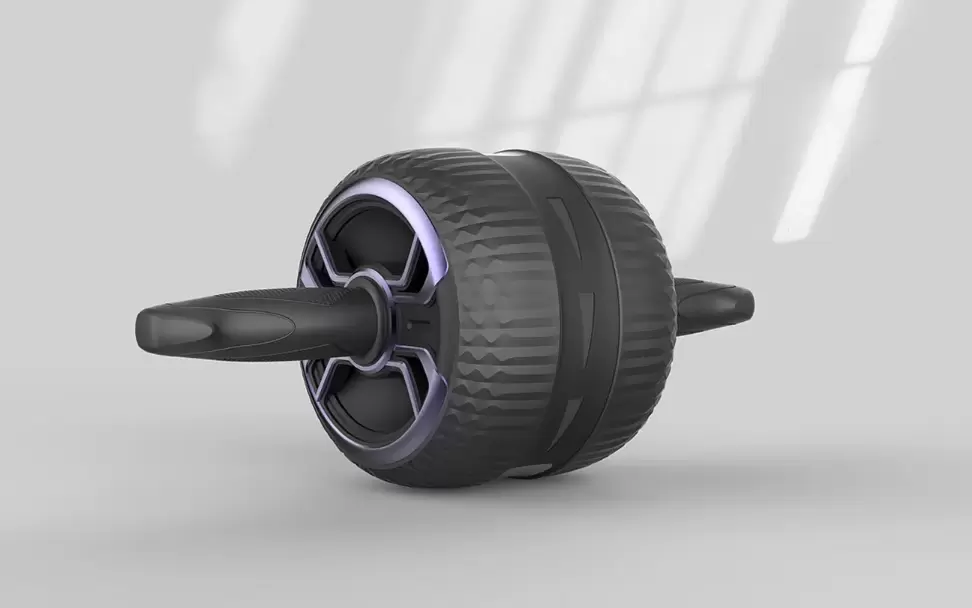
OEM and ODM Ab Wheel Manufacturing: What Buyers Should Know
Aug 07, 2026
The global wellness and consumer electronics markets are expanding rapidly, and neck massagers have become one of the most in-demand portable health products. From e-commerce private labels to established healthcare brands, more companies are entering this category.
However, success in this space does not start with marketing — it starts with choosing the right manufacturer.
A reliable neck massager manufacturer does far more than assemble components. They influence product quality, safety compliance, user experience, production scalability, and long-term brand reputation. In this article, we’ll walk through practical criteria to evaluate a manufacturing partner and explain why technical depth and engineering capability matter more than many brands initially realize.
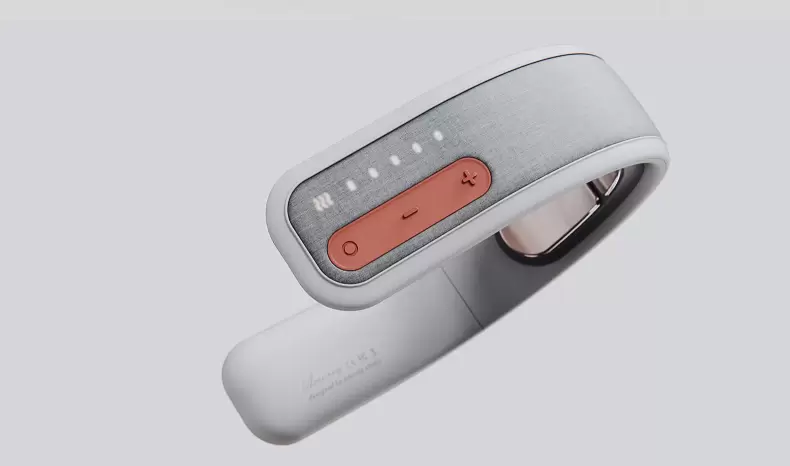
Many factories can assemble a neck massager. Far fewer can engineer one properly.
A neck massager integrates:
Heating systems
EMS or pulse stimulation modules
Battery management systems
Compact PCB layouts
Structural housing
Thermal control design
Ergonomic fit
If a supplier lacks engineering expertise, they may rely on copied molds or off-the-shelf structures that limit customization and compromise performance.
A strong manufacturer should offer:
Industrial design support
Structural engineering
Thermal simulation
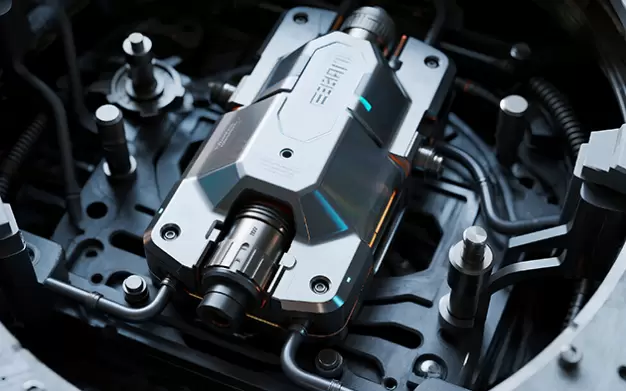
Mold flow analysis
Rapid prototyping
CNC precision machining
For example, SOGOOD is a one-stop manufacturing company specializing in product design, thermal simulation design, precision hardware, and heat dissipation solutions. Their expertise extends beyond basic electronics assembly into structural optimization and material engineering — capabilities that are critical for wearable heating devices like neck massagers.
When reviewing suppliers, always ask:
Can they redesign the product if performance issues arise, or do they only assemble pre-existing solutions?
Neck massagers may look simple externally, but internally they require tight tolerances and efficient heat distribution. Poor heat management can cause uneven warming, discomfort, or even product failure.
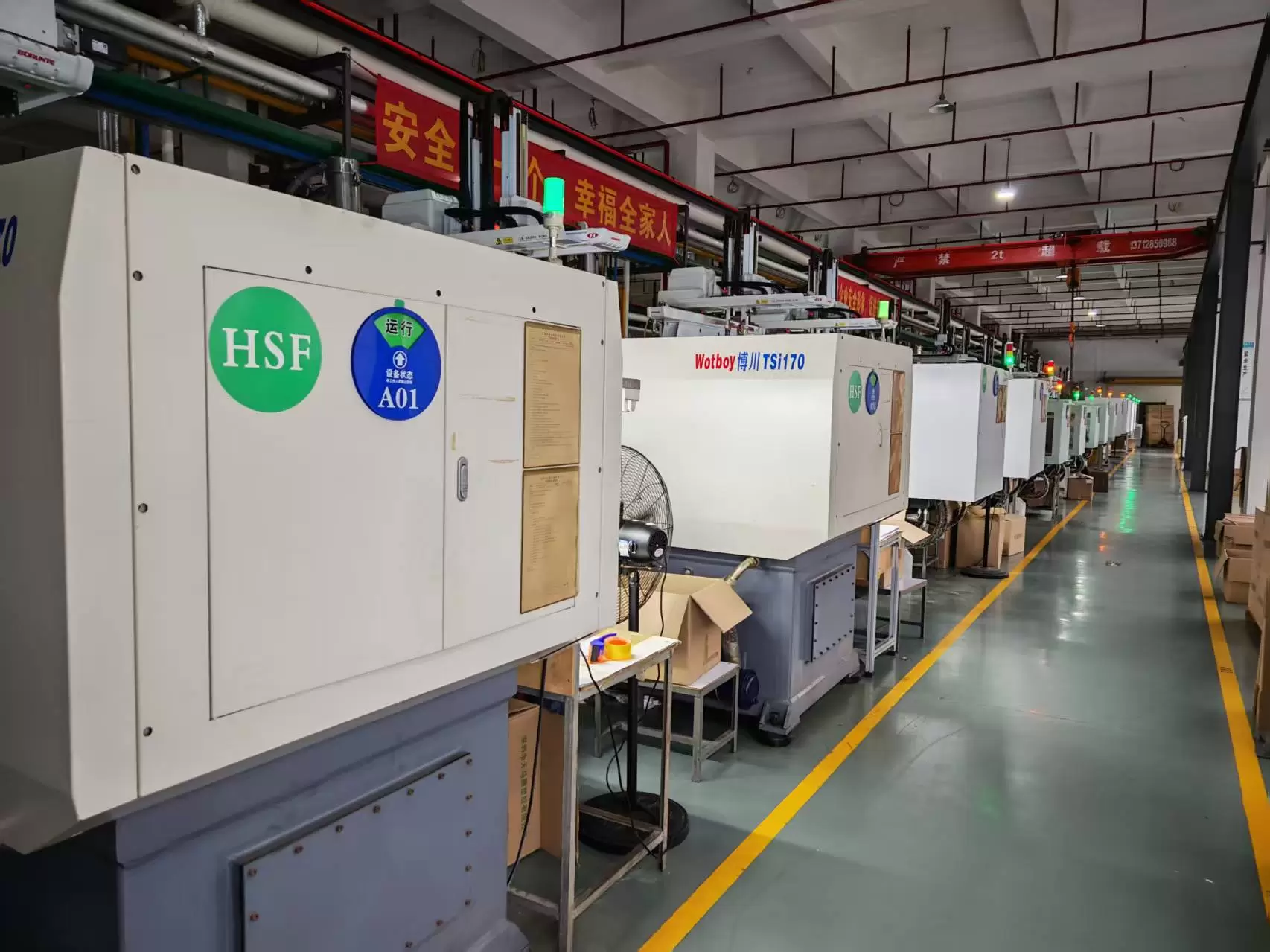
Manufacturers with advanced processing technologies offer clear advantages.
SOGOOD’s core strengths lie in:
Metal nano-molding technology
CNC precision machining
Mold flow analysis
Structural and thermal engineering optimization
Metal nano-forming allows for lightweight yet durable structural components, while CNC machining ensures precision fitting — essential for wearable consumer electronics that must balance comfort and mechanical stability.
When evaluating a factory, check:
What machining capabilities do they have?
Do they handle mold development in-house?
Can they simulate heat dissipation performance?
What materials are they experienced with?
Manufacturers with strong thermal and structural backgrounds are far better equipped to build safe, high-performance neck massagers.
Industrial design significantly influences product differentiation. In the neck massager market, visual appeal and ergonomics drive consumer decisions.
Ask about the background of the design team:
Do they have experience in consumer electronics?
Have they worked with global brands?
Have they won design awards?
SOGOOD’s team includes experienced industrial designers, structural engineers, and mold engineers. Core members previously worked on the Motorola A1200 and A1600 design projects. Their industrial designers have won the Red Dot Design Award, demonstrating recognized innovation capability.
This level of design experience matters because:
Ergonomic fitting reduces user fatigue
Structural optimization improves durability
A refined exterior increases retail competitiveness
If your goal is brand building — not just product sourcing — strong design capability is non-negotiable.
A manufacturer that serves multiple advanced industries often applies higher standards to consumer products.
SOGOOD designs and manufactures enclosures, accessories, auxiliary materials, and heat sinks for industries including:
Electronics
Telecommunications
Automotive
Medical
Artificial Intelligence
Serving high-tech sectors means operating under strict engineering and quality expectations. That experience translates directly into better process control and reliability for wearable devices like neck massagers.
Additionally, working with global companies such as Qualcomm, ZTE, Lenovo, NEC, Han’s Laser, Philips, Panasonic, Haier, Midea, ASUS, and TCL demonstrates an ability to meet international compliance and quality requirements.
When choosing a neck massager manufacturer, ask:
Have they supplied internationally recognized brands?
Do they understand global certification standards?
Can they adapt to regulatory requirements in different markets?
Experience across demanding industries is a strong indicator of long-term reliability.
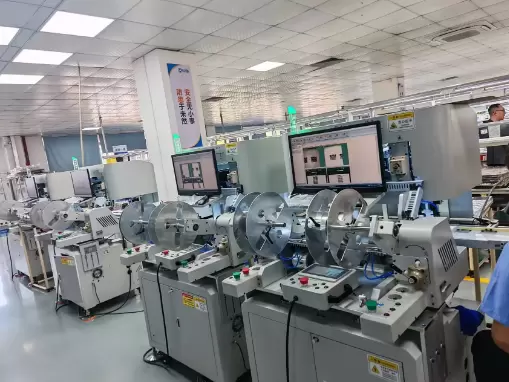
Product defects in wearable electronics can lead to brand damage and costly recalls. A robust quality management system is essential.
Key checkpoints include:
ISO certification
Incoming material inspection standards
In-process quality control
Final product testing
Traceability systems
SOGOOD implements a modern quality management system aligned with international standards, and its products are ISO9001 certified. This structured system ensures consistent production output and continuous improvement.
Do not rely on verbal assurances. Request:
Certification documents
Audit reports
Testing protocols
Sample inspection standards
Reliable factories welcome transparency.
Your business model determines what kind of partner you need.
If you want to launch quickly with minor branding adjustments, OEM capability is sufficient.
If you need product differentiation, improved performance, or patented features, ODM capability becomes critical.
A competent ODM partner should offer:
Concept design
Mechanical development
Prototyping
Performance testing
Mass production support
SOGOOD welcomes both OEM and ODM cooperation. Whether selecting from an existing catalog or developing a customized engineering solution, their integrated design-to-manufacturing approach supports seamless project execution.
For neck massagers, ODM strength is particularly valuable when developing:
Enhanced heating systems
Custom shell materials
Optimized structural ergonomics
Improved battery integration
Long-term brand value often comes from customization, not imitation.
Engineering capability alone is not enough. Clear communication determines project efficiency.
Look for:
Dedicated project managers
Engineering feedback within 24–48 hours
Transparent development timelines
Clear documentation
Factories that respond slowly or vaguely during early discussions typically continue that pattern during production.
SOGOOD positions itself as a partner rather than just a supplier. Their focus on seamless transition from R&D to market success reflects a structured workflow and coordinated team collaboration.
Reliable communication minimizes:
Misunderstandings
Engineering revisions
Tooling delays
Production disruptions
Manufacturing location influences cost efficiency, supplier access, and production speed.
SOGOOD is headquartered in Shenzhen, known as China’s “City of Design.” Shenzhen’s ecosystem provides:
Access to advanced component suppliers
Skilled engineering talent
Mature electronics supply chains
Rapid prototyping capabilities
This regional advantage enables faster product iteration and improved sourcing flexibility.
When selecting a manufacturer, consider whether they operate within a strong industrial cluster. It often translates into better agility and scalability.
Before committing, review existing product samples. A supplier’s current products reveal more than any brochure.
For instance, you can review SOGOOD’s neck massager offering here:
https://www.sogoodprecision.com/medical-products/neck-massager.html
Examining actual product structures helps assess:
Surface finishing quality
Structural consistency
Ergonomic shaping
Heating plate integration
Component alignment
Request physical samples whenever possible. Practical inspection always outperforms catalog photos.
Choosing a manufacturer is not a single transaction — it is the foundation of your product line’s future.
A strong partner should help you:
Improve product performance
Optimize production costs through engineering
Introduce new materials
Upgrade designs for next-generation models
SOGOOD’s background in nano-forming technology and CNC precision machining reflects long-term technical investment. Their engineers bring over 20 years of experience in metal nano-forming and CNC machining, including prior experience at BYD. That depth of knowledge supports continuous improvement rather than short-term assembly work.
If your brand intends to grow, you need a manufacturer capable of evolving with you.
Selecting a reliable neck massager manufacturer requires more than comparing quotations or browsing product catalogs. It requires evaluating:
Engineering depth
Core manufacturing technologies
Design capability
Industry experience
Quality systems
Communication structure
OEM/ODM flexibility
A partner like SOGOOD demonstrates how integrated design, thermal engineering expertise, precision machining, and structured quality management combine to support high-performance consumer health products.
The right manufacturer does not just build your product. They help protect your brand, strengthen your competitive edge, and accelerate your path from development to market success.