OEM and ODM Ab Wheel Manufacturing: What Buyers Should Know
Aug 07, 2026
Choosing the right industrial printer manufacturer is a decision that can directly affect your production efficiency, product quality, and long-term operating costs. Unlike office printers, industrial printers are often embedded into manufacturing lines, logistics systems, medical devices, or automated equipment. Once selected, they are not easily replaced. That is why businesses need to look beyond marketing claims and focus on practical, verifiable factors when evaluating potential partners.
This article walks through the key criteria you should consider when selecting a reliable industrial printer manufacturer, with real-world insights that help you make a grounded, business-focused decision.
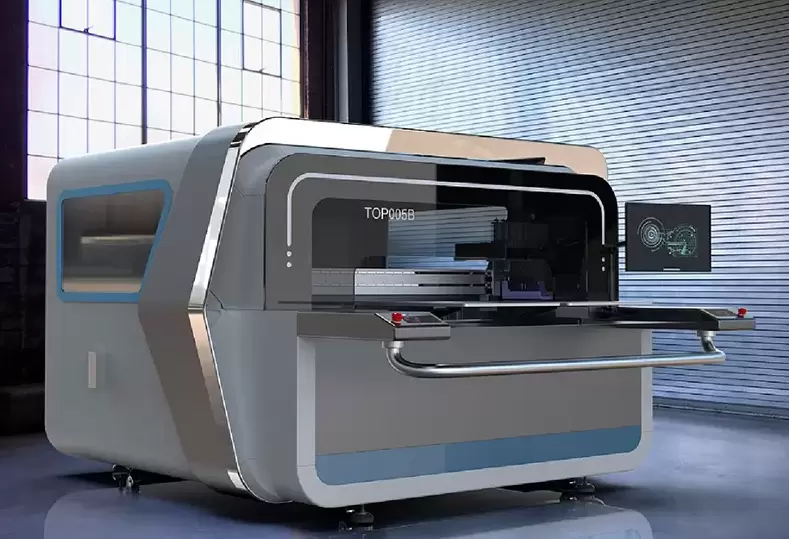
Before you start comparing manufacturers, you need a clear understanding of how the industrial printer will be used.
Key questions include:
What materials will you print on (metal, plastic, labels, packaging, housings)?
What environments will the printer operate in (heat, vibration, dust, humidity)?
Is the printer part of a larger mechanical or electronic system?
Do you need standard models or customized solutions?
Many procurement issues stem from unclear internal requirements. A reliable manufacturer will ask these questions early and help you refine specifications instead of pushing an off-the-shelf product that may not fully fit your application.
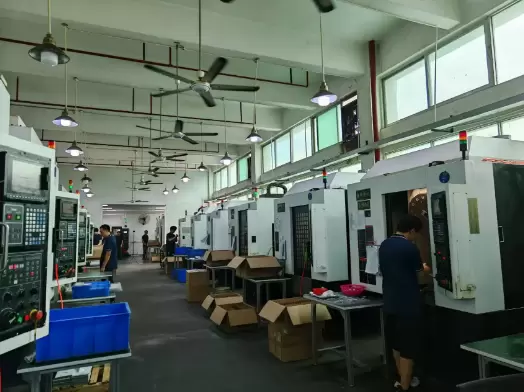
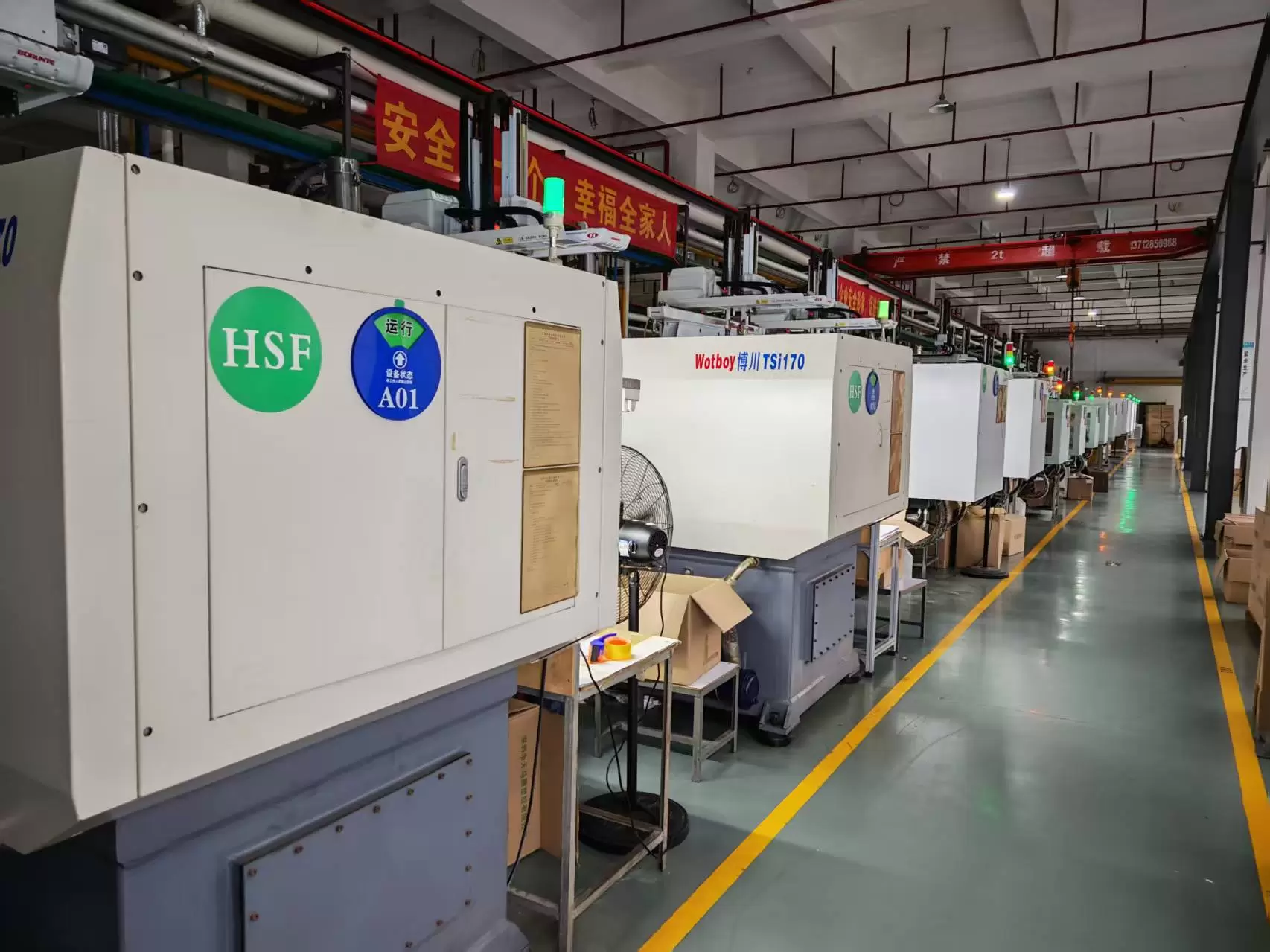
A trustworthy industrial printer manufacturer should have strong in-house manufacturing capabilities. This is especially important if your project involves customized housings, heat dissipation structures, or precision mechanical components.
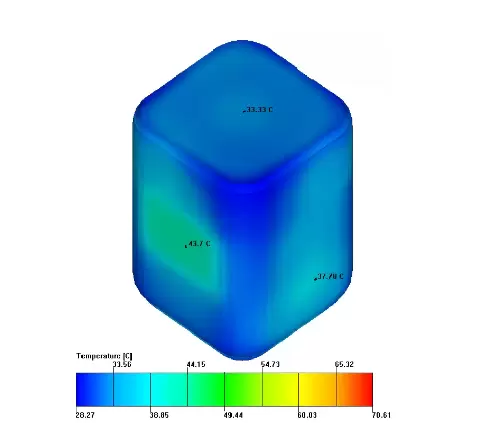
Manufacturers with advanced CNC machining, metal forming, and thermal simulation capabilities can optimize printer performance at the design stage. For example, proper heat dissipation is critical for industrial printers running continuously in production environments. Poor thermal design leads to frequent downtime and shortened equipment life.
Companies like SOGOOD provide one-stop manufacturing services, combining product design, thermal simulation, precision hardware manufacturing, and heat dissipation solutions. This integrated capability reduces coordination risks and shortens development cycles for industrial printer projects.
Industrial printers are not standalone devices. They often interact with electronics, control systems, and mechanical structures. A manufacturer’s engineering background matters.
When evaluating suppliers, look at:
Years of experience in precision manufacturing
Engineering team composition (industrial design, structural, mold engineers)
Past involvement in complex electronic or mechanical products
Ability to support design-for-manufacturing (DFM)
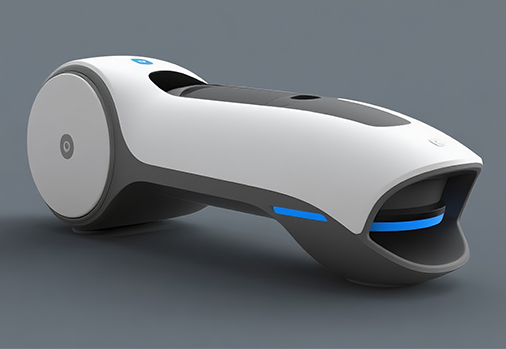
SOGOOD’s engineering team includes experienced industrial designers and structural engineers, with core members coming from the Motorola A1200 and A1600 design teams. This kind of background shows the ability to balance aesthetics, functionality, and manufacturability, which is especially valuable for industrial printers used in branded or customer-facing equipment.
Quality consistency is non-negotiable for industrial equipment. A reliable manufacturer should operate under a structured quality management system, not rely on informal inspections.
Key indicators include:
ISO9001 or equivalent certification
Documented inspection and testing processes
Traceability for materials and components
Clear corrective action procedures
SOGOOD operates under an ISO9001-certified quality management system, ensuring that each production stage meets international standards. This is particularly important for industries like electronics, medical devices, automotive, and communications, where industrial printers are often integrated into regulated environments.
Few businesses use industrial printers exactly as they come from a catalog. You may need:
Customized enclosures
Modified thermal structures
Specific mounting or interface designs
Integration with existing systems
A reliable manufacturer should be comfortable with OEM and ODM cooperation, offering engineering support rather than limiting you to standard configurations.
SOGOOD welcomes both OEM and ODM partnerships, whether you are selecting from existing industrial products or developing a customized printer solution. Their expertise in metal nano-molding technology and CNC precision machining allows them to produce complex housings, accessories, auxiliary materials, and heat sinks tailored to your application.
If you are exploring industrial printer-related components or integrated solutions, you can review relevant options here:industrial printer products and solutions.
A manufacturer’s client list can reveal a lot about its reliability. Long-term cooperation with well-known companies often reflects consistent quality, delivery performance, and technical competence.
SOGOOD has provided services to global industry leaders such as Qualcomm, ZTE, Lenovo, NEC, Han’s Laser, Philips, Panasonic, Haier, Midea, ASUS, TCL, and others. These collaborations indicate the company’s ability to meet demanding technical and quality standards across different industries.
While brand names alone should not be the only deciding factor, they provide useful context when combined with site audits and technical discussions.
Industrial printers generate heat, especially when operating continuously or in enclosed spaces. Poor heat management can lead to:
Print quality degradation
Component failure
Increased maintenance costs
Manufacturers with thermal simulation and heat dissipation design expertise can prevent these issues before production starts. SOGOOD specializes in thermal simulation design and heat dissipation solutions, supported by metal nano-molding technology and high-precision CNC machining.
This capability is particularly valuable when designing compact industrial printers or printer modules used in high-density electronic systems.
Global supply chains require clear communication and fast response times. While many industrial printer manufacturers are based in Asia, not all offer the same level of project coordination.
SOGOOD is headquartered in Shenzhen, China’s “Design Capital,” a city known for its strong electronics and manufacturing ecosystem. This location supports rapid prototyping, efficient supply chain coordination, and access to advanced manufacturing resources.
More importantly, a reliable manufacturer should provide:
Clear technical communication
Dedicated project management
Transparent timelines
Responsive after-sales support
These factors often matter more than minor cost differences when projects scale up.
Finally, consider whether the manufacturer views your project as a one-time transaction or a long-term partnership. Industrial printers often evolve over time, requiring design updates, performance improvements, or cost optimization.
SOGOOD positions itself as a partner that supports clients from R&D to market success. With a focus on innovation, reliability, and detailed service, the company helps bridge the gap between initial concept and scalable production, enabling sustainable business growth.
Choosing a reliable industrial printer manufacturer requires a balance of technical evaluation, operational insight, and strategic thinking. Look beyond product catalogs and focus on engineering capability, quality systems, customization support, and proven industry experience.
By partnering with a manufacturer that combines advanced manufacturing technology, experienced engineering teams, and a commitment to quality, businesses can reduce risk, improve product performance, and build a stronger foundation for long-term success.