How to Choose a Reliable Humidifier Manufacturer for Your Brand
Feb 13, 2026
In today’s highly competitive electronics market, speed, quality, and innovation determine whether a product succeeds or struggles. Companies developing electronic devices often face complex challenges, including product design, thermal management, precision manufacturing, prototyping, testing, and large-scale production. This is where Electronics OEM (Original Equipment Manufacturer) services play a critical role.
Electronics OEM services provide a complete pathway from an initial concept to a finished product ready for market. By partnering with an experienced OEM manufacturer, businesses can reduce development risks, shorten time-to-market, and achieve higher product quality while focusing on their core competencies.
This article explains how electronics OEM services work, the stages involved, and how the right manufacturing partner can transform an idea into a successful commercial product.
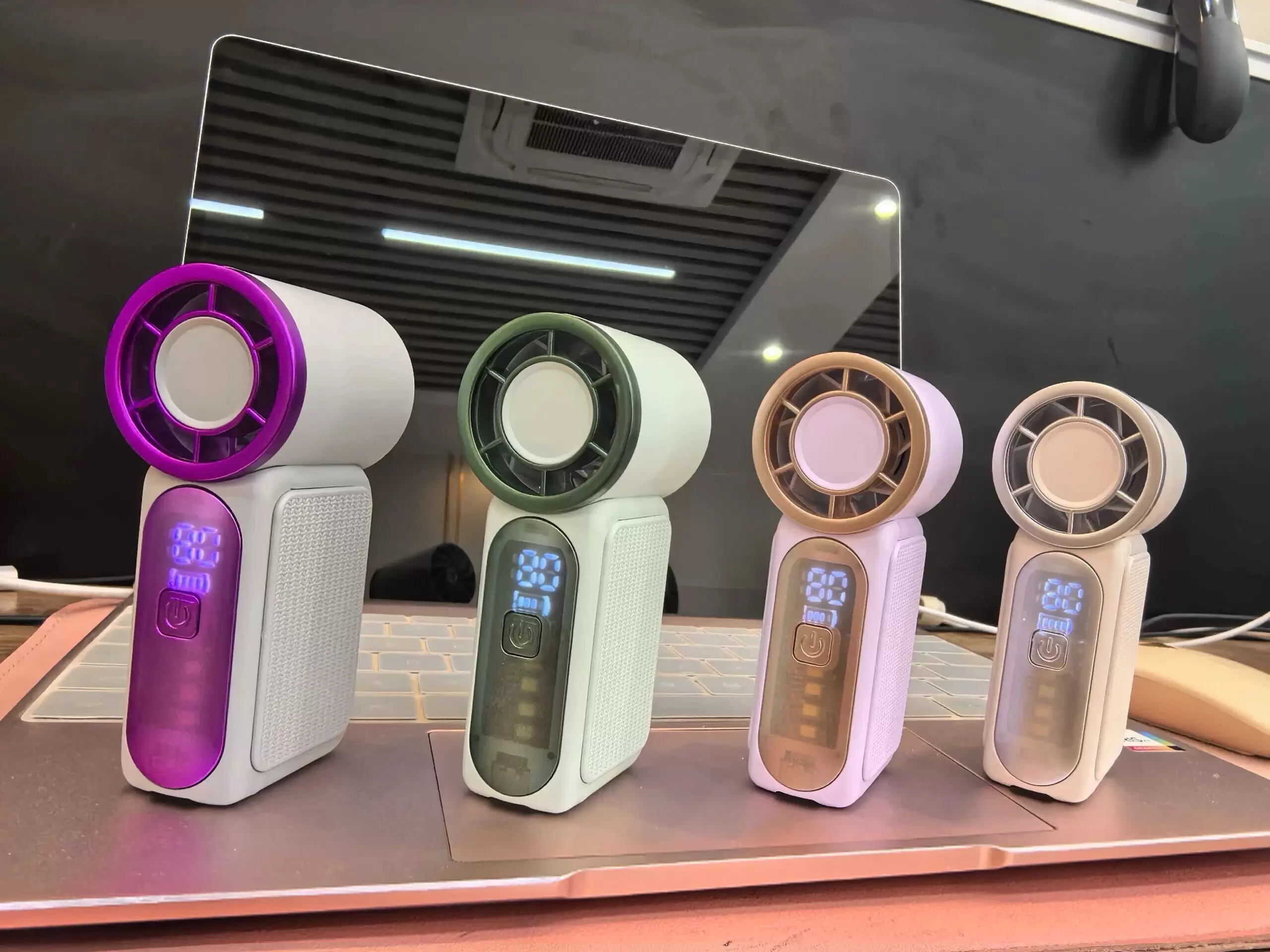
Electronics OEM services refer to the process where a specialized manufacturer designs, develops, manufactures, and sometimes assembles products according to a customer's specifications. Unlike simple contract manufacturing, OEM services often cover the entire product lifecycle, including:
For technology companies, startups, and global brands, OEM partnerships provide access to advanced manufacturing capabilities without requiring large investments in production facilities.
Successful electronics products rarely move directly from an idea to mass production. Instead, they follow a structured development process designed to reduce risk and improve performance.
Every successful product begins with a concept. At this stage, manufacturers work closely with customers to understand:
Industrial designers create product concepts that balance aesthetics, usability, and engineering requirements.
At SOGOOD, industrial design is supported by an experienced team whose core members previously participated in the development of iconic Motorola A1200 and A1600 products. Their expertise helps customers transform innovative ideas into practical and manufacturable designs.
After the initial design is approved, structural engineers refine the product architecture.
Key considerations include:
Modern electronics require increasingly compact designs, making structural optimization essential. Engineers must ensure that the product remains reliable while accommodating batteries, PCBs, sensors, connectors, and cooling systems within limited space.
One of the most critical yet frequently overlooked aspects of electronics development is thermal management.
Electronic components generate heat during operation. Excessive temperatures can cause:
Advanced thermal simulation allows engineers to predict heat distribution before physical prototypes are built.
By analyzing airflow, heat transfer, and thermal resistance, manufacturers can optimize:
SOGOOD specializes in thermal simulation design and heat dissipation solutions, helping customers identify potential thermal issues early in development. This significantly reduces redesign cycles and improves overall product reliability.
Before investing in tooling and mass production, prototypes are created to verify design feasibility.
Prototype development typically includes:
Prototyping enables engineers to evaluate:
Early testing helps identify design improvements while keeping development costs under control.
For products requiring plastic or metal components in high volumes, tooling becomes the next critical step.
Precision molds directly impact:
An experienced OEM partner ensures molds are optimized for long-term production stability.
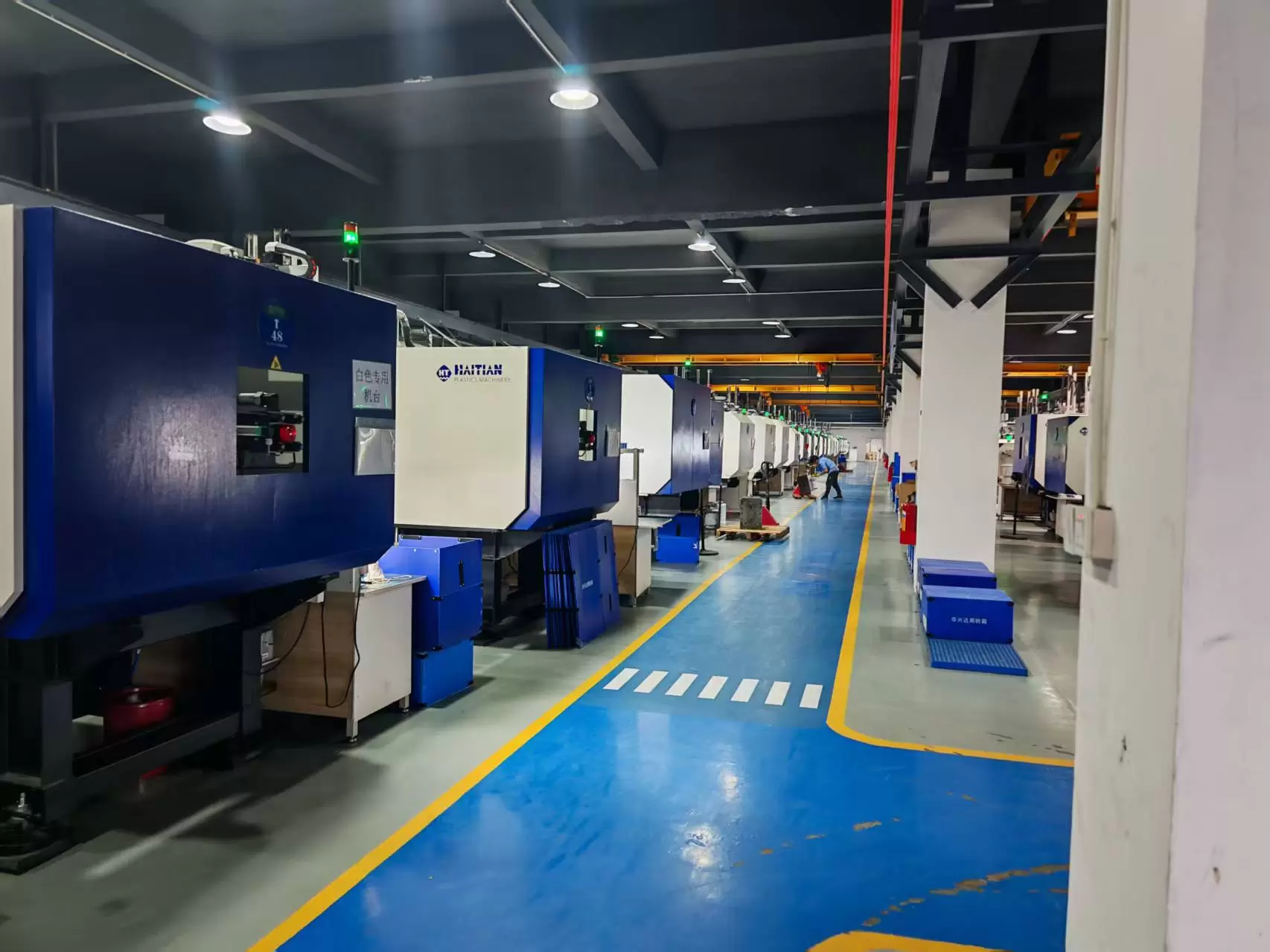
SOGOOD possesses extensive expertise in mold development, supported by advanced mold-flow analysis technologies that help predict material behavior during injection molding and reduce production defects.
Once tooling is validated, manufacturing begins.
Depending on product requirements, production may involve:
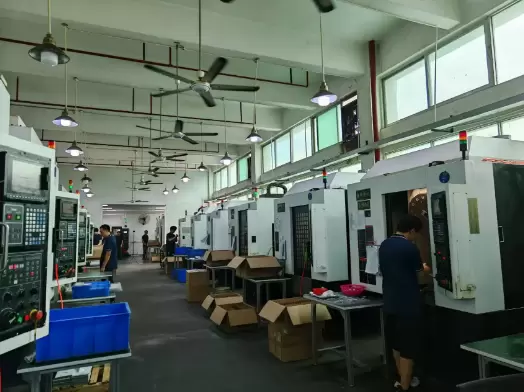
Among these technologies, CNC machining remains essential for producing high-precision components with tight tolerances.
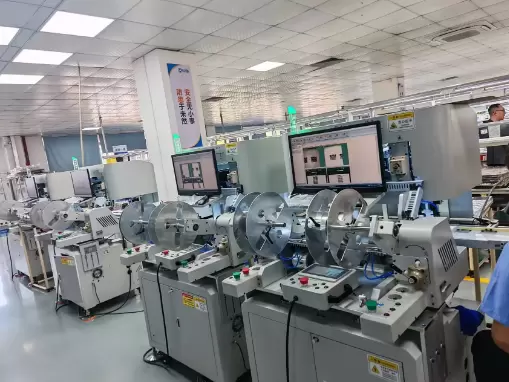
SOGOOD's core technical strengths include CNC precision machining and metal nano molding technology. The company’s senior engineers bring over 20 years of practical experience gained from their work in advanced manufacturing environments, ensuring exceptional quality and process control.
Manufacturing individual components is only part of the process. Proper assembly and quality assurance are equally important.
Comprehensive OEM services often include:
Modern quality systems use standardized procedures to ensure consistency throughout production.
To maintain international quality standards, SOGOOD operates under a modern quality management system and has achieved ISO9001 certification. This commitment helps ensure every product meets customer requirements and industry expectations.
Many companies use separate vendors for design, prototyping, tooling, and manufacturing. While this approach may appear flexible, it often introduces communication gaps and delays.
Integrated OEM services offer several advantages:
When design, engineering, simulation, and manufacturing teams work together, issues can be identified and resolved earlier.
Cross-functional collaboration helps ensure that products are optimized for both performance and manufacturability.
Potential production challenges are identified during the design phase rather than after tooling investment.
Efficient workflows reduce redesigns, engineering changes, and production interruptions.
Customers communicate with a single partner instead of coordinating multiple suppliers.
Electronics OEM solutions are widely used across various industries.
Manufacturers support the development of:
Applications include:
OEM services help produce:
AI hardware often requires:
Manufacturers provide durable enclosures, thermal solutions, and precision components for demanding industrial environments.
Selecting an OEM partner should involve more than comparing manufacturing capacity.
Key evaluation factors include:
A strong OEM partner contributes not only production resources but also valuable engineering insights throughout the development process.
For companies seeking a reliable manufacturing partner, reviewing previous development projects can provide valuable insight into technical capabilities and project execution experience.
Explore SOGOOD's Project Portfolio
Founded in Shenzhen, China's renowned "City of Design," SOGOOD provides comprehensive one-stop manufacturing services covering product design, thermal simulation, precision hardware manufacturing, and heat dissipation solutions.
The company serves industries including:
Its multidisciplinary team combines industrial design expertise, structural engineering knowledge, mold development capabilities, and advanced manufacturing technologies. Over the years, SOGOOD has proudly supported globally recognized organizations including Qualcomm, ZTE, Lenovo, NEC, Han's Laser, Philips, Panasonic, Haier, Midea, ASUS, and TCL.
By integrating design innovation with manufacturing excellence, SOGOOD helps customers bridge the gap between research and development and successful commercialization.
Electronics OEM services are far more than manufacturing support. They provide a complete framework that transforms concepts into market-ready products through design, engineering, simulation, prototyping, precision manufacturing, and quality assurance.
As electronic devices become increasingly sophisticated, choosing an OEM partner with strong technical capabilities becomes a strategic advantage. Companies that leverage integrated OEM services can accelerate development, improve product quality, reduce risks, and achieve faster market success.
Whether developing consumer electronics, automotive systems, medical devices, or AI equipment, the right OEM partner can play a decisive role in turning innovation into reality.