Thermal Imaging Instrument Manufacturer vs Distributor: What’s the Difference?
Aug 14, 2026
Plastic mold manufacturing sits at the foundation of modern industrial production. From consumer electronics and medical devices to automotive components and AI hardware, plastic molds determine not only product quality, but also cost efficiency, scalability, and time to market. Over the past two decades, China has firmly established itself as the world’s leading hub for plastic mold manufacturing. This position is not the result of low costs alone, but a combination of industrial depth, engineering capability, and an increasingly innovation-driven ecosystem.
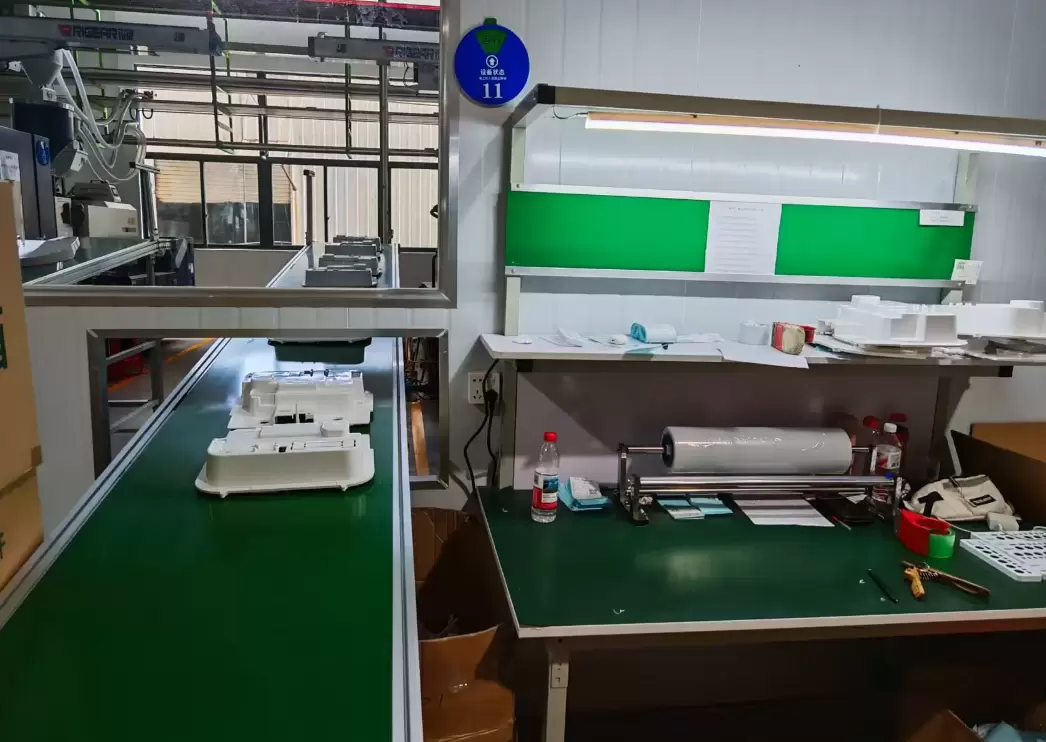
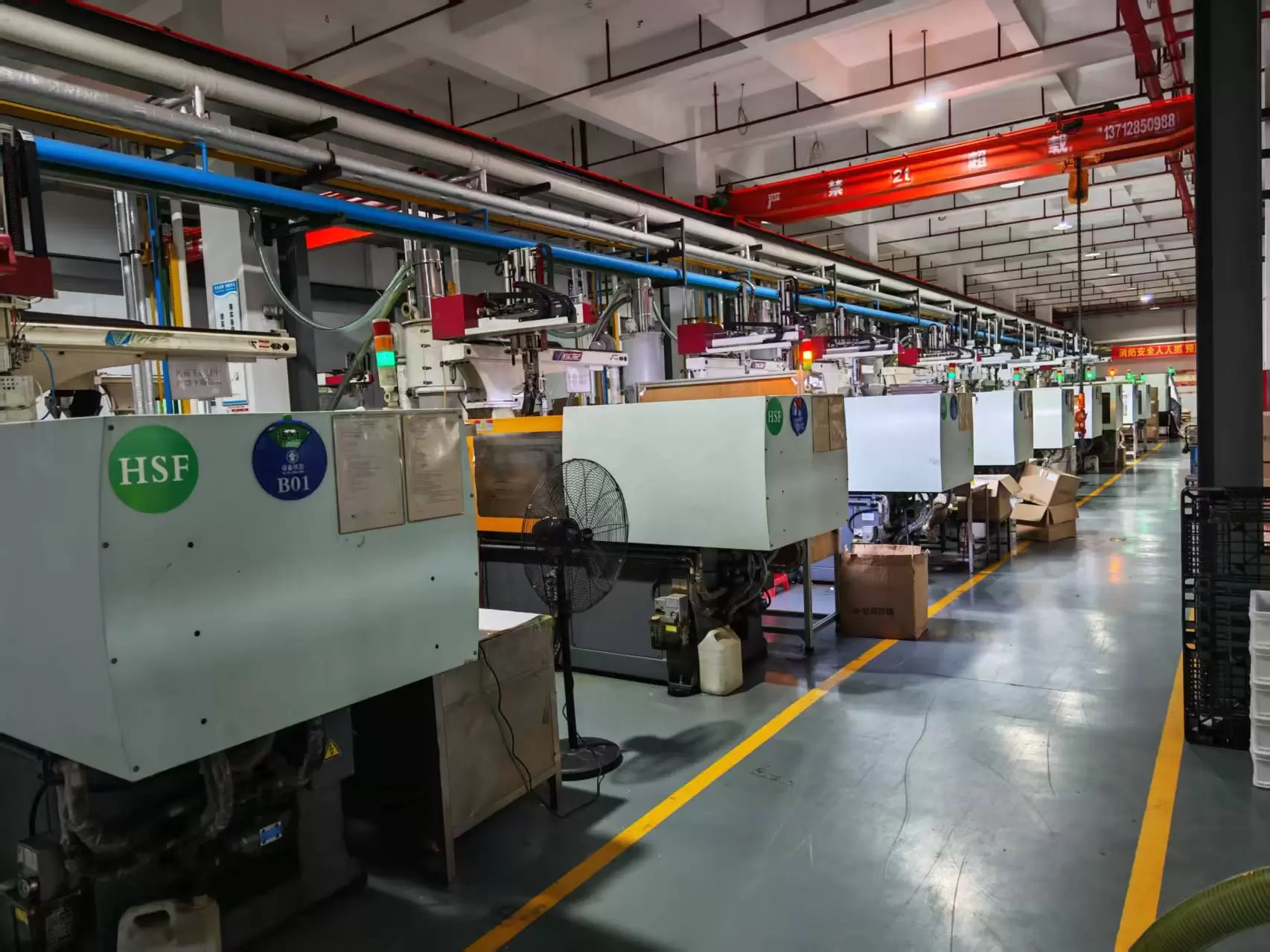
One of China’s most significant advantages lies in its highly integrated manufacturing ecosystem. In major industrial clusters such as Shenzhen, Dongguan, and the Pearl River Delta, mold makers operate alongside material suppliers, CNC machining centers, surface treatment vendors, testing laboratories, and final assembly factories. This tight geographical concentration allows projects to move quickly from design to tooling to mass production.
For plastic mold manufacturing, speed and iteration are critical. A design adjustment that might take weeks to coordinate across multiple countries can often be completed in days within China’s industrial clusters. This ecosystem reduces communication friction, shortens lead times, and supports rapid prototyping and optimization.
China’s mold industry has evolved from basic tooling to advanced, precision-driven manufacturing. Today, many Chinese mold engineers have decades of hands-on experience in high-volume, high-complexity projects. This experience is especially valuable for products that require tight tolerances, complex geometries, or advanced thermal management.
Companies like SOGOOD exemplify this shift toward engineering-led manufacturing. Founded in Shenzhen, China’s “Design Capital,” SOGOOD brings together experienced industrial designers, structural engineers, and mold engineers who understand both product aesthetics and manufacturing constraints. Core team members previously participated in iconic Motorola projects such as the A1200 and A1600, blending global design thinking with practical tooling expertise.
This depth of experience enables Chinese manufacturers to solve real-world problems, such as warpage control, shrinkage prediction, material flow optimization, and long-term mold durability.
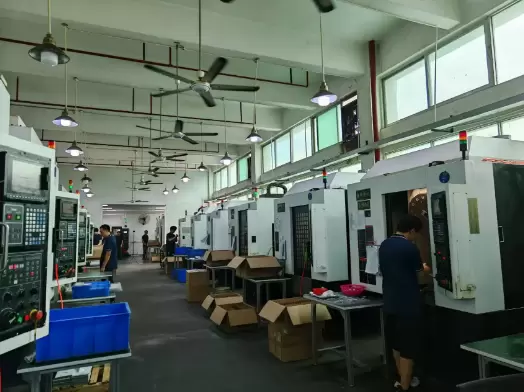
Modern plastic mold manufacturing relies heavily on precision machinery. China has invested heavily in advanced CNC machining centers, high-speed milling equipment, EDM systems, and automated inspection tools. These investments support the production of high-precision molds for industries with strict quality requirements, including medical, automotive, and communications.
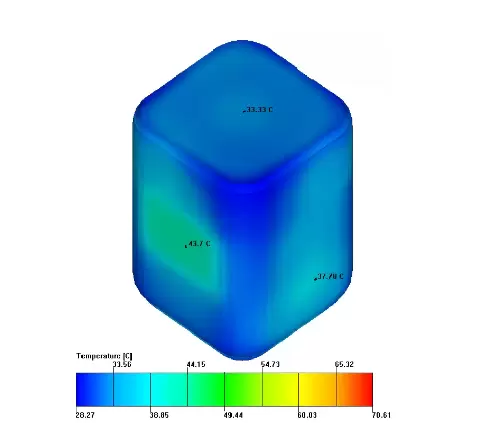
Beyond equipment, process know-how has become a defining strength. Mold flow analysis, thermal simulation, and material behavior modeling are now commonly integrated into the design phase. At SOGOOD, for example, thermal simulation and mold flow analysis are used to predict heat distribution, cooling efficiency, and potential defects before steel is cut. This reduces trial-and-error, improves yield, and ensures stable mass production.
For readers interested in understanding how integrated engineering services support mold manufacturing, you can explore SOGOOD’s capabilities here:one-stop manufacturing services.
Unlike traditional models where product design and mold making are handled separately, many Chinese manufacturers now offer vertically integrated services. This integration is particularly important for plastic parts used in electronics, AI devices, and communication equipment, where enclosure design, heat dissipation, and structural strength must work together.
SOGOOD operates as a one-stop manufacturing service provider, covering product design, thermal simulation, precision hardware, and heat dissipation solutions. This approach allows design decisions to be validated against mold feasibility early in the process, reducing costly redesigns later.
Industrial designers at SOGOOD have received international recognition, including Red Dot Design Awards, reflecting a balance between creativity and manufacturability. When industrial design, structural engineering, and mold engineering collaborate from the start, the final mold is not just accurate, but optimized for long-term production.
China’s mold industry is no longer limited to conventional injection molding. Advanced technologies such as metal nano-molding, high-precision CNC machining, and hybrid manufacturing processes are increasingly common.
SOGOOD has focused on nano-molding technology and CNC precision machining since its establishment in September 2016. Its senior engineers bring over 20 years of experience in metal nano-molding and CNC machining, gained during their tenure at BYD. This background supports the production of molds and components that meet demanding mechanical and aesthetic standards.
For industries such as automotive, medical devices, and AI hardware, where surface quality, dimensional stability, and integration with metal components are critical, these advanced capabilities provide a clear competitive advantage.
Another key factor behind China’s global leadership is its growing emphasis on quality management. Leading manufacturers operate under internationally recognized quality systems and invest in inspection, traceability, and continuous improvement.
SOGOOD has implemented a modern quality management system aligned with international standards, and its products are certified under ISO9001. This ensures consistency across projects and builds confidence for global customers seeking reliable long-term partners.
Quality today is not only about meeting specifications, but also about process stability, documentation, and risk control. Chinese mold manufacturers that embrace these principles are increasingly trusted by global brands.
China’s plastic mold manufacturing sector serves a wide range of industries, including electronics, communications, automotive, medical, and artificial intelligence. Each of these sectors has unique requirements in terms of materials, tolerances, regulatory compliance, and production volumes.
SOGOOD has supported global industry leaders such as Qualcomm, ZTE, Lenovo, NEC, Han’s Laser, Philips, Panasonic, Haier, Midea, ASUS, TCL, and others. This cross-industry experience strengthens problem-solving capabilities and allows best practices to transfer between sectors.
By supporting both OEM and ODM cooperation models, Chinese manufacturers offer flexibility for customers seeking anything from catalog-based solutions to fully customized engineering projects.
One of the most compelling reasons China remains a global hub for plastic mold manufacturing is its ability to support the entire product lifecycle. From early R&D and prototyping to mass production and market launch, manufacturers can scale alongside their customers.
SOGOOD’s mission reflects this approach: enabling seamless transition from research and development to market success. With reliable credibility, innovative design, and attentive service, the company helps customers reduce development risk and accelerate commercialization.
This end-to-end support is especially valuable in fast-moving industries, where time to market can define competitive success.
China’s position as a global hub for plastic mold manufacturing is built on far more than cost efficiency. It is the result of a mature manufacturing ecosystem, deep engineering talent, advanced equipment, integrated design capabilities, and a growing commitment to quality and innovation.
Companies like SOGOOD demonstrate how Chinese manufacturers have evolved into strategic partners, capable of delivering high-value, engineering-driven solutions for global markets. As industries continue to demand faster development cycles, higher precision, and smarter manufacturing, China’s role in plastic mold manufacturing is set to remain central for years to come.