How Industrial Thermal Management Solutions Improve Equipment Reliability
Feb 06, 2026
Thermal imaging technology has become an essential tool across industries ranging from industrial inspection and electronics maintenance to automotive diagnostics, medical screening, security monitoring, and AI-driven systems. As demand grows, businesses are no longer simply looking for thermal imaging devices — they are looking for reliable manufacturing partners capable of delivering precision, stability, scalability, and innovation.
But what truly separates a professional thermal imaging instrument manufacturer from an ordinary supplier?
The answer lies not only in product assembly, but in engineering depth, manufacturing capability, thermal management expertise, quality systems, and long-term collaboration value.
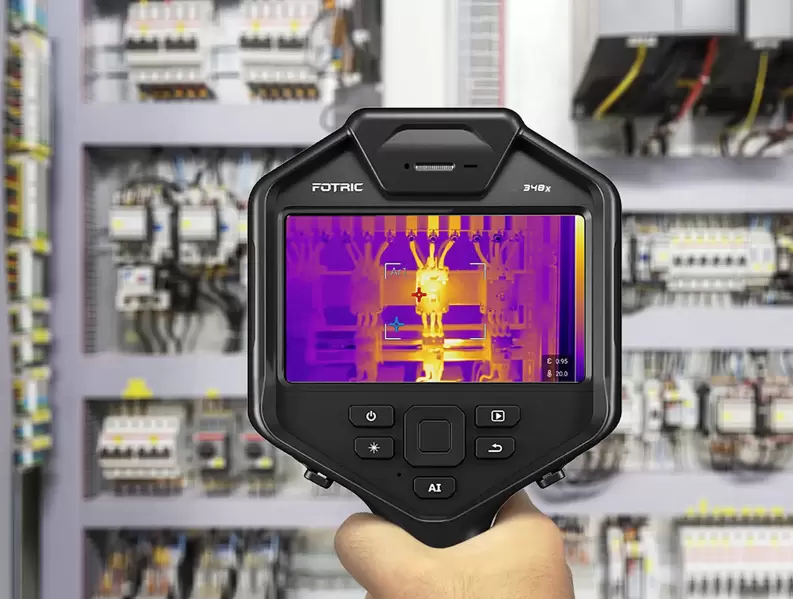
Thermal imaging instruments convert infrared radiation into visible thermal images, allowing users to detect temperature variations that are invisible to the naked eye. These devices are widely used in:
Because thermal imaging products often operate in demanding environments, precision manufacturing and heat management become critical factors in product performance and reliability.
A professional manufacturer understands that thermal imaging equipment is not just about sensors and optics. The housing structure, internal heat dissipation, CNC precision, material selection, and assembly tolerances all directly influence imaging accuracy and device lifespan.
Many factories can assemble electronic products, but only a few possess true engineering integration capabilities.
A professional thermal imaging instrument manufacturer should be able to support:
This is where companies like SOGOOD stand out. SOGOOD provides one-stop manufacturing services focused on product design, thermal simulation design, precision hardware, and thermal management solutions for industries such as electronics, communication, automotive, medical, and artificial intelligence.
Rather than treating thermal imaging devices as standard electronic products, professional manufacturers approach them as highly integrated precision systems.
One of the most overlooked aspects of thermal imaging instrument manufacturing is thermal management itself.
Ironically, thermal imaging devices are extremely sensitive to internal temperature fluctuations. Poor heat dissipation can cause:
Professional manufacturers invest heavily in heat dissipation engineering and simulation analysis during product development.
SOGOOD’s expertise in thermal simulation design and heat sink solutions allows products to maintain stable operating temperatures even under continuous industrial workloads. This is particularly important for handheld thermal imaging devices, portable industrial detectors, and AI-integrated inspection systems that require long-term operational stability.
The ability to combine thermal imaging technology with advanced cooling solutions is often what separates high-end manufacturers from basic OEM assembly factories.
Thermal imaging instruments contain delicate optical and electronic components that require highly accurate structural alignment.
Even minor deviations in machining tolerances can affect:
This is why advanced CNC precision machining plays such an important role.
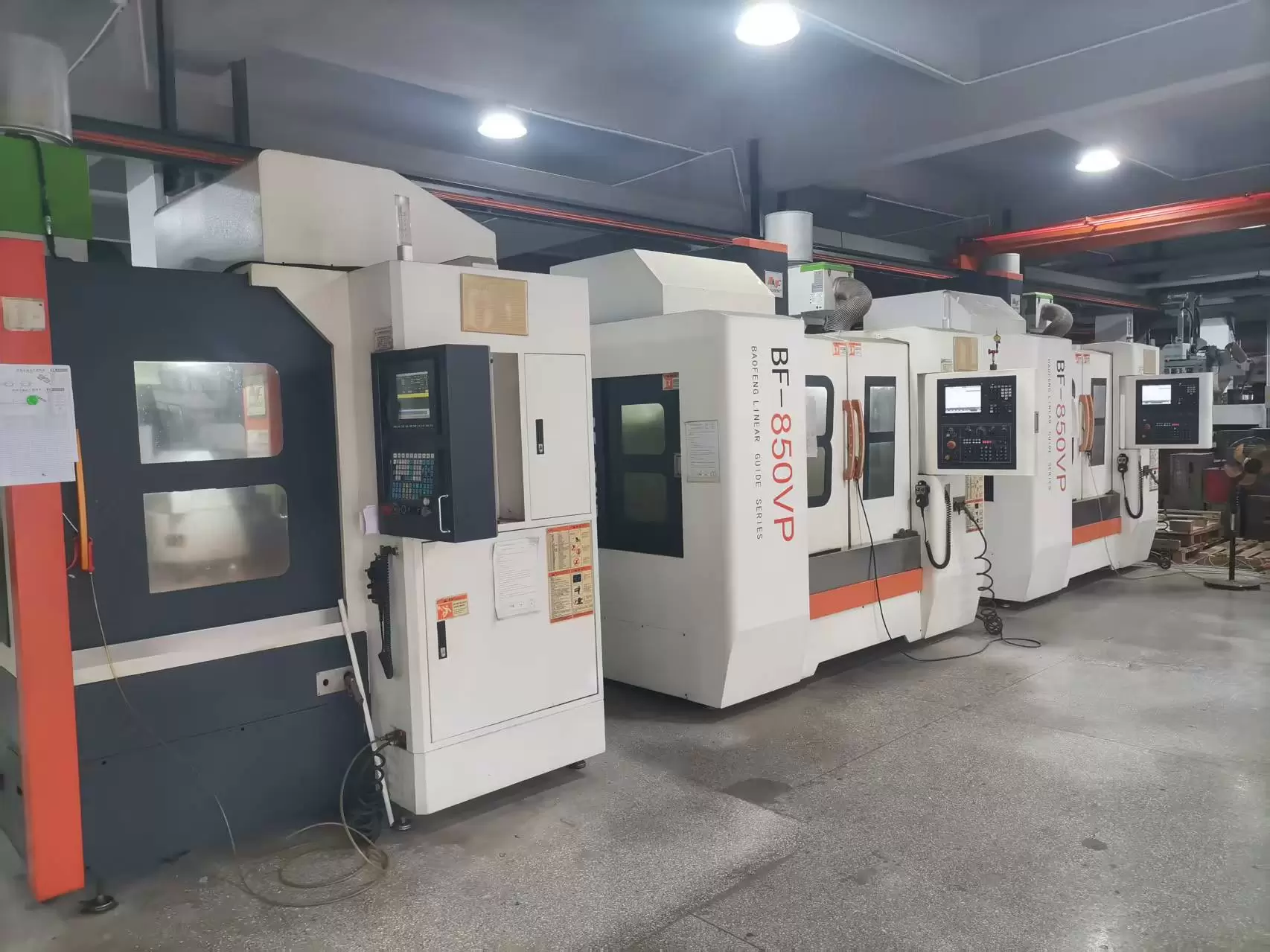
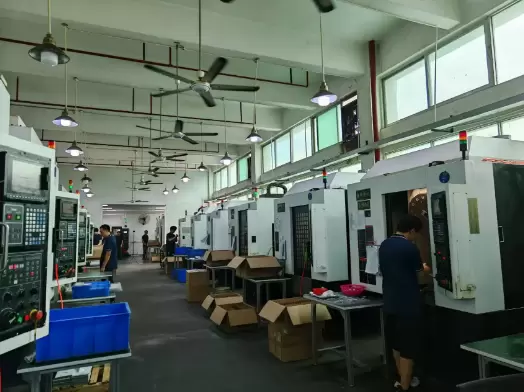
Professional manufacturers invest in high-precision CNC equipment capable of producing complex metal housings and internal structures with tight tolerances. SOGOOD’s engineering team brings more than 20 years of experience in metal nano molding technology and CNC machining, with expertise rooted in advanced manufacturing practices developed during their experience at BYD.
This level of manufacturing precision becomes especially important for rugged industrial thermal imaging devices that operate in outdoor, automotive, or high-temperature environments.
The external housing of a thermal imaging instrument is not just cosmetic.
Material selection influences:
Professional manufacturers understand how to balance these factors based on application requirements.
For example:
SOGOOD’s core expertise in metal nano forming technology gives customers additional flexibility when developing custom thermal imaging products that require both premium appearance and functional performance.
Thermal imaging instruments are often used in field environments where ergonomics matter.
Professional manufacturers pay attention to:
This requires collaboration between industrial designers and structural engineers from the earliest development stages.
SOGOOD’s design team includes experienced industrial product innovators, with core members originating from the design teams behind Motorola A1200 and A1600 projects. Their industrial designers have also received internationally recognized Red Dot Design Awards.
This combination of engineering and industrial design helps transform functional products into commercially competitive devices.
In thermal imaging equipment manufacturing, consistency is just as important as innovation.
Professional manufacturers implement standardized quality management systems covering:
Without strict quality systems, even advanced designs can fail during mass production.
SOGOOD operates under a modern quality management system aligned with international standards, and its products have achieved ISO9001 certification. This provides customers with greater confidence in manufacturing consistency, process traceability, and long-term reliability.
For businesses developing thermal imaging devices under OEM or ODM models, quality management capabilities are often one of the most important supplier evaluation criteria.
Today’s thermal imaging market is highly specialized. Different industries require different features, including:
A professional manufacturer should be able to provide flexible OEM and ODM services tailored to customer applications.
SOGOOD supports customers through the entire product development cycle, from concept design and engineering validation to prototype manufacturing and mass production.
This type of one-stop manufacturing support helps brands:
For businesses looking to develop customized thermal imaging products, working with an experienced engineering-focused manufacturer is often far more efficient than coordinating multiple disconnected suppliers.
Cross-industry manufacturing experience is another important advantage.
Manufacturers that serve multiple sectors often possess stronger capabilities in:
SOGOOD has experience supporting globally recognized brands including Qualcomm, ZTE, Lenovo, NEC, Han’s Laser, Philips, Panasonic, Haier, Midea, ASUS, and TCL.
This broad project background enables the company to adapt quickly to the technical demands of thermal imaging systems used in modern electronics, automotive applications, AI hardware, and industrial automation.
Thermal imaging technology continues to evolve rapidly with trends such as:
Manufacturers that rely only on traditional assembly capabilities may struggle to keep pace with changing market requirements.
Professional manufacturers continuously invest in:
SOGOOD’s commitment to innovation, combined with its dynamic engineering team and advanced manufacturing expertise, allows customers to move from concept to commercial success more efficiently.
When evaluating a thermal imaging instrument manufacturer, buyers should look beyond pricing and production capacity alone.
More important factors include:
A reliable manufacturing partner should function as an extension of your own engineering and product development team.
For companies seeking advanced manufacturing support, custom engineering solutions, and precision production capabilities, exploring professional solutions such as <a href="https://www.sogoodprecision.com/three-proof-electronic-products/thermal-imaging-instrument.html">thermal imaging instrument manufacturing services</a> can provide valuable insight into how integrated manufacturing expertise improves product performance and commercial competitiveness.
The thermal imaging industry continues to expand into new markets and applications, creating increasing demand for high-performance, reliable, and customized products.
What sets a professional thermal imaging instrument manufacturer apart is not simply production capability, but the ability to integrate engineering, design, thermal management, precision machining, and quality control into a complete manufacturing solution.
Companies like SOGOOD demonstrate how deep technical expertise, advanced CNC processing, nano molding technology, and customer-focused OEM/ODM support can help businesses bring innovative thermal imaging products to market with greater confidence and efficiency.
As the industry continues evolving, manufacturers that combine innovation with practical engineering execution will remain the most valuable long-term partners.