Why One-Stop Manufacturing Matters in CNC Precision Aluminum Machining
Dec 31, 2025
The medical device industry demands extremely high standards for accuracy, safety, and reliability. From surgical instruments to implantable devices, every component must meet strict tolerances and regulatory requirements. In this environment, CNC precision machining has become one of the most reliable manufacturing methods for producing complex medical components.
With the ability to achieve micron-level accuracy, consistent repeatability, and compatibility with a wide range of medical-grade materials, CNC machining plays a crucial role in modern healthcare manufacturing. This article explores the key advantages of CNC precision machining for medical device components and why many medical manufacturers rely on experienced engineering partners for this process.
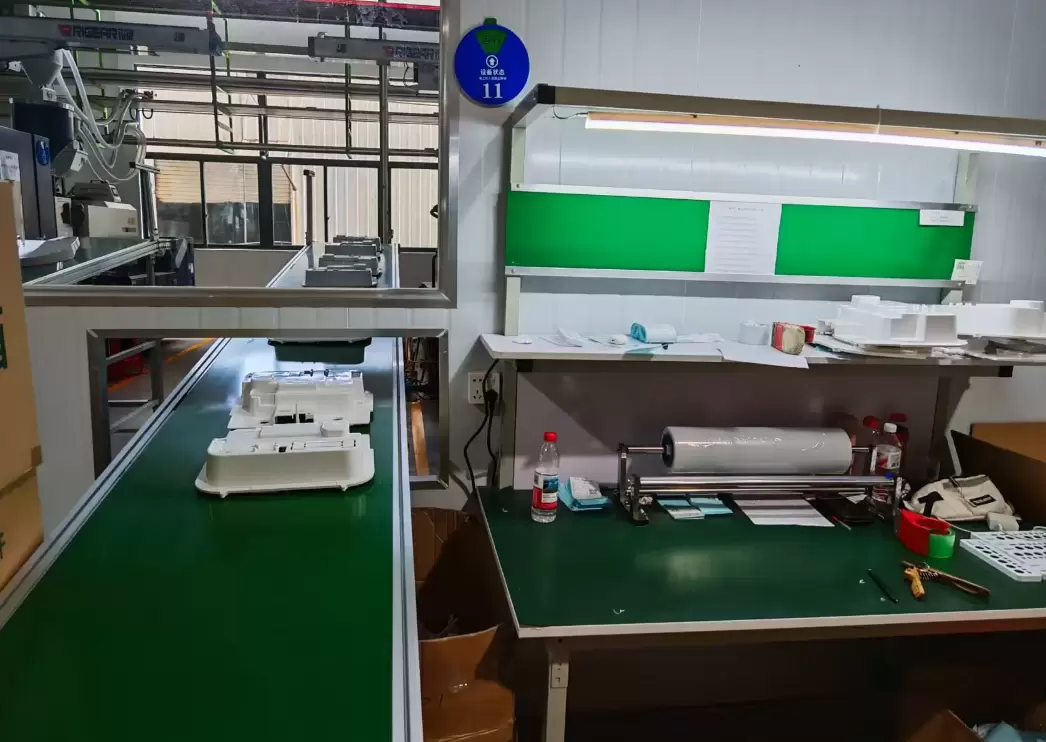
Medical device components must meet several critical requirements before they can be used in hospitals or clinical environments. These include:
High dimensional accuracy
Biocompatible material compatibility
Surface quality suitable for sterilization
Consistent quality across large production batches
Strict traceability and quality control
Traditional manufacturing techniques often struggle to meet these demands simultaneously. CNC precision machining solves many of these challenges by combining advanced digital control with high-performance cutting technologies.
Companies with strong engineering and manufacturing expertise are able to integrate CNC machining into a broader product development workflow, enabling medical device companies to accelerate innovation while maintaining compliance.
One of the most important advantages of CNC precision machining is its ability to achieve extremely tight tolerances. Many medical components require tolerances within ±0.01 mm or even tighter.
Examples include:
Orthopedic implant components
Surgical instrument parts
Dental device components
Microfluidic medical equipment parts
Computer-controlled machining ensures that every movement of the cutting tool follows exact digital instructions. This eliminates much of the human variability that exists in manual machining processes.
For medical manufacturers, this precision translates into:
Improved device performance
Reduced component failure risk
Better patient safety outcomes
Medical devices often require specialized materials that offer strength, corrosion resistance, and biocompatibility. CNC precision machining supports a wide range of these materials, including:
Stainless steel
Titanium alloys
Aluminum alloys
Medical-grade plastics such as PEEK and PTFE
Copper and specialty alloys
Each of these materials presents different machining challenges, including tool wear, heat control, and surface finish requirements. Experienced CNC engineers understand how to optimize cutting parameters and tooling strategies to maintain material integrity during machining.
Manufacturers that combine material expertise with advanced CNC capabilities can produce parts that meet both mechanical and medical regulatory requirements.
Medical technology continues to evolve rapidly, and many devices now feature complex geometries that are impossible to produce with traditional manufacturing methods.
CNC machining enables the creation of intricate structures such as:
Micro channels for medical fluid systems
Precision threads for implants
Custom housings for diagnostic equipment
Fine surgical instrument features
Multi-axis CNC machines allow cutting tools to approach a part from multiple angles, making it possible to produce complicated shapes in fewer setups.
This reduces:
Production time
Setup errors
Manufacturing costs in the long run
For companies developing new medical technologies, this flexibility is essential for prototyping and iterative design improvements.
Surface finish plays a crucial role in medical components. Poor surface quality can lead to several problems, including bacterial adhesion, corrosion, or mechanical wear.
CNC precision machining can achieve excellent surface finishes, which helps ensure:
Easy sterilization
Reduced contamination risk
Improved mechanical performance
Post-processing techniques such as polishing, anodizing, and passivation can further enhance the surface properties of medical device components.
By combining CNC machining with appropriate finishing processes, manufacturers can meet the strict cleanliness and durability standards required in healthcare environments.
Medical device innovation often requires multiple design iterations before final production begins. CNC machining is ideal for rapid prototyping, allowing engineers to quickly produce functional parts for testing and validation.
Benefits of CNC-based prototyping include:
Fast design verification
Real material testing
Reduced development risk
Faster regulatory preparation
Once a prototype is approved, the same machining process can often be scaled directly into small or medium production runs, saving valuable development time.
Engineering teams that integrate design, simulation, and manufacturing within a single workflow can significantly shorten product development cycles.
Medical device manufacturers must maintain strict consistency across every production batch. Variations between parts can affect device performance and regulatory compliance.
CNC precision machining ensures high repeatability because:
The machining process is digitally controlled
Programs can be reused without variation
Quality inspections can be standardized
When combined with a modern quality management system, CNC machining enables reliable, traceable production suitable for medical applications.
Quality certification such as ISO9001 further strengthens manufacturing reliability and provides confidence for global customers.
Another major advantage of CNC precision machining is its ability to integrate with broader engineering services, including:
Industrial design
Structural engineering
Thermal simulation
Mold flow analysis
When these capabilities are combined, manufacturers can optimize products not only for performance but also for manufacturability.
For example, engineering teams can analyze:
Heat dissipation in medical electronics
Structural strength of small components
Material flow behavior in complex parts
This type of integrated development approach helps prevent costly redesigns later in the product lifecycle.
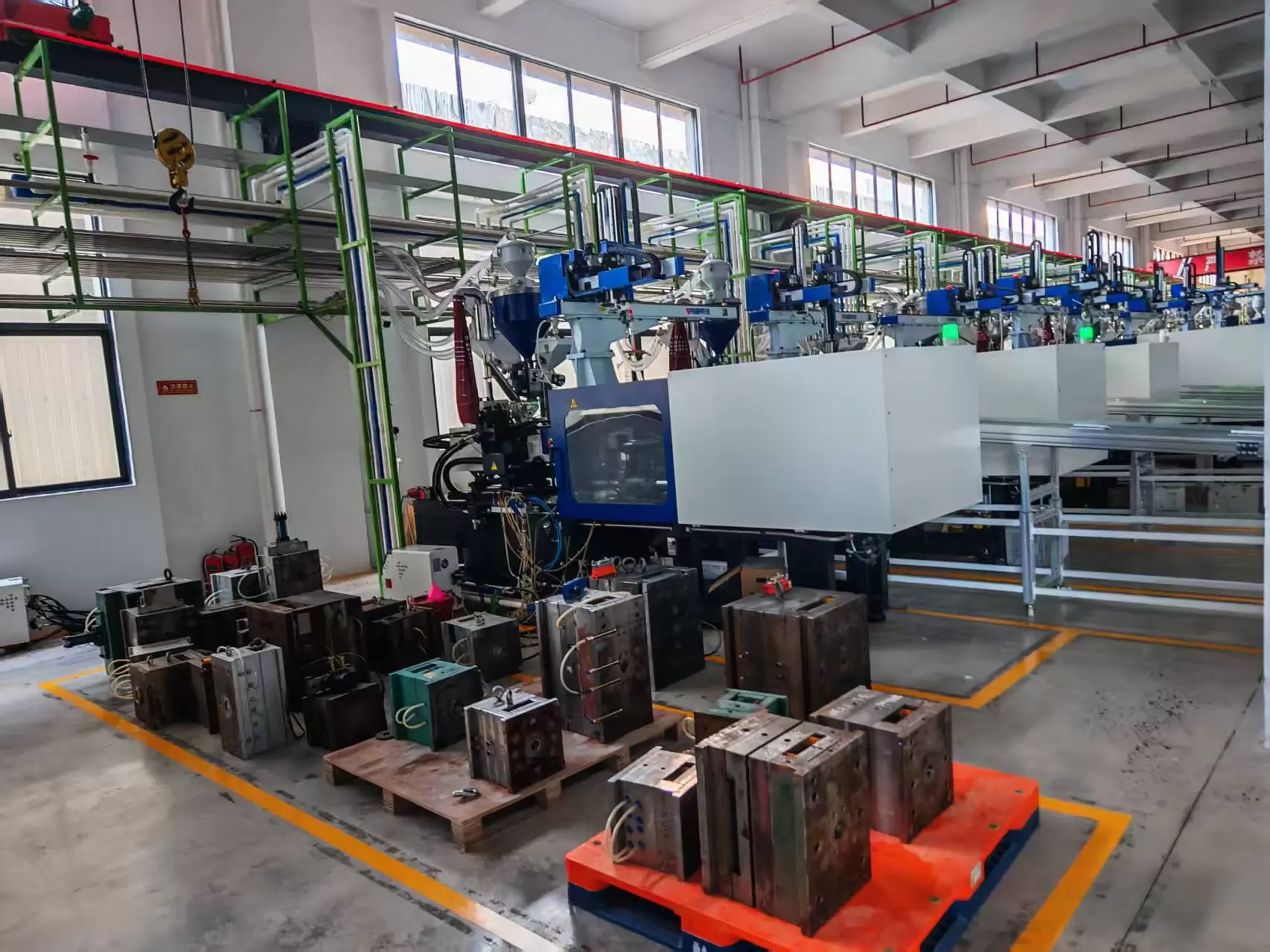
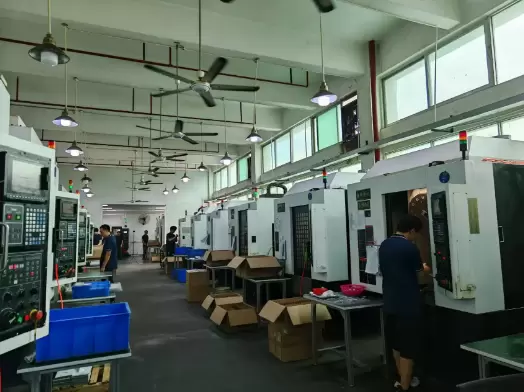
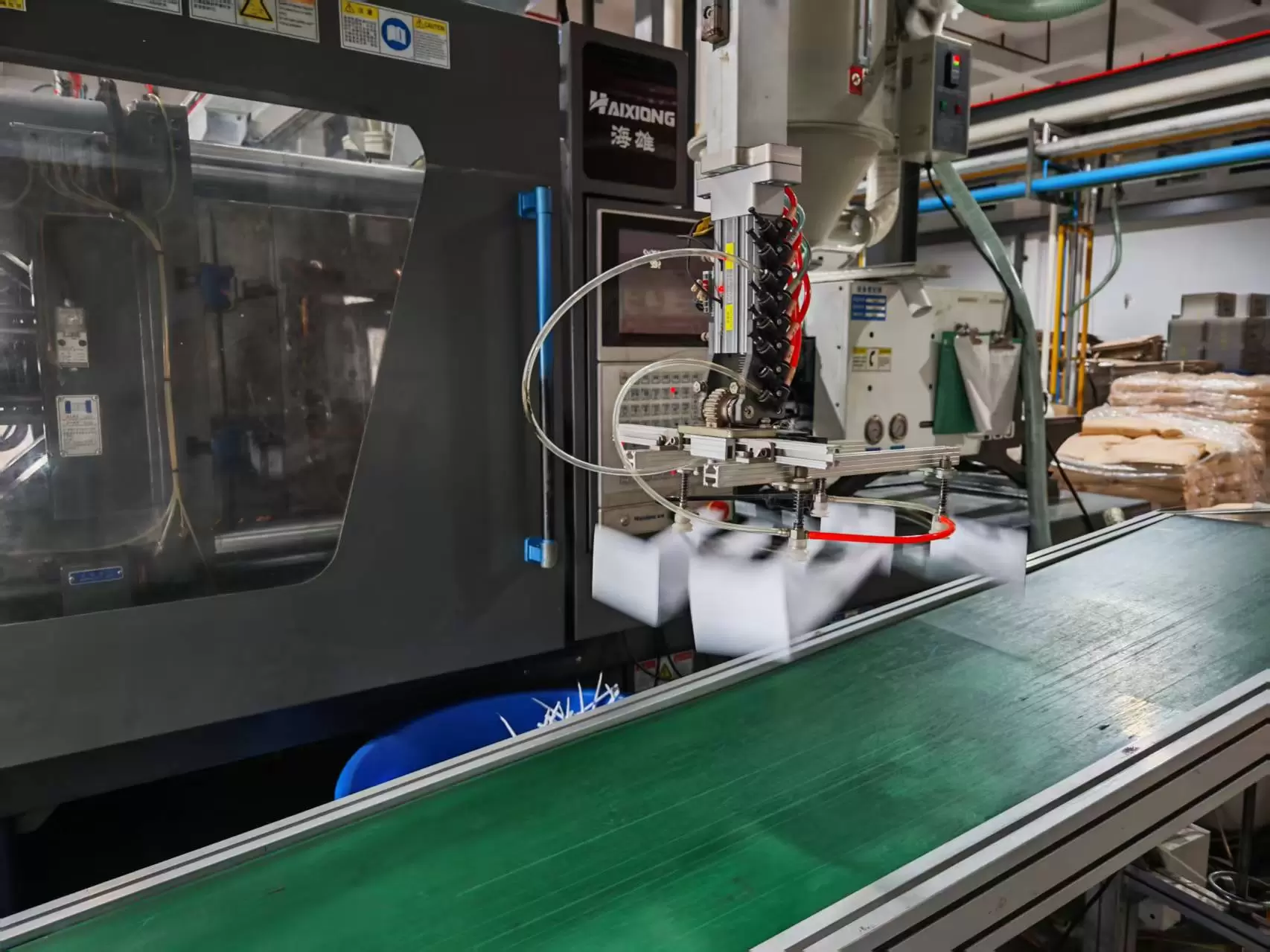
Companies such as SOGOOD provide this type of one-stop manufacturing service, covering product design, thermal simulation, precision hardware manufacturing, and heat dissipation solutions. Their engineering teams specialize in metal nano molding technology and CNC precision machining, supporting industries such as electronics, communications, automotive, medical devices, and artificial intelligence.
For examples of precision manufacturing projects and engineering solutions, you can explore the following resource:
https://www.sogoodprecision.com/project/
While CNC machines are highly capable, the expertise of the engineering team operating them remains critical.
At SOGOOD, the engineering team includes experienced industrial designers, structural engineers, and mold specialists. Many core members previously worked on the design teams behind well-known mobile products such as Motorola A1200 and A1600.
With decades of experience in precision manufacturing and metal nano forming technology, the company’s senior engineers bring more than 20 years of CNC and nano-molding expertise gained during their careers in advanced manufacturing environments.
This deep technical background enables the team to solve complex engineering problems and deliver reliable manufacturing solutions for demanding industries.
The company has also worked with many global technology leaders, including Qualcomm, ZTE, Lenovo, NEC, Han’s Laser, Philips, Panasonic, Haier, Midea, ASUS, and TCL.
In medical device manufacturing, quality control is just as important as technical capability.
Modern manufacturers must implement strict quality management systems to ensure:
Process consistency
Product traceability
Regulatory compliance
SOGOOD operates under a modern quality management framework aligned with international standards and has achieved ISO9001 certification. This structured approach ensures that every project follows clear procedures from design to final inspection.
The company welcomes both OEM and ODM collaborations, working closely with global partners to develop customized engineering solutions for new product development.
Whether customers need components from an existing product catalog or fully customized medical device parts, experienced manufacturing teams can help bridge the gap between concept and commercial success.
As medical technology continues to evolve, demand for smaller, more complex, and higher-performance components will continue to grow.
Emerging trends include:
Minimally invasive surgical tools
Smart diagnostic devices
Wearable medical electronics
Precision implant technologies
CNC precision machining will remain a core manufacturing method supporting these innovations due to its flexibility, accuracy, and compatibility with advanced materials.
Companies that combine design expertise, advanced simulation tools, and precision manufacturing capabilities will be best positioned to support the next generation of medical device development.