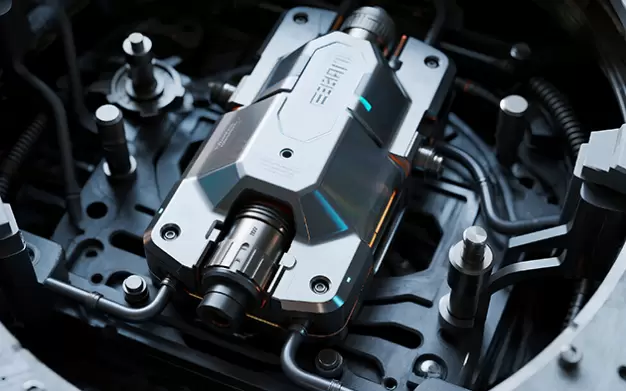
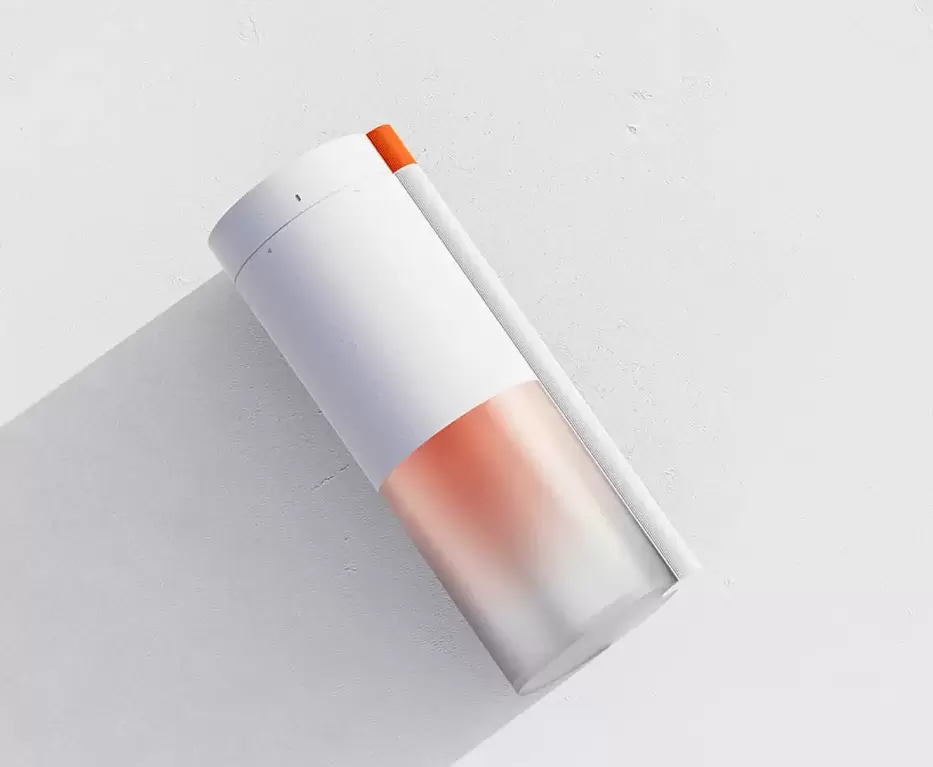
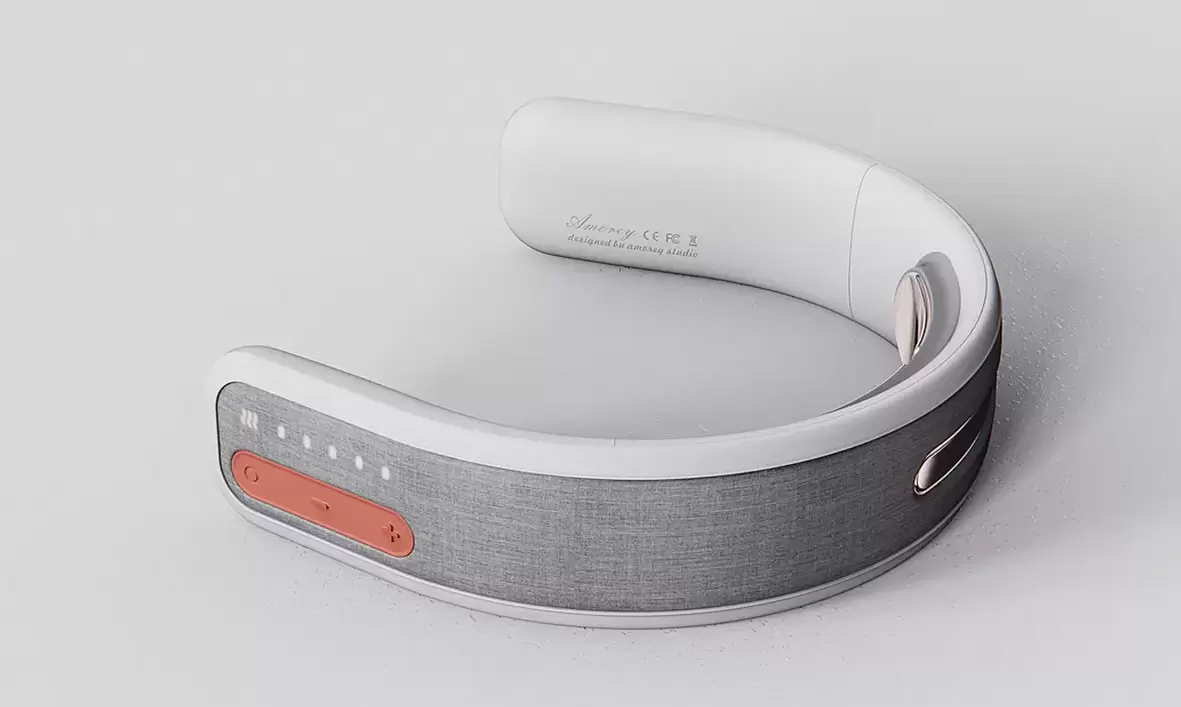
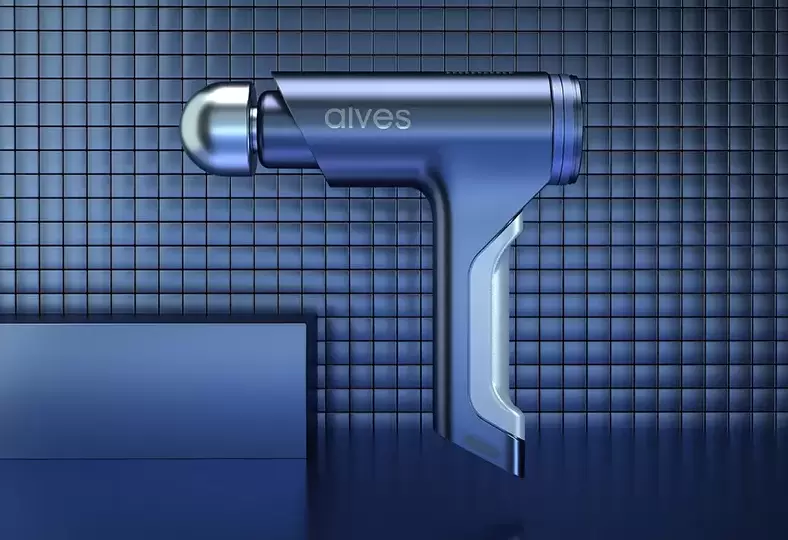
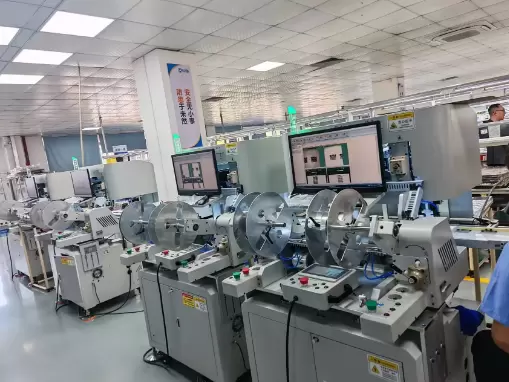
In the process of the transformation of modern manufacturing towards efficiency, refinement and aesthetics, in-mold injection molding (In-Mold Decoration, referred to as IMD; if involving the integration of injection molding and forming, it is also often called In-Mold Molding, IMM) is an innovative integrated manufacturing technology. With its core advantage of "one-time forming, combining function and aesthetics", it is widely used in many fields such as consumer electronics, auto parts and household items. It breaks the traditional step-by-step processing mode of "injection molding first, then decoration", and completes decoration, function integration and injection molding synchronously, greatly improving product competitiveness.
### I. Core Principles of In-Mold Injection Molding
The core logic of in-mold injection molding is "integrated forming". Simply put, before the injection mold is closed, a pre-printed and formed decorative film (or functional film) is accurately placed inside the mold cavity, and then molten plastic raw materials are injected into the mold. During the cooling and solidification process of the plastic, the film and the plastic substrate are closely combined into one through intermolecular forces, and finally a finished product with both decorative effect and structural strength is formed.
According to the process characteristics, in-mold injection molding is mainly divided into two categories: one is IMD (In-Mold Decoration), which focuses on realizing the pattern, color and texture decoration on the product surface; the other is IML (In-Mold Labeling), which can integrate metal inserts, functional films (such as scratch-resistant films, conductive films) with plastic into one piece, having both decorative and functional integration properties. The entire process requires precise control of parameters such as mold temperature, injection pressure and film positioning accuracy to ensure that the film is closely attached to the substrate without bubbles or wrinkles.
### II. Core Advantages of In-Mold Injection Molding
Compared with traditional decorative processes such as spraying, silk screen printing and film covering after injection molding, in-mold injection molding has various irreplaceable advantages, becoming an important direction for manufacturing upgrading:
1. Improve production efficiency and reduce costs: The traditional process needs to go through multiple procedures such as injection molding, drying, surface treatment and inspection, which is cumbersome and time-consuming; in-mold injection molding integrates multiple procedures into one-time forming, greatly shortening the production cycle. At the same time, it reduces the material transfer and storage links between processes, lowers labor costs and material waste, and is especially suitable for large-scale mass production.
2. Better decorative effect and stronger texture: In-mold injection molding can realize complex patterns, delicate textures (such as leather texture, wood grain, metal wire drawing texture), gradient colors and other decorative effects, and the patterns are integrated with the product surface, which is not easy to wear, scratch or fade. Compared with spraying, silk screen printing and other processes, its surface flatness is higher, without flash, color difference and other problems, which can significantly improve the high-end texture of the product.
3. With function integration capability: In addition to the decorative function, in-mold injection molding can also integrate functional films such as scratch resistance, fingerprint resistance, UV resistance, conductivity and antibacterial properties, enabling the product to have more practical functions while having an attractive appearance. For example, the mobile phone shell in the consumer electronics field can achieve the dual needs of scratch resistance and wear resistance and colorful appearance through in-mold injection molding.
4. Green and environmentally friendly, in line with industrial trends: Traditional surface treatment processes (such as spraying, electroplating) often produce pollutants such as VOCs (Volatile Organic Compounds) and wastewater, which are not environmentally friendly; in-mold injection molding process does not need to use harmful substances such as solvents and coatings, produces less waste, and the waste can be recycled, which is in line with the current industrial development trend of green manufacturing and low-carbon environmental protection.
### III. Main Application Fields of In-Mold Injection Molding
With its unique advantages, in-mold injection molding technology has been widely penetrated into many industries, becoming an important manufacturing process for high-end products:
1. Consumer electronics field: This is one of the most widely used fields of in-mold injection molding, such as mobile phone shells, tablet computer back covers, earphone shells, keyboard keys, home appliance panels (refrigerator, washing machine, air conditioner control panels), etc. For example, the gradient color back covers of some high-end mobile phones and the metal-like texture panels of home appliances are all realized through in-mold injection molding process.
2. Automobile industry field: With the development of automobile interiors towards personalization and high-endization, in-mold injection molding is widely used in automobile interior parts, such as instrument panel panels, center console decorative panels, door interior panels, air conditioning air outlets, etc. This process can realize texture simulation of interior parts (such as wood grain, carbon fiber texture), and at the same time improve the wear resistance and aging resistance of parts, meeting the high requirements of the automobile industry for quality and durability.
3. Household daily necessities field: In various household items, in-mold injection molding also plays an important role, such as bathroom accessories (shower panels, faucet decorative parts), kitchenware handles, storage box shells, toy shells, etc. Through in-mold injection molding, daily necessities can have both attractive appearance and durability, improving the market competitiveness of products.
4. Medical equipment field: Medical equipment has extremely high requirements on the hygiene and corrosion resistance of products. The in-mold injection molding process can realize antibacterial and antifouling treatment on the product surface, and there is no risk of paint peeling. Therefore, it is used in the manufacture of medical instrument shells, infusion set accessories, diagnostic equipment panels and other products.
### IV. Technical Key Points and Development Trends of In-Mold Injection Molding
Although in-mold injection molding has significant advantages, it has high technical requirements. The core technical key points include: first, the preparation of the film, which needs to select appropriate film materials (such as PC, Polycarbonate; PET, Polyethylene Terephthalate; PMMA, Polymethyl Methacrylate, etc.) according to product requirements, and complete printing and forming accurately; second, mold design, which needs to ensure precise positioning of the film, and design a reasonable gating system to avoid damaging the film during injection molding; third, injection parameter control, which needs to accurately adjust temperature, pressure, holding time, etc., to ensure that the film is closely combined with the substrate.
In the future, with the continuous upgrading of the manufacturing industry, in-mold injection molding technology will develop towards a more refined, multi-functional and intelligent direction. On the one hand, it will further improve pattern precision and texture simulation to meet consumers' demand for personalized appearance; on the other hand, it will integrate more functional materials to realize the integrated forming of "appearance + function + intelligence", such as integrating flexible circuits, sensors, etc., to expand applications in high-end fields such as smart wearables and smart cars. At the same time, with the progress of mold technology and automation equipment, the production efficiency of in-mold injection molding will be further improved, and the cost will continue to decrease, promoting its popularization and application in more industries.