The Role of Chinese Plastic Mold Manufacturers in Global Supply Chains
Sep 11, 2026
As mobile devices, wearable electronics, and smart terminals become deeply embedded in daily life, reliable portable power solutions are no longer optional—they are essential. For global brands looking to scale efficiently, maintain quality, and differentiate through design, choosing the right manufacturing partner is a strategic decision. This is why many international companies continue to work with a power bank factory in China for OEM and ODM projects.
China’s manufacturing ecosystem has evolved far beyond cost advantages. Today, it offers mature supply chains, advanced engineering capabilities, and strong experience in end-to-end product development. For brands that want to move quickly from concept to mass production while maintaining control over quality and innovation, China remains a preferred destination.
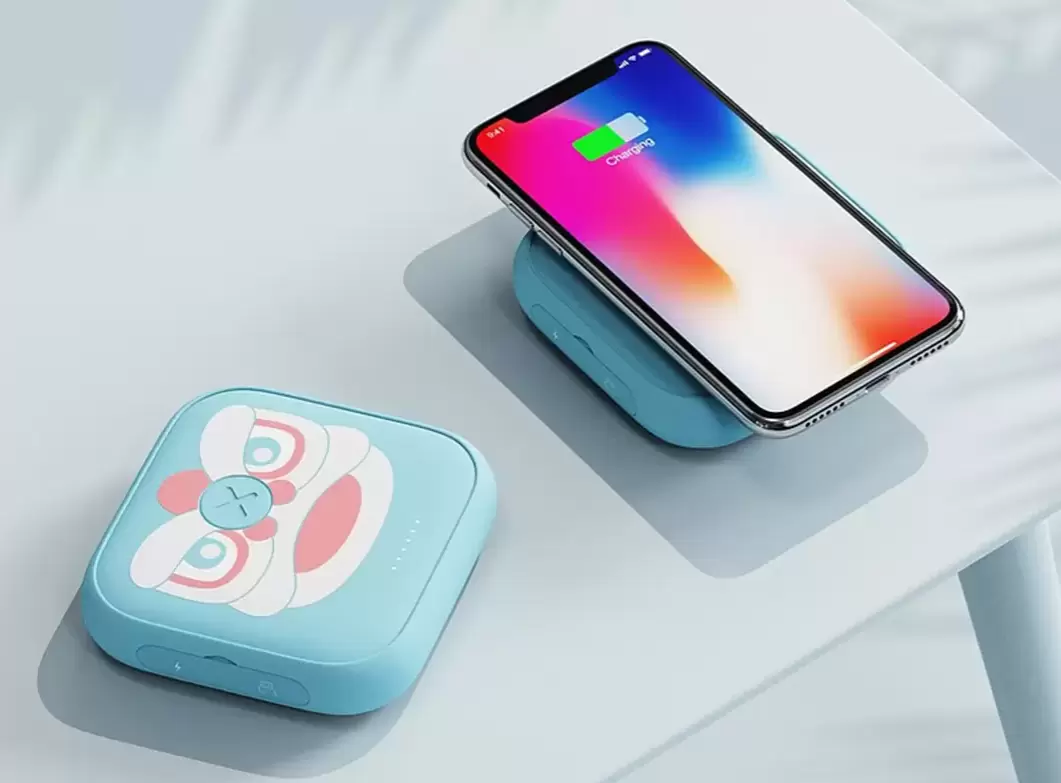
OEM (Original Equipment Manufacturing) and ODM (Original Design Manufacturing) are often discussed, but in practice, global brands expect more than basic assembly.
OEM customers typically bring mature designs and specifications. What they need is:
Consistent quality at scale
Precision machining and reliable materials
Stable production timelines
Strong quality management systems
ODM customers, on the other hand, rely on their manufacturing partners to support:
Industrial and structural design
Thermal management and safety optimization
Rapid prototyping and validation
Compliance with international standards
A capable power bank factory must support both models seamlessly, adapting to different levels of customer involvement while ensuring product reliability.
China’s position in consumer electronics manufacturing is the result of decades of accumulation rather than short-term advantages.
From lithium battery cells and PCB components to aluminum housings and surface treatments, nearly every part of a power bank can be sourced within a tightly connected industrial network. This reduces lead times, lowers risk, and allows for faster design iterations.
Chinese factories that have survived multiple industry cycles typically bring strong engineering teams with hands-on experience in electronics, materials, tooling, and automation. This is especially critical for power banks, where safety, heat dissipation, and durability must be carefully balanced.
For global brands, scaling from pilot production to hundreds of thousands of units is often the most difficult stage. Established factories in China are built to handle this transition, supported by standardized processes and modern quality systems such as ISO9001.
A power bank may look simple from the outside, but internally it is a tightly packed system combining batteries, control boards, connectors, and protective structures. Poor design decisions can lead to overheating, reduced lifespan, or compliance failures.
This is where advanced capabilities such as thermal simulation, structural optimization, and precision machining become decisive.
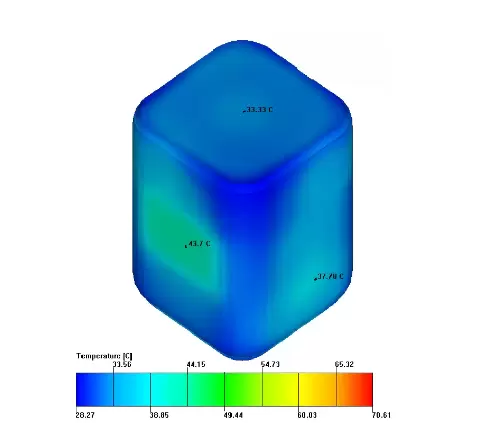
SOGOOD is one example of a manufacturing partner that approaches power bank development from an engineering-first perspective. As a company providing one-stop manufacturing services, SOGOOD focuses on product design, thermal simulation, precision hardware, and heat dissipation solutions. These capabilities are particularly relevant for power banks, where efficient heat management directly affects safety and performance.
Global brands increasingly expect their manufacturing partners to contribute to product differentiation, not just execution.
Modern power banks must balance slim form factors, durability, and user experience. SOGOOD’s industrial design team, with roots in iconic mobile device projects such as Motorola A1200 and A1600, brings practical experience in turning design concepts into manufacturable products. Recognition such as the Red Dot Design Award reflects not just aesthetics, but usability and engineering feasibility.
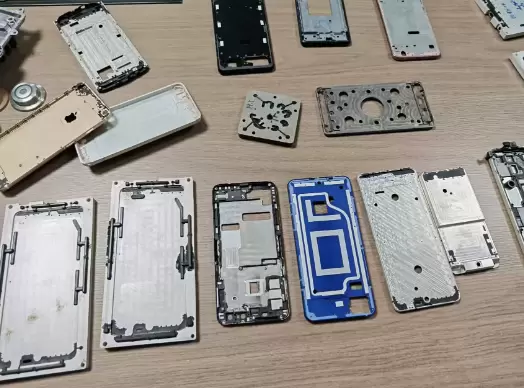
High-quality power banks often use aluminum or metal alloy housings for strength and heat dissipation. This requires advanced CNC machining and tight tolerances. SOGOOD’s core technologies include metal nano-molding and CNC precision machining, enabling consistent results across large production volumes.
For ODM projects, early mold flow analysis helps prevent defects, reduce trial-and-error cycles, and shorten time to market. With senior engineers who have more than 20 years of experience in nano-molding and CNC processing, SOGOOD emphasizes process predictability rather than reactive fixes.
Different brands enter the power bank market with different goals. Some want fast access to proven designs, while others require fully customized solutions.
Manufacturers that support both OEM and ODM allow brands to:
Select from existing, validated product platforms
Customize enclosures, capacity, interfaces, or branding
Develop new models optimized for specific markets or devices
For brands exploring available solutions, working with an experienced factory that already supports consumer electronics categories can significantly reduce development risk. For example, SOGOOD supports OEM and ODM cooperation, whether customers choose from existing product catalogs or require customized engineering solutions. You can explore relevant solutions through this dedicated page on power bank manufacturing:
<a href="https://www.sogoodprecision.com/consumer-electronics/power-bank.html">power bank OEM & ODM solutions</a>.
Power banks are regulated products in many regions, with strict requirements related to safety, transport, and performance. A reliable factory must integrate quality control into every stage of production.
Key elements global brands look for include:
ISO9001-certified quality management systems
Traceability of materials and components
Standardized inspection and testing procedures
Clear documentation for audits and certifications
SOGOOD implements a modern quality management system aligned with international standards, ensuring consistency from prototype to mass production. This is particularly important for long-term partnerships, where reliability matters more than short-term cost savings.
Location continues to play a role in manufacturing success. Shenzhen, often referred to as China’s “Design Capital,” combines engineering talent, innovation culture, and logistics infrastructure.
SOGOOD is headquartered in Shenzhen, benefiting from:
Proximity to component suppliers and logistics hubs
Access to skilled industrial designers and engineers
Fast turnaround for prototyping and iteration
This environment supports close collaboration between design, engineering, and production teams—an essential factor for successful OEM and ODM projects.
Global brands increasingly prefer manufacturing partners who can grow with them. This means more than delivering products on time; it means understanding market demands, supporting continuous improvement, and offering engineering input when challenges arise.
SOGOOD positions itself as a long-term partner rather than a short-term supplier. With experience serving global industry leaders such as Qualcomm, ZTE, Lenovo, NEC, Philips, Panasonic, ASUS, TCL, and others, the company emphasizes trust, technical depth, and responsive service.
By providing a seamless transition from R&D to mass production, manufacturers like SOGOOD help brands reduce internal complexity and focus on market expansion and brand building.
Choosing a power bank factory in China for OEM and ODM is no longer just about cost efficiency. It is about access to complete supply chains, mature engineering capabilities, scalable production, and reliable quality systems.
For global brands seeking practical, manufacturable designs and stable long-term cooperation, working with an experienced Chinese manufacturer remains a proven strategy. Companies that combine industrial design, thermal engineering, precision machining, and quality management—such as SOGOOD—offer the integrated capabilities needed to bring competitive power bank products to market efficiently and reliably.