How to Choose a Reliable Neck Massager Manufacturer
Feb 23, 2026
Modern speaker systems are expected to deliver higher power, richer acoustic performance, and longer operational lifespans in increasingly compact enclosures. Whether used in consumer electronics, automotive infotainment systems, industrial communication devices, or smart home ecosystems, speakers are now operating under tighter thermal constraints than ever before. As power density increases, thermal management has become one of the most critical engineering factors determining long-term reliability.
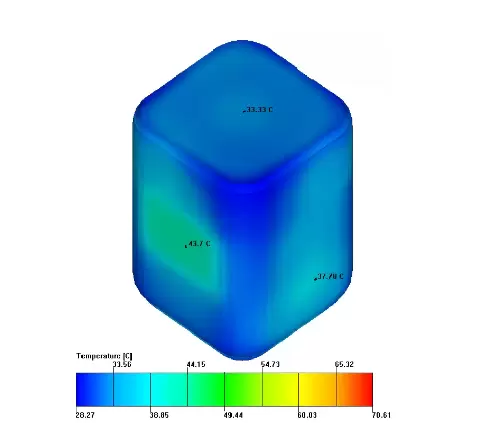
One of the most effective ways to address these challenges is through advanced thermal simulation analysis during the product development stage. By predicting heat distribution, identifying hotspots, and evaluating cooling strategies before physical prototyping, engineers can significantly improve speaker stability and durability while reducing development cycles.
Companies like SOGOOD, a one-stop manufacturing and engineering solutions provider, play a crucial role in enabling this level of design precision. With expertise spanning product design, thermal simulation, precision hardware, and heat dissipation solutions, SOGOOD helps industries transform early-stage concepts into reliable, production-ready products.
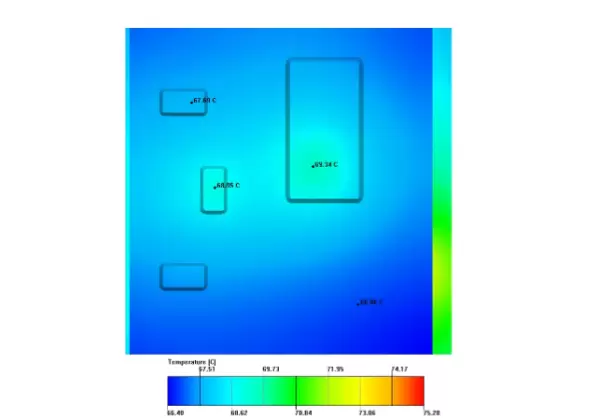
Speakers convert electrical energy into mechanical vibration through voice coils, magnets, and diaphragm assemblies. During operation, a portion of electrical energy is inevitably lost as heat, especially under high output conditions. In compact speaker systems, this heat can accumulate rapidly due to limited internal airflow and dense component integration.
Excessive temperature rise leads to several performance issues:
In automotive and industrial environments, these issues become even more pronounced due to external heat sources and confined installation spaces. Therefore, ensuring thermal stability is not just a performance consideration—it is a reliability requirement.
Traditional thermal design often relied on physical testing and iterative prototyping. While effective to some extent, this approach is time-consuming and expensive. Advanced thermal simulation changes this process by enabling engineers to model heat flow digitally before manufacturing.
Thermal simulation allows engineers to:
By integrating simulation early in the design phase, engineers can prevent structural and thermal issues before they occur, rather than correcting them after prototype failure.
As speaker technology evolves, several new thermal challenges have emerged:
Compact devices such as smartphones, laptops, and wearable audio systems require speakers that are smaller but more powerful. This results in higher heat density in a confined space, making thermal dissipation more difficult.
Modern acoustic designs often prioritize sound quality and waterproofing, leading to sealed or semi-sealed enclosures. While acoustically beneficial, these designs restrict airflow and increase internal temperature buildup.
In-vehicle infotainment systems integrate multiple speakers within dashboards, doors, and pillars. These environments experience wide temperature fluctuations and prolonged high-load usage, demanding robust thermal reliability.
Materials used in diaphragms, adhesives, and structural frames must balance acoustic performance with thermal resistance. Selecting the wrong material can lead to early failure under thermal stress.
Advanced simulation tools enable engineers to address these challenges with precision. In speaker development, thermal simulation typically includes:
Through these methods, engineers can predict how heat moves through the voice coil, basket, enclosure, and surrounding air. This enables more informed decisions on material selection, geometry optimization, and cooling strategies.
For example, simulation may reveal that a small adjustment in vent placement or internal rib structure significantly improves heat dissipation without affecting acoustic performance.
SOGOOD brings a structured engineering methodology to thermal and acoustic system design. Founded in October 2009 and headquartered in Shenzhen, China—known as the “Design Capital”—the company has built a strong reputation in industrial product innovation.
With a team composed of experienced industrial designers, structural engineers, and mold specialists, many of whom previously contributed to Motorola A1200 and A1600 design projects, SOGOOD combines practical engineering experience with advanced simulation capabilities. Several industrial designers on the team have also received Red Dot Design Awards, reflecting their strength in both functionality and aesthetics.
SOGOOD’s expertise extends across multiple industries, including electronics, telecommunications, automotive, medical devices, and artificial intelligence systems. Their solutions cover enclosure design, precision components, auxiliary materials, and advanced heat dissipation systems.
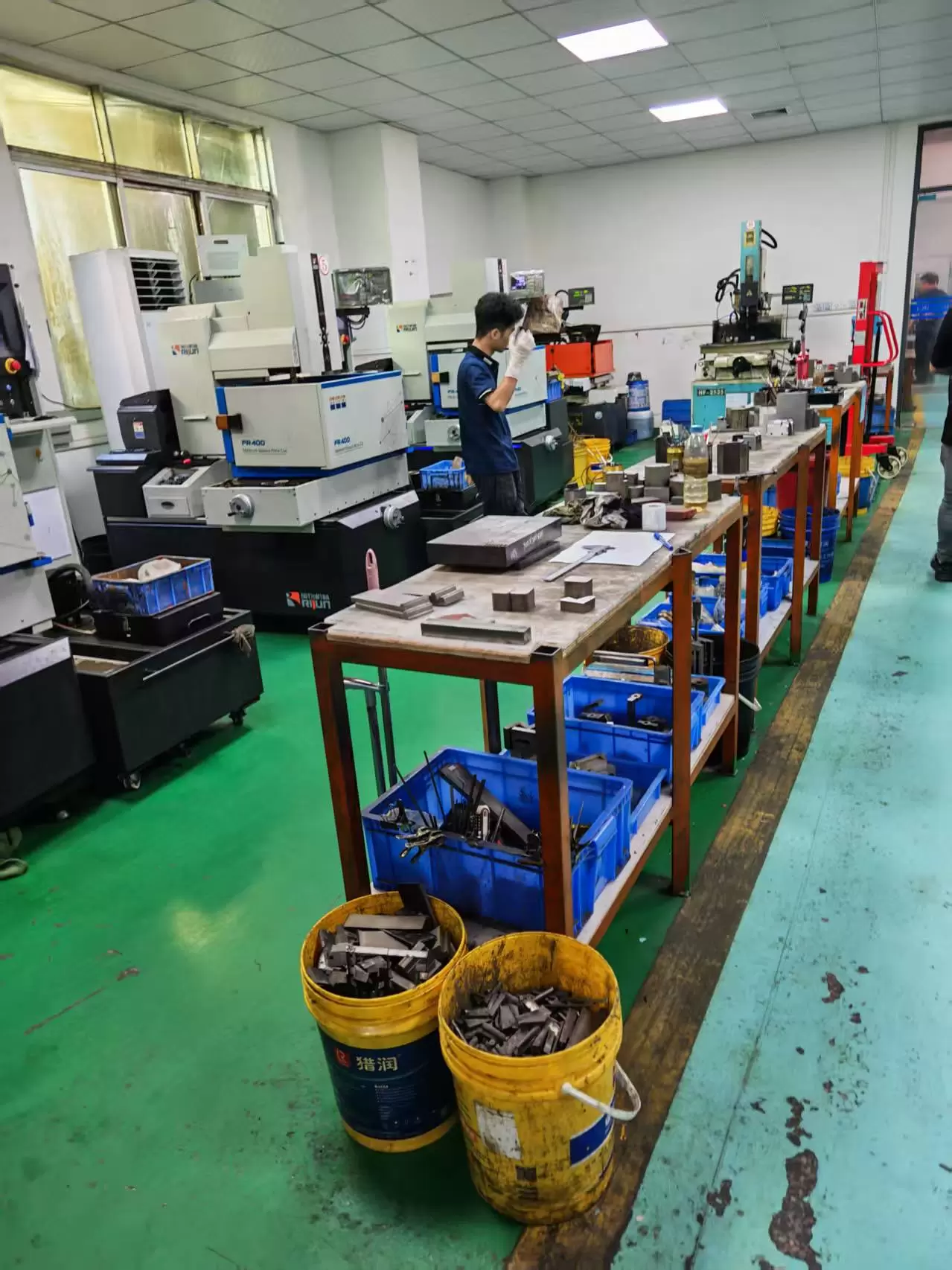
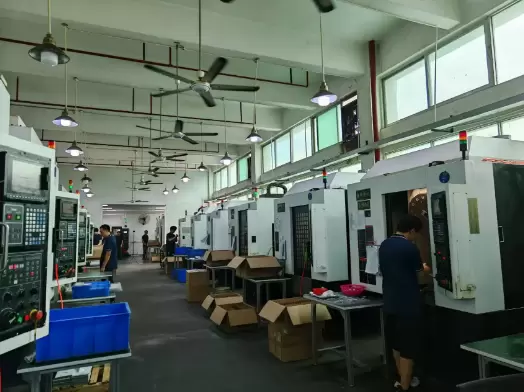
The company’s technical foundation includes metal nano molding technology and CNC precision machining, enabling the production of complex geometries that improve thermal performance in compact speaker assemblies.
You can learn more about their engineering capabilities and service scope here:
SOGOOD Service https://www.sogoodprecision.com/service/
One of the key advantages of working with an integrated manufacturer like SOGOOD is the seamless transition from simulation to production. Thermal simulation is only valuable when its insights can be accurately translated into physical components.
SOGOOD’s workflow typically integrates:
This closed-loop process ensures that thermal improvements are not lost during manufacturing transitions. Instead, they are embedded into final production components with high consistency.
Material selection plays a critical role in speaker thermal performance. SOGOOD’s engineering team focuses on optimizing materials across several key areas:
By combining CNC precision machining with nano-scale metal forming techniques, the company is able to create structures that enhance heat transfer while maintaining mechanical strength and acoustic integrity.
Thermal reliability in speakers is especially important in industries where failure is not an option:
In each of these sectors, thermal simulation-driven design significantly improves product durability and user experience.
As speaker systems become more powerful and compact, thermal management has shifted from a secondary concern to a core design priority. Advanced thermal simulation analysis enables engineers to predict and solve heat-related challenges early in the development cycle, improving both performance and reliability.
Companies like SOGOOD provide the engineering depth and manufacturing integration required to turn these simulations into real-world products. Through a combination of design expertise, simulation capabilities, CNC precision machining, and metal nano molding technology, SOGOOD supports industries in building next-generation speaker systems that are both high-performing and thermally stable.
By embedding thermal intelligence into every stage of development, manufacturers can ensure that modern speaker systems meet the growing demands of performance, durability, and long-term reliability.