How to Find a Reliable Power Bank Factory in China for Long-Term Cooperation
Apr 13, 2026
Three-proof tablets are widely used in industrial manufacturing, logistics, warehousing, field maintenance, healthcare, and outdoor operations. Unlike standard consumer tablets, these devices are designed to withstand water, dust, vibration, and demanding working conditions. However, their performance depends not only on internal electronic components but also on the quality and design of the housing.
For businesses developing rugged tablets, choosing a professional three-proof tablet housing OEM manufacturer is an important step toward creating a reliable product. Customization allows manufacturers to adapt enclosure dimensions, materials, sealing structures, interfaces, mounting features, and surface finishes to specific operating requirements.
Rather than using a standard housing that may require compromises, OEM customers can work with an experienced manufacturing partner to develop an enclosure that fits their hardware, production process, and end-user needs.
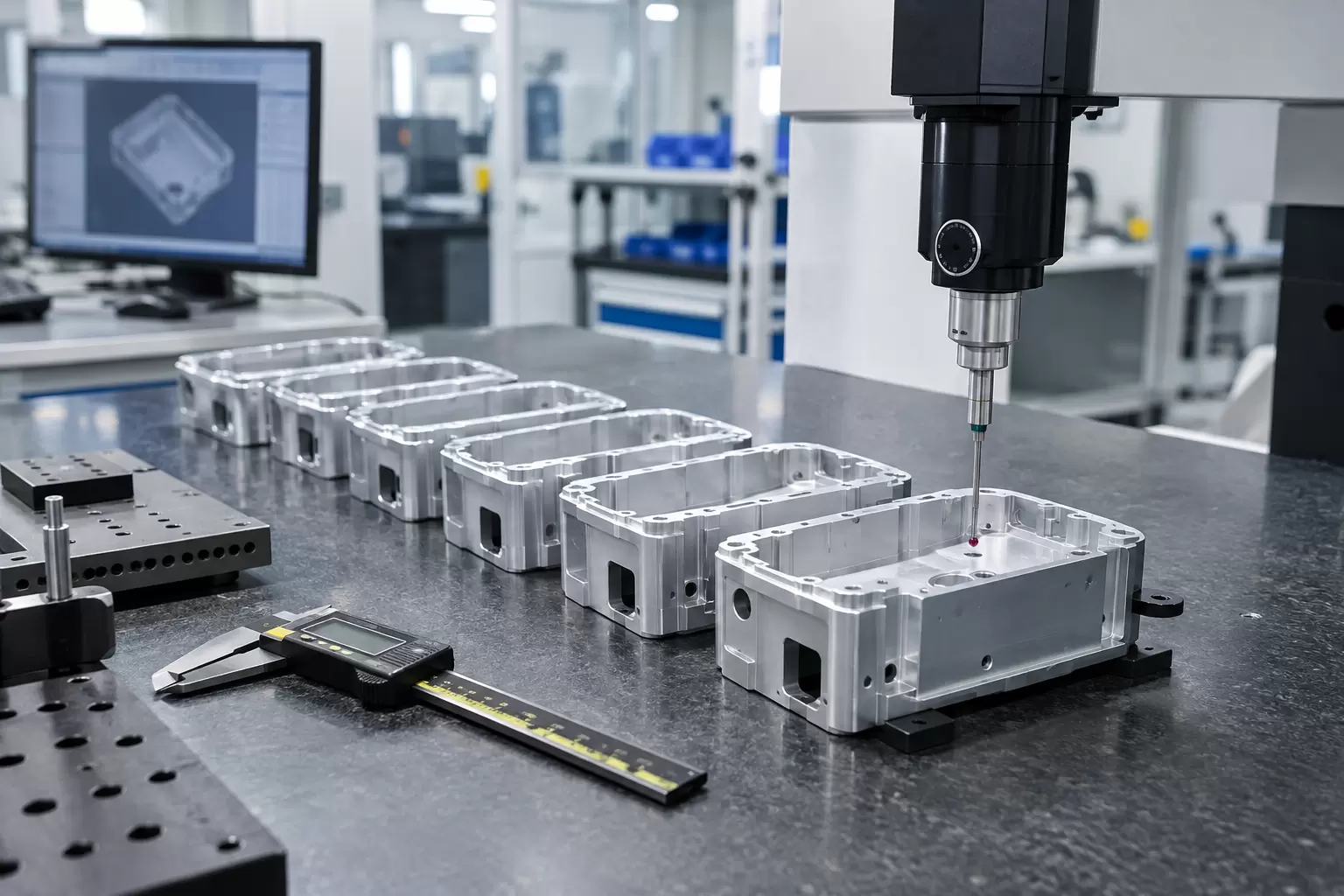
This article explores the key customization options available from professional three-proof tablet housing OEM manufacturers and explains what businesses should consider before starting a project.
Every rugged tablet has its own internal layout, including the display, battery, motherboard, antennas, connectors, and other electronic components. A customized housing must accommodate these elements while maintaining sufficient structural strength and a practical overall size.
Professional OEM manufacturers can adjust the length, width, thickness, corner geometry, wall thickness, and internal mounting positions of a tablet enclosure according to the product's requirements.
For example, a tablet used in a warehouse may need a relatively compact housing that can be operated with one hand. Equipment used in industrial inspection may require a larger enclosure to accommodate a high-capacity battery, additional communication modules, or a more advanced display.
Structural customization also includes the arrangement of internal ribs, screw bosses, reinforcement points, and component supports. These details influence how the housing handles repeated impacts, vibration, and mechanical stress.
Computer-aided design (CAD) and engineering reviews help manufacturers identify potential interference between components before production begins. This reduces the risk of costly modifications after tooling or machining has started.
A well-designed housing should provide enough space for assembly and maintenance without making the tablet unnecessarily bulky.
Material selection directly affects enclosure weight, rigidity, corrosion resistance, heat dissipation, and manufacturing feasibility.
Professional three-proof tablet housing OEM manufacturers can help customers evaluate different materials based on their application requirements.
Aluminum alloys are commonly considered for rugged electronic enclosures because they combine relatively low weight with good mechanical strength and thermal conductivity. CNC machining can produce accurate mounting features, connector openings, sealing grooves, and complex external geometries.
Engineering plastics, such as suitable grades of polycarbonate or reinforced polymers, may be appropriate when electrical insulation, impact resistance, or reduced weight is a priority. Their suitability depends on the specific grade, environmental conditions, and required mechanical performance.
Stainless steel may be selected for particular components requiring high strength or corrosion resistance, although its higher density and different thermal characteristics must be considered.
The choice is not simply a matter of selecting the strongest material. Engineers must also consider chemical exposure, operating temperature, surface treatment, production volume, antenna performance, and the total enclosure design.
For instance, an aluminum housing used in an industrial environment may require an appropriate protective finish to improve corrosion resistance. A design incorporating wireless communication must also account for how the metal enclosure affects antenna placement and signal transmission.
Material selection should therefore be evaluated together with structural design, sealing requirements, thermal management, and manufacturing methods.
Waterproofing and dustproofing are central requirements for three-proof tablet housings. However, protection depends on the complete enclosure system rather than on the outer shell alone.
OEM customization may include gasket grooves, silicone sealing elements, sealed button structures, protected connector openings, and carefully designed joints between enclosure sections.
The compression of a gasket is particularly important. If the gasket is compressed too little, gaps may allow water or dust to enter. Excessive compression can damage the sealing material or shorten its service life.
For this reason, manufacturers need to consider gasket material, groove dimensions, assembly tolerances, screw positions, and the flatness of mating surfaces.
Connector protection is another important consideration. Charging ports, USB interfaces, audio connectors, and other openings can become entry points for moisture and dust. Depending on the product design, manufacturers may incorporate protective covers, sealing plugs, or specialized connector assemblies.
The required protection level should be established early in the development process. Customers should specify the intended IP rating and relevant test conditions rather than relying on general descriptions such as waterproof or dustproof.
Prototype testing is essential to confirm that the complete assembled tablet meets the intended requirements. Testing should reflect the actual configuration, including buttons, connectors, covers, and other openings.
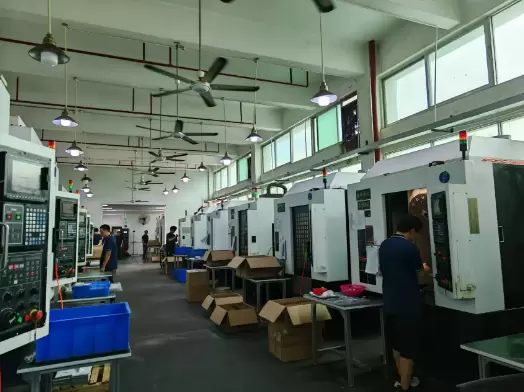
CNC precision machining is an important option when a three-proof tablet housing requires accurate dimensions, complex geometries, or customized mechanical interfaces.
Using computer-controlled cutting tools, manufacturers can machine features such as display openings, internal pockets, threaded holes, mounting surfaces, connector cutouts, and sealing grooves.
These features must often align precisely with the tablet's internal components. Even small dimensional deviations can create assembly difficulties, uneven gasket compression, or interference with electronic parts.
CNC machining is particularly useful during prototype development and for housing designs that require frequent engineering revisions. It allows manufacturers to modify a design without necessarily investing in dedicated production molds at the beginning of the project.
For more complex products, five-axis machining may help produce geometries that are difficult to access using conventional three-axis operations. The appropriate machining method depends on the part's shape, tolerance requirements, material, and production volume.
At the same time, engineers should avoid unnecessary complexity. Deep pockets, thin walls, difficult tool access, and excessive numbers of machining setups can increase manufacturing challenges.
A design review that considers both product performance and manufacturability can help maintain dimensional accuracy while simplifying production.
The external appearance of a rugged tablet is not purely decorative. Surface treatments can influence corrosion resistance, wear performance, cleanability, grip, and the product's perceived quality.
Depending on the selected material, customization options may include anodizing, powder coating, painting, bead blasting, brushing, and other suitable finishing processes.
For aluminum housings, anodizing can provide a durable surface layer and support different color options. Powder coating or painting may be appropriate for other appearance requirements, subject to the intended environment and compatibility with sealing surfaces.
Color customization allows OEM customers to coordinate the tablet housing with their corporate identity or distinguish different product configurations. Logos, model identifiers, serial numbers, and regulatory markings may also be incorporated through suitable printing, engraving, or labeling methods.
However, surface finishing must be planned alongside the mechanical design.
For example, coating thickness can affect the fit of tightly controlled components. Sealing grooves, electrical contact points, grounding surfaces, and precision mounting interfaces may require special treatment or masking.
Customers should therefore define both cosmetic expectations and functional requirements before selecting a finishing process.
A customized tablet housing must support the way users interact with the device and connect it to other equipment.
Professional OEM manufacturers can customize openings and mounting provisions for charging ports, data interfaces, external antennas, cameras, speakers, microphones, and other functional components.
The layout should reflect actual usage conditions. A tablet used with gloves may need larger buttons with clearly differentiated positions. Equipment installed on a forklift may require dedicated mounting points and access to power or communication connections.
Additional customization options include:
Hand straps and carrying handles for mobile operation.
Shoulder straps or protective corner structures for field use.
VESA-compatible or application-specific mounting interfaces.
Docking station interfaces for charging and data transfer.
Replaceable connector covers and protective accessories.
Internal brackets for batteries, circuit boards, and expansion modules.
These features should be integrated into the enclosure design rather than added without considering their effect on sealing, strength, and assembly.
For example, mounting holes that penetrate the sealed enclosure may create additional leakage paths. A better solution may involve external mounting features or carefully engineered sealing arrangements.
The goal is to make the tablet practical for its intended application while preserving the protective performance of the complete assembly.
Rugged tablets frequently operate for extended periods in environments where airflow is limited. High-performance processors, displays, batteries, and communication modules can generate heat that must be managed within a compact enclosure.
Thermal management is therefore an important part of housing customization, especially for tablets used in industrial control, vehicle-mounted systems, AI applications, or continuous data collection.
A customized enclosure may incorporate heat-spreading plates, thermal interface materials, optimized contact surfaces, and carefully positioned internal supports.
Aluminum can help spread heat because of its thermal conductivity, but the effectiveness of the overall solution depends on the complete thermal path from the heat-generating component to the external environment.
Engineers should consider processor power, operating duty cycle, ambient temperature, internal air gaps, contact resistance, and the thermal limitations of other components.
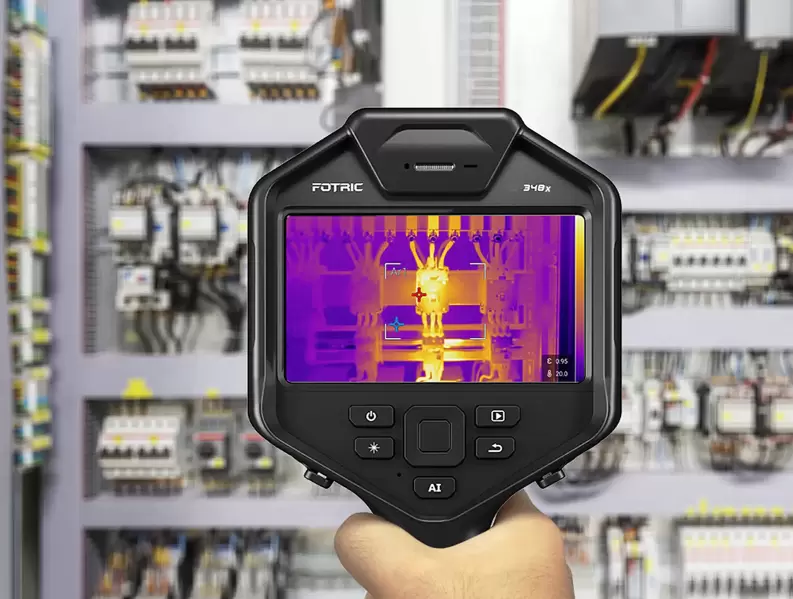
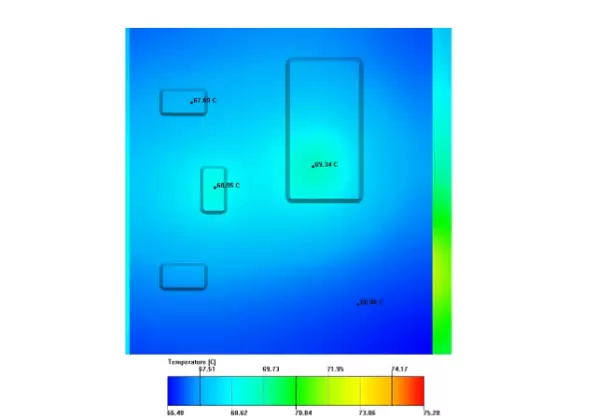
Thermal simulation can help identify potential hotspots before physical prototypes are manufactured. The results can guide changes to the internal layout, heat-spreading structure, and contact areas.
For products requiring both high environmental protection and substantial heat dissipation, the design must balance sealing integrity with thermal performance. Simply adding ventilation openings may conflict with the required water and dust protection.
An integrated approach to mechanical design and thermal analysis helps address these competing requirements more effectively.
Customization should not stop when the CAD model is complete. A successful OEM project requires verification that the housing can be manufactured, assembled, and tested consistently.
Prototype production allows engineers to check component fit, screw access, connector alignment, gasket compression, surface appearance, and overall usability.
Depending on the product requirements, validation may include:
Dimensional inspection and assembly checks.
Water and dust ingress testing against the specified protection level.
Drop and impact testing under defined conditions.
Vibration testing for vehicle-mounted or industrial applications.
Thermal testing under representative operating loads.
Verification of connector access and accessory compatibility.
Not every tablet requires the same test program. The appropriate validation plan should be based on its operating environment, customer specifications, and applicable standards.
After prototype approval, the manufacturer should establish repeatable production processes and inspection criteria. These may include critical dimension checks, material verification, surface inspection, assembly controls, and final functional testing.
Production planning also matters. A design that works well for a small prototype batch may need adjustments to improve machining efficiency, simplify assembly, or support larger production volumes.
Early communication between the customer's engineering team and the OEM manufacturer helps identify these issues before they affect delivery schedules or product consistency.
Selecting an OEM partner involves more than comparing machining capabilities. Businesses should evaluate whether the manufacturer can support the complete development process, from early design discussions to prototype validation and production.
Important considerations include engineering experience, material knowledge, precision machining capability, quality management, communication efficiency, and the ability to coordinate multiple manufacturing processes.
An experienced partner should be able to discuss practical design questions, including how to position sealing grooves, maintain tolerances, simplify assembly, protect connector interfaces, and manage heat within a sealed enclosure.
It is also useful to provide the manufacturer with clear project information, including product dimensions, internal component layouts, target protection levels, expected operating conditions, finishing requirements, and anticipated production quantities.
SOGOOD provides one-stop manufacturing services covering product design, thermal simulation, precision hardware, and heat dissipation solutions. Established in Shenzhen, the company focuses on CNC precision machining, metal nano molding technology, and related engineering services.
Its engineering capabilities support the development of precision metal components and customized enclosure solutions for industries including electronics, communications, automotive, medical equipment, and artificial intelligence. The company also emphasizes coordinated product development, manufacturing quality, and collaboration with OEM and ODM customers.
For businesses evaluating customized enclosure concepts or integrated manufacturing requirements, the SOGOOD project portfolio offers a starting point for discussing relevant engineering applications and potential solutions.
The most suitable manufacturing partner is one that understands the relationship between enclosure design, environmental protection, thermal performance, and production feasibility.
Customization options offered by professional three-proof tablet housing OEM manufacturers cover far more than external dimensions and appearance. They include material selection, sealing structures, CNC machining, surface finishing, connector layouts, mounting accessories, thermal management, and production validation.
Each decision affects the others. A new connector opening may influence sealing performance, a different material may change heat transfer, and a surface coating may affect precision assembly.
For this reason, housing development should begin with a clear understanding of the tablet's operating environment and functional requirements. Early engineering collaboration, practical prototyping, and systematic testing help reduce design risks and improve manufacturing consistency.
By working with an experienced OEM or ODM partner, businesses can develop rugged tablet housings that better match their technical specifications, assembly requirements, and intended applications.