Why CNC Precision Machining Is Essential for High-Tolerance Components
May 01, 2026
The folding bike industry has evolved rapidly in recent years, driven by urban mobility needs, sustainability goals, and the demand for compact, high-performance transportation solutions. Behind every reliable folding bike lies a sophisticated manufacturing process that integrates industrial design, precision engineering, and advanced production technologies.
In this article, we take you inside a professional folding bike manufacturer to explore how an idea transforms into a finished product—while also highlighting how companies like SOGOOD bring cross-industry expertise into modern bike manufacturing.
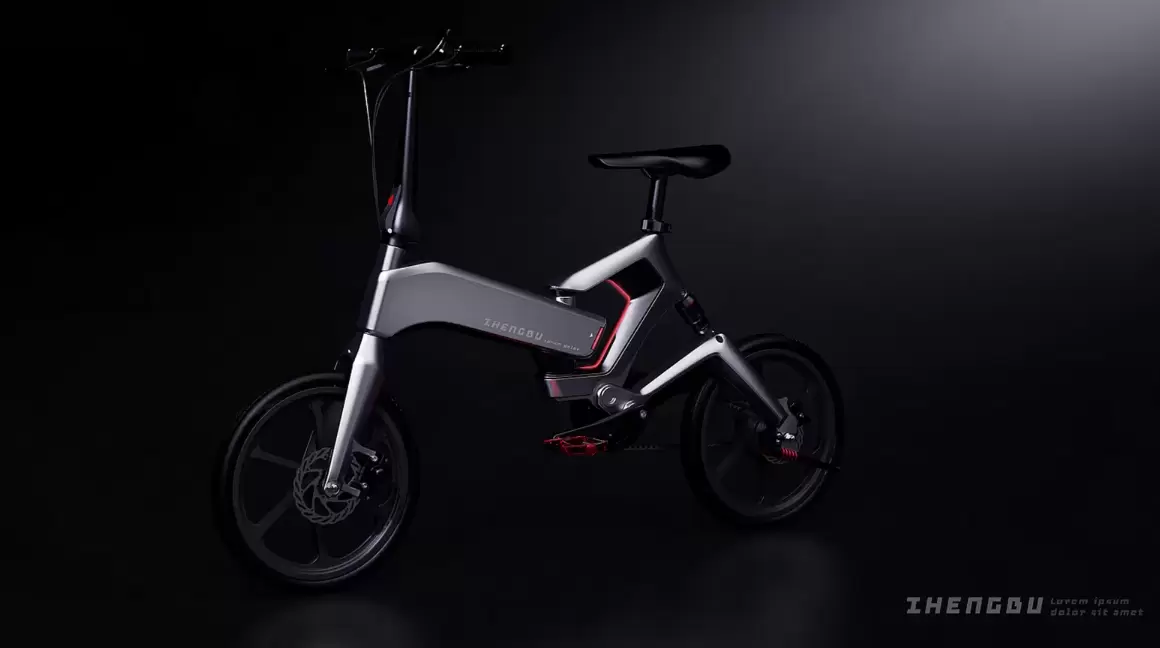
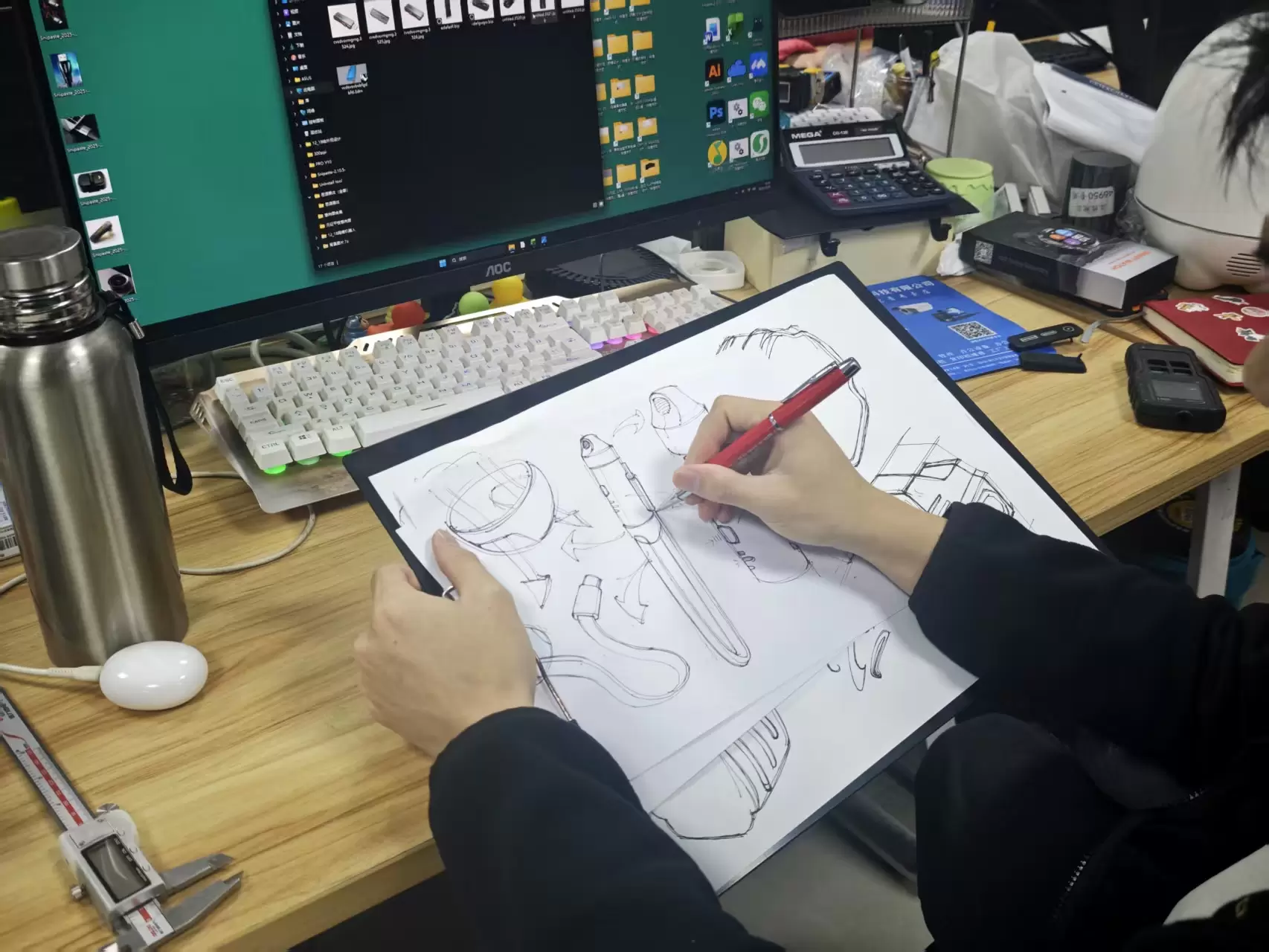
Every folding bike starts with a clear concept. Unlike traditional bicycles, folding bikes must balance portability, durability, and riding comfort—all within a compact structure.
At this stage, manufacturers focus on:
Industrial designers collaborate closely with engineers to ensure that the bike is not only functional but also visually appealing and ergonomic. Teams with strong backgrounds in consumer electronics design—like those at SOGOOD—bring a unique advantage by applying user-centric thinking and refined aesthetics to mobility products.
Once the concept is validated, the next step is structural engineering. Folding bikes are subjected to repeated stress at hinge points, locking systems, and joints, making durability a critical concern.
This is where advanced simulation technologies come into play:
SOGOOD’s expertise in thermal simulation and precision hardware design, originally developed for industries such as electronics and automotive, translates effectively into optimizing bike frame structures and component reliability.
By simulating real-world conditions before physical prototyping, manufacturers can significantly reduce development time and avoid costly design flaws.
A folding bike consists of numerous precision components, including:
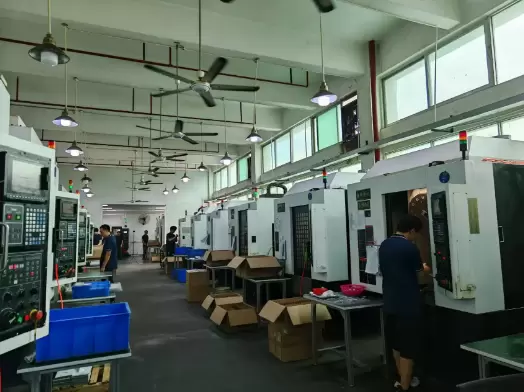
Each of these parts must meet tight tolerances to ensure smooth operation and safety. CNC machining plays a critical role in this stage.
SOGOOD’s core capabilities in CNC precision machining and metal nano forming technology enable:
The integration of these advanced manufacturing techniques ensures that every component fits seamlessly, contributing to the overall performance of the bike.
Before mass production begins, multiple prototypes are developed and rigorously tested.
Typical testing procedures include:
This stage often involves iterative improvements. Engineers refine the design based on real-world feedback, ensuring that the final product meets both safety standards and user expectations.
Manufacturers with experience in high-reliability industries—such as medical devices and telecommunications—bring a disciplined approach to testing and validation, which is crucial for folding bike durability.
Once the prototype is finalized, the focus shifts to tooling.
Key processes include:
SOGOOD’s background in mold flow analysis ensures that materials are distributed evenly during production, reducing defects such as warping or internal stress.
High-quality tooling is essential for maintaining consistency in large-scale manufacturing and minimizing production waste.
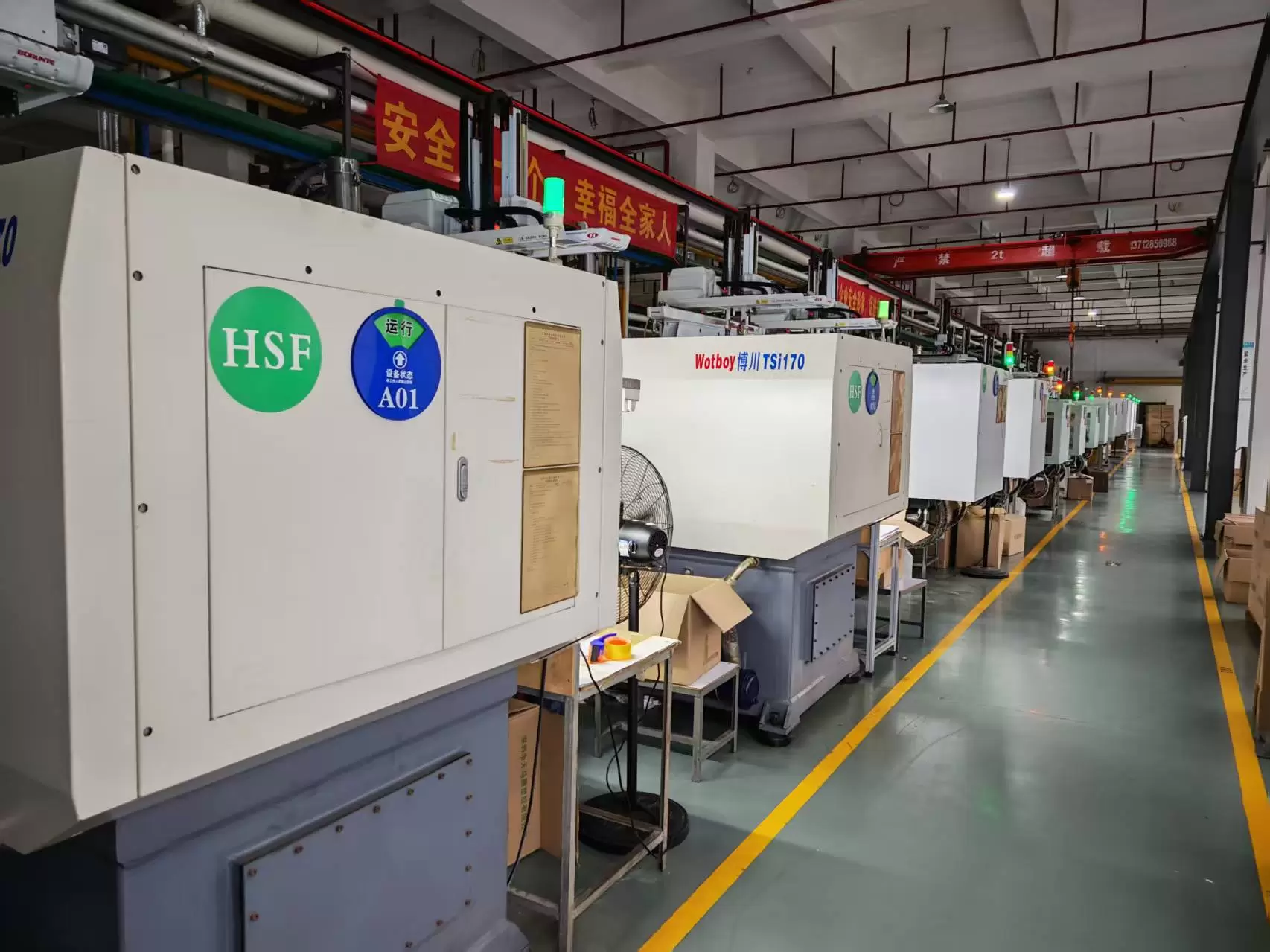
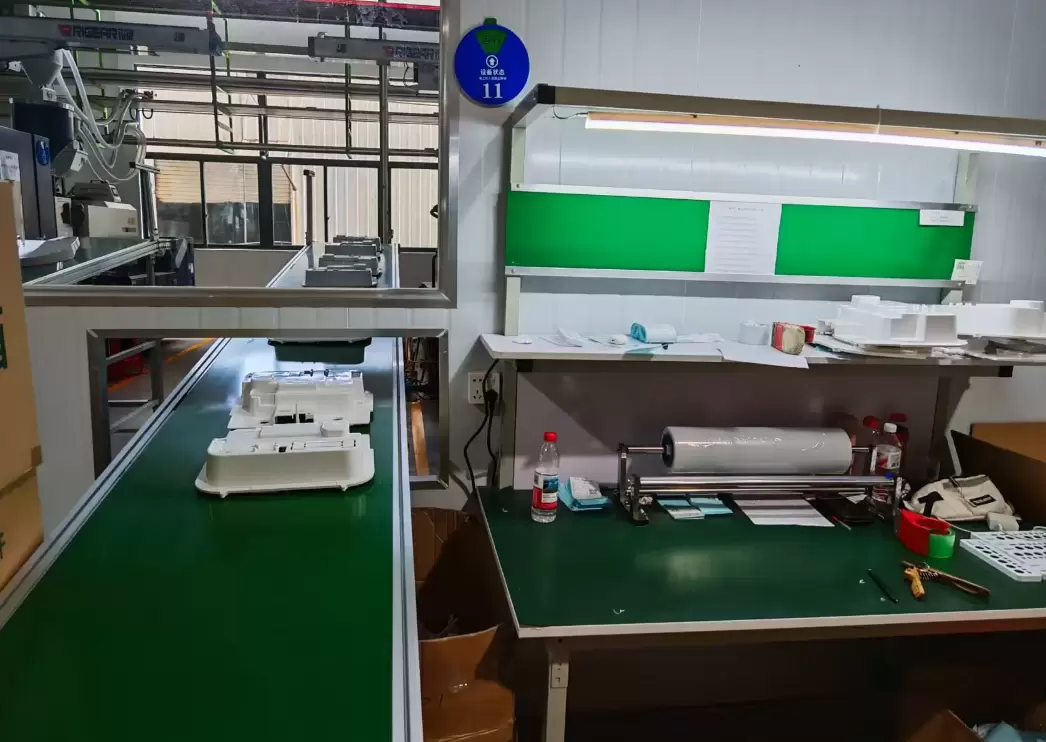
With tooling in place, mass production begins. This phase involves multiple coordinated processes:
Manufacturers like SOGOOD, with experience in producing enclosures and precision hardware for global brands, excel at maintaining strict quality control throughout the production line.
Quality assurance is a cornerstone of professional manufacturing.
A modern folding bike factory typically implements:
Each bike undergoes detailed checks to ensure:
SOGOOD’s commitment to international quality standards and its experienced engineering team—many with over 20 years of expertise—ensure that every product meets stringent requirements.
In today’s competitive market, customization is key.
Professional manufacturers offer:
SOGOOD stands out as a one-stop manufacturing partner, supporting clients from initial concept to final production. Whether developing a new folding bike model or refining an existing design, their integrated approach helps businesses accelerate time-to-market.
For more details on folding bike solutions, you can explore their offerings here:
<a href="https://www.sogoodprecision.com/three-proof-electronic-products/folding-bike.html">folding bike manufacturing solutions</a>
A professional folding bike manufacturer operates within a global supply chain.
Key aspects include:
SOGOOD has worked with leading global companies across industries, including telecommunications, consumer electronics, and home appliances. This experience enables them to adapt quickly to diverse client needs and maintain reliable delivery performance.
The final stage is preparing the product for market entry.
This includes:
Manufacturers that understand the full product lifecycle—from design to end-user experience—help clients achieve long-term success.
The production of a high-quality folding bike is far more complex than it may appear. It requires a seamless integration of design innovation, engineering precision, advanced manufacturing technologies, and strict quality control.
Companies like SOGOOD demonstrate how expertise from multiple industries—such as electronics, automotive, and AI—can elevate folding bike manufacturing to new levels. With strong capabilities in metal nano forming, CNC machining, and simulation-driven design, they provide reliable, end-to-end solutions for global clients.
As urban mobility continues to evolve, the role of professional manufacturers will become even more critical in delivering innovative, durable, and user-friendly folding bikes to the market.