Why Global Brands Partner with Experienced Humidifier Manufacturers
Sep 28, 2026
When developing an ab wheel, material selection is not simply a matter of appearance. The material used for the wheel, handles, axle, bearings, and other structural components directly affects stability, durability, grip, noise, user comfort, and production consistency.
For ab wheel manufacturers, the challenge is to balance mechanical performance with manufacturability. A product may look simple, but an ab wheel is repeatedly exposed to rolling loads, friction, impact, and torsional forces during exercise. If the materials are poorly selected, problems such as wheel deformation, handle breakage, excessive noise, or unstable movement can occur after repeated use.
Different materials offer different advantages. Plastics are widely used for lightweight and cost-effective components, while metals are preferred for load-bearing structures. Rubber and thermoplastic elastomers are commonly added to improve traction and comfort. Understanding these material options can help product developers and buyers make better decisions when working with an ab wheel manufacturer.
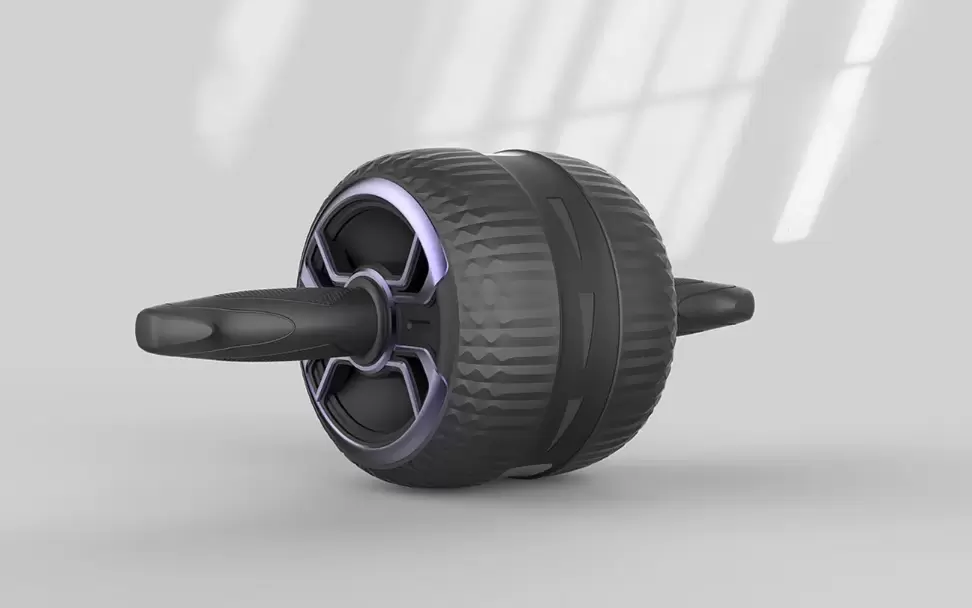
Polypropylene (PP) is a common material for molded plastic components because it combines relatively low weight with good impact resistance and chemical stability.
For an ab wheel, PP can be used in the wheel body or internal structural parts where lightweight construction is important. Its relatively good fatigue resistance also makes it suitable for products that undergo repeated movement.
The benefits of PP include:
However, PP is not necessarily the best choice for every part of an ab wheel. Engineers need to consider the expected load, wheel diameter, wall thickness, rib structure, and operating environment.
For more demanding structural parts, manufacturers may consider reinforced engineering plastics such as glass-fiber-reinforced nylon. These materials can provide higher stiffness and dimensional stability than standard plastics.
Nylon is another useful material in ab wheel manufacturing. Compared with many general-purpose plastics, nylon offers higher mechanical strength and wear resistance.
Depending on the product design, nylon can be used for internal gears, bushings, structural components, or other parts that experience repeated mechanical movement.
One important advantage is its resistance to abrasion. When a component repeatedly contacts another surface, ordinary plastic may gradually wear down. Nylon can provide better long-term performance in applications where friction is involved.
Glass-fiber-reinforced nylon can further improve stiffness and dimensional stability. This can be useful when a manufacturer needs a plastic component that maintains its shape under repeated loading.
Material selection still needs to account for moisture absorption, processing conditions, and the actual mechanical requirements of the component. A good manufacturer should evaluate these factors during the design stage rather than selecting a material based only on its general reputation.
A hard plastic wheel can roll effectively, but it may not provide sufficient traction on all floor surfaces. This is where thermoplastic elastomers such as TPE and TPU become useful.
TPE can provide a softer outer layer with better grip and cushioning. It is commonly considered when the product needs a more comfortable rolling experience and reduced contact noise.
TPU offers a combination of elasticity, wear resistance, and toughness. It can be especially useful for wheel treads that experience repeated contact with the floor.
The material used for the outer tread affects several practical characteristics:
For example, an ab wheel designed for use on hard indoor floors may require a different tread formulation from one intended for exercise mats or other softer surfaces.
The hardness of the material is also important. A tread that is too soft may deform excessively, while one that is too hard may reduce grip and increase noise. Manufacturers can adjust the material formulation and geometry to achieve an appropriate balance.
Rubber remains a practical choice when strong grip and shock absorption are priorities.
Natural rubber, synthetic rubber, and various rubber compounds can be used depending on the product requirements. Rubber provides elasticity and can help the wheel maintain contact with the floor during movement.
For ab wheel applications, a rubber tread may improve traction and reduce the likelihood of slipping. It can also help absorb some vibration generated when the wheel moves over uneven surfaces.
The drawback is that rubber components may require additional manufacturing processes depending on the design. If a product uses a rubber layer over a rigid plastic core, manufacturers need to control bonding, dimensional tolerances, and surface preparation.
For this reason, the choice between rubber, TPE, and TPU should be made together with the manufacturing process. Material selection and production technology should work as one system.
While plastics and elastomers are suitable for many visible components, steel is commonly used where strength and rigidity are critical.
The axle is one of the most important structural components of an ab wheel. It transfers load between the wheel and handles and must withstand repeated bending and torsional forces.
Carbon steel and stainless steel are two potential choices.
Carbon steel provides good strength and machining performance. With suitable surface treatment, it can also provide improved corrosion resistance.
Stainless steel is attractive when corrosion resistance and a cleaner appearance are important. It is particularly useful for products that may be exposed to sweat or humid storage conditions.
The correct steel grade depends on the design load, diameter, required strength, corrosion environment, machining process, and surface finish.
CNC machining can be used to produce accurately dimensioned metal shafts, spacers, and other precision components. Proper control of concentricity and dimensional tolerances is particularly important because excessive deviation can affect wheel rotation and overall stability.
Aluminum is another material worth considering when a manufacturer wants to reduce weight while maintaining good structural performance.
Aluminum alloys provide a useful combination of low density, machinability, and corrosion resistance. They can be used for handles, brackets, structural housings, or other components depending on the product architecture.
CNC machining is particularly suitable for producing aluminum parts with customized dimensions and detailed features. It also allows manufacturers to create prototypes and small batches without immediately committing to complex tooling.
Surface treatment can further improve appearance and durability. Depending on the product design, anodizing, blasting, brushing, or other finishing processes may be considered.
For premium or specialized exercise equipment, aluminum can also contribute to a more refined industrial design. However, engineers still need to consider contact comfort, grip materials, and the overall weight distribution of the product.
Some ab wheel designs use more metal components to create a stronger or more professional appearance. Stainless steel can be used for shafts, fasteners, brackets, or other exposed components.
Its corrosion resistance is particularly relevant for fitness products because users frequently handle the equipment with sweaty hands.
However, using more metal does not automatically make an ab wheel better. Additional weight can affect portability, while unnecessary metal parts can complicate assembly.
A better approach is to determine which components actually require high strength and use materials accordingly. This is where structural engineering plays an important role.
Material selection should not be separated from manufacturing technology.
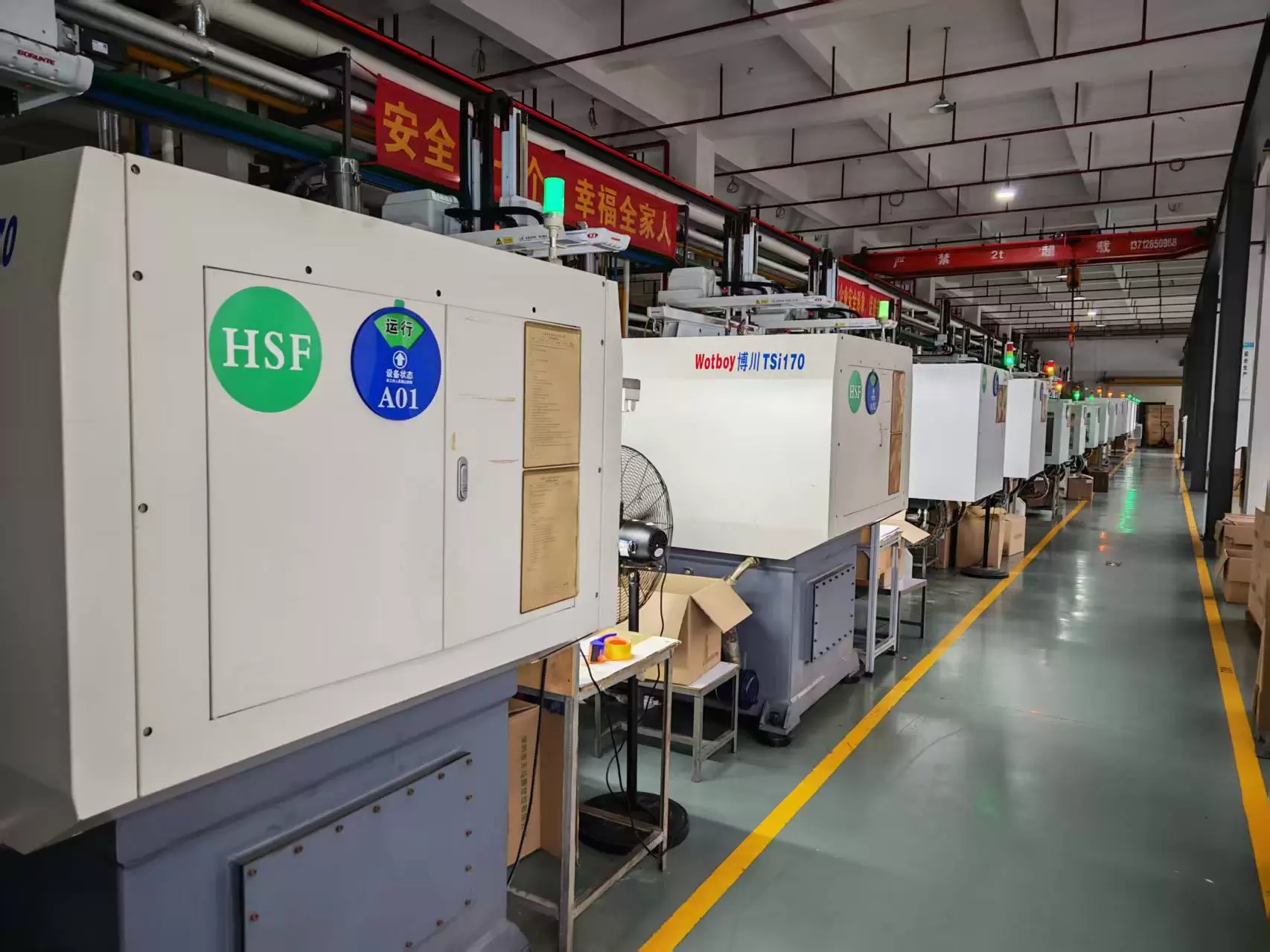
For injection-molded plastic components, engineers need to consider wall thickness, ribs, draft angles, shrinkage, weld lines, and possible deformation. Mold flow analysis can help identify potential filling problems before tooling begins.
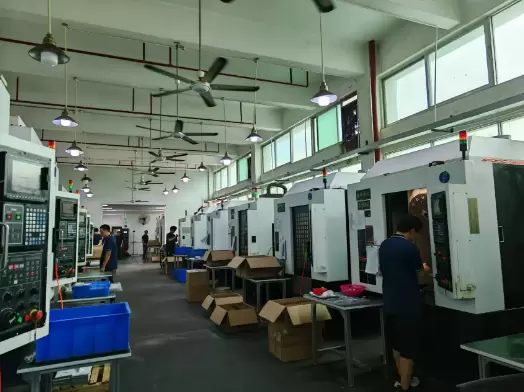
For metal components, CNC machining provides flexibility for precision parts and customized designs. Engineers can evaluate machining allowances, tolerances, surface requirements, and assembly interfaces during product development.
For products combining several materials, the manufacturing process becomes even more important. For example, a wheel may combine a rigid plastic core, an elastomer tread, a metal axle, and ergonomic handles. Each material must work correctly with the others.
This integrated approach can reduce the risk of discovering design problems only after mass production has started.
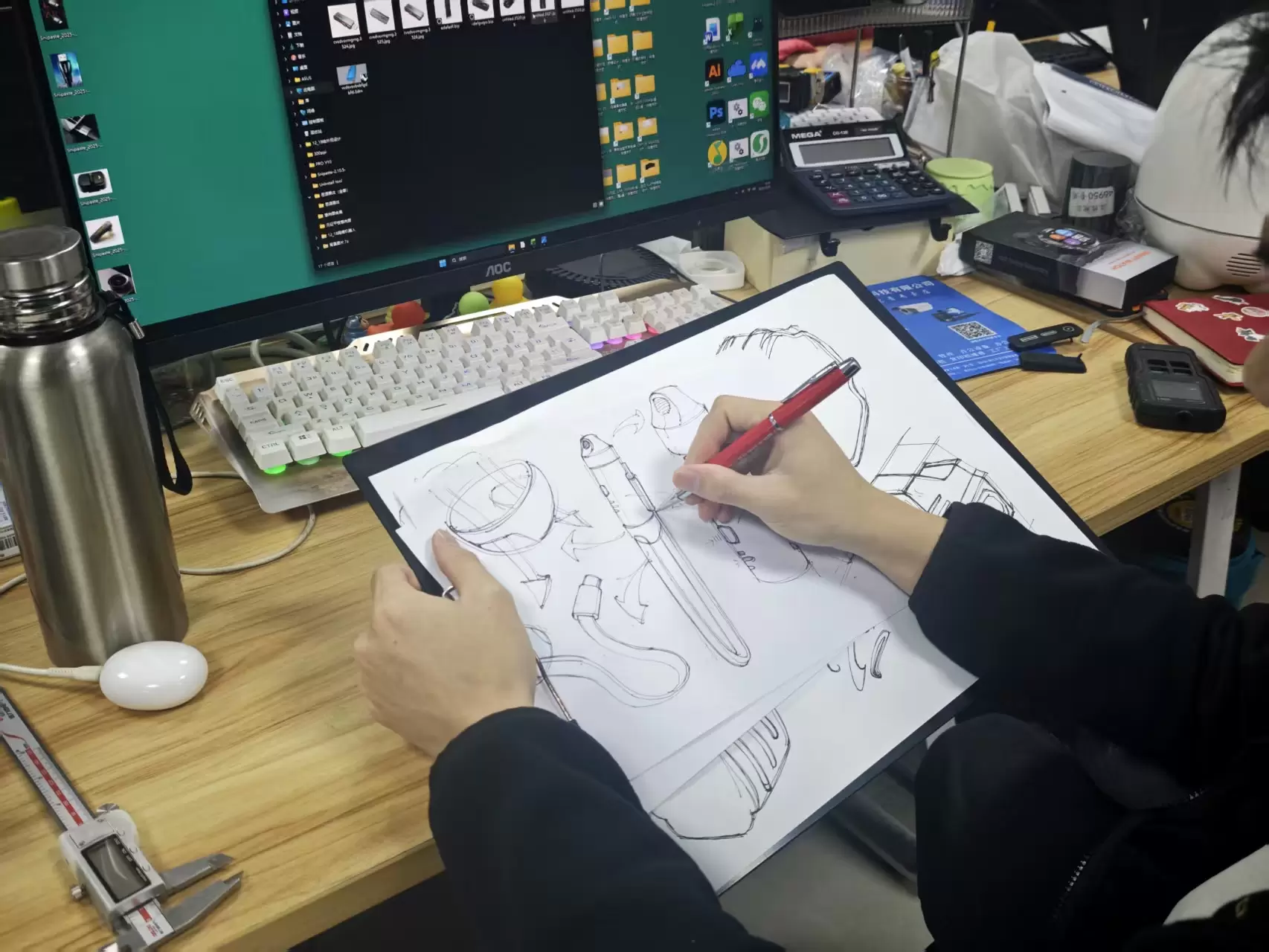
SOGOOD provides one-stop manufacturing services covering product design, thermal simulation design, precision hardware, and related engineering solutions. Although the company's technical capabilities extend across electronics, communications, automotive, medical, and AI applications, the same engineering principles can be applied to fitness and other precision product development projects.
Its core capabilities include metal nano molding technology, CNC precision machining, and mold flow analysis. The company was established in Shenzhen, China's "City of Design," and has built a team of industrial designers, structural engineers, and mold engineers.
SOGOOD's engineering team brings extensive experience in industrial product innovation, while its senior engineers have more than 20 years of experience in metal nano molding and CNC machining.
For an ab wheel project, this type of integrated capability can be useful when the product requires customized metal components, precision mechanical structures, molded plastic parts, or multiple materials in one assembly.
Instead of treating product design, tooling, material selection, and manufacturing as separate steps, the engineering team can evaluate them together. This can help identify issues related to tolerances, assembly, material compatibility, and manufacturability at an earlier stage.
The company operates under an ISO 9001-certified quality management system and supports both OEM and ODM cooperation. This makes it possible to work from an existing product concept or develop a customized engineering solution based on specific requirements.
The materials used in an ab wheel have a direct impact on its performance and manufacturing quality. PP and engineering plastics can provide lightweight and moldable structures, while nylon can offer improved strength and wear resistance. TPE, TPU, and rubber are useful for improving grip and floor contact, while steel, stainless steel, and aluminum provide options for axles and structural components.
The best material is not necessarily the strongest or most expensive one. It is the material that matches the mechanical requirements, user environment, manufacturing process, and overall product design.
For companies developing customized fitness equipment, working with an experienced manufacturer from the early design stage can make material selection much more practical. By combining industrial design, structural engineering, precision machining, molding analysis, and quality control, manufacturers can turn an initial ab wheel concept into a product that is easier to manufacture and more reliable in real-world use.