Key Advantages of CNC Precision Machining for Medical Device Components
Mar 13, 2026
Developing a custom plastic product involves much more than creating a 3D model and sending it to an injection molding machine. Product designers, structural engineers, mold engineers, and manufacturing teams need to work together from the early stages of development to make sure the final product can be produced consistently and perform as intended.
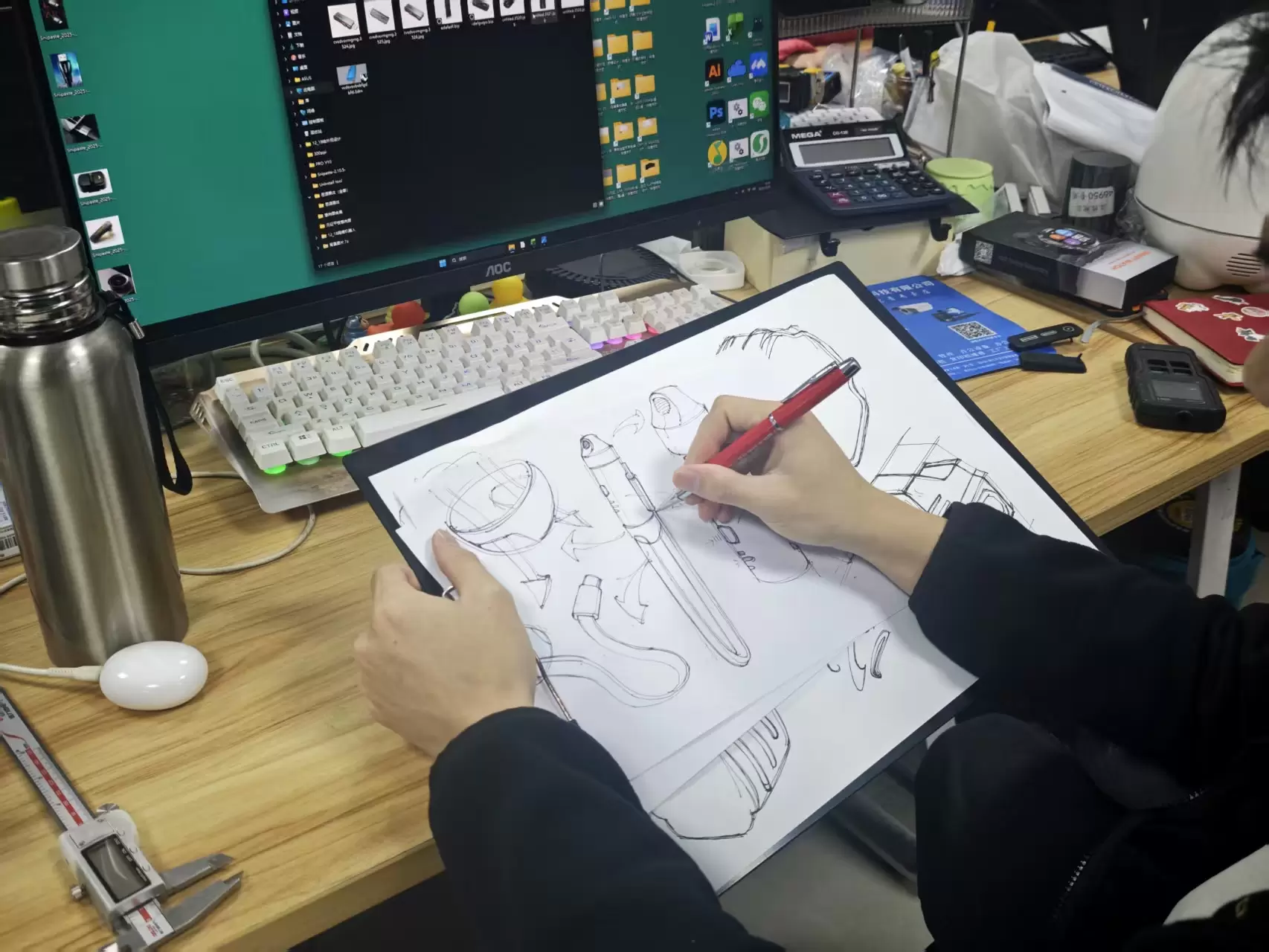
This is where an experienced OEM injection molding factory can make a practical difference. Instead of acting only as a production supplier, a capable manufacturing partner can participate in product design, mold development, material selection, process analysis, prototyping, and mass production.
For companies developing electronic housings, automotive components, medical equipment parts, communication products, or industrial enclosures, this integrated approach can reduce unnecessary design changes and make the transition from development to production much smoother.
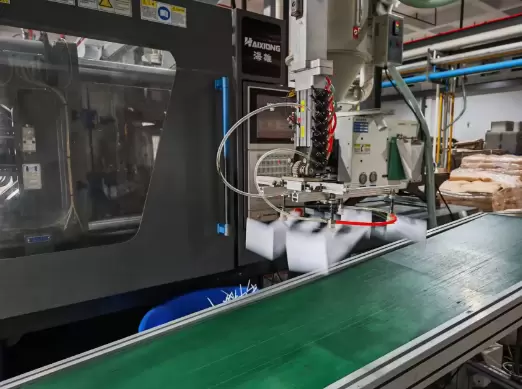
A product concept may look good on a screen, but that does not necessarily mean it can be manufactured efficiently.
Plastic products have specific design requirements related to wall thickness, draft angles, ribs, bosses, snap-fits, openings, parting lines, and material flow. If these factors are overlooked during the design stage, problems can appear later during mold making or injection molding.
An experienced OEM injection molding factory can review the product structure before the mold is built. Engineers may identify areas where the wall is too thick, where a rib could cause sink marks, or where a feature may make mold release difficult.
Early engineering feedback is particularly important for products with complex structures. Correcting a CAD model before tooling is generally much easier than modifying a finished mold.
For this reason, manufacturers with both product design and mold engineering capabilities can contribute much more than factories that only provide molding production.
Design for Manufacturability, commonly known as DFM, is one of the most important steps in custom plastic product development.
The purpose of DFM is not simply to make a product easier for a factory to manufacture. It is about finding a practical balance between product function, appearance, structural strength, assembly requirements, and production consistency.
For example, an electronic housing may require:
Each feature affects the mold and injection process.
An OEM manufacturer can review these requirements and suggest structural changes before tooling begins. In some cases, a small change to the position or thickness of a feature can significantly improve moldability without changing the product's intended function.
This engineering collaboration is particularly useful when developing products with tight dimensional requirements or complex internal structures.
Mold flow analysis provides another important engineering tool during plastic product development.
Before manufacturing the actual mold, engineers can simulate how molten plastic is expected to fill the cavity. The analysis can help identify potential problems such as incomplete filling, weld lines, air traps, excessive pressure, or uneven shrinkage.
The results can then be used to evaluate important tooling decisions, including gate locations, runner design, cooling arrangements, and injection parameters.
For complex housings and precision plastic components, this analysis can provide valuable information before significant tooling work begins.
SOGOOD incorporates mold flow analysis into its engineering capabilities, allowing product and mold engineers to evaluate manufacturability at an earlier stage. This fits naturally with its broader manufacturing approach, which combines product design, structural engineering, CNC precision machining, and advanced molding-related technologies.
Prototyping is often treated as a separate step from injection molding, but the two should ideally be connected.
A prototype allows the development team to check dimensions, assembly, appearance, ergonomics, and overall functionality before committing to full production.
However, a prototype that cannot accurately represent the final manufacturing process may give misleading results.
An experienced OEM partner can help determine which prototyping method is appropriate for the product and development stage. CNC machining, rapid prototyping, or other methods may be used to verify specific structural features before injection tooling is finalized.
This is especially useful for electronic and communication equipment, where a housing may need to fit multiple internal components and maintain precise alignment during assembly.
The goal is not simply to make a prototype quickly. The goal is to obtain useful engineering information before moving to the next stage.
Modern plastic products often require more than injection molding alone.
Many products contain metal inserts, precision components, heat dissipation structures, brackets, connectors, or other machined parts. Managing these elements through separate suppliers can create additional coordination work and introduce potential dimensional or communication issues.
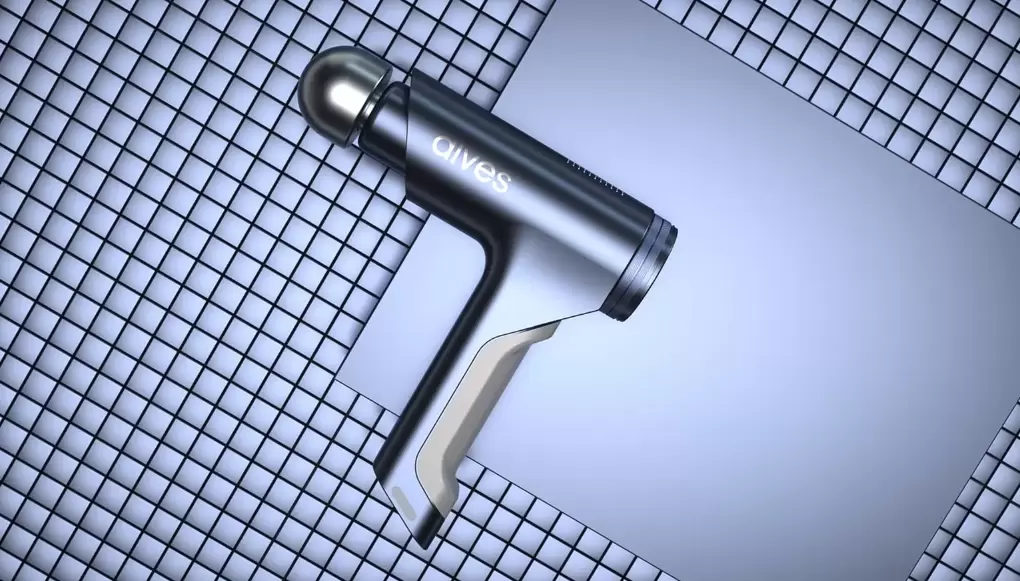
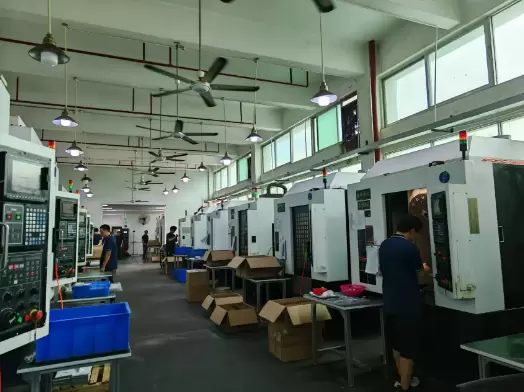
SOGOOD combines CNC precision machining with product development and molding-related engineering capabilities. This enables customers to discuss plastic housings, precision hardware, and related components with one engineering team.
This approach can be particularly valuable for electronics, communication equipment, automotive applications, medical devices, and AI-related hardware, where plastic and metal components frequently need to work together within a compact assembly.
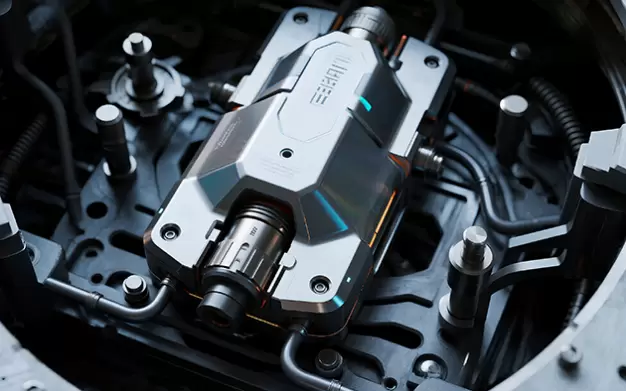
The company's experience in metal nanomolding also provides an additional manufacturing option for applications requiring close integration between metal and plastic components.
For many modern products, the plastic enclosure is not simply an outer shell.
Electronic and AI hardware can generate significant heat, while communication and automotive equipment may have demanding environmental and reliability requirements. As a result, enclosure design needs to consider thermal performance, internal space, structural strength, and assembly at the same time.
SOGOOD provides thermal simulation design and heat dissipation solutions alongside product development and precision manufacturing. This allows thermal considerations to be introduced earlier rather than being treated as an afterthought.
For example, an enclosure may need ventilation features, heat transfer components, or an integrated metal structure. These requirements can influence the plastic geometry and internal layout.
When these factors are considered during product development, engineers can avoid situations where a finished enclosure has to be redesigned because of thermal problems.
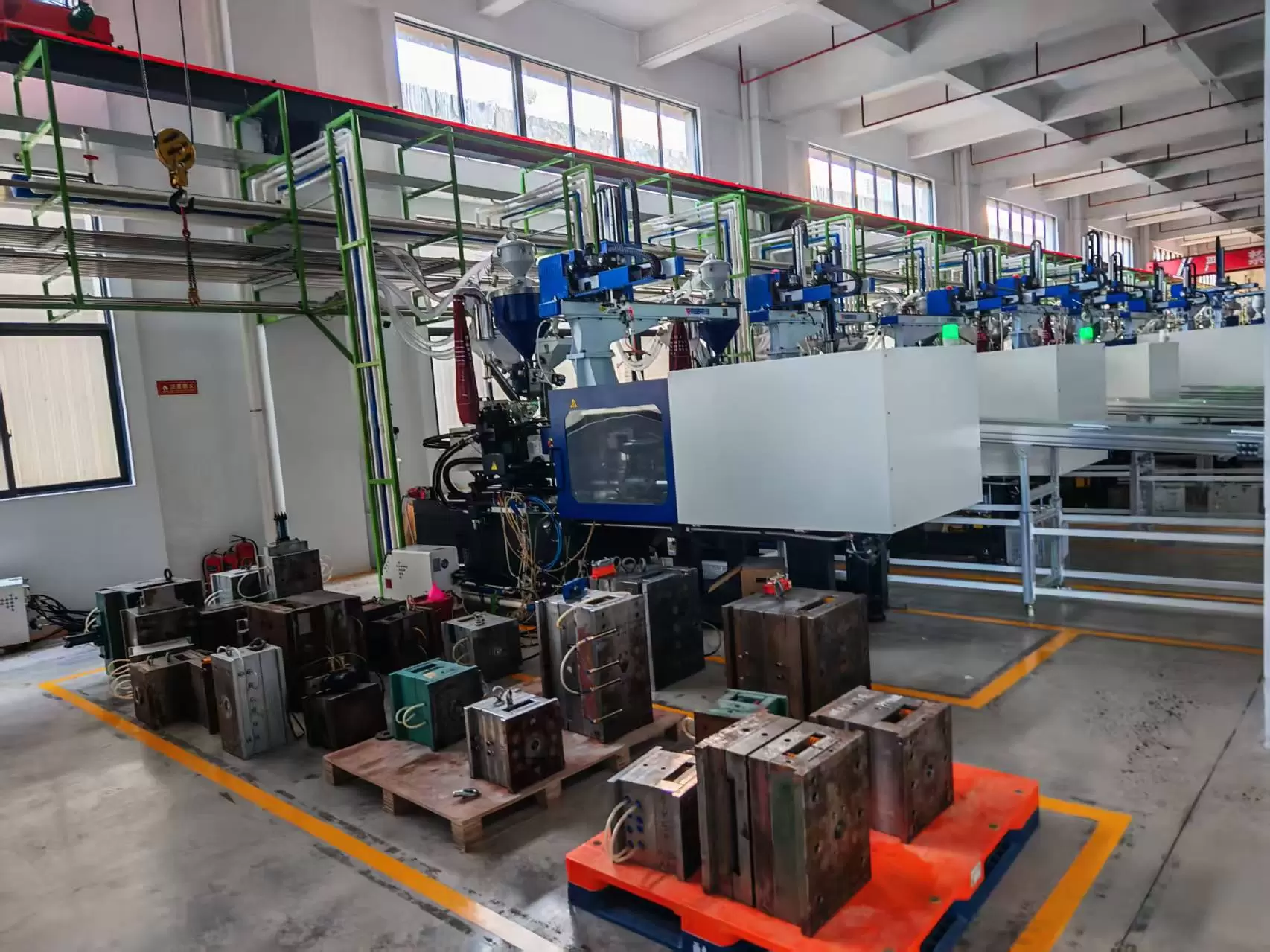
The mold is one of the most important assets in injection molding production. Its design directly affects part quality, cycle stability, dimensional consistency, and long-term production performance.
An OEM injection molding factory with experienced mold engineers can evaluate the product and mold together rather than treating them as separate projects.
Important considerations include:
These decisions need to match the product's functional and cosmetic requirements.
A good mold design should not only produce the first acceptable sample. It should support stable production over repeated molding cycles.
The biggest advantage of working with an integrated OEM or ODM manufacturer is often communication.
In a conventional development process, a company may work with one industrial design firm, another engineering company, a mold supplier, an injection molding factory, and several component suppliers. Every handoff creates another opportunity for information to be lost or interpreted differently.
An integrated manufacturing partner can reduce these handoffs.
SOGOOD was established in Shenzhen and has a team consisting of industrial designers, structural engineers, and mold engineers. Its team includes experienced professionals who participated in the design work of Motorola A1200 and A1600 products, while its industrial designers have received Red Dot Design Awards.
The company has supported customers across electronics, communications, automotive, medical, and other technology-related industries. Its customer experience includes global companies such as Qualcomm, ZTE, Lenovo, NEC, Han's Laser, Philips, Panasonic, Haier, Midea, ASUS, and TCL.
For customers developing a new plastic product, this combination of design and manufacturing experience can be useful when the project involves more than straightforward molding production.
A successful development process does not end when the first molded samples are approved.
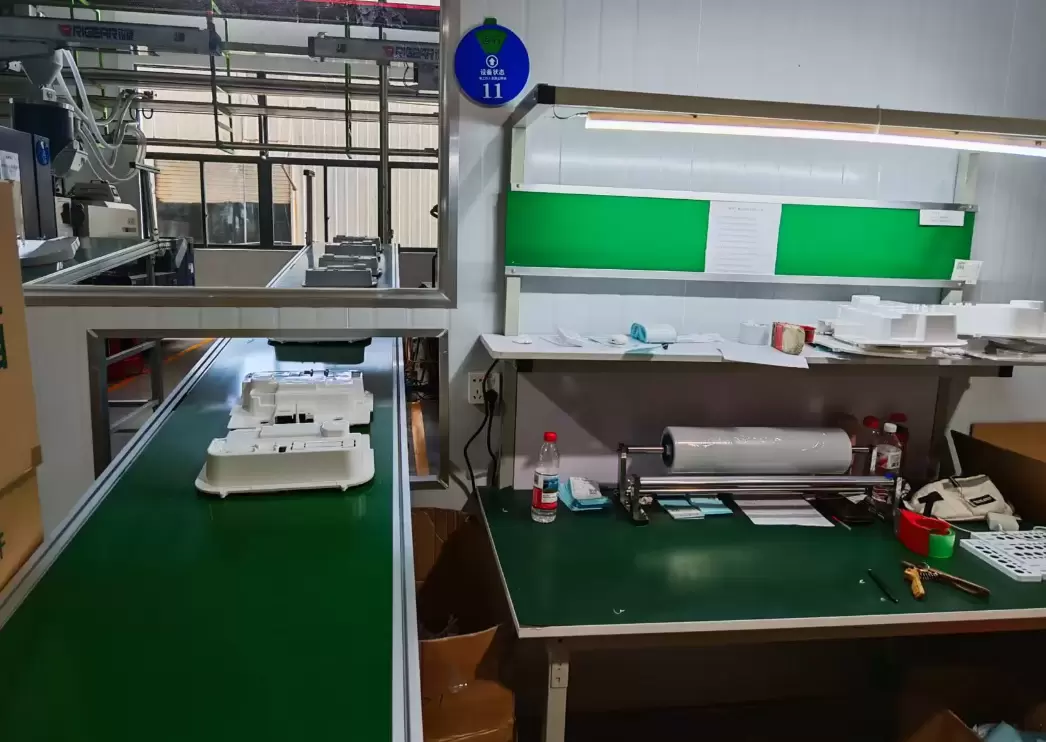
Once production begins, the manufacturer needs to maintain consistent molding conditions and product quality. Material control, dimensional inspection, appearance inspection, process monitoring, and quality documentation all contribute to production stability.
SOGOOD operates under a modern quality management system and has obtained ISO9001 certification. Its manufacturing capabilities are supported by engineers with extensive experience in metal nanomolding and CNC precision machining.
For OEM customers, this means quality requirements can be incorporated into the manufacturing process rather than handled only through final inspection.
When selecting an OEM injection molding factory, companies often focus on equipment, production capacity, or molding experience. These factors are important, but they are not the only considerations.
A stronger manufacturing partner should also be able to answer practical engineering questions:
Can the design be molded as intended?
Are the wall thicknesses appropriate?
Will the selected material meet the application's requirements?
Where should the gates be located?
Could the product develop warpage or sink marks?
How should the mold be designed for reliable production?
Can the plastic components work accurately with metal or electronic components?
Can thermal requirements be addressed during product development?
The answers to these questions can have a major impact on the final product.
For companies looking for an integrated manufacturing partner, SOGOOD provides a range of product design and engineering services. Customers can learn more through its OEM and ODM manufacturing services.
OEM injection molding factories can play a much larger role in custom plastic product development than simply producing molded parts.
The right partner can contribute to DFM, structural optimization, mold flow analysis, prototyping, mold engineering, precision machining, thermal design, quality control, and mass production. Bringing these capabilities together helps companies identify manufacturing problems earlier and create products that are easier to produce and assemble.
SOGOOD combines product design, mold engineering, CNC precision machining, metal nanomolding, mold flow analysis, and thermal simulation capabilities to support customers from early-stage development through manufacturing.
For businesses developing custom plastic housings, components, enclosures, or integrated hardware assemblies, choosing an OEM partner with strong engineering capabilities can make the development process more practical, coordinated, and production-ready.