What Makes a High-Quality Neck Massager Manufacturer Stand Out
Apr 20, 2026
Optical medical devices play a critical role in modern healthcare, supporting applications such as diagnostic imaging, surgical assistance, ophthalmology equipment, laboratory analysis, and patient monitoring. Behind the performance of these advanced devices is a precision-engineered enclosure that protects sensitive optical components, electronic systems, and mechanical assemblies.
For manufacturers of optical medical equipment, choosing the right CNC enclosure supplier is not only about machining capability. Medical device enclosures must meet strict requirements related to dimensional accuracy, material compatibility, cleanliness, durability, thermal control, and regulatory compliance. A professional CNC supplier must understand both precision manufacturing and the demanding expectations of the medical industry.
With years of experience in precision hardware manufacturing, SOGOOD provides integrated manufacturing services covering product design, thermal simulation design, precision hardware production, and thermal management solutions. The company focuses on developing and manufacturing enclosures, accessories, auxiliary materials, and heat dissipation components for industries including electronics, communication, automotive, medical, and artificial intelligence.
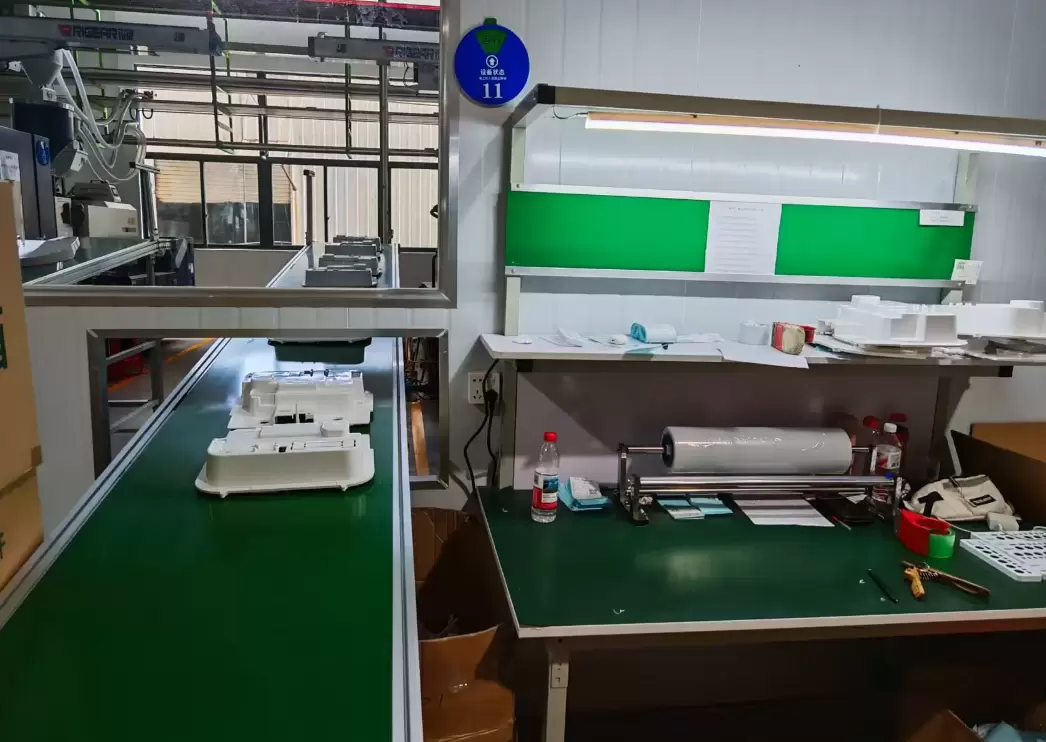
Optical medical devices often contain highly sensitive components such as lenses, sensors, lasers, imaging modules, and electronic control units. Even small manufacturing errors in the enclosure structure can affect equipment performance.
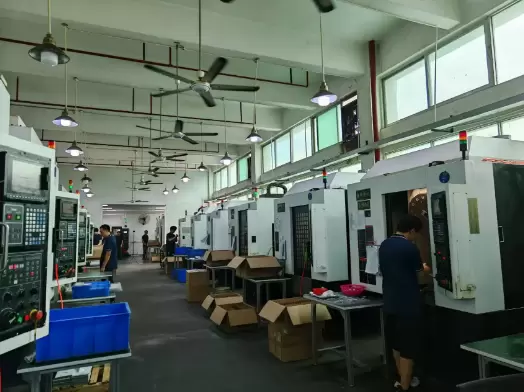
CNC machining allows suppliers to produce complex medical device housings with tight tolerances and consistent quality. Compared with traditional manufacturing methods, CNC machining provides several advantages:
For optical devices, enclosure precision directly affects alignment stability. A poorly manufactured housing may cause vibration, positioning errors, or optical path deviations, which can reduce measurement accuracy or imaging performance.
Professional CNC suppliers must therefore combine advanced equipment, engineering expertise, and strict quality control processes to meet medical manufacturing expectations.
Material selection is one of the most important steps in producing optical medical device enclosures. Medical equipment often operates in environments where durability, corrosion resistance, and hygiene are essential.
Common materials used for CNC medical enclosures include:
Aluminum is widely used because of its lightweight characteristics, excellent machinability, and good thermal conductivity. It is suitable for devices that require efficient heat dissipation, such as optical imaging systems and laser-based medical equipment.
Stainless steel provides excellent corrosion resistance and mechanical strength. It is often selected for medical equipment exposed to cleaning procedures or sterilization environments.
Titanium offers high strength, low weight, and excellent biocompatibility. Although more difficult to machine, it is valuable for specialized medical applications requiring advanced material performance.
A reliable CNC supplier must understand how different materials affect machining processes, surface treatments, thermal performance, and long-term reliability.
Medical device manufacturers operate under strict quality requirements because equipment reliability directly affects patient safety. CNC suppliers supporting the medical industry must establish comprehensive quality management systems.
SOGOOD follows international quality management standards and has achieved ISO9001 certification. Through standardized production processes, inspection procedures, and continuous improvement systems, the company helps customers maintain consistent product quality.
Key quality control practices for optical medical device enclosures include:
Medical components often require extremely accurate dimensions. CNC suppliers use advanced inspection equipment such as coordinate measuring machines (CMM), optical measurement systems, and precision gauges to verify critical dimensions.
Every important feature, including mounting holes, alignment structures, and interface areas, must meet engineering specifications before delivery.
Optical medical equipment often requires smooth and clean enclosure surfaces. Surface defects, machining marks, or contamination can affect product appearance and functionality.
Professional suppliers provide finishing processes such as anodizing, polishing, sandblasting, and special coatings to achieve the required surface performance.
Medical device manufacturers often require detailed material records. Reliable CNC suppliers maintain documentation regarding material sources, processing history, and inspection results to support product traceability.
A qualified optical medical device enclosure supplier should provide more than machining services. Early engineering support can reduce manufacturing risks and improve product performance.
SOGOOD provides one-stop manufacturing solutions from initial product design to final production. The company's engineering team includes experienced industrial designers, structural engineers, and mold engineers. Some core team members previously participated in the design work of Motorola A1200 and A1600 projects, bringing extensive experience in innovative product development.
During the product development stage, CNC suppliers can help customers optimize:
By identifying potential issues before production begins, suppliers help shorten development cycles and improve product reliability.
Many optical medical devices generate heat during operation due to processors, light sources, sensors, and electronic modules. Poor thermal management can reduce equipment lifespan and affect measurement accuracy.
SOGOOD specializes in thermal simulation design and heat dissipation solutions. Through thermal analysis during the design phase, engineers can evaluate heat distribution and optimize enclosure structures.
CNC-machined metal housings can also serve as part of the thermal management system. Aluminum enclosures, heat sinks, and integrated cooling structures help transfer heat away from critical components.
For advanced medical equipment, combining precision machining with thermal design provides a more reliable solution than treating the enclosure as a simple protective shell.
Medical companies often require customized enclosure solutions rather than standard products. OEM and ODM cooperation allows manufacturers to develop equipment that meets specific application requirements.
A capable CNC supplier should support the entire process, including:
SOGOOD welcomes OEM and ODM partnerships, providing customized engineering solutions based on customer requirements. Whether customers need a new enclosure design or improvements to an existing structure, professional manufacturing support can help transform concepts into production-ready products.
For examples of precision manufacturing capabilities and completed projects, customers can review SOGOOD’s previous work through this project portfolio:
https://www.sogoodprecision.com/project/
Modern medical device manufacturing increasingly requires lightweight, compact, and high-performance structures. Traditional machining alone may not always meet these challenges.
SOGOOD combines CNC precision machining with metal nano molding technology and mold flow analysis to support advanced product development. These technologies allow engineers to explore innovative structures while maintaining manufacturing reliability.
Metal nano molding technology helps integrate metal and other materials into compact components, making it suitable for applications requiring miniaturization and complex designs. Meanwhile, mold flow analysis helps optimize production processes and improve product consistency.
With experienced engineers who have more than 20 years of expertise in metal nano molding and CNC machining, SOGOOD provides technical support for customers developing next-generation medical equipment.
When selecting a CNC supplier for optical medical devices, manufacturers should evaluate several important factors:
Experience in medical, optical, or precision electronics industries indicates that a supplier understands strict quality requirements and technical challenges.
A supplier with strong design and engineering support can help improve product performance and reduce development risks.
International certifications and standardized inspection processes demonstrate a supplier’s commitment to reliable production.
Medical devices often require unique enclosure structures. Suppliers should have the flexibility to support customized OEM and ODM projects.
Medical product development requires continuous improvement and reliable cooperation. A supplier should provide stable communication, technical support, and manufacturing consistency.
Optical medical device enclosure CNC suppliers play an essential role in ensuring medical equipment reliability, precision, and safety. Meeting medical industry standards requires more than advanced machining equipment. It requires deep engineering knowledge, strict quality management, suitable material selection, and comprehensive manufacturing support.
With expertise in CNC precision machining, metal nano molding technology, thermal simulation design, and customized hardware solutions, SOGOOD helps medical equipment manufacturers develop high-quality enclosure solutions. From prototype development to production manufacturing, professional CNC suppliers provide the technical foundation needed to bring innovative medical products to market successfully.