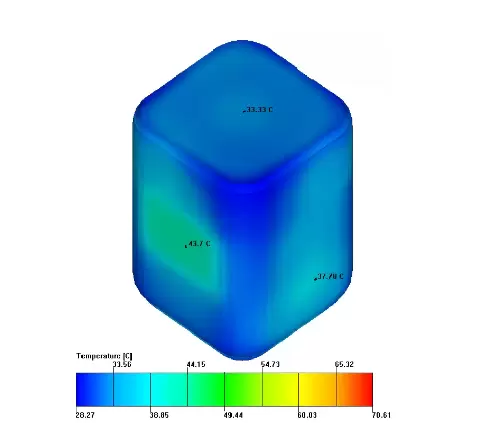
Turbine fan: Redefining portable cooling.
Apr 08, 2026
The global fitness equipment market continues to evolve as consumers seek compact, effective, and durable home workout products. Among these products, the ab wheel remains one of the most popular choices due to its simplicity, affordability, and effectiveness in strengthening the core. For distributors, fitness brands, wholesalers, and e-commerce sellers, selecting the right OEM or ODM manufacturing partner is often the difference between a successful product launch and costly quality issues.
Whether you're creating a private-label fitness brand or developing a completely new product, understanding how OEM and ODM manufacturing works can help reduce risks while improving product competitiveness. This guide explains what buyers should know before selecting an ab wheel manufacturer, from product development and engineering to quality control and long-term supply chain support.
For buyers looking for reliable custom manufacturing solutions, SOGOOD combines industrial design expertise, precision CNC machining, nano molding technology, and modern manufacturing capabilities to support projects from concept to mass production. You can explore their <a href="https://www.sogoodprecision.com/medical-products/ab-wheel.html">OEM Ab Wheel Manufacturing Solutions</a> to learn more about available customization options.
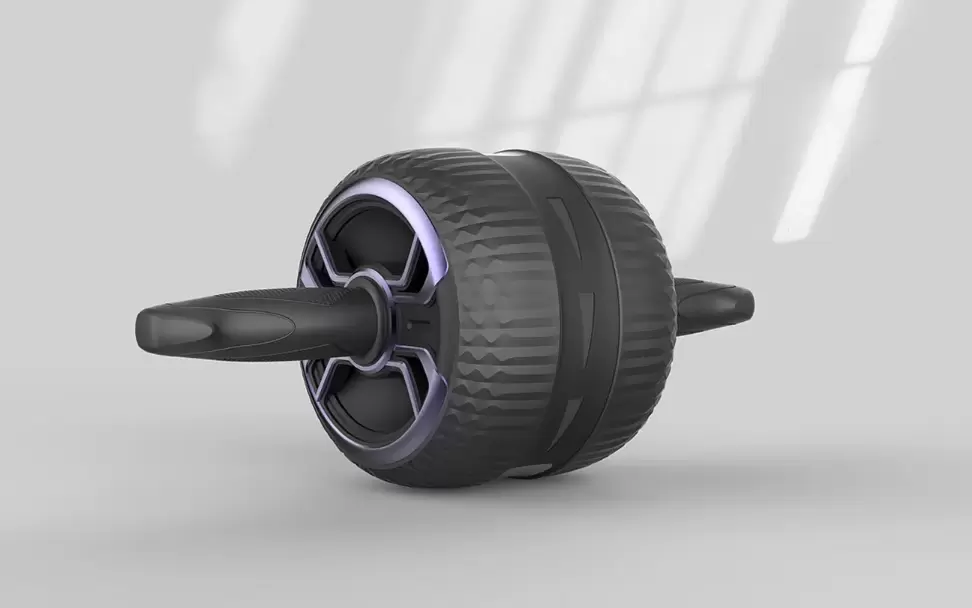
Although the terms are often used together, OEM and ODM represent two different manufacturing approaches.
OEM manufacturing allows buyers to provide their own product specifications while the factory produces the product according to those requirements.
Typical OEM projects include:
This option is suitable for established brands that already have product concepts or engineering drawings.
ODM manufacturing is ideal for companies that want to launch products quickly without investing heavily in product development.
The manufacturer already has mature product designs, while buyers can customize:
ODM significantly shortens development cycles and reduces engineering costs.
At first glance, an ab wheel appears to be a simple product. In reality, it experiences significant dynamic loads during every workout.
Users place nearly their entire body weight on the wheel while repeatedly rolling forward and backward. Any weakness in design or manufacturing may lead to:
High-quality manufacturing directly affects:
The wheel determines grip, stability, and durability.
Common materials include:
Premium manufacturers carefully balance hardness and flexibility to provide smooth rolling without excessive floor wear.
The bearing is the heart of every ab wheel.
High-quality bearings provide:
Inferior bearings often become rough after several months of use.
The internal shaft supports the user's weight.
Manufacturers should use:
Poor shaft quality may result in bending or instability during intensive exercise.
Comfort significantly influences user experience.
Important considerations include:
Industrial designers often optimize handle geometry using ergonomic studies rather than relying solely on appearance.
An ab wheel should remain stable throughout the entire movement.
Proper engineering minimizes:
This requires accurate mold design and precision manufacturing.
OEM and ODM manufacturers typically support various customization services.
Many brands package the ab wheel with:
Customized packaging helps improve perceived product value while strengthening brand identity.
Many buyers focus primarily on manufacturing capacity, but engineering support is equally important.
Experienced engineering teams can assist with:
This is especially valuable when developing innovative fitness products instead of simply copying existing market designs.
Modern fitness equipment increasingly benefits from advanced manufacturing technologies.
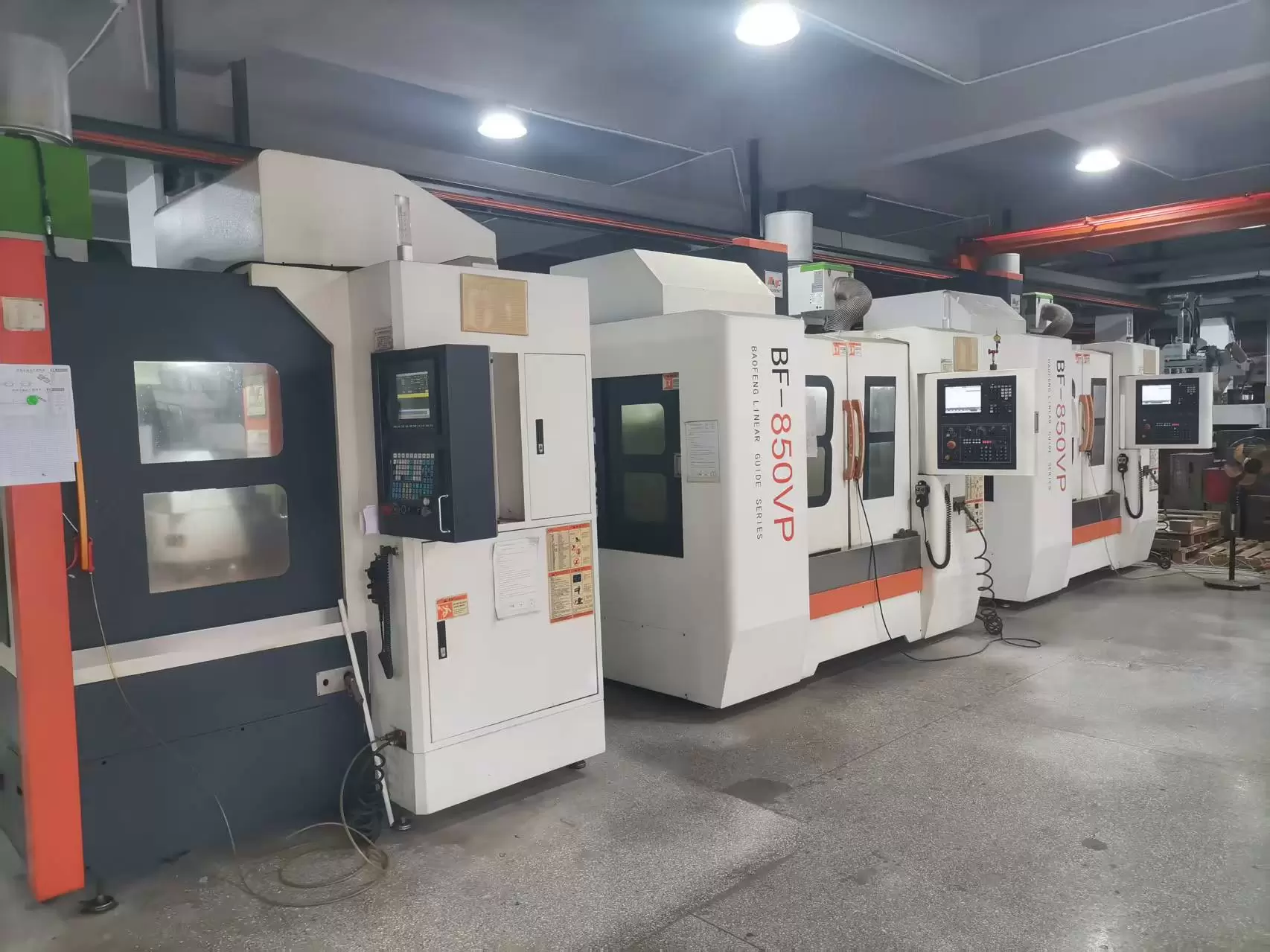
SOGOOD, established in Shenzhen, China's renowned "City of Design," provides one-stop manufacturing services covering product design, thermal engineering, precision hardware, and advanced manufacturing solutions. Although the company serves industries including electronics, communications, automotive, medical devices, and AI, its expertise in precision engineering is equally valuable for consumer products requiring consistent quality and durability.
Its core strengths include:
Founded by a team with deep industrial design expertise—including engineers who previously contributed to Motorola A1200 and A1600 product development—SOGOOD integrates design thinking with manufacturability. The company's experienced engineers, many of whom have more than 20 years of expertise in nano molding technology and CNC machining gained during their careers at BYD, help customers transform concepts into manufacturable products while minimizing production risks.
For buyers pursuing OEM or ODM projects, this combination of engineering capability and manufacturing experience helps shorten development cycles while improving production consistency.
Skipping prototype evaluation is one of the most common mistakes buyers make.
Prototype testing helps identify:
Several rounds of prototype optimization often prevent expensive production errors later.
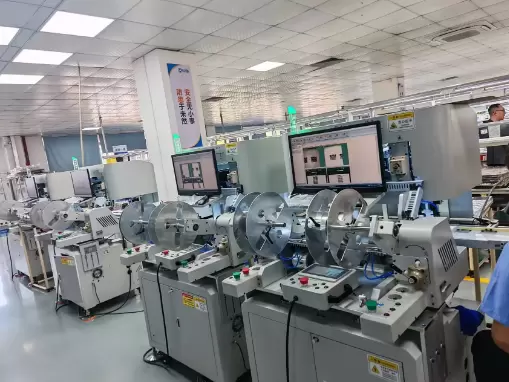
Reliable manufacturers implement quality control during every production stage rather than inspecting only finished products.
Typical quality procedures include:
Raw materials are checked for:
Production teams monitor:
Completed products undergo:
Manufacturers operating under ISO9001-certified quality management systems generally provide more consistent production processes and documented quality controls.
Product quality is only one part of successful manufacturing.
Buyers should also evaluate:
A stable manufacturing partner helps reduce supply disruptions during seasonal demand fluctuations.
Before selecting an OEM or ODM partner, consider asking:
These questions often reveal the manufacturer's true capabilities beyond marketing materials.
Successful OEM and ODM relationships extend beyond a single purchase order.
The best manufacturing partners contribute to:
As customer expectations evolve, manufacturers capable of supporting product iterations and design improvements become valuable long-term partners rather than simple suppliers.
SOGOOD exemplifies this collaborative approach by offering integrated services that span industrial design, structural engineering, CNC precision machining, nano molding technology, mold flow analysis, and manufacturing under an ISO9001-certified quality management system. Serving globally recognized companies such as Qualcomm, ZTE, Lenovo, NEC, Han's Laser, Philips, Panasonic, Haier, Midea, ASUS, and TCL has further strengthened its experience in delivering reliable engineering and production solutions. Whether customers choose products from its existing portfolio or require fully customized engineering solutions, SOGOOD welcomes OEM and ODM cooperation to help transform ideas into market-ready products.
The ab wheel may appear to be a straightforward fitness product, but producing a reliable, durable, and competitive version requires far more than basic assembly. Material selection, structural engineering, precision machining, ergonomic design, quality management, and manufacturing experience all play critical roles in the final product.
For buyers exploring OEM and ODM opportunities, choosing a manufacturer with comprehensive engineering capabilities and advanced production technologies can significantly reduce development risks while improving product quality and long-term market performance. By partnering with an experienced manufacturer that supports everything from concept development and prototyping to mass production and quality assurance, brands can build stronger products and create lasting value for their customers.