How Thermal Simulation Design Services Reduce Engineering Costs
Mar 11, 2026
In today’s highly competitive consumer electronics market, power banks have become an essential product category driven by mobile usage, outdoor activities, remote work, and fast-paced digital lifestyles. For brands, distributors, and startups, selecting the right manufacturing partner in China is not just a procurement decision—it is a long-term strategic investment that directly impacts product quality, brand reputation, and supply chain stability.
However, with thousands of suppliers in the market, the real challenge is not finding a power bank factory, but finding a reliable one capable of consistent quality, engineering strength, and scalable production. This article outlines a practical approach to identifying the right partner and building long-term cooperation.

Many buyers initially focus on pricing, but experienced procurement teams know that engineering capability determines long-term success. A reliable factory should demonstrate strong product development abilities, including circuit design support, structural optimization, and thermal performance validation.
This is especially important for power banks, where safety and efficiency depend heavily on internal heat management and battery integration design. A manufacturer with in-house engineering teams can help reduce failure rates and improve product lifespan.
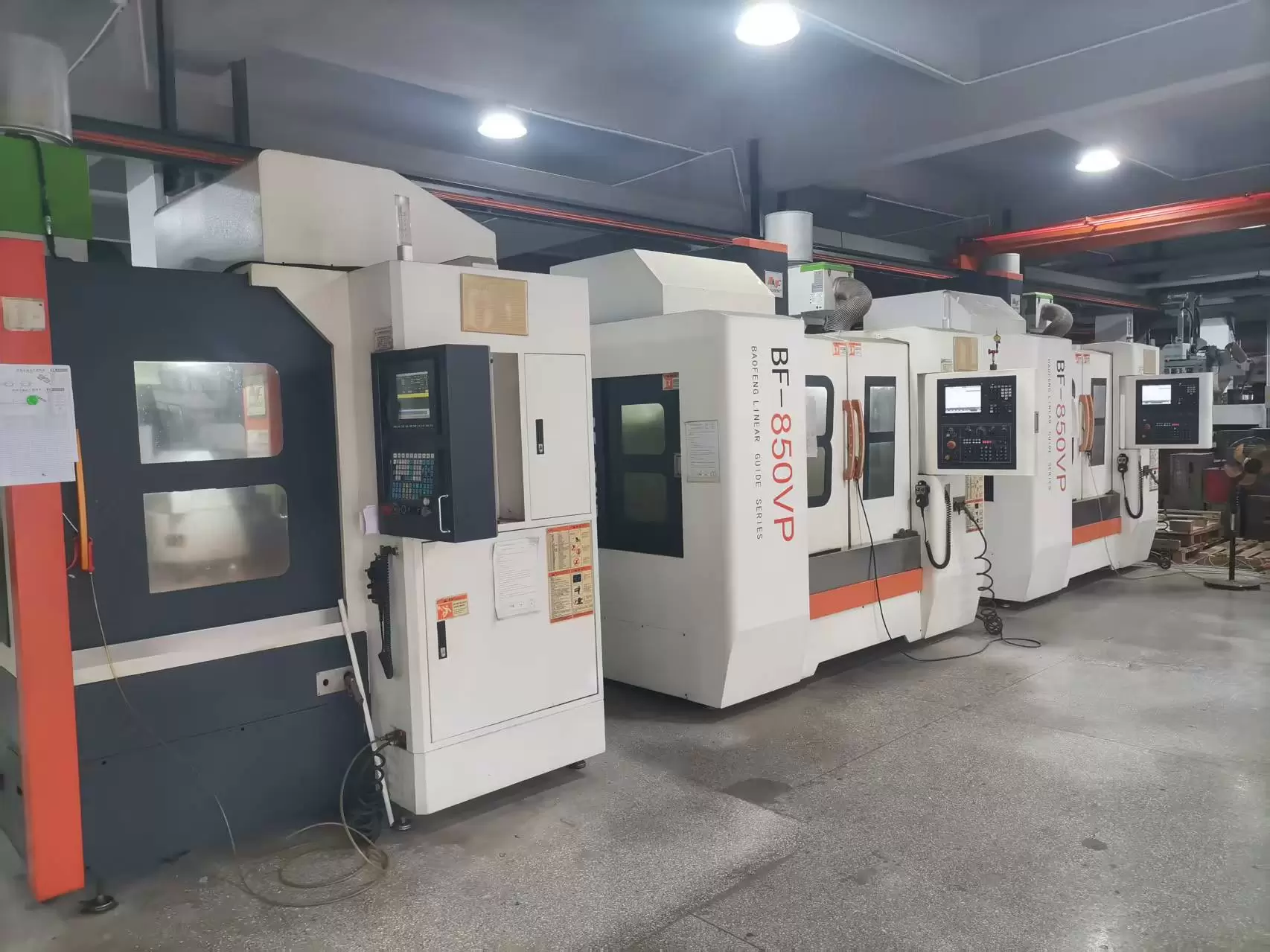
For example, companies like SOGOOD provide integrated engineering services, including product design, thermal simulation, and precision hardware development. With expertise in CNC machining and metal nano-molding technology, SOGOOD supports clients in transforming early concepts into manufacturable and market-ready products. Their engineering background, built from decades of experience in high-performance product design, ensures that structural and thermal challenges are addressed at the development stage rather than after production.
A reliable long-term partner must have a structured manufacturing system. This includes standardized production lines, quality inspection procedures, and traceability systems for key components such as lithium batteries, PCBs, and housing materials.
Certifications such as ISO9001 are essential indicators of quality control maturity. They reflect whether a factory follows internationally recognized management systems rather than relying on informal processes.
SOGOOD, for instance, implements a modern quality management system aligned with international standards. Their production process integrates precision CNC machining and nano-level metal forming technology, ensuring high consistency across batches. This level of manufacturing discipline is critical for brands that aim to maintain stable product performance across global markets.
The power bank market is no longer about generic products. Consumers expect fast charging, compact design, multi-device compatibility, and enhanced safety features. Therefore, OEM and ODM capability becomes a key factor when selecting a factory.
A strong R&D team should be able to support:
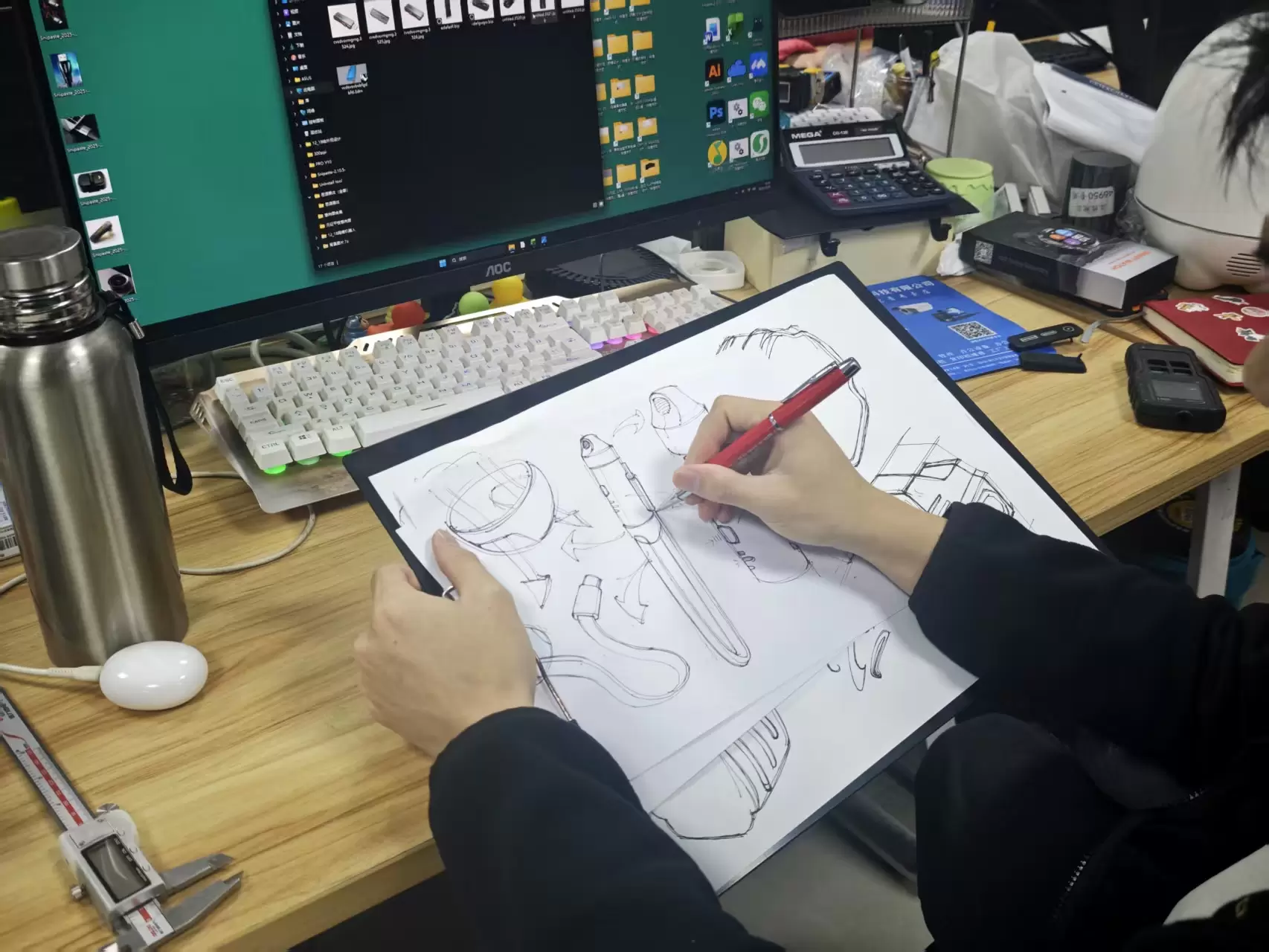
SOGOOD stands out in this area due to its strong industrial design and engineering heritage. Founded in Shenzhen, a global hub for product innovation, the company has a multidisciplinary team composed of industrial designers, structural engineers, and mold experts. Many core team members have experience from internationally recognized electronics design projects, including early Motorola device development programs.
Their design philosophy focuses on combining aesthetics with functional engineering, ensuring that power bank products are not only visually appealing but also structurally optimized for performance and durability.
A factory’s client portfolio often reflects its ability to meet international standards. Companies that have served global brands usually have stricter internal processes, better communication systems, and more mature supply chain management.
SOGOOD has collaborated with leading global companies across multiple industries, including telecommunications, consumer electronics, and home appliances. Their experience working with brands such as Qualcomm, Lenovo, Philips, Panasonic, Huawei, ASUS, and others demonstrates their ability to meet diverse technical requirements and compliance standards.
This kind of cross-industry experience is particularly valuable for power bank development, where regulatory compliance, safety standards, and market expectations vary across regions.
Power banks generate heat during charging and discharging cycles. Poor thermal design can lead to reduced efficiency, battery degradation, and safety risks. Therefore, thermal management capability is a critical evaluation factor when choosing a factory.
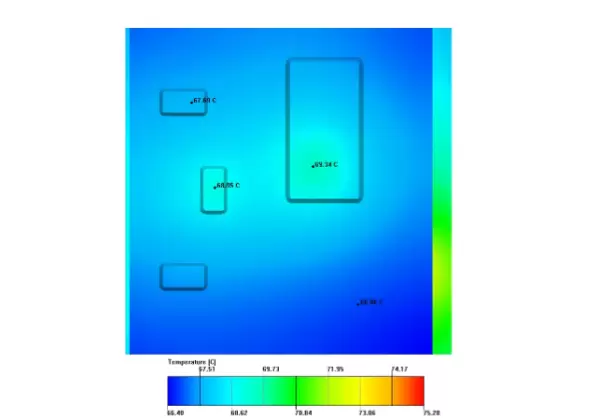
Advanced manufacturers invest in thermal simulation tools and structural optimization techniques to ensure safe heat dissipation. This is where engineering-driven companies have a clear advantage over purely assembly-focused suppliers.
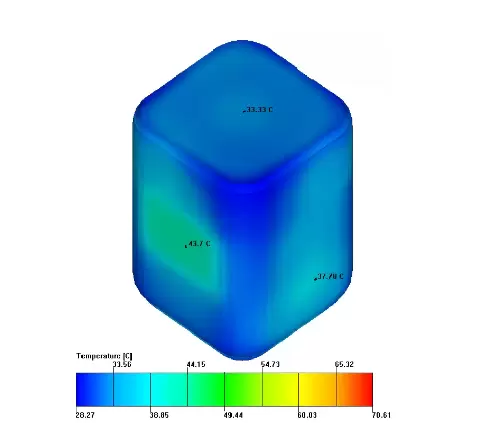
SOGOOD integrates thermal simulation into its product development workflow, ensuring that heat flow, material selection, and structural design are validated before mass production. Combined with precision CNC machining, this allows tighter tolerances and better heat control in compact power bank designs.
Long-term cooperation depends heavily on communication clarity and process transparency. A reliable factory should provide:
Factories that lack structured communication often lead to delays, inconsistent samples, and unpredictable production outcomes.
SOGOOD’s OEM/ODM process is designed to support end-to-end collaboration—from early concept discussion to final mass production. Clients can either select from existing engineering platforms or develop fully customized solutions tailored to specific market needs.
For companies looking to explore structured development options, their consumer electronics solution page provides detailed insights into their capabilities:power bank factory China.
A strong partnership is not only about current production but also about future scalability. As demand grows, the factory must be able to expand capacity without compromising quality.
Key indicators include:
SOGOOD’s manufacturing ecosystem is designed with scalability in mind. With strong CNC machining capacity and advanced material processing technologies, they can support both small-batch prototyping and large-scale production. This flexibility is crucial for brands transitioning from market entry to expansion stages.
Beyond technical capabilities, communication efficiency plays a decisive role in long-term cooperation. A good factory acts not just as a supplier but as an engineering partner.
This includes:
SOGOOD’s team structure emphasizes close collaboration between design engineers and clients. With a background rooted in industrial design excellence and precision engineering, they are able to bridge the gap between conceptual ideas and manufacturable solutions efficiently.
Finding a reliable power bank factory in China requires more than a simple supplier search. It demands a systematic evaluation of engineering strength, manufacturing capability, quality control systems, and long-term collaboration potential.
Factories like SOGOOD demonstrate how integrated design and manufacturing capabilities can significantly reduce development risks while improving product competitiveness. With expertise in CNC precision machining, nano-molding technology, and thermal simulation, they provide a strong foundation for brands aiming to build high-quality, market-ready power banks.
In a fast-evolving consumer electronics industry, choosing the right manufacturing partner is ultimately about building a stable innovation pipeline—not just producing a single product.