Thermal Simulation Solutions for Professional and Automotive Speaker Systems
Sep 09, 2026
Ab wheels may look like simple fitness tools, but producing a high-quality product requires a surprisingly complex blend of material engineering, precision manufacturing, structural design, and rigorous quality control. As consumer fitness expectations continue to rise, manufacturers must balance durability, safety, ergonomics, and performance in every component.
This article breaks down the key manufacturing processes behind premium ab wheels and explains how advanced engineering companies like SOGOOD enable brands to bring reliable, high-performance fitness products to market.
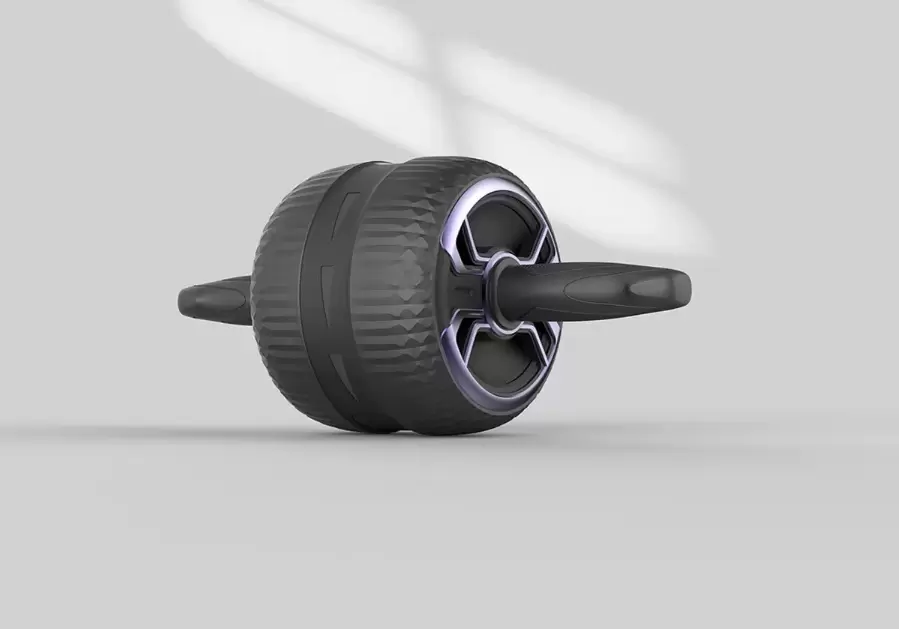
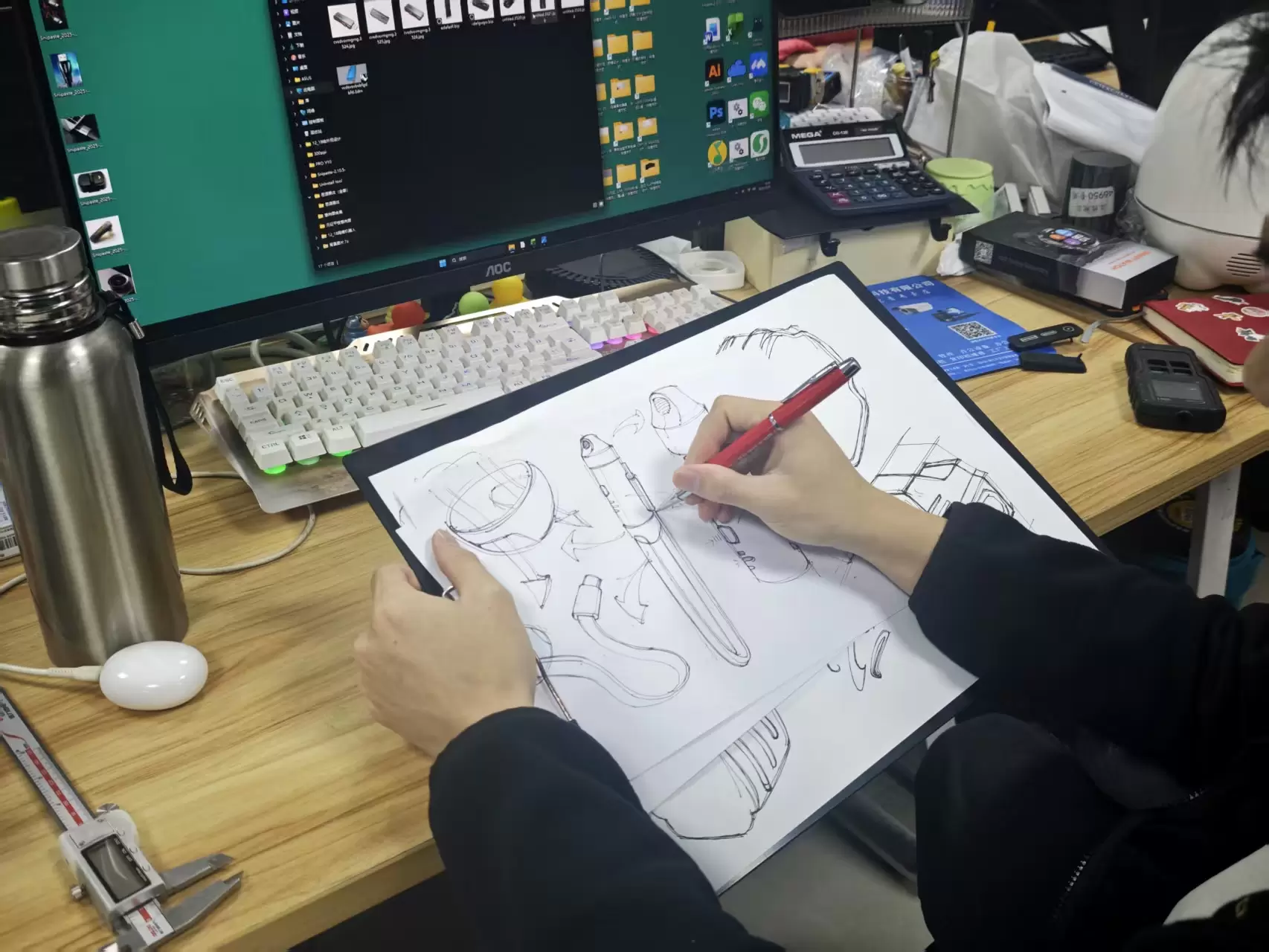
Every high-quality ab wheel begins with engineering design, not production.
Design teams must evaluate multiple performance factors:
At this stage, industrial designers and structural engineers work together to define geometry, material thickness, and internal reinforcement structures. Finite element analysis (FEA) is often used to simulate stress distribution under repeated bodyweight loads.
SOGOOD, a one-stop manufacturing solutions provider based in Shenzhen, applies advanced product development methods combining industrial design expertise with structural engineering insights. With a team experienced in consumer electronics, automotive, and precision hardware design, the company applies cross-industry engineering principles to fitness equipment development.
Material selection plays a critical role in determining the performance and lifespan of an ab wheel.
Common materials include:
Each material must satisfy strict requirements for tensile strength, wear resistance, and environmental stability. Poor material selection can lead to deformation, cracking, or instability during exercise.
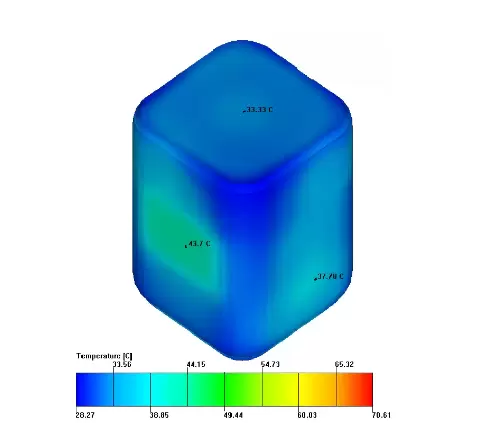
Manufacturers like SOGOOD emphasize material optimization using advanced simulation tools, including thermal and mechanical analysis. This ensures components maintain integrity even under repeated stress and varying environmental conditions.
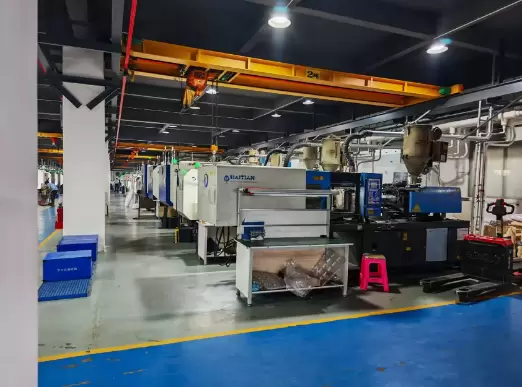
Injection molding is the most widely used process for producing ab wheel components, especially the wheel core and handle structures.
The process includes:
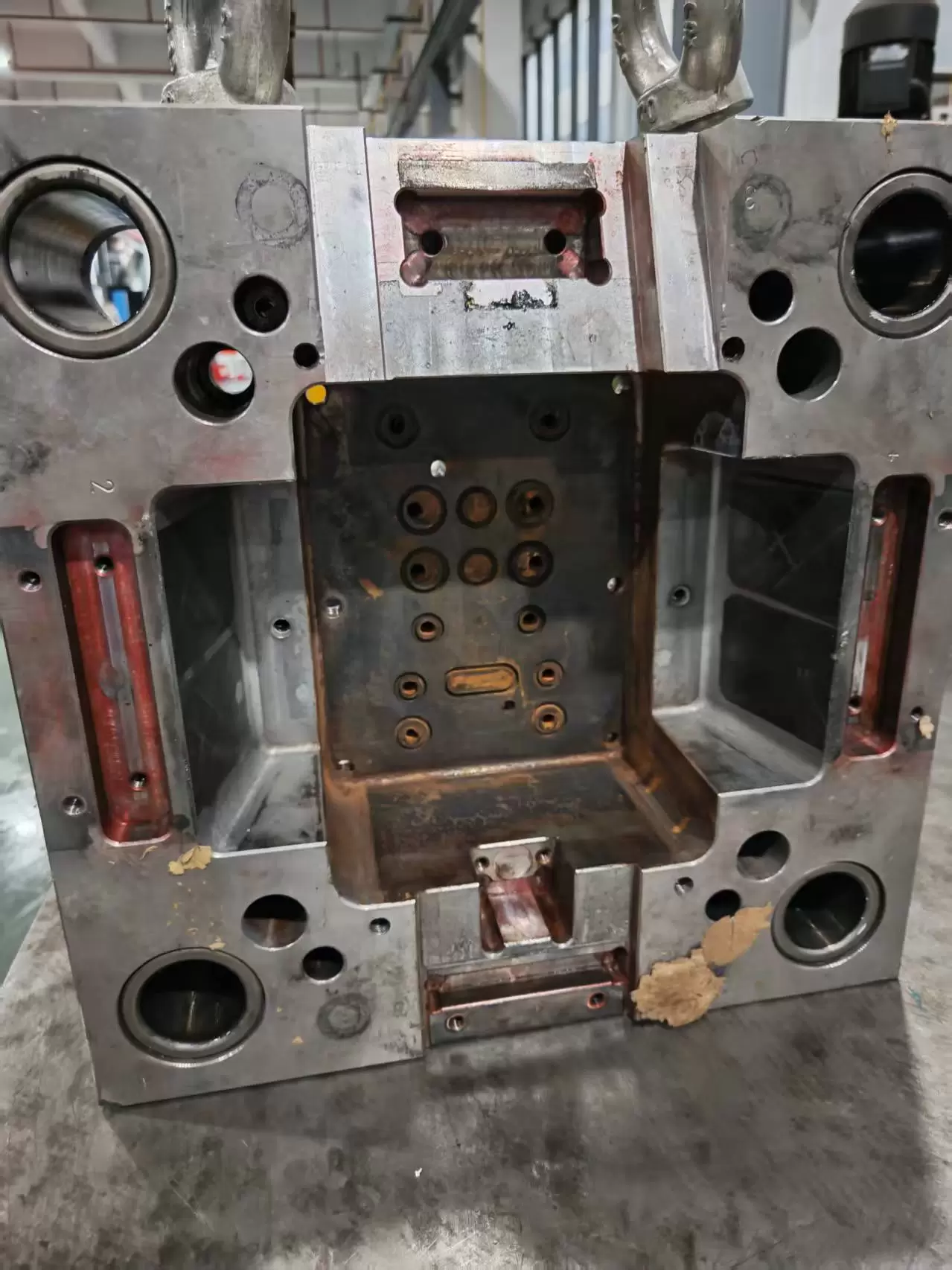
Engineers design precision steel molds that define the final product shape. Mold accuracy directly affects:
High-precision CNC machining is used to create molds with extremely tight tolerances. Even small deviations can result in vibration or uneven rolling.
Molten plastic is injected into the mold cavity under high pressure. After cooling, components are ejected and inspected.
SOGOOD’s expertise in CNC precision machining and nano-forming technology allows the company to achieve extremely tight dimensional accuracy. This is especially important for fitness equipment that relies on smooth rotation and stable load distribution.
While injection molding is suitable for large-volume plastic parts, CNC machining is essential for high-load components such as axles, connectors, and bearing housings.
CNC machining offers:
Axles in ab wheels must withstand repeated torsional stress and high vertical loads. Even minor misalignment can cause wobbling or uneven rolling resistance.
SOGOOD’s engineering team, with over 20 years of experience in CNC and metal nano-forming technologies, ensures that load-bearing components meet strict industrial standards. Their background in precision industries, including automotive systems and high-performance hardware, contributes to improved structural reliability.
Beyond structural integrity, user comfort and safety are equally important.
Surface treatment processes include:
Ergonomics also plays a central role in handle design. Handles must reduce wrist strain while maintaining firm grip control during high-intensity workouts.
Industrial designers refine these elements through iterative prototyping and user testing. Companies like SOGOOD, whose design team includes award-winning industrial designers, integrate aesthetics with functional engineering to create products that feel natural and secure in use.
The bearing system is the core of an ab wheel’s motion performance.
A high-quality ab wheel typically uses:
During assembly, bearings must be precisely aligned with the axle and wheel hub. Any misalignment can lead to vibration, noise, or uneven rolling resistance.
Performance testing is conducted to ensure:
Manufacturers like SOGOOD apply strict assembly controls and testing protocols to ensure consistent performance across production batches.
Quality control is one of the most critical stages in ab wheel manufacturing.
Standard testing procedures include:
SOGOOD implements a modern quality management system aligned with ISO9001 standards. Every component is inspected to ensure compliance with structural, dimensional, and safety requirements before shipment.
This systematic approach minimizes defects and ensures consistent product reliability in global markets.
Modern ab wheel production increasingly relies on advanced technologies such as:
SOGOOD integrates these technologies into its manufacturing ecosystem, enabling faster development cycles and higher engineering accuracy. Their experience across industries such as electronics, automotive, medical devices, and AI hardware allows them to bring a multidisciplinary approach to fitness equipment design.
The transition from prototype to mass production involves several validation steps:
Each step ensures that design intent is preserved during scaling. Without proper process control, even well-designed products can suffer from quality inconsistency in mass production.
SOGOOD supports OEM and ODM clients throughout this entire lifecycle, offering end-to-end services from concept design to final manufacturing.
A high-quality ab wheel is the result of coordinated engineering, not just simple assembly. Every component—from the wheel core to the bearing system—must be carefully designed, tested, and manufactured to ensure safety and performance.
By combining precision machining, advanced material science, and industrial design expertise, companies like SOGOOD help brands deliver fitness products that meet modern consumer expectations for durability, comfort, and reliability.
For more information about professionally engineered ab wheel solutions, visit:ab wheel manufacturer.