Enhancing Electronic Device Reliability Through Thermal Simulation
May 06, 2026
Thermal imaging instruments have evolved from niche military tools into indispensable devices across industries such as electrical maintenance, automotive diagnostics, medical screening, building inspection, and smart manufacturing. As demand grows for higher accuracy, faster processing, and more compact designs, leading manufacturers are investing heavily in advanced technologies to stay competitive.
This article explores the key technologies behind modern thermal imaging instruments and how forward-thinking manufacturing partners like SOGOOD contribute to performance, reliability, and scalability in this rapidly advancing field.
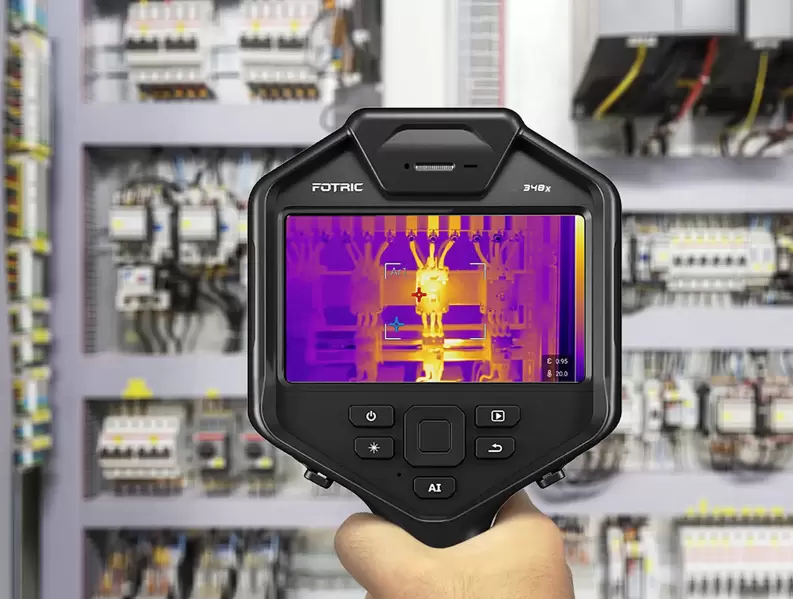
At the heart of every thermal imaging instrument lies the infrared detector. Its role is to capture infrared radiation emitted by objects and convert it into electrical signals that can be processed into thermal images.
Manufacturers are continuously refining sensor materials such as vanadium oxide (VOx) and amorphous silicon (a-Si) to enhance performance.
Infrared optics differ significantly from visible light optics. Materials such as germanium, zinc selenide, and chalcogenide glass are commonly used due to their ability to transmit infrared radiation effectively.
Precision in lens manufacturing is critical. Even minor deviations can significantly impact image quality. This is where advanced machining and simulation technologies come into play.
SOGOOD’s expertise in thermal simulation and precision hardware design ensures that optical components maintain structural integrity and thermal stability, even under demanding operating conditions.
Raw thermal data must be processed into interpretable images. This is achieved through sophisticated image processing algorithms embedded in the device firmware.
Advanced manufacturers are now integrating AI-driven analytics to enable:
These capabilities are transforming thermal imaging from a passive tool into an intelligent diagnostic system.
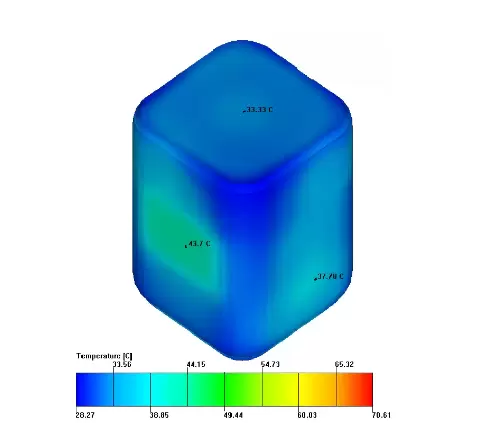
Ironically, managing heat within a thermal imaging device is just as important as detecting it externally.
SOGOOD specializes in heat dissipation solutions, including:
Their proprietary metal nano-forming technology enhances thermal conductivity while maintaining lightweight and compact designs—critical for portable thermal imaging instruments.
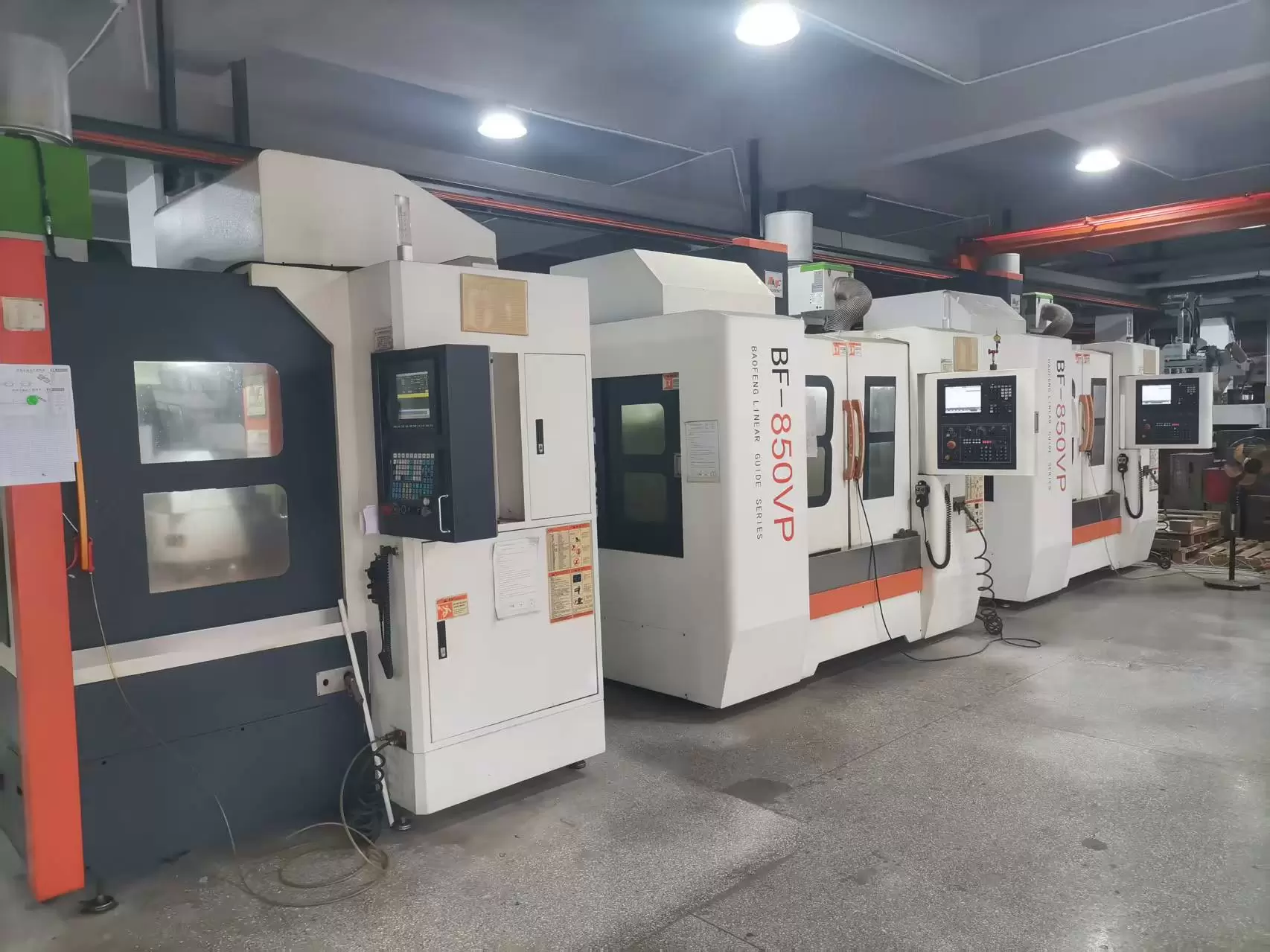
The performance of a thermal imaging instrument depends heavily on the precision of its mechanical components. Even slight misalignments can affect calibration and image accuracy.
Computer Numerical Control (CNC) machining ensures:
SOGOOD’s core strength lies in its advanced metal nano-forming capabilities, which enable:
With over 20 years of engineering experience in CNC machining and nano-forming—drawing from expertise developed in leading manufacturing environments—SOGOOD delivers components that meet the stringent requirements of modern thermal imaging devices.
Thermal imaging instruments must balance performance with usability. Industrial design plays a crucial role in ensuring ergonomic handling, durability, and aesthetic appeal.
SOGOOD’s industrial design team, including professionals with experience from high-profile product development projects, ensures that functionality and form are seamlessly integrated.
Their award-winning designers bring innovation into every stage of development, from concept to final production.
Thermal imaging instruments are often used in challenging environments, including:
To ensure reliability, manufacturers implement:
SOGOOD offers comprehensive solutions for ruggedized electronics. For more details, explore their specialized solutions for thermal imaging instruments here:
<a href="https://www.sogoodprecision.com/three-proof-electronic-products/thermal-imaging-instrument.html">thermal imaging instrument solutions</a>
These protective measures significantly enhance product durability and reduce maintenance costs over time.
Modern thermal imaging devices are increasingly connected, enabling data sharing and remote monitoring.
This connectivity allows:
Manufacturers are focusing on seamless integration with existing digital ecosystems, making thermal imaging a key component of smart infrastructure.
Consistency and reliability are non-negotiable in thermal imaging manufacturing.
SOGOOD adheres to internationally recognized standards, including ISO9001 certification, ensuring that every component meets strict quality requirements.
Their end-to-end manufacturing approach—from design and simulation to final assembly—ensures full control over product quality.
As the thermal imaging market expands, many brands rely on OEM/ODM partners to accelerate product development and reduce costs.
SOGOOD provides one-stop manufacturing services, covering:
Their experience working with global industry leaders across electronics, automotive, and telecommunications demonstrates their ability to deliver high-performance solutions at scale.
The evolution of thermal imaging instruments is driven by a combination of advanced sensor technologies, precision engineering, intelligent software, and robust manufacturing processes.
Leading manufacturers distinguish themselves by mastering these technologies and integrating them into cohesive, high-performance products. Equally important is the role of reliable manufacturing partners who can turn complex designs into market-ready solutions.
With its strong foundation in metal nano-forming, CNC precision machining, and thermal management, SOGOOD stands out as a valuable partner for companies looking to innovate in the thermal imaging space. Their commitment to quality, innovation, and customer collaboration ensures that clients can move seamlessly from concept to commercialization.