What a One-Stop Consumer Electronics Manufacturing Service Means for Global Brands
Feb 04, 2026
The consumer electronics industry is evolving faster than ever. From smart home devices and wearable technology to AI-powered communication tools, brands are under constant pressure to deliver products that are lighter, smarter, more durable, and faster to market. In this environment, traditional fragmented manufacturing models are no longer enough. Companies that rely on multiple disconnected suppliers often face delays, inconsistent quality, communication barriers, and rising development costs.
This is why one-stop manufacturing has become a major force reshaping the consumer electronics industry.
Instead of managing separate vendors for industrial design, structural engineering, prototyping, tooling, CNC machining, thermal solutions, and final production, brands are increasingly turning to integrated manufacturing partners capable of handling the entire product lifecycle under one roof.
For electronics companies competing in highly dynamic global markets, this shift is not simply about convenience. It is about speed, precision, scalability, and long-term competitiveness.
For many years, electronics companies operated through segmented supply chains. A product might be designed by one company, prototyped by another, manufactured by several factories, and assembled somewhere else entirely. While this model can work, it often creates significant operational friction.
Common challenges include:
These issues become even more serious in consumer electronics, where product tolerances are extremely tight and thermal performance, structural reliability, and appearance quality directly affect customer satisfaction.
For example, a small misalignment between industrial design and CNC machining specifications can delay an entire production schedule. Likewise, inadequate heat dissipation planning can reduce the lifespan of electronic components or negatively affect device performance.
As consumer expectations continue to rise, manufacturers must solve these challenges earlier and more efficiently.
One-stop manufacturing addresses these problems by integrating multiple production stages into a unified engineering and manufacturing system.
Instead of outsourcing each phase separately, companies work with a single manufacturing partner that coordinates:
This integration significantly improves communication efficiency and reduces the risk of errors between stages.
More importantly, it allows engineering teams to identify manufacturability challenges during the early design phase rather than after tooling or production has already started.
For consumer electronics brands, this means faster iterations, more reliable products, and smoother transitions from concept to mass production.
Speed is one of the most important competitive advantages in consumer electronics.
Markets change rapidly, and product lifecycles are becoming shorter every year. Companies that launch products late risk losing market share to faster competitors.
A one-stop manufacturing model accelerates development by reducing the delays caused by supplier coordination. Design teams, structural engineers, and production specialists can collaborate directly within the same workflow.
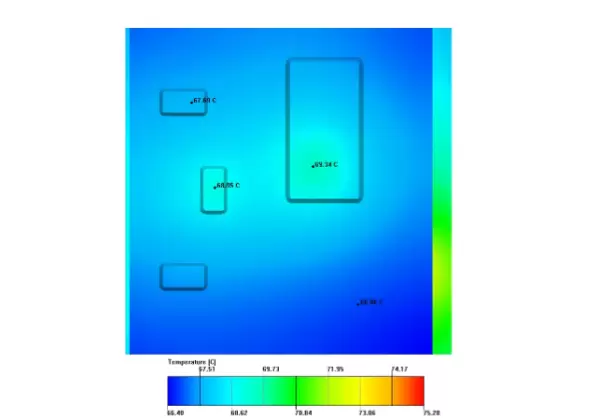
For example, when thermal simulation engineers work closely with hardware and enclosure designers, heat dissipation problems can be solved before prototypes are produced. This minimizes redesign costs and shortens development timelines.
SOGOOD has built its manufacturing capabilities around this integrated approach. The company provides comprehensive manufacturing services covering product design, thermal simulation design, precision hardware, and heat dissipation solutions for industries including electronics, telecommunications, automotive, medical devices, and artificial intelligence.
With expertise in metal nano molding technology and CNC precision machining, SOGOOD helps customers streamline development while maintaining high manufacturing accuracy.
As electronic devices become thinner and more powerful, thermal management has become a critical engineering challenge.
Smartphones, communication equipment, AI hardware, and compact industrial electronics all generate substantial heat during operation. Poor thermal performance can lead to reduced efficiency, instability, or shortened product lifespan.
This is why modern electronics manufacturers increasingly prioritize integrated thermal design from the beginning of product development.
One-stop manufacturers with in-house thermal simulation capabilities can optimize:
This integrated process reduces the need for repeated modifications later in development.
SOGOOD specializes in precision heat dissipation solutions and advanced structural engineering. By combining thermal simulation with CNC machining and metal nano molding technologies, the company supports high-performance electronic products that require both compact structures and reliable thermal stability.
Consumer electronics demand extremely high precision.
Whether manufacturing smartphone frames, wearable device housings, communication equipment enclosures, or AI hardware components, even small dimensional inconsistencies can affect product functionality and assembly quality.
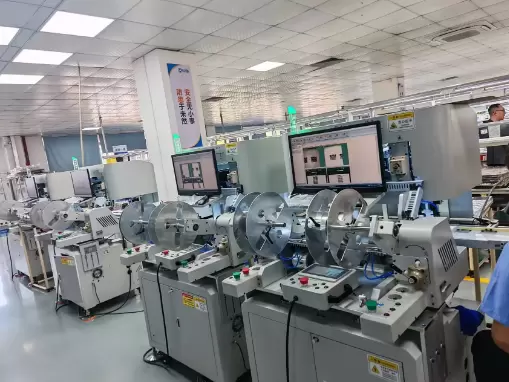
Precision CNC machining has become essential for achieving the complex geometries and tight tolerances required by modern electronics products.
SOGOOD’s engineering team brings extensive experience in nano molding technology and CNC precision machining. Many of its senior engineers have more than 20 years of industry experience gained from their work at BYD, contributing deep expertise in advanced manufacturing processes.
This level of precision manufacturing is especially important for products requiring:
Integrated manufacturing partners that control these processes internally are better equipped to maintain consistent quality throughout production.
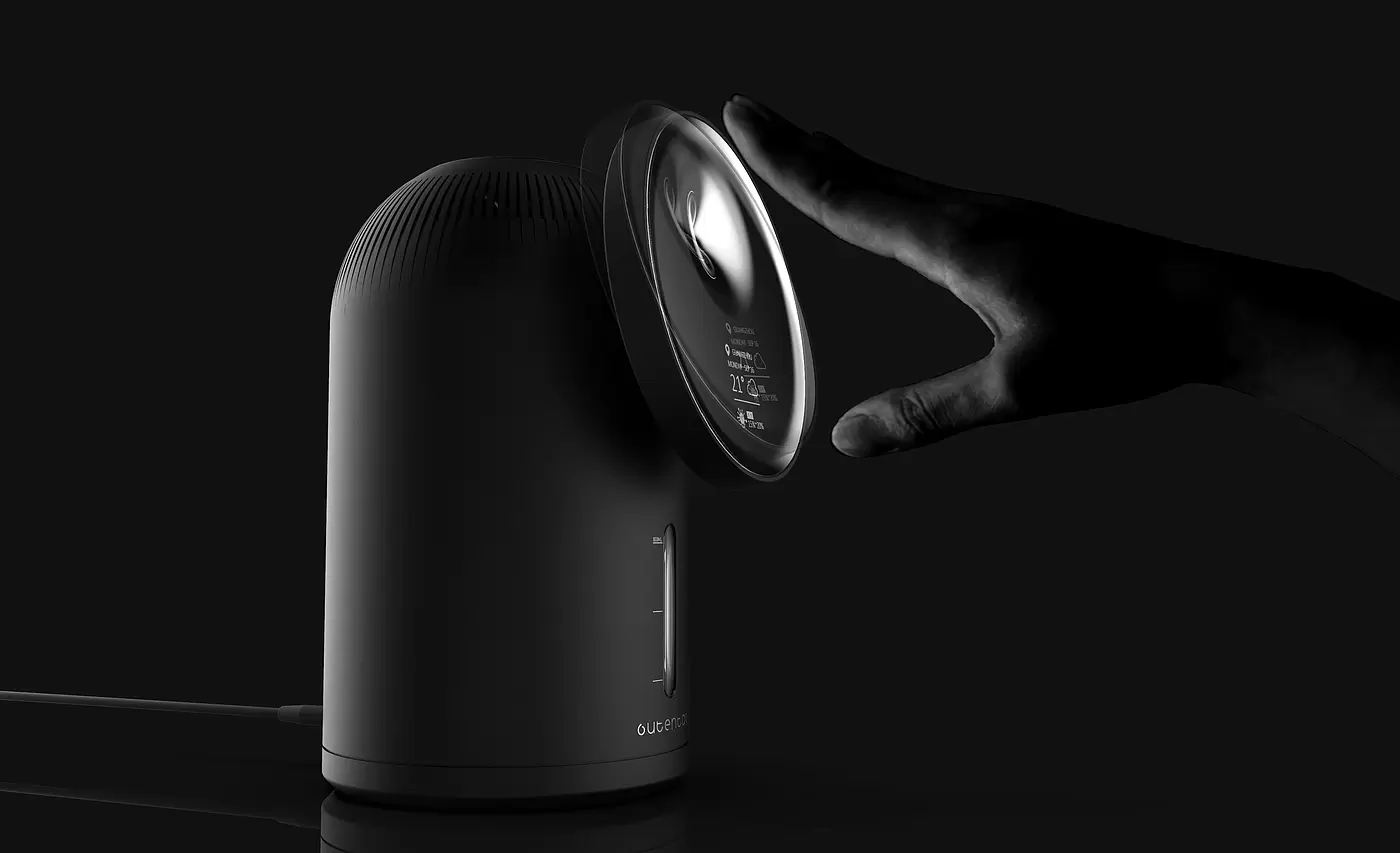
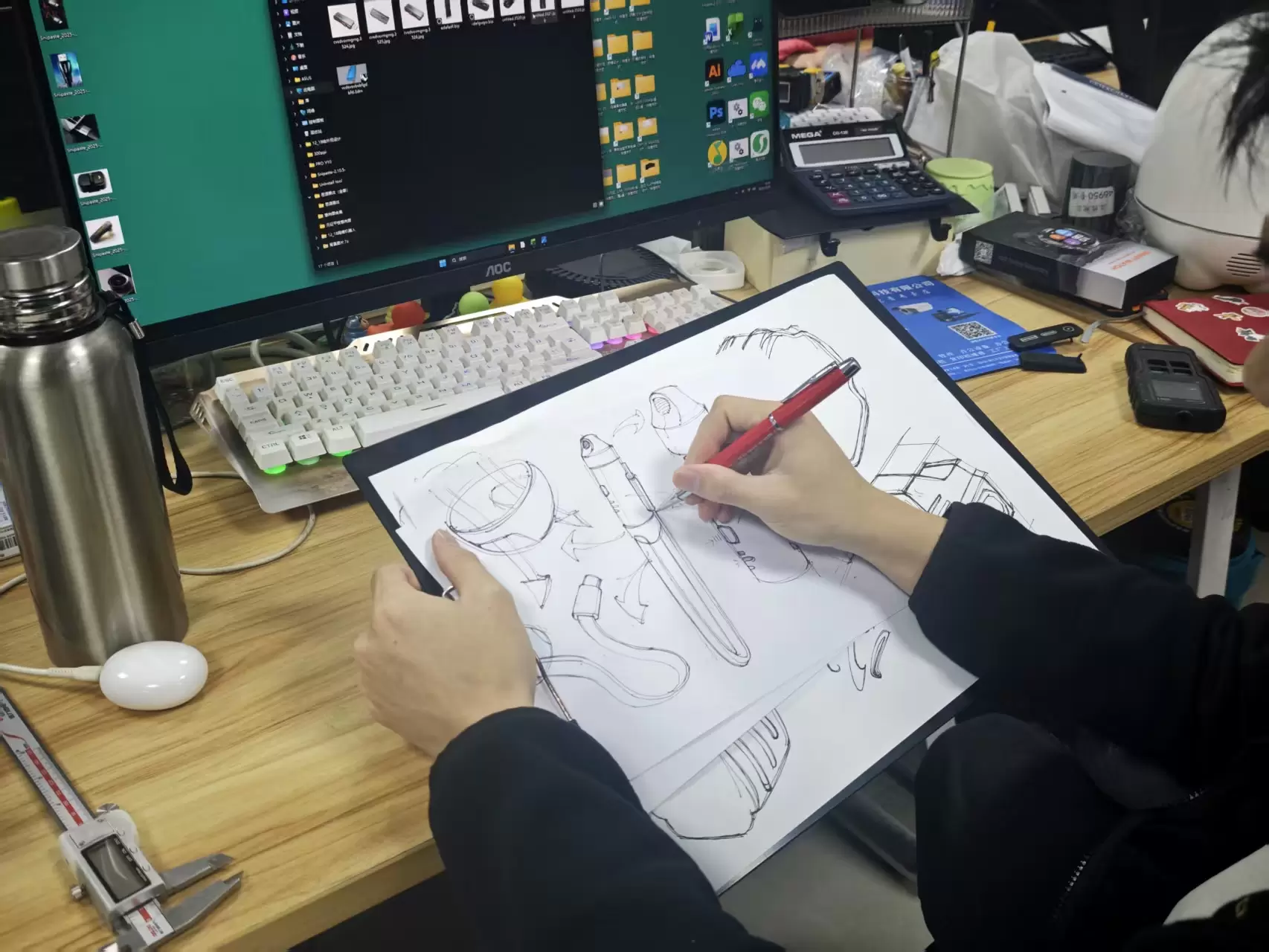
One of the biggest advantages of one-stop manufacturing is the close alignment between industrial design and manufacturing feasibility.
In traditional manufacturing systems, designers often create concepts without fully understanding tooling limitations or production constraints. This can result in designs that are difficult or expensive to manufacture.
Integrated manufacturers solve this problem by involving engineering and production teams early in the design process.
SOGOOD’s team includes experienced industrial designers, structural engineers, and mold engineers with strong innovation backgrounds. Core members participated in the design development of Motorola A1200 and A1600 mobile phones, products widely recognized for their industrial design excellence.
This combination of design creativity and manufacturing practicality allows products to move more efficiently from concept to commercial production.
The company’s industrial designers have also received the Red Dot Design Award, reflecting strong capabilities in both aesthetics and functional product design.
Managing product quality across multiple external suppliers is challenging. Every handoff introduces additional risks.
One-stop manufacturing improves quality consistency because production stages are connected through unified standards and internal quality systems.
Instead of resolving problems after assembly, manufacturers can monitor quality throughout:
SOGOOD implements a modern quality management system aligned with international standards, and its products are certified under ISO9001 requirements.
For electronics brands, this level of quality management is especially valuable when scaling products for global markets.
Consumer electronics companies have different manufacturing needs depending on their business model.
Some brands require OEM production based on existing specifications, while others need ODM support involving product customization, engineering optimization, or complete product development.
One-stop manufacturers are well positioned to support both approaches because they can integrate engineering, prototyping, and manufacturing resources more efficiently.
SOGOOD welcomes both OEM and ODM cooperation. Whether customers select from existing manufacturing capabilities or require customized engineering solutions, the company supports flexible collaboration tailored to different project requirements.
For startups and established global brands alike, this flexibility reduces development barriers and improves manufacturing scalability.
Today’s leading technology companies expect manufacturing partners to contribute more than production capacity alone.
They want suppliers capable of:
SOGOOD has supported globally recognized companies including Qualcomm, ZTE, Lenovo, NEC, Han’s Laser, Philips, Panasonic, Haier, Midea, ASUS, and TCL.
This experience demonstrates how integrated manufacturing capabilities have become increasingly important in advanced electronics supply chains.
As products continue evolving toward AI integration, intelligent connectivity, and miniaturized hardware, manufacturing complexity will only increase further.
The future of consumer electronics manufacturing will depend heavily on integration, engineering efficiency, and advanced precision technologies.
Companies can no longer afford slow communication cycles or fragmented production systems. The demand for faster innovation, shorter lead times, and more reliable products is driving manufacturers toward fully integrated solutions.
One-stop manufacturing enables companies to simplify supply chains while improving collaboration between design, engineering, and production.
Manufacturers that combine industrial design expertise, thermal engineering, precision CNC machining, and scalable production capabilities will continue playing a critical role in the next generation of consumer electronics innovation.
For brands seeking long-term competitiveness, choosing the right integrated manufacturing partner is becoming as important as the product idea itself.<a href="https://www.sogoodprecision.com/project/">One-Stop Manufacturing Solutions</a>