Key Process Factors in CNC Precision Machining of Aluminum Alloys
Dec 19, 2025
China has become one of the world's leading destinations for plastic mold manufacturing. From consumer electronics and automotive components to medical devices and industrial equipment, companies across the globe rely on Chinese mold suppliers to support product development and mass production.
However, sourcing plastic molds from China involves much more than sending a CAD file and waiting for finished parts. Understanding the mold development process, supplier capabilities, quality control systems, communication practices, and production support services can significantly improve project outcomes.
This article explores what buyers should realistically expect when sourcing plastic molds from China and how to choose a manufacturing partner that can support long-term product success.
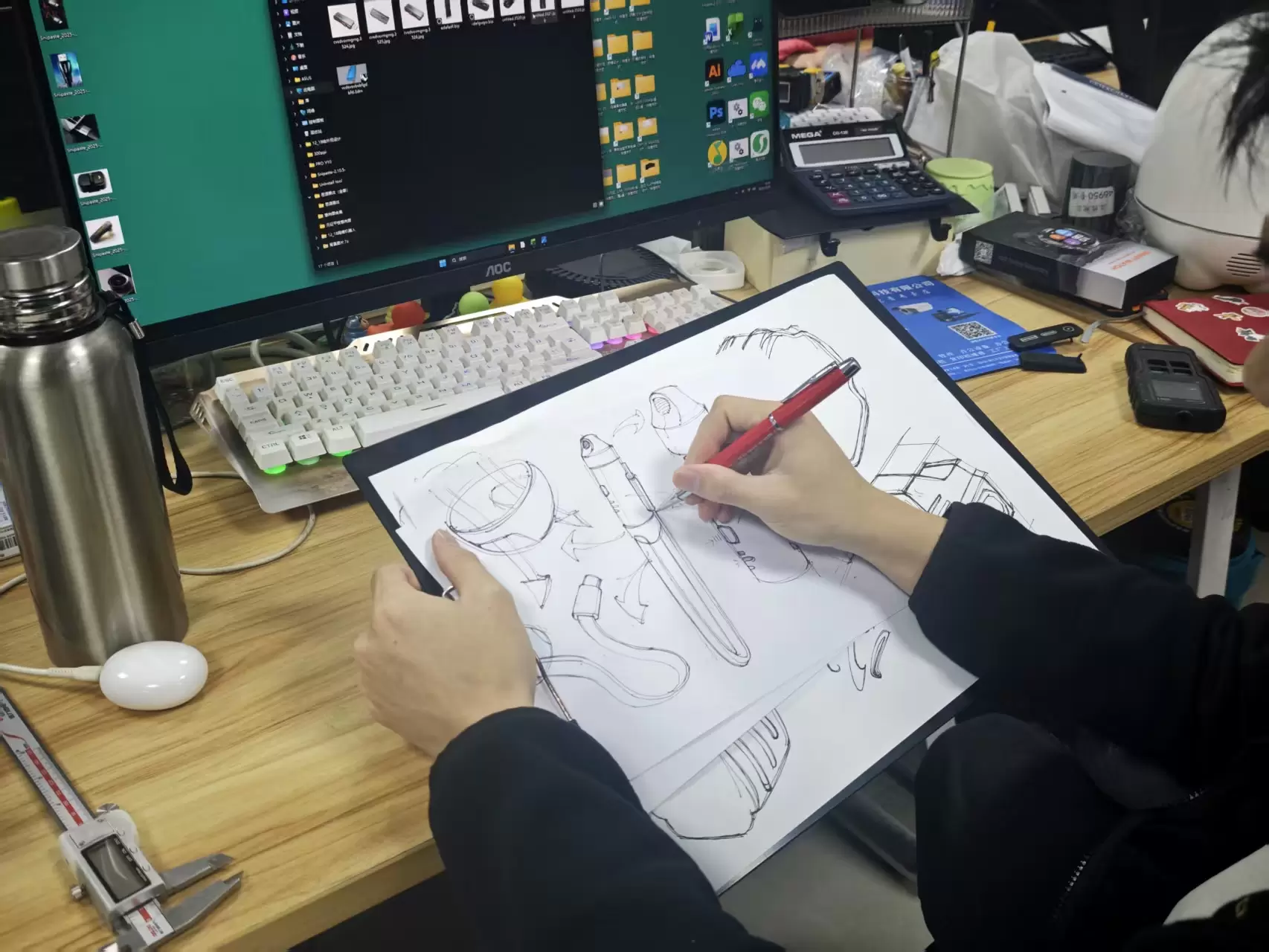
Over the past two decades, China's manufacturing ecosystem has evolved into a highly integrated supply chain capable of supporting nearly every stage of product development.
Today, mold manufacturers in China offer:
This integrated approach helps reduce development cycles and allows customers to move from concept to production more efficiently.
For businesses developing complex products, working with a supplier that combines engineering expertise with manufacturing capabilities often delivers better results than coordinating multiple vendors.
One common misconception is that mold quotations are based solely on part size.
In reality, experienced mold manufacturers evaluate multiple factors before providing a quotation, including:
A professional supplier will typically request:
The more information provided during the RFQ stage, the more accurate the project assessment will be.
Successful injection molding begins with proper mold design.
Many product defects can be traced back to design decisions made before manufacturing even starts. Common issues include:
Before steel cutting begins, reputable mold suppliers perform detailed engineering reviews to identify potential manufacturing risks.
At SOGOOD, engineering teams frequently conduct mold flow analysis and structural evaluations during product development. This allows potential issues to be discovered and corrected early, reducing modification costs later in the project.
As a company specializing in product design, thermal simulation design, precision hardware manufacturing, and heat dissipation solutions, SOGOOD integrates engineering validation into the development process to improve manufacturability and long-term product reliability.
For companies seeking end-to-end manufacturing support, detailed service information can be found here:
<a href="https://www.sogoodprecision.com/service/">one-stop manufacturing services</a>
Many overseas buyers are surprised to learn that mold projects often require multiple engineering reviews before production begins.
Typical discussions may involve:
Proper draft angles help parts eject smoothly from the mold and reduce wear on tooling.
Uniform wall thickness improves material flow and minimizes deformation.
Gate placement directly affects cosmetic appearance and filling performance.
Different plastics exhibit unique shrinkage rates, strength characteristics, and thermal behavior.
Experienced suppliers will often suggest design modifications that improve production efficiency without compromising functionality.
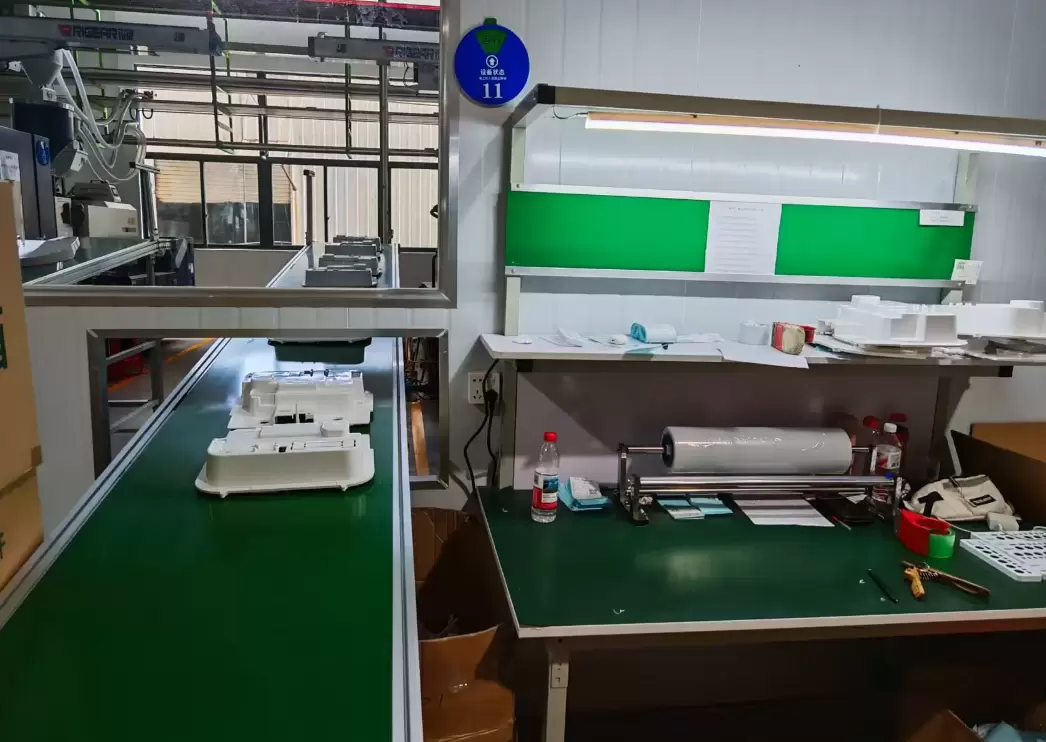
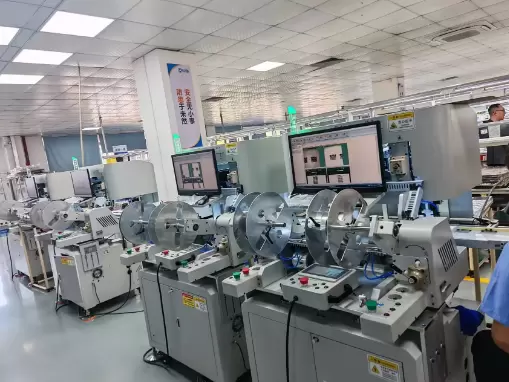
Modern mold fabrication depends on advanced manufacturing technologies.
Common equipment includes:
The precision of these systems directly influences mold lifespan and part consistency.
Manufacturers serving industries such as automotive, medical, telecommunications, and electronics generally invest heavily in equipment and process control to maintain repeatable quality standards.
After mold fabrication is completed, the supplier typically performs a trial production run known as a T1 test.
During this stage, sample parts are evaluated for:
Most projects require adjustments after T1 testing.
This should not be viewed as a problem. Instead, it is a normal part of mold validation.
Depending on product complexity, several optimization rounds may occur before final approval.
Buyers should allocate sufficient time for sampling and validation rather than expecting immediate production readiness.
One of the most important factors in overseas sourcing is communication.
A technically capable supplier with poor communication can create significant delays.
Professional mold manufacturers typically provide:
Clear communication helps ensure alignment between engineering expectations and manufacturing execution.
Companies with international project experience are often better equipped to support global customers because they understand documentation requirements, quality expectations, and project management standards.
When evaluating suppliers, buyers should focus on actual quality systems rather than promotional materials.
Important indicators include:
At SOGOOD, quality management follows international standards, and products are manufactured under an ISO9001-certified quality system. This structured approach helps maintain consistency across development, mold manufacturing, machining, and production processes.
Many businesses initially focus only on mold manufacturing costs.
However, engineering support often has a much greater impact on total project success.
An experienced engineering team can help optimize:
SOGOOD's engineering capabilities stem from years of expertise in metal nano molding technology, CNC precision machining, and simulation-driven product development.
Founded in Shenzhen, China's renowned "City of Design," the company brings together industrial designers, structural engineers, and mold specialists with extensive industry experience. Core team members previously participated in the development of well-known Motorola products, while the company's industrial designers have received internationally recognized Red Dot Design Awards.
This engineering foundation enables customers to address technical challenges early rather than reacting to manufacturing problems later.
Many modern products require additional services beyond mold fabrication.
Examples include:
Working with a supplier capable of providing integrated manufacturing services can reduce supplier management complexity and improve project coordination.
This is particularly valuable for industries such as:
Integrated production capabilities help ensure that all components work together efficiently during final assembly.
Sourcing plastic molds from China can provide significant advantages when managed correctly. Success depends on selecting a supplier that offers more than manufacturing capacity alone.
The best partners contribute engineering expertise, design optimization, quality assurance, project management, and long-term production support.
When evaluating suppliers, buyers should look beyond equipment lists and quotations. Strong communication, proven engineering experience, quality management systems, and integrated manufacturing capabilities often determine whether a project reaches the market smoothly and successfully.
For companies seeking a reliable partner, working with a manufacturer that combines product design, mold development, CNC precision machining, thermal simulation, and production services under one roof can streamline development and reduce risk throughout the entire product lifecycle.