Metal Nano Molding Process: Enabling High-Precision Micro-Metal Components
Jan 07, 2026
The global market for fascia guns, also known as massage guns or percussion therapy devices, has grown rapidly over the past few years. Originally popular among professional athletes and physiotherapists, these devices have become mainstream products used by fitness enthusiasts, office workers, rehabilitation clinics, and wellness brands. As competition intensifies, choosing the right OEM manufacturer has become one of the most important decisions for companies looking to launch or expand their own fascia gun product line.
A reliable OEM partner does far more than manufacture products. The best manufacturers contribute to product design, engineering optimization, quality assurance, supply chain management, and continuous product improvement. They help brands shorten development cycles while ensuring consistent quality and market competitiveness.
If you're evaluating potential manufacturing partners, here are the most important features to look for in a fascia gun OEM manufacturer.
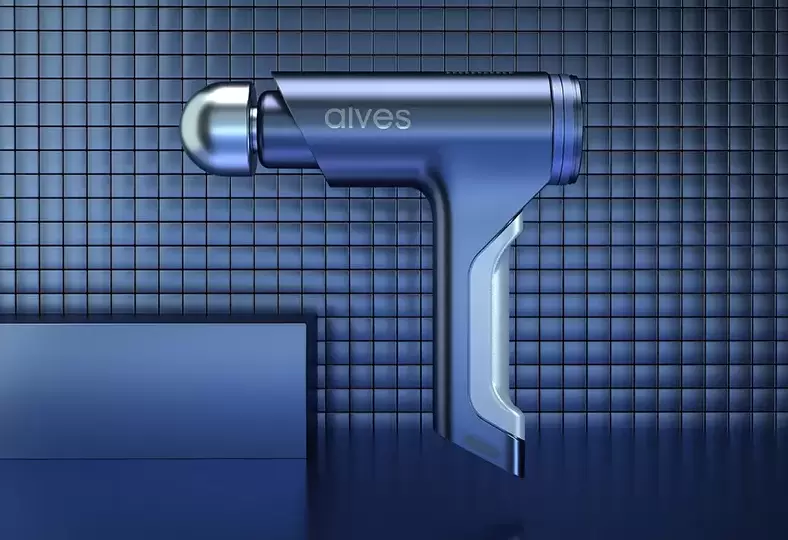
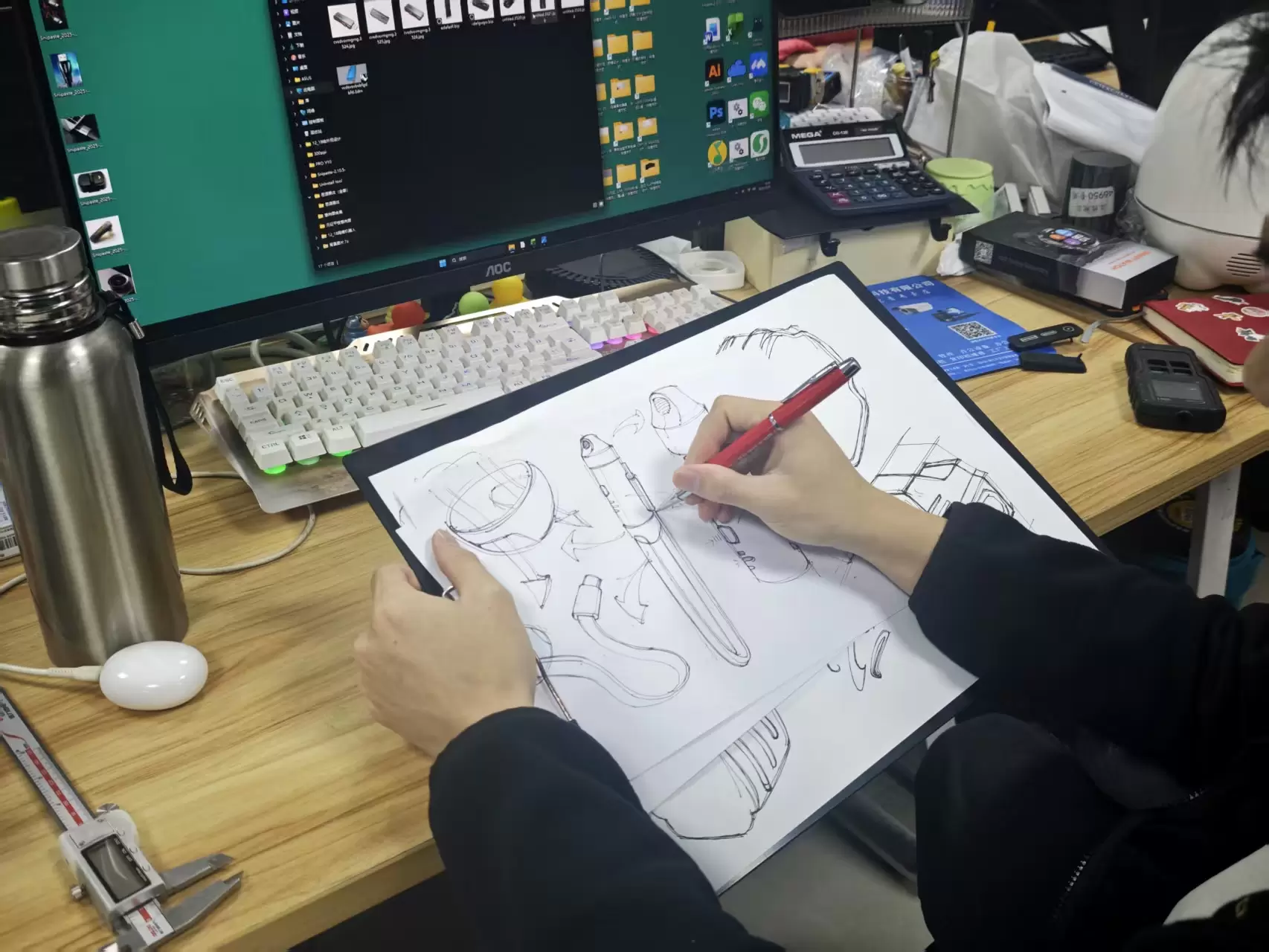
The success of a fascia gun begins long before production starts. Excellent industrial design and engineering determine not only appearance but also performance, durability, user comfort, and manufacturability.
An experienced OEM manufacturer should provide:
Instead of simply assembling existing products, manufacturers with in-house engineering teams can improve motor placement, optimize heat dissipation, reduce vibration, and enhance overall user experience.
For brands seeking differentiation, this capability is essential.
Every brand has different requirements.
Some companies already have finished product designs and simply need manufacturing support. Others only have a product concept and require complete development services.
An ideal manufacturer should offer both:
OEM Services
ODM Services
Having both capabilities allows businesses to choose the most efficient development path.
A fascia gun contains multiple precision metal components that directly influence product quality.
Examples include:
Poor machining tolerance often results in:
Manufacturers with advanced CNC machining experience can maintain high dimensional accuracy while ensuring excellent surface finishes and stable product performance.
Premium fascia guns increasingly utilize aluminum alloy housings because they offer:
Manufacturers possessing advanced metal processing technologies such as nano molding and precision machining can produce more sophisticated housing structures while maintaining excellent consistency throughout mass production.
This becomes particularly valuable for high-end consumer electronics and professional-grade therapy devices.
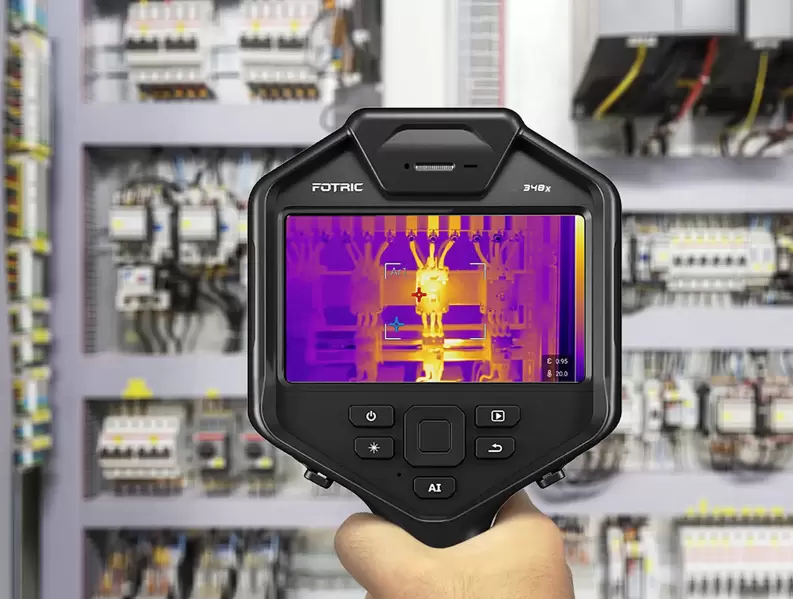
Heat is one of the biggest challenges inside high-performance fascia guns.
During continuous operation, components generating heat include:
Poor thermal design may cause:
Manufacturers experienced in thermal simulation and heat dissipation engineering can optimize airflow, internal structure, and aluminum heat sinks to improve long-term reliability.
This is especially important for premium fascia guns intended for prolonged daily use.
Quality cannot rely solely on final inspection.
Professional OEM manufacturers establish quality management throughout the entire production process.
Important quality controls include:
Manufacturers certified under ISO9001 quality management systems typically maintain more standardized production procedures and better traceability.
Injection molds and metal molds directly determine product consistency.
An experienced mold engineering team can improve:
Fast mold optimization also shortens product development cycles and reduces future maintenance costs.
Modern product manufacturing involves dozens of suppliers.
A capable OEM manufacturer should efficiently coordinate sourcing for:
Strong supplier management ensures stable production schedules while reducing supply risks.
Production capability matters just as much as engineering capability.
Before selecting a supplier, ask about:
Manufacturers with scalable production systems can better support business growth without sacrificing consistency.
Professional testing verifies product reliability under real-world conditions.
Recommended testing includes:
Comprehensive validation reduces warranty issues after products reach consumers.
Today's buyers expect products that stand out in a crowded marketplace.
Leading OEM manufacturers should support customization of:
This flexibility helps brands establish stronger market identities.
Manufacturers serving international brands generally understand:
This experience minimizes delays during product launches.
Product development rarely proceeds without revisions.
A dependable OEM partner provides ongoing technical support during:
Fast communication significantly improves project efficiency.
Many OEM factories focus primarily on manufacturing. However, companies with strong engineering backgrounds provide much greater long-term value.
One example is SOGOOD, a one-stop manufacturing service provider headquartered in Shenzhen, China's renowned "City of Design." Since its establishment, the company has specialized in industrial product innovation, precision hardware manufacturing, thermal simulation design, CNC machining, and advanced metal nano molding technology.
Its multidisciplinary engineering team includes experienced industrial designers, structural engineers, and mold specialists, with several core members having participated in the development of Motorola's iconic A1200 and A1600 smartphones. The design team has also received internationally recognized Red Dot Design Awards, reflecting strong industrial design capabilities.
Beyond consumer products, SOGOOD provides engineering and manufacturing solutions for industries including:
The company has supported globally recognized technology companies including Qualcomm, ZTE, Lenovo, NEC, Philips, Panasonic, Haier, Midea, ASUS, TCL, and Han's Laser through precision manufacturing and engineering services.
Its dedicated nano molding and CNC machining division, established in 2016, is staffed by senior engineers with more than two decades of experience in metal nano molding and precision machining. Many of these specialists previously worked at BYD, bringing extensive expertise in high-volume precision manufacturing.
Combined with an ISO9001-certified quality management system, these capabilities enable SOGOOD to support both OEM and ODM projects from concept development through mass production.
Companies seeking customized percussion therapy devices can learn more about <a href="https://www.sogoodprecision.com/medical-products/fascia-gun.html">Fascia Gun OEM Manufacturing Solutions</a>, including engineering support, precision manufacturing, and product customization services.
Before signing a manufacturing agreement, consider asking the following questions:
These questions reveal far more about a supplier than pricing or production capacity alone.
Selecting the right fascia gun OEM manufacturer is ultimately about finding a long-term engineering partner rather than simply a production facility. The most successful manufacturers combine industrial design, precision machining, thermal engineering, quality management, and flexible OEM/ODM services to help customers build reliable, competitive products.
As consumer expectations continue to rise, brands that collaborate with technologically advanced manufacturers gain significant advantages in product quality, innovation speed, and supply chain reliability. Evaluating engineering capabilities, manufacturing expertise, and quality systems before committing to a supplier can reduce development risks and create a stronger foundation for long-term market success.