Common Challenges in Aluminum Alloy CNC Machining and How Manufacturers Solve Them
Dec 24, 2025
As consumer expectations continue to evolve, humidifiers are no longer viewed as simple home appliances. Today's products integrate smart controls, quiet operation, elegant industrial design, energy efficiency, and enhanced user experiences. Behind these innovations are manufacturers that provide comprehensive OEM and ODM services, enabling brands to bring differentiated products to market quickly and efficiently.
Whether launching a new consumer electronics brand or expanding an existing product portfolio, partnering with an experienced OEM/ODM humidifier manufacturer can significantly reduce development risks while improving product quality and manufacturing efficiency.
This article explores what modern OEM and ODM services include, how the development process works, and why choosing a capable manufacturing partner has become an important competitive advantage.

Although the two terms are often used together, OEM and ODM represent different business models.
OEM manufacturing is ideal for companies that already have product specifications or completed designs.
The manufacturer focuses on:
This model gives brands complete control over product appearance, functions, and branding while outsourcing manufacturing expertise.
ODM services go much further.
Instead of simply producing existing designs, the manufacturer participates in the product creation process by providing:
ODM is especially valuable for startups and companies entering the humidifier market without an internal engineering team.
Several market trends are driving increased demand for customized humidifier manufacturing.
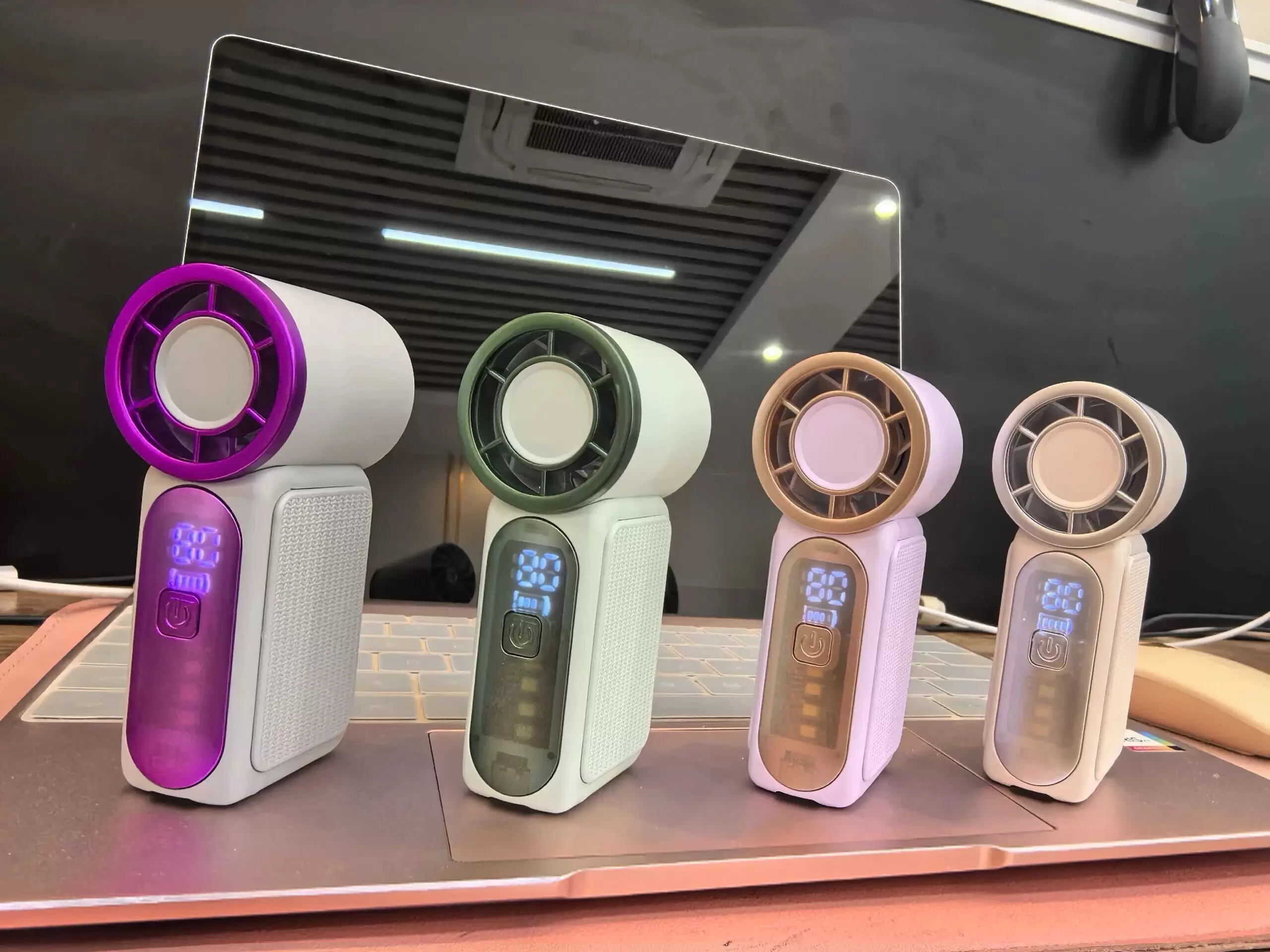
Consumers now expect products that combine functionality with aesthetics.
Popular requirements include:
Meeting these expectations requires collaboration between industrial designers, mechanical engineers, electronics specialists, and manufacturing experts.
Industrial design is often the first stage of ODM development.
Design teams consider:
A well-designed humidifier should look attractive while remaining practical for everyday use.
After the appearance is finalized, engineers develop the internal structure.
This includes:
Good structural design minimizes production issues while improving durability.
High-quality humidifier production relies heavily on precision components.
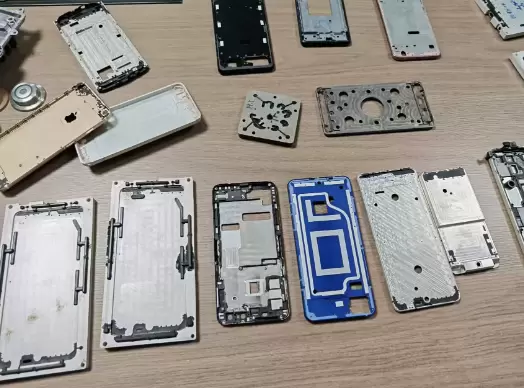
CNC machining is widely used for:
Precision machining ensures dimensional accuracy before mass production begins.
Injection molds directly influence production quality and consistency.
Professional manufacturers optimize molds for:
Proper mold engineering reduces manufacturing costs over the product lifecycle.
Although humidifiers generate moisture rather than large amounts of heat, many smart models include:
Proper thermal management improves component reliability.
Simulation software helps engineers evaluate:
This is especially important for premium smart humidifiers.
Advanced manufacturers increasingly adopt innovative manufacturing technologies such as metal nano forming.
Compared with conventional methods, this technology offers advantages including:
These benefits are particularly valuable for premium consumer electronics.
Selecting suitable materials affects both performance and product lifespan.
Common materials include:
Manufacturers help customers balance:
Surface finishing significantly influences perceived product quality.
Available options often include:
Surface treatment also enhances scratch resistance and corrosion protection.
Modern humidifiers frequently integrate multiple electronic modules.
Examples include:
Manufacturers coordinate hardware and structural design to ensure stable operation.
Mass production requires strict quality management.
Inspection typically covers:
Consistent quality control helps maintain brand reputation.
An experienced manufacturer usually follows a structured workflow.
Engineers discuss:
Industrial designers prepare:
Mechanical engineers complete:
Rapid prototypes allow customers to evaluate:
Necessary improvements are made before tooling.
Production molds are fabricated after design approval.
Engineers conduct:
Production includes:
Not every manufacturer offers the same engineering capabilities.
Brands should evaluate suppliers based on several important factors.
Experienced engineering teams solve design challenges more efficiently.
Look for expertise in:
Manufacturers with modern equipment generally provide:
A capable ODM supplier should support both appearance innovation and engineering optimization.
Strong industrial design often becomes a key differentiator in competitive markets.
Reliable manufacturers implement internationally recognized quality systems to ensure production consistency and continuous improvement.
Whether producing pilot runs or large-scale orders, manufacturing flexibility helps brands respond more quickly to changing market demand.
For companies seeking a reliable development and manufacturing partner, SOGOOD provides integrated OEM and ODM solutions that extend well beyond traditional machining services.
Founded in Shenzhen, China's renowned design hub, SOGOOD combines industrial design, structural engineering, precision CNC machining, mold flow analysis, thermal simulation, and advanced metal nano forming technology to support product development from concept through mass production.
Its multidisciplinary engineering team includes experienced industrial designers, structural engineers, and mold specialists with decades of expertise in precision manufacturing and consumer electronics development. Core technical personnel bring more than 20 years of experience in metal nano forming and CNC machining, enabling the company to solve complex manufacturing challenges while maintaining high precision and production efficiency.
SOGOOD's capabilities include:
The company has supported internationally recognized brands across electronics, telecommunications, automotive, medical devices, artificial intelligence, and consumer products, demonstrating its ability to meet demanding quality and engineering requirements.
For businesses developing customized humidifiers or other consumer electronic products, SOGOOD offers both OEM manufacturing and full ODM engineering support to accelerate product development while maintaining consistent quality throughout production.
To learn more about its humidifier manufacturing capabilities, visit <a href="https://www.sogoodprecision.com/consumer-electronics/humidifier.html">humidifier OEM and ODM manufacturing solutions</a>.
The next generation of humidifiers will likely emphasize:
Manufacturers capable of combining design innovation with advanced engineering will be better positioned to support these evolving market demands.
OEM and ODM services have become essential for brands seeking to compete in today's humidifier market. Beyond manufacturing, leading suppliers contribute industrial design, engineering expertise, precision machining, thermal optimization, and quality management throughout the entire product development cycle.
Choosing an experienced manufacturing partner not only shortens development time but also improves product reliability, consistency, and market competitiveness. Companies with integrated design, precision manufacturing, and advanced engineering capabilities can help transform product ideas into successful commercial solutions while supporting long-term business growth.